
Gardening Jobs for August
This guide gives you the precise tasks to keep your garden thriving through the dog days, grounded in established RHS and UK horticultural practice.
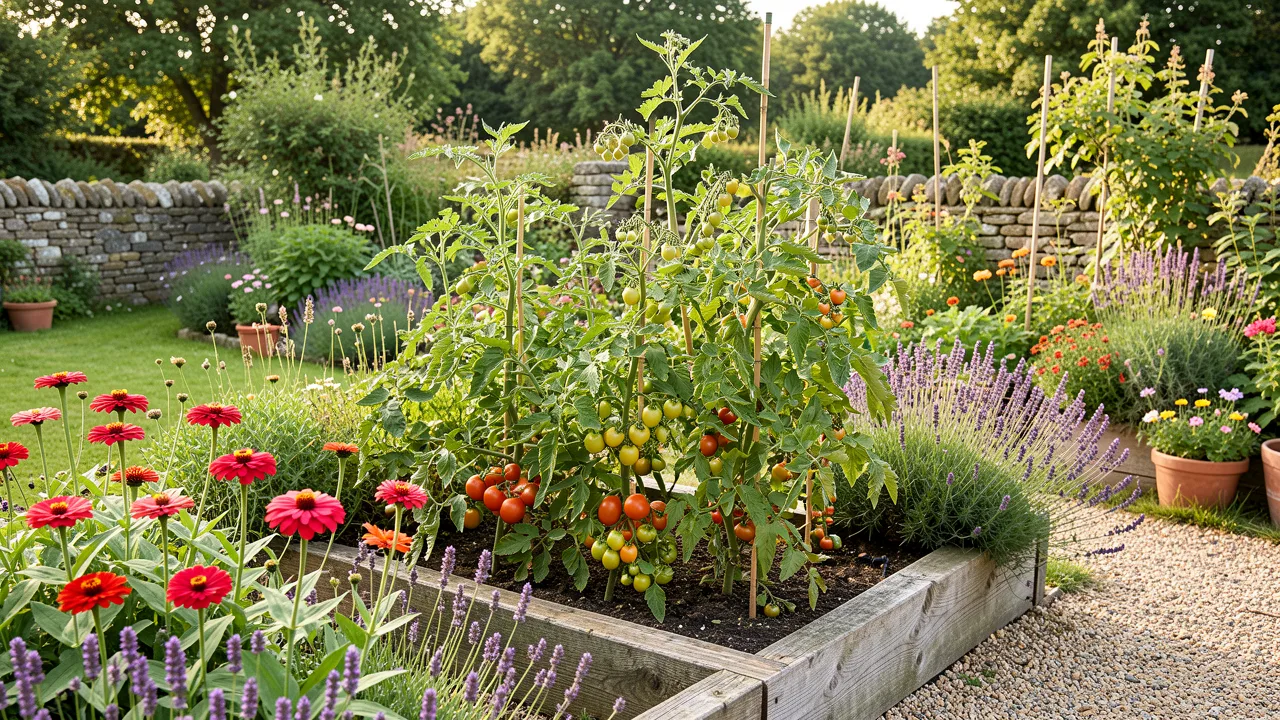
August in the UK garden is a time of quiet intensity – the lingering heat tests our plants, but with careful attention, you can harvest summer's bounty and prepare for autumn's arrival. This guide gives you the precise tasks to keep your garden thriving through the dog days, grounded in established RHS and UK horticultural practice. Forget vague advice; here’s what to do, when, and why, with specific UK timings, varieties, and quantities.
Watering Wisely During the August Heat
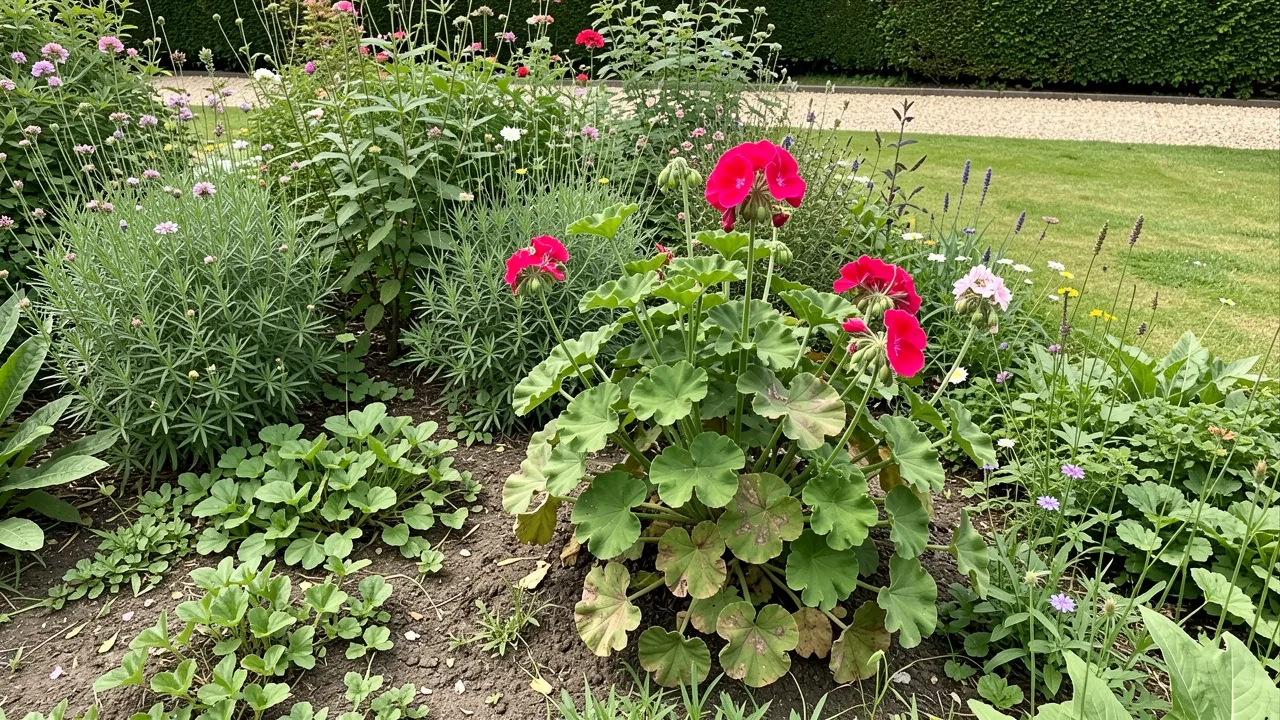
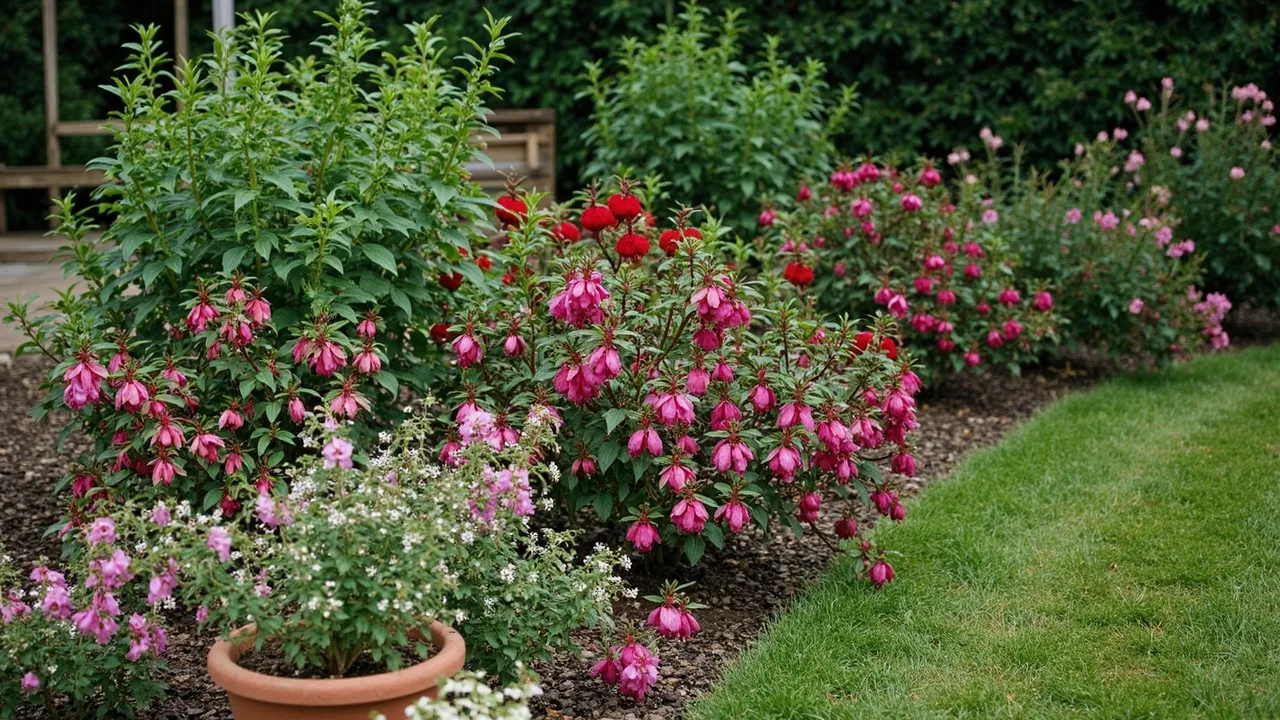
August often brings prolonged dry spells, especially in southern England and the Home Counties, making deep, strategic watering essential. Established perennials, shrubs, and trees need 10–15 litres per square metre every 3–4 days during heatwaves, applied slowly via a soaker hose or watering can to penetrate the soil deeply. Avoid light, frequent sprinkles that encourage shallow roots; instead, water early morning (before 9am) or late evening (after 7pm) to minimise evaporation, particularly in regions like Surrey or Kent where temperatures can exceed 28°C. For container plants – especially tender varieties like geraniums (Pelargonium spp.) or fuchsias in full sun on a patio – check daily; they can dry out within 24 hours, requiring 500ml–1 litre per pot when the top 2cm of compost feels dry. Crucially, never water the foliage of plants like roses or lavender in the evening, as damp leaves invite fungal diseases such as black spot (Diplocarpon rosae) or grey mould (Botrytis cinerea). If rainfall is scarce, mulch generously with well-rotted garden compost (not fresh manure or peat) to conserve moisture; a 5cm layer around shrubs and perennials reduces water needs by up to 50% and suppresses weeds like groundsel (Senecio vulgaris).
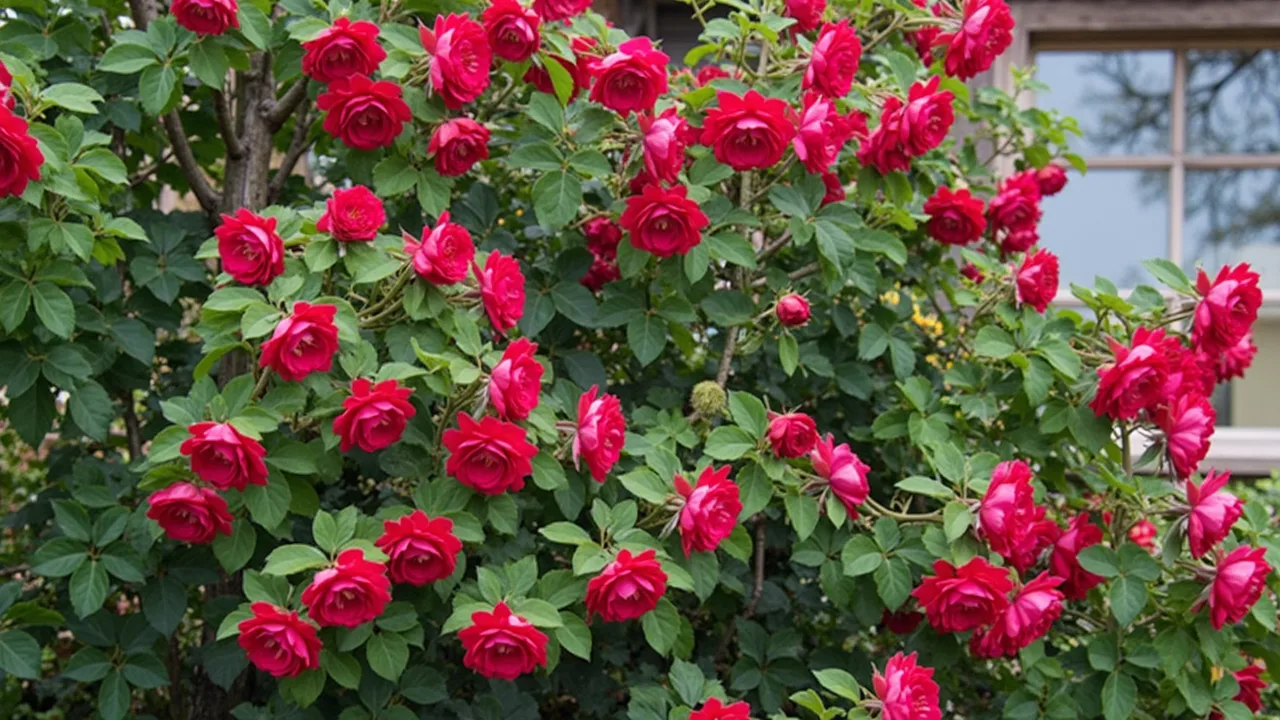
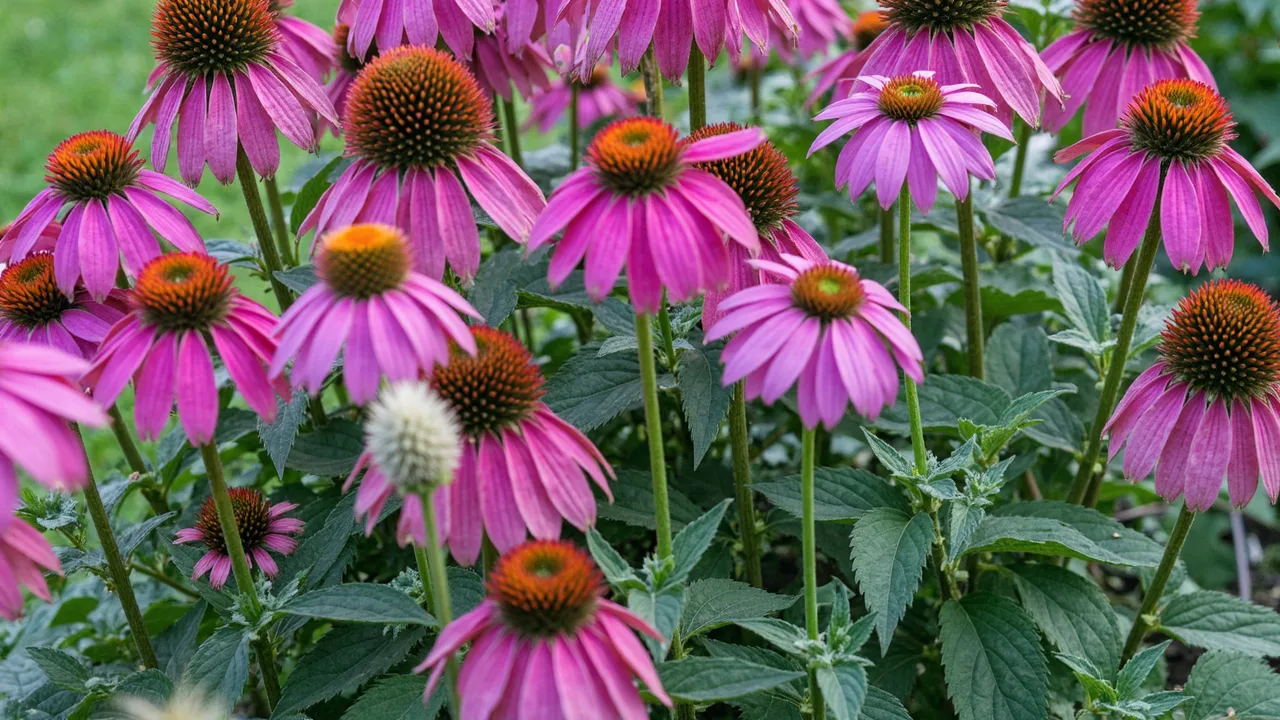
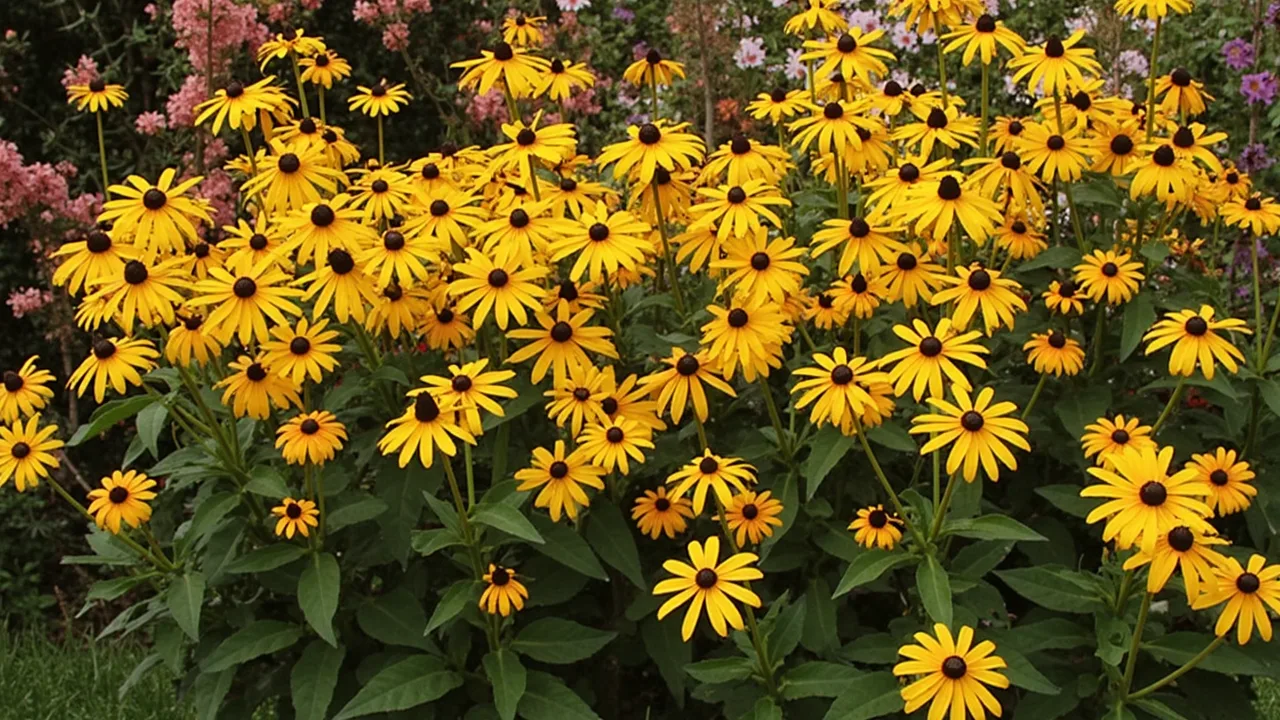
- Key watering targets: Roses (e.g., 'Rosa 'Gertrude Jekyll''), herbaceous borders (Echinacea purpurea, Rudbeckia hirta), vegetable patches (tomatoes, beans, courgettes).
- Avoid: Overwatering container plants (check soil moisture before adding water), evening watering for susceptible plants, using sprinklers on lawns during peak heat.
- Regional note: Northern UK gardeners in Scotland or the North East should water 1–2 days earlier than southern counterparts due to cooler temperatures delaying evaporation.
Deadheading, Harvesting & Autumn Preparation
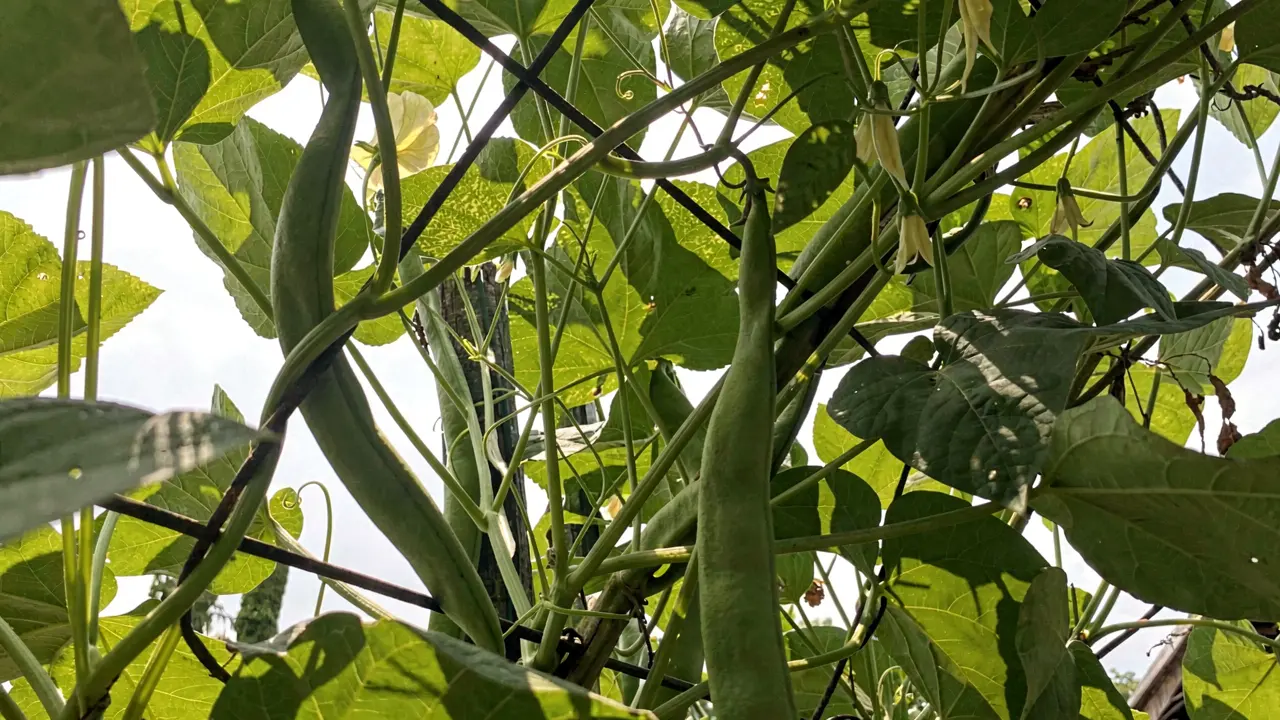
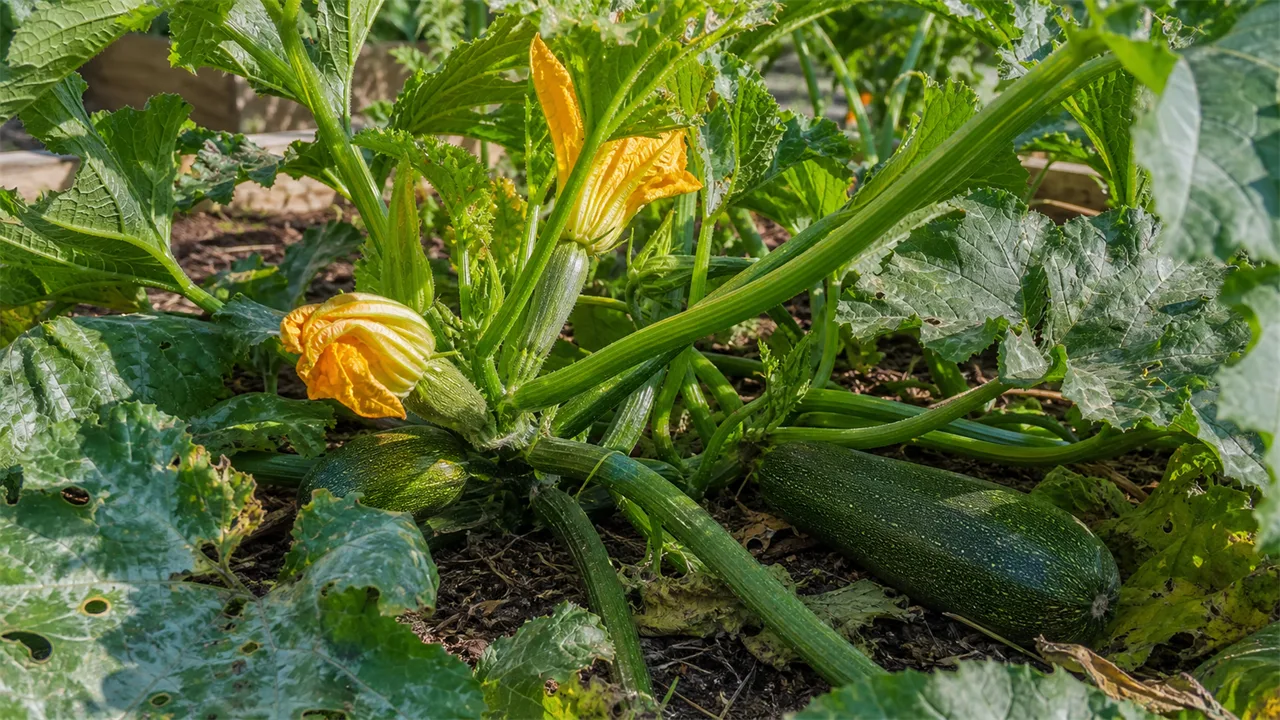
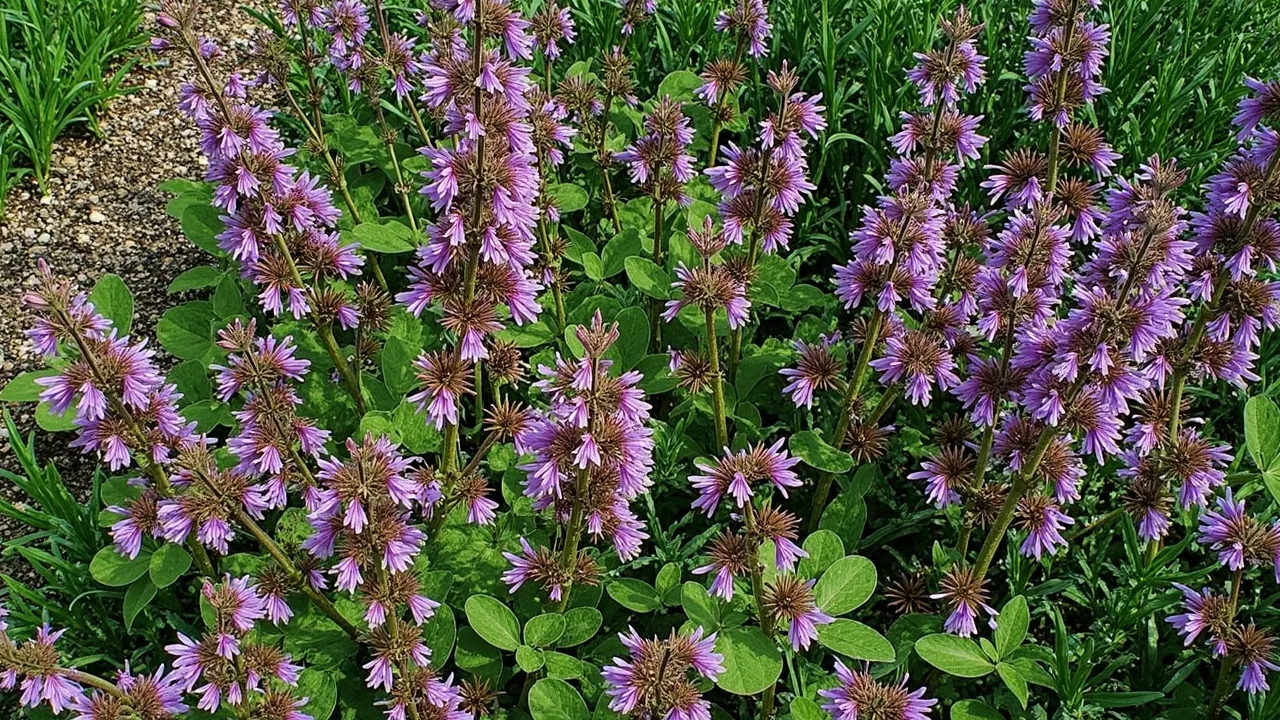
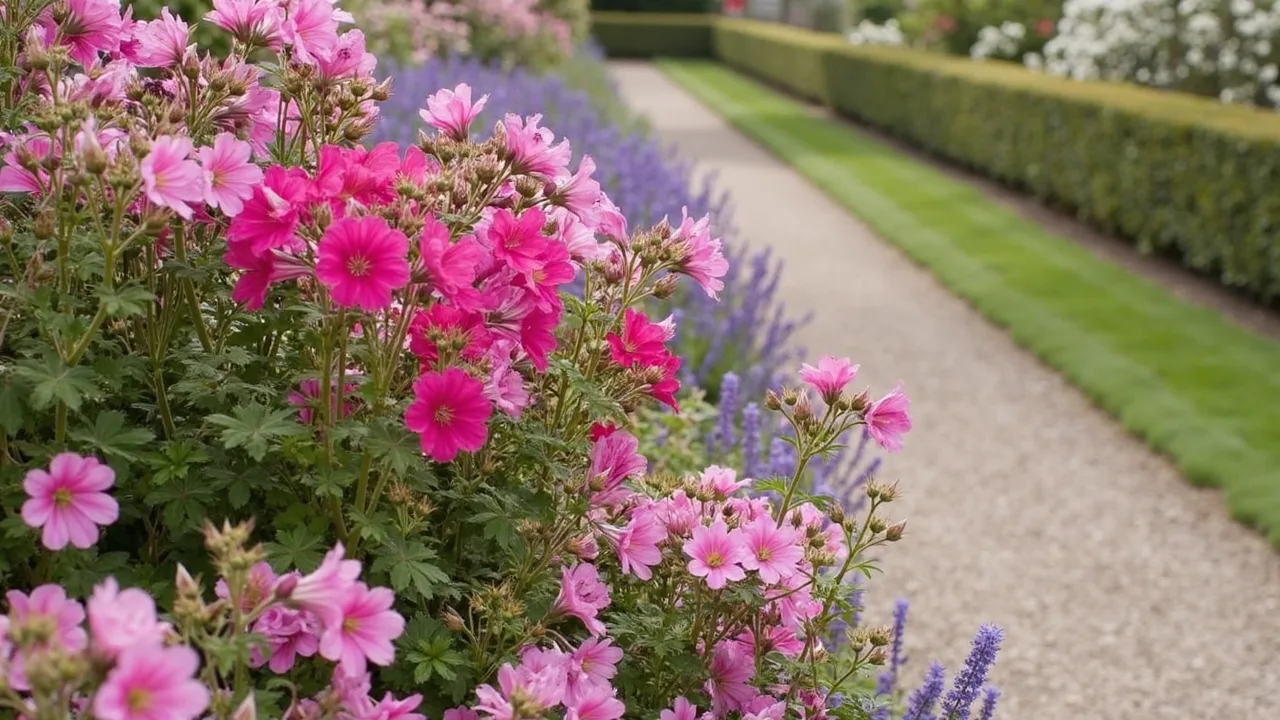
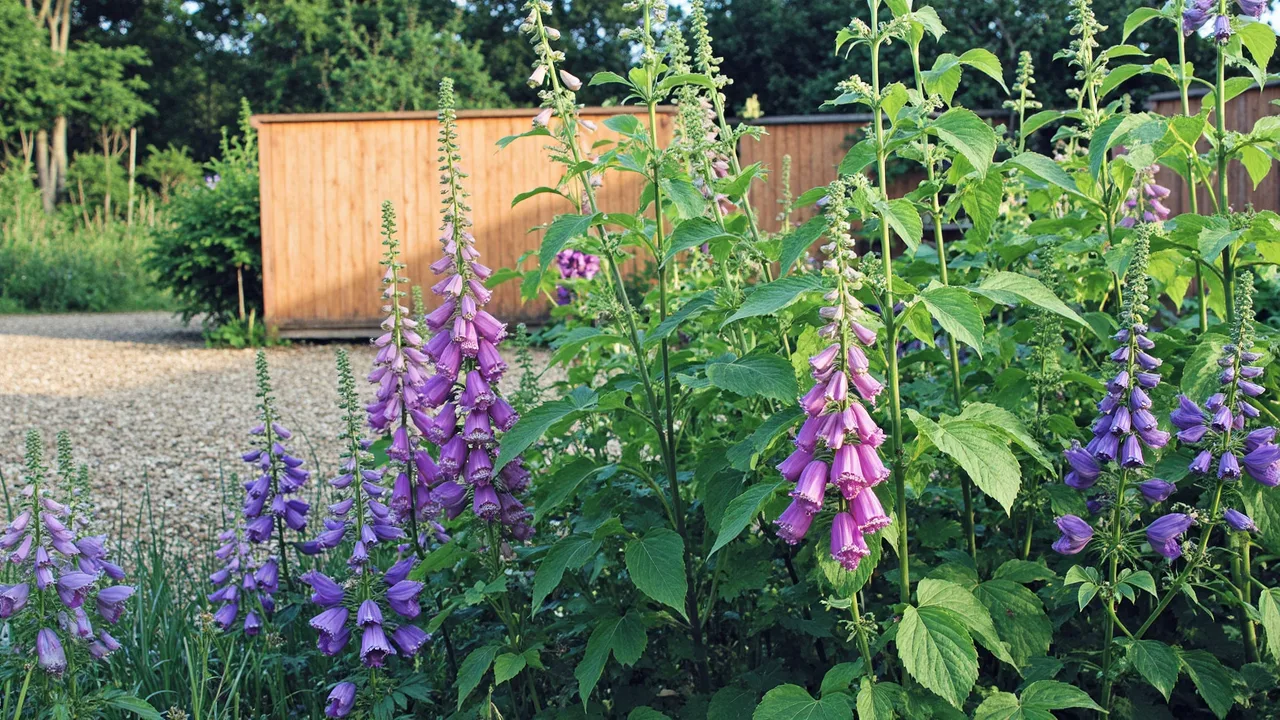
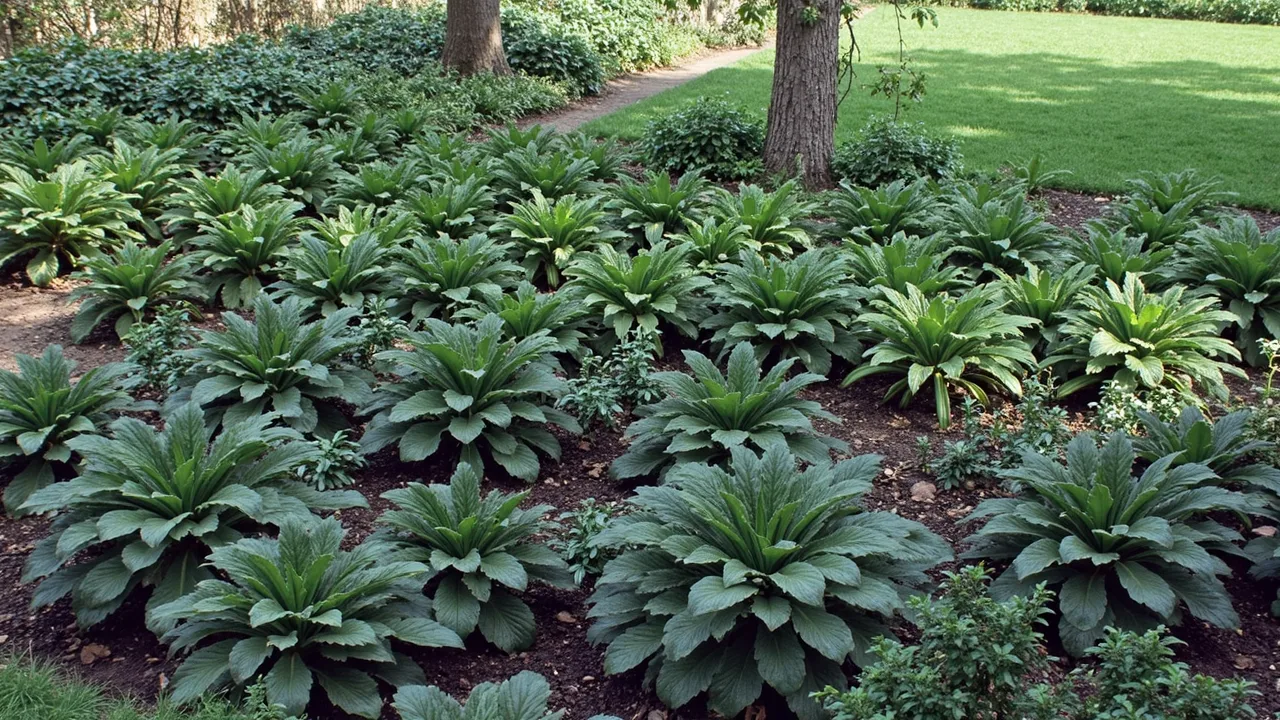
August is prime time for harvesting and encouraging repeat blooms. Pick beans (Phaseolus vulgaris) and courgettes (Cucurbita pepo) daily – leaving them on the plant encourages the plant to stop producing, reducing yields by up to 30%. For roses, deadhead by cutting just above a five-leaflet leaf node (not the side shoot) to promote a second flush; varieties like 'Rosa 'Gertrude Jekyll'' or 'Rosa 'The Teacher'' respond well. Remove spent flowers from lavender (Lavandula spp.), salvias (Salvia officinalis), and hardy geraniums (Geranium pratense) to extend flowering into September. Crucially, for plants like foxgloves (Digitalis purpurea), which are toxic to cats, dogs, and horses (RHS, 2023), cut back only after flowering to avoid accidental ingestion by pets. Simultaneously, prepare for autumn: lift and divide overgrown clumps of hostas (Hosta spp.) or daylilies (Hemerocallis spp.) in the first half of the month (before mid-August in southern England), ensuring each division has strong roots and at least 3–4 leaves. Plant autumn-flowering bulbs like crocus (Crocus tommasinianus) or alliums (Allium 'Purple Sensation') now for early spring colour – plant 10–15cm deep in well-drained soil, spacing bulbs 10cm apart. Northern gardeners should delay planting by 2–4 weeks compared to London.
Pest & Disease Vigilance
The warm, dry weather of August can trigger aphid outbreaks on roses, beans, and soft fruits. For small infestations (e.g., on a single rose bush), blast aphids off with a strong jet of water early in the day (before 10am) using a garden hose nozzle. For larger problems, use a natural insecticidal soap (e.g., potassium soap) or neem oil, following the product label and current UK regulations on application rates (e.g., dilute 10ml per litre of water, apply every 5–7 days). Never use chemical pesticides without checking the label for approved uses and restrictions – the RHS advises against broad-spectrum chemicals to protect pollinators. Slugs become active again if nights cool down (common in late August); place beer traps (shallow dishes filled with beer) or copper tape around vulnerable plants like lettuce (Lactuca sativa) and hostas. Monitor for powdery mildew on roses and phlox (Phlox paniculata) – prune affected leaves and improve air circulation by spacing plants correctly (e.g., 45cm between rose bushes). Remember, plants like lily of the valley (Convallaria majalis) are highly toxic to pets (RHS), so avoid planting near areas where pets roam freely.
Autumn Planting for Future Seasons
August is the last reliable month for planting hardy perennials, shrubs, and trees before the ground cools. Dig a hole twice as wide as the rootball (e.g., 45cm diameter for a 20cm rootball), mix in a small amount of well-rotted garden compost (not peat-based) to improve soil structure, and water thoroughly after planting. Prioritise plants for autumn interest: hellebores (Helleborus orientalis) for early flowers, heucheras (Heuchera spp.) for foliage, and ornamental grasses like Miscanthus sinensis 'Giganteus' for texture. For vegetable gardens, sow hardy salad leaves (e.g., 'Oakleaf' lettuce) and winter radishes (e.g., 'Cherry Belle') in light shade or under cloches for a late harvest; broadcast seeds thinly at 5g per square metre, covering with 0.5cm of fine soil. Avoid planting heavy feeders like brassicas (cabbages, kale) in August; they need cooler weather to establish well (wait until late September). Northern UK gardeners should delay planting by 2–4 weeks compared to London – for example, plant hellebores in Scotland by 15th August, but wait until 1st September in Surrey. Ensure newly planted trees like service trees (Sorbus domestica) are staked securely to prevent windrock.
Lawn Care in the Drying Heat
August is the ideal time to address thatch and prepare your lawn for autumn recovery. Scarify (dethatch) lawns with a manual or electric scarifier if thatch is over 1cm thick (measure with a ruler or by lifting a small turf section), working in two directions to lift debris. Aerate using a garden fork (stomp 10cm deep in a grid pattern) or a plug aerator (remove 5cm soil cores) to relieve compaction, especially on heavy clay soils common in the Midlands and South West. If the lawn is dry, water deeply (10–15 litres per square metre) 24 hours before scarifying to make the process easier. Mow regularly but keep the height slightly higher than in summer (around 3–4cm) to protect the roots from heat stress – this is crucial for fescue (Festuca spp.) and bent grass (Agrostis spp.) lawns. For bare patches, overseed with a hardy mix like 'Meadow Mix' (20g per square metre) after scarifying, then water gently with a fine spray for 10 minutes daily for 2 weeks. Avoid applying fertiliser in August; wait until September when the soil cools and grass growth resumes, as summer heat can burn the grass.
Preparing for Autumn’s Arrival
As August wanes, focus on clearing debris to prevent pests and diseases overwintering. Remove spent annuals like marigolds (Tagetes spp.) and petunias (Petunia × hybrida), but leave perennial stems (e.g., rudbeckia, echinacea) for winter interest and seed heads for birds. Clean and sharpen tools (secateurs, spades) to prevent rust and ensure smooth cuts next season – use a wire brush and honing oil on blades. For fruit trees, pick any remaining apples (e.g., 'Bramley's Seedling') or pears (e.g., 'Conference') that are ripe but not yet ready for storage; avoid pruning fruit trees in August, as it can stimulate new growth vulnerable to frost. Finally, check greenhouse or cold frame structures for damage – secure loose glass or plastic to protect tender plants like tomatoes (Solanum lycopersicum) from autumn winds. If foraging for wild garlic (Allium ursinum), confirm identification with an RHS guide or local forager first, as it can be confused with toxic lily of the valley (Convallaria majalis).
Plants in this guide
Recommended Products
GardenWizz earns a commission from qualifying purchases made through affiliate links on this page (including links within the article) — as an Amazon Associate, and from Thompson & Morgan via the Awin network. This does not affect the price you pay. See our disclaimer for details.
Related Articles
More → Seasonal Care
Gardening Jobs for September
21 July 2026This month demands focused action to ensure your garden thrives through the seasons, capitalising on the UK’s lingering autumnal conditions.
 Seasonal Care
Gardening Jobs for December in the UK
19 June 2026December in the UK brings shorter days, crisp air, and the quiet rhythm of the dormant season. While the garden may seem asleep, there’s vital work to do to protect your plants, prepare for spring,…
 Seasonal Care
Gardening Jobs for November in the UK
19 June 2026November in the UK brings crisp, clear air and the quiet rhythm of the garden settling into winter’s embrace. It’s a month of decisive, practical action: planting bare-root treasures, harvesting…