
Apple Scab: How to Identify and Treat It
Apple trees in your garden can be a source of joy, but apple scab can turn your harvest into a disappointing mess of distorted, blackened fruit. This common fungal disease, caused by Venturia…
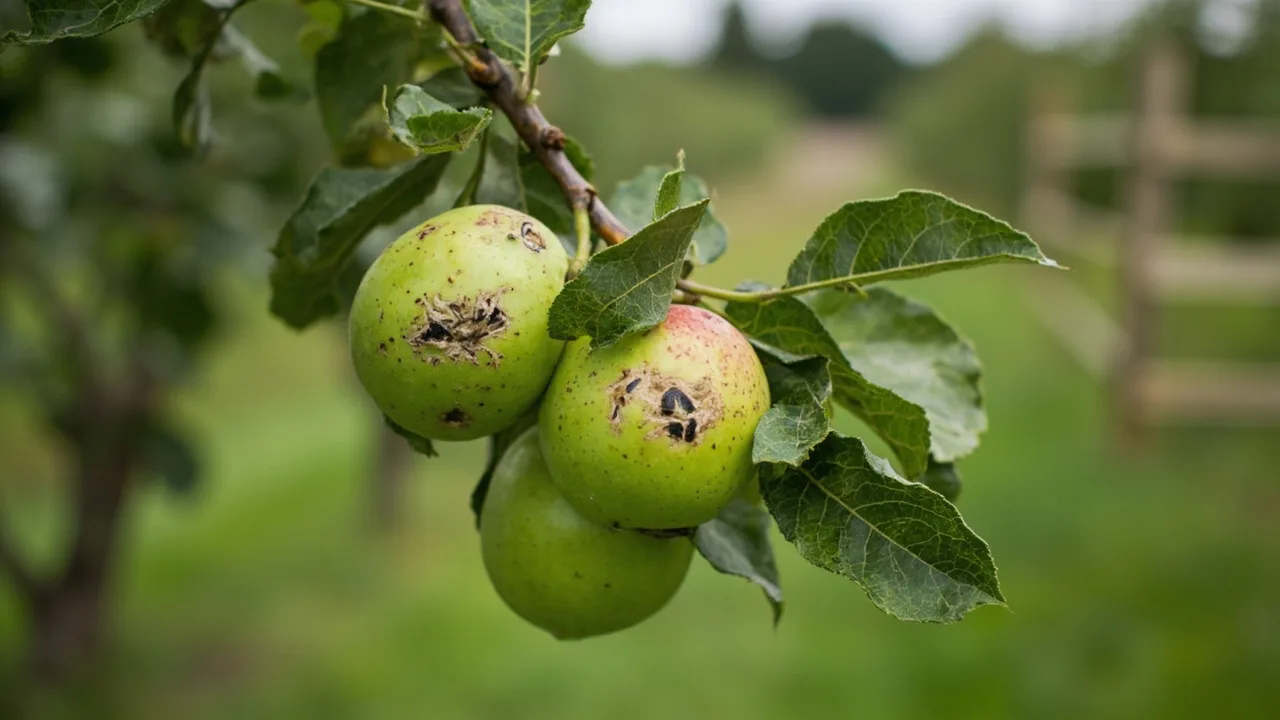
Apple trees in your garden can be a source of joy, but apple scab can turn your harvest into a disappointing mess of distorted, blackened fruit. This common fungal disease, caused by Venturia inaequalis, thrives in cool, wet UK springs and affects not just your eating apples but also ornamental crabapples. The good news is that with timely action and the right approach, you can manage it effectively without resorting to harsh chemicals unnecessarily. This guide cuts through the confusion, giving you clear, UK-specific steps to identify, prevent, and treat scab in your own orchard or garden.
Spotting Scab Early: What to Look For
The first signs of apple scab appear in spring, typically from late March to May in southern England, and a couple of weeks later in Scotland and the North. Look for small, olive-green or brown, irregularly shaped spots on young, emerging leaves and blossoms – these will darken and become velvety as the infection progresses. On developing fruit, the lesions start as greenish spots that turn black or brown, often causing the fruit to pucker, crack, or drop prematurely. Crucially, scab rarely kills the tree but significantly reduces your crop quality and yield; severe infections can lead to up to 70% loss, especially on susceptible varieties like 'Bramley', 'Cox', or 'Gravenstein'. Don’t confuse scab with other leaf spots – scab lesions are usually more irregular and darker than those caused by mildew or rust, and they often appear on the upper leaf surface first.
Key Identification Tips for UK Gardeners
- Timing: Check young leaves and fruit buds from late March onwards, especially after prolonged wet spells (over 12 hours of leaf wetness).
- Location: Focus on new growth and fruit just after blossom (late April/May in most of the UK) – scab spreads rapidly during this period.
- Distinguishing Features: Scab lesions on fruit are typically black, irregular, and may cause splitting; they feel slightly rough. Leaf lesions are often sunken and dark, with a yellow halo on young leaves.
Cultural Controls: Your First Line of Defence
The most effective and environmentally friendly way to tackle scab is through good garden hygiene and tree management – it’s the foundation of any UK scab control plan. Start by clearing up fallen leaves, fruit, and debris from under your apple tree every autumn, before the first hard frost. This removes the overwintering fungal structures (pseudothecia) that release spores in spring. In late winter or early spring (February/March), perform a thorough pruning: remove any dead, diseased, or crossing branches, and thin the canopy to improve airflow and sunlight penetration. This dries leaves faster after rain, making it harder for the fungus to spread. Crucially, avoid overhead watering – water the base of the tree with a soaker hose or watering can instead, as wet foliage is a major trigger for infection. Pruning and sanitation should be done before bud burst in early spring to be most effective.
Essential Cultural Practices Checklist
- Autumn: Rake up and burn (not compost) all fallen leaves and fruit debris from under the tree.
- Late Winter/Early Spring (Feb-Mar): Prune out dead/diseased wood and thin the canopy to improve air flow.
- Watering: Use drip irrigation or water the base; avoid wetting leaves.
- Tree Selection: Prioritise resistant varieties (see below) when planting new trees.
When to Spray: Timing is Everything
Spraying fungicides isn’t about spraying randomly; it’s about targeting the critical infection periods. The UK’s cool, wet springs make this disease a major threat, so timing is crucial. The classic Mills Table (now adapted for UK conditions) helps predict infection risk based on temperature and leaf wetness. In practice, for UK gardeners, the first spray should be applied just as buds begin to open (‘green tip’ stage), typically around late March to early April in southern England and mid-April in Scotland/North. A second spray is usually needed 10-14 days later, and a third around petal fall (late April/early May), depending on weather. Always follow the product label for UK approval, application rates, and safety instructions. For example, copper-based fungicides (like Bordeaux mixture or copper oxychloride) are approved for organic use in the UK but can cause leaf burn if applied incorrectly (e.g., in hot weather or on stressed trees). They are best used preventatively before symptoms appear, not as a cure for existing scab.
UK-Approved Fungicide Timing Guide
- First Spray: At 'green tip' (buds swelling, tips turning green) – late March (South) / mid-April (North).
- Second Spray: 10-14 days after first spray, before full bloom.
- Third Spray: At petal fall (when petals drop) – late April (South) / early May (North).
- Critical Note: If heavy rain occurs between sprays, reapply. Never spray during flowering if bees are active.
Organic Options: Copper and Sulfur Sprays
For gardeners avoiding synthetic chemicals, copper and sulphur-based sprays are the primary organic options available in the UK. Copper sprays (e.g., Bordeaux mixture, copper oxychloride) are most effective preventatively when applied at bud burst and petal fall, as mentioned above. However, they can cause leaf damage if applied in warm weather or on stressed trees, and repeated use can build up copper in the soil. Sulphur sprays are another option but are less effective against scab than copper and can also burn foliage if applied when temperatures exceed 27°C (80°F). Crucially, neither copper nor sulphur will cure existing scab lesions; they only prevent new infections. Organic gardeners should combine these sprays with rigorous cultural controls (sanitation, pruning) for best results. Remember, organic doesn’t mean harmless – copper can be toxic to pets if ingested (RHS advises keeping pets away from treated areas until dry), so apply carefully.
Choosing Resistant Varieties for UK Gardens
The most sustainable long-term solution is to plant apple varieties naturally resistant to scab. UK gardeners have a great choice, thanks to decades of breeding. Look for varieties carrying the Vf gene (resistant to scab), such as 'Prima', 'Jonafree', 'Goldrush', 'Cox's Orange Pippin' (moderately resistant), and 'Egremont Russet'. These varieties significantly reduce the need for spraying, making them ideal for organic gardens or those wanting low-maintenance fruit. While they may not be immune (severe weather can still cause issues), they are far more resilient than susceptible types like 'Bramley' or 'Cox'. When purchasing new trees, ask the nursery for the specific resistance rating – reputable UK nurseries will list it. Planting resistant varieties is the single best investment you can make for a scab-free apple harvest for years to come.
What Not to Do: Common Mistakes to Avoid
Avoid the temptation to spray as soon as you see the first spot – this is often too late, and you’ll waste product. Don’t compost infected leaves or fruit; this spreads the disease. Never rely solely on a single spray – consistent timing is key. Avoid using high-nitrogen fertilisers in spring, as this promotes lush, susceptible growth. And crucially, do not use any fungicide not specifically approved for use on apples in the UK – always check the label for the plant (apple) and the pest/disease (scab). The RHS advises against using unregistered products, as they can be ineffective, harmful to beneficial insects, or even toxic.
Plants in this guide
Recommended Products
GardenWizz earns a commission from qualifying purchases made through affiliate links on this page (including links within the article) — as an Amazon Associate, and from Thompson & Morgan via the Awin network. This does not affect the price you pay. See our disclaimer for details.
Related Articles
More →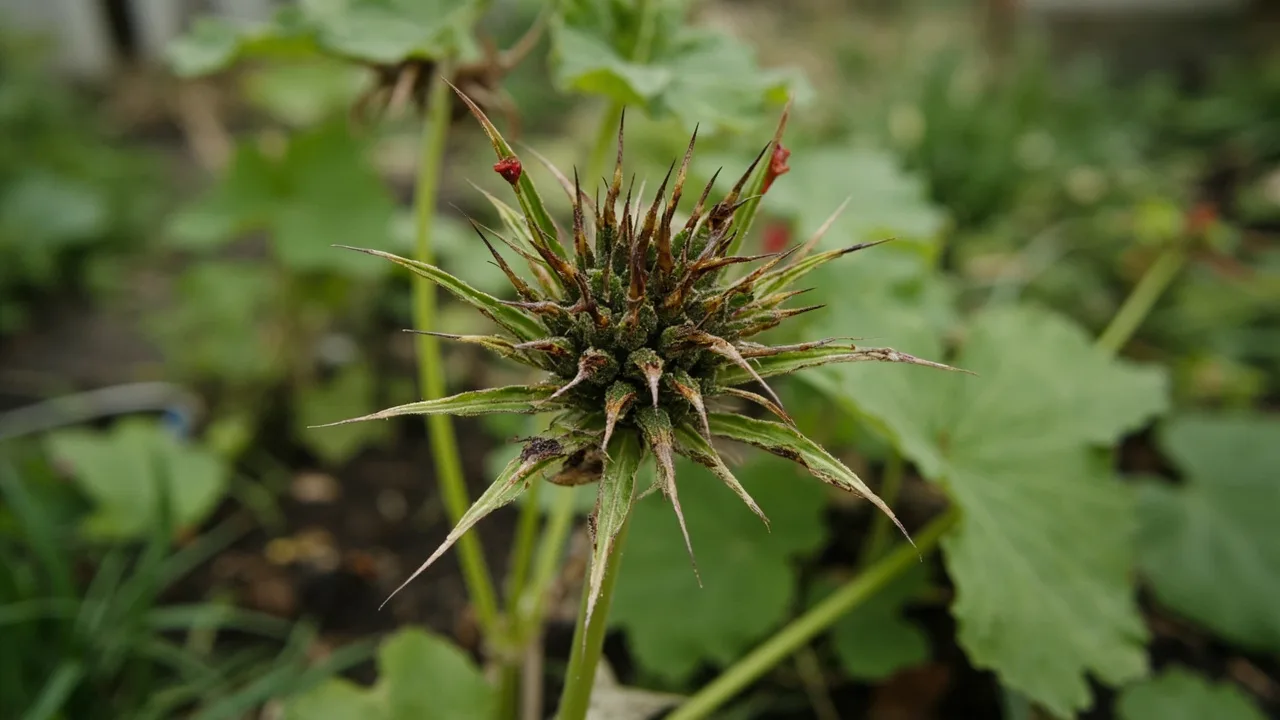 Problem Solver
How to Get Rid of Burdock
21 June 2026Lesser burdock (Arctium minus) is a large biennial weed of UK hedgerows, waste ground and the neglected corners of gardens. In its first year it builds a broad rosette and a deep taproot; in its…
 Problem Solver
How to Get Rid of White Bryony
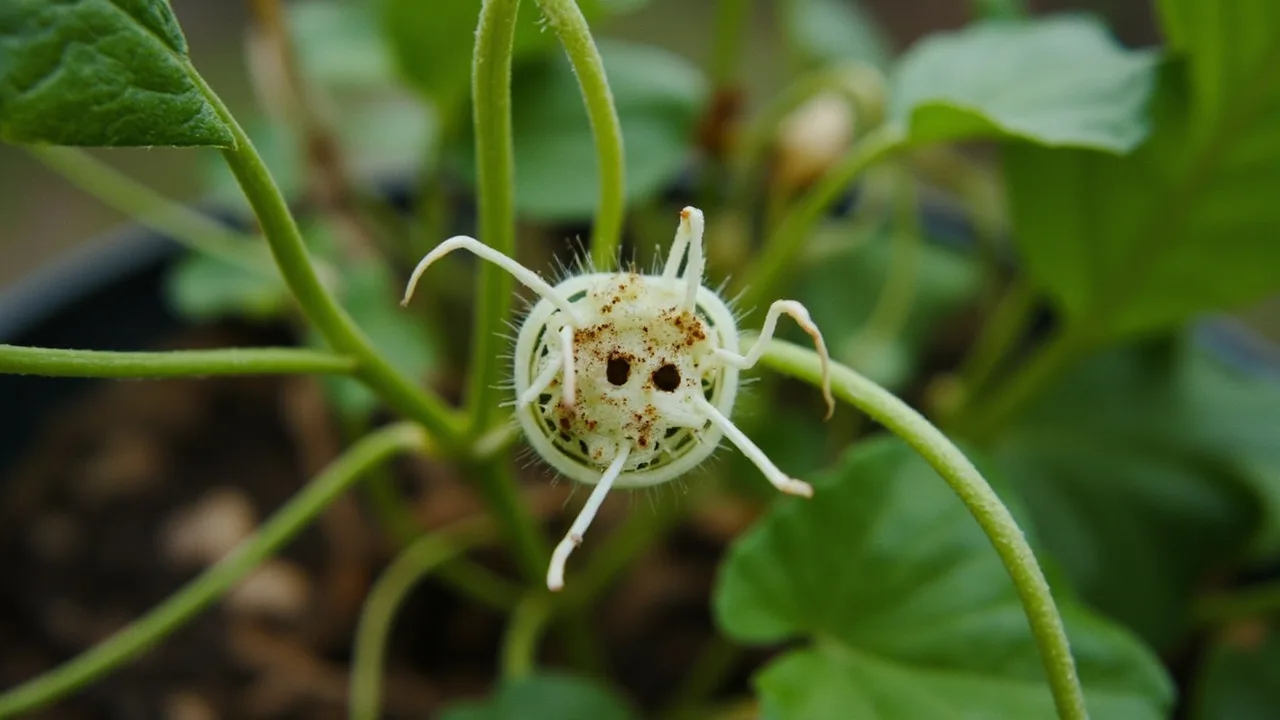
21 June 2026White bryony (Bryonia dioica) is a fast-growing perennial climber found scrambling through UK hedges, fences and shrubs, mainly in England. It is Britain's only native member of the cucumber family,…
 Problem Solver
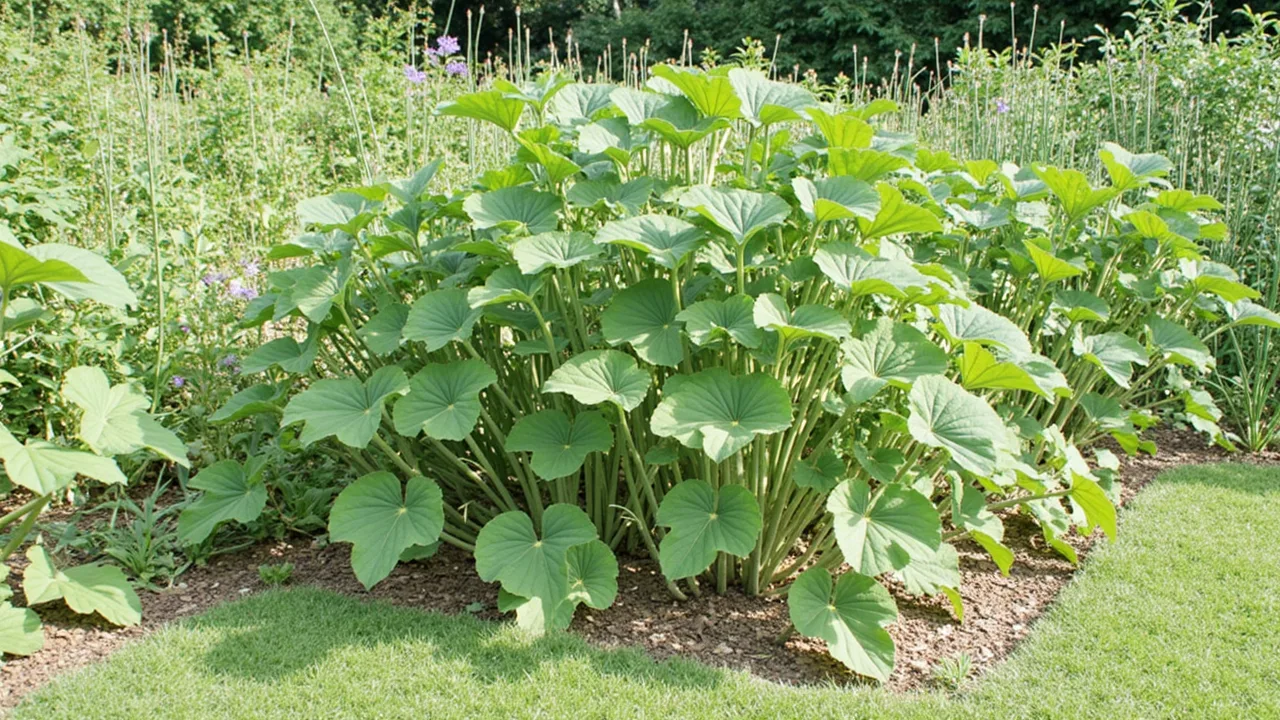
How to Get Rid of Broadleaf Dock
21 June 2026Broad-leaved dock (Rumex obtusifolius) is one of the most common perennial weeds of UK lawns, borders and allotments. It grows from a long, fleshy taproot and a single mature plant can shed many…