
How to Grow Shallots
Growing shallots is one of the most rewarding tasks for a UK gardener. These mild, sweet bulbs, often mistaken for small onions, add depth to countless dishes from French coq au vin to Asian…
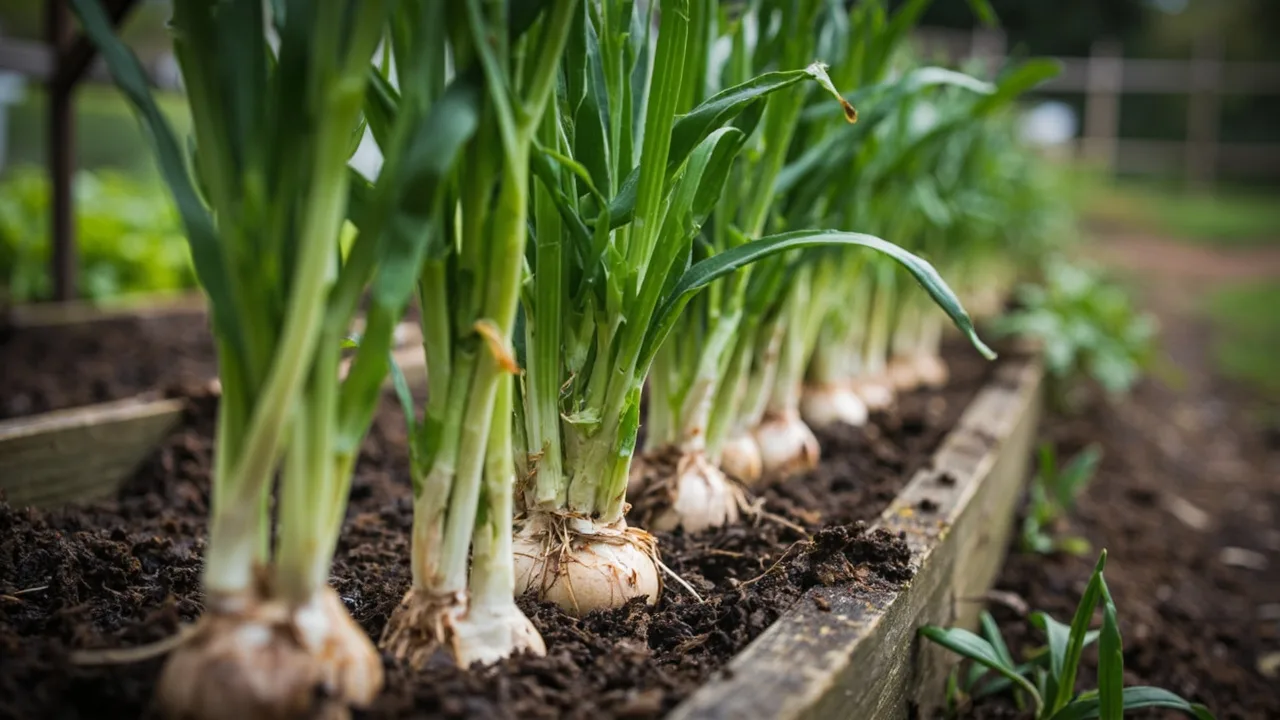
Growing shallots is one of the most rewarding tasks for a UK gardener. These mild, sweet bulbs, often mistaken for small onions, add depth to countless dishes from French coq au vin to Asian stir-fries, and they’re far easier to grow than you might think. Unlike onions, shallots form clusters of cloves underground, making them perfect for small plots and container gardening. With their relatively short growing season and resilience to pests (when planted correctly), they’re a dependable crop for any garden. Just remember: avoid planting near recently manured soil, and keep a watchful eye out for leek moth larvae, the main pest in UK gardens.
Choosing Your Shallot Varieties
For UK gardens, stick to proven, disease-resistant varieties. The French red shallot (Allium cepa var. aggregatum) is the classic choice, known for its rich flavour and reliable cropping. Within this group, Ed’s Red and Pikant are top recommendations from RHS trials, offering excellent storage and flavour. Atlas is another robust option, particularly suited to cooler UK soils. Avoid using supermarket shallots – they’re often treated to prevent sprouting and may carry diseases like Botrytis, which can devastate your crop. Instead, source certified disease-free sets from reputable UK suppliers like Thompson & Morgan or Derry’s Seeds in late summer. For container growing, Pikant is ideal due to its compact growth habit. When ordering, aim for 50–100 sets per square metre (depending on your space), as shallots naturally form clusters but require spacing to avoid overcrowding. Crucially, never confuse shallots with small onions – true shallots have a distinct, milder flavour and form multiple cloves per bulb, whereas onions produce a single bulb. This distinction matters for both taste and growing success.
Perfect Planting Timing for UK Gardens
Timing is crucial for shallot success. In most of England and Wales, plant shallot sets from mid-September to mid-October. This allows roots to establish before winter, leading to stronger growth in spring. In Scotland and Northern England, delay planting by 2–4 weeks – aim for late September to early October to avoid frost heave. Never plant in spring; shallots need a cold period to develop properly. If you miss autumn planting, wait until February for a second crop (though yields will be lower and bulbs smaller). For precise regional guidance: in London and the South West, plant 15–20 September; in Birmingham and Manchester, 20–25 September; in Edinburgh and Glasgow, 1–10 October. Avoid planting in heavy clay soils without improving drainage – mix in grit or sand at a 1:3 ratio to prevent waterlogging. For container growers, use a 30cm (12in) deep pot filled with John Innes No. 2 compost, planting sets 5cm (2in) deep with tips just visible. Space sets 10–15cm (4–6in) apart in rows 30cm (12in) apart, ensuring the pointed end faces upwards.
Soil Preparation and Planting
Shallots thrive in well-drained, fertile soil with a neutral pH (6.5–7.5). Avoid heavy clay or waterlogged sites. Amend your soil in early autumn by digging in 2–3 handfuls of well-rotted garden compost per square metre (not manure – fresh manure can cause rot). Do not add lime or sulphur to adjust pH; shallots prefer neutral ground, and these won’t significantly alter soil chemistry. To plant:
- Dig a shallow trench 5cm (2in) deep.
- Space sets 10–15cm (4–6in) apart, with the pointed end up.
- Cover loosely with soil, pressing gently to remove air pockets.
- Water thoroughly after planting if the soil is dry.
Key UK-specific tips:
- Do not bury sets too deeply – only cover with 1–2cm (½in) of soil. Burying deeper causes rot in our damp UK autumns.
- Mulch lightly with straw or dry leaves after planting to protect from winter frosts (remove in early spring to allow soil warming).
- In coastal regions, add 10% sharp sand to soil to improve drainage – a common issue in places like Cornwall or the South Coast.
Managing Pests and Diseases
The biggest threat to UK shallots is leek moth larvae (Acrolepiopsis assectella), which also attack onions and garlic. These tiny caterpillars tunnel into leaves and bulbs, causing significant damage. To prevent infestation:
- Use fine mesh netting (like horticultural fleece) over crops from late April onwards, securing edges with soil.
- Remove and destroy any infested leaves immediately – don’t compost them.
- Rotate crops annually – never plant shallots in the same spot for two years running.
- Avoid planting near garlic or leeks to reduce pest spread.
Note: Shallots are toxic to cats and dogs (RHS confirms this). Keep pets away from growing plants and harvested bulbs. Never use chemical pesticides unless absolutely necessary – the RHS recommends biological controls like Bacillus thuringiensis for leek moth, but always follow the product label and current UK regulations. For organic control, spray with a diluted garlic or chilli solution (1 tbsp per litre of water) every 10 days from April onwards.
Harvesting and Curing
Shallots mature in late July to August in most UK regions. Harvest when the leaves turn yellow and begin to flop over (typically 8–10 weeks after the first leaves start yellowing). To harvest:
- Gently loosen soil around bulbs with a fork.
- Lift bulbs carefully to avoid bruising.
- Shake off excess soil (do not wash).
- Cure in a dry, airy, shaded spot (like a greenhouse or shed) for 2–3 weeks – this toughens skins and improves storage.
UK-specific harvesting tips: In wet years (like 2023), delay harvest until leaves are fully dry to prevent rot. For example, in the wetter South West, harvest mid-August; in drier East Anglia, late July. Do not rush curing: If you cure in direct sun, bulbs can scorch. If damp, they’ll rot. For UK summer variability, move bulbs indoors if rain threatens during curing – a damp August in Scotland can ruin a crop. Test readiness by gently lifting a bulb; if it feels firm and the skin is papery, it’s ready. Avoid harvesting during heavy rain – wait for a dry spell.
Storing for Longevity
Proper storage is key to enjoying shallots all winter. After curing:
- Trim roots and tops to 1–2cm (½in) using clean scissors.
- Store in a cool, dry, dark place with 60–70% humidity (e.g., a ventilated basket in a shed, not a fridge).
- Ideal temperature: 0–4°C (32–40°F) – a garage or unheated shed works well.
- Avoid plastic bags (traps moisture); use mesh bags or wooden crates.
UK-specific storage advice: In damp coastal regions (like Devon or Cornwall), store shallots in a slightly warmer spot (like a porch) to prevent mould – a 5°C difference makes a big difference. They’ll keep for 6–8 months if stored correctly, far longer than supermarket shallots. Discard any bulbs showing soft spots or mould immediately to prevent spreading. In 2022, a wet autumn caused 25% of stored shallots in East Midlands to rot due to excessive humidity – always check storage conditions weekly.
Recommended Products
GardenWizz earns a commission from qualifying purchases made through affiliate links on this page (including links within the article) — as an Amazon Associate, and from Thompson & Morgan via the Awin network. This does not affect the price you pay. See our disclaimer for details.
Related Articles
More →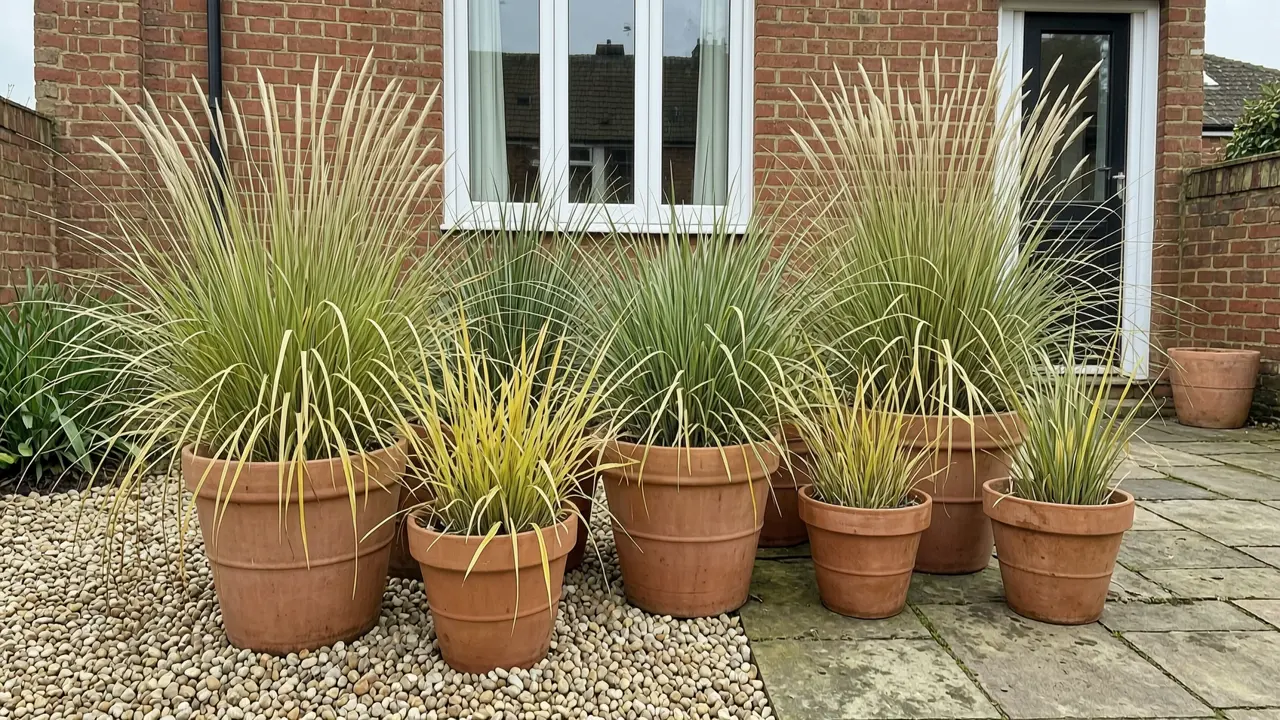 Growing Guide
How to grow ornamental grasses in pots
5 August 2026Grow ornamental grasses successfully in containers with advice on pot size, compost, watering, feeding, winter care and long-term maintenance.
 Growing Guide
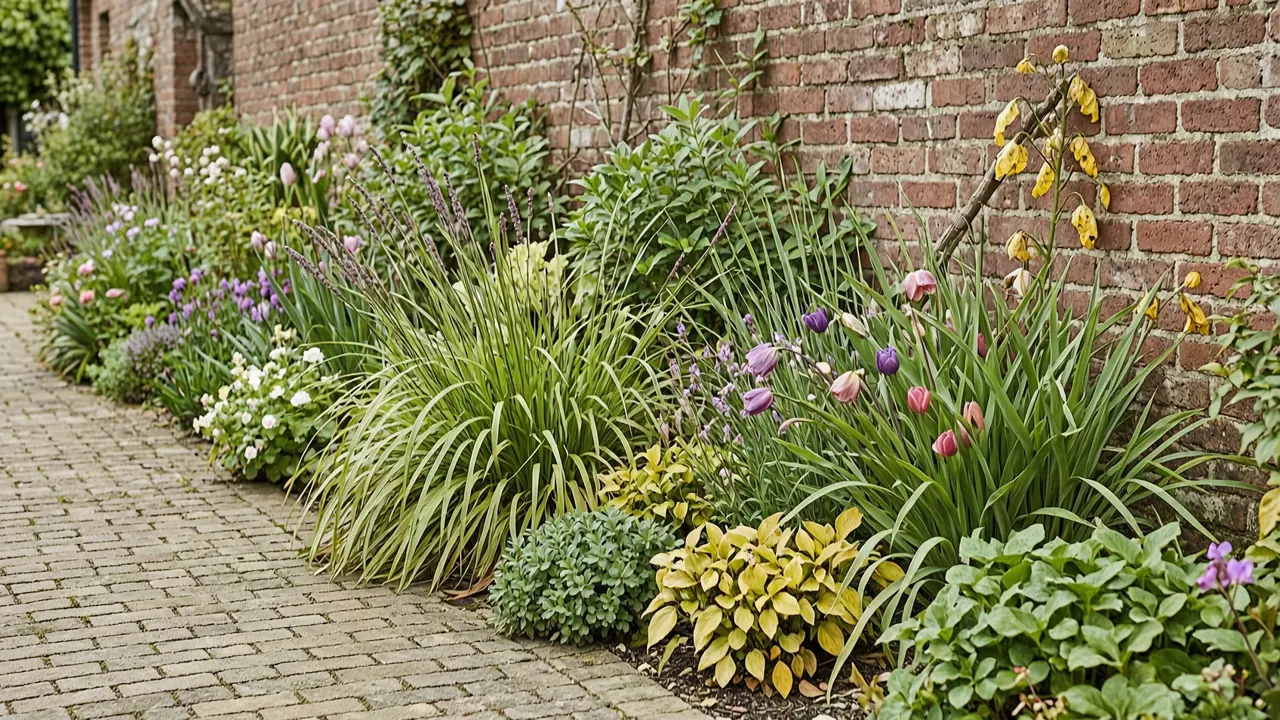
How to plan a perennial border
5 August 2026Plan a balanced perennial border with practical guidance on position, colour, height, spacing, flowering succession and year-round structure.
 Growing Guide
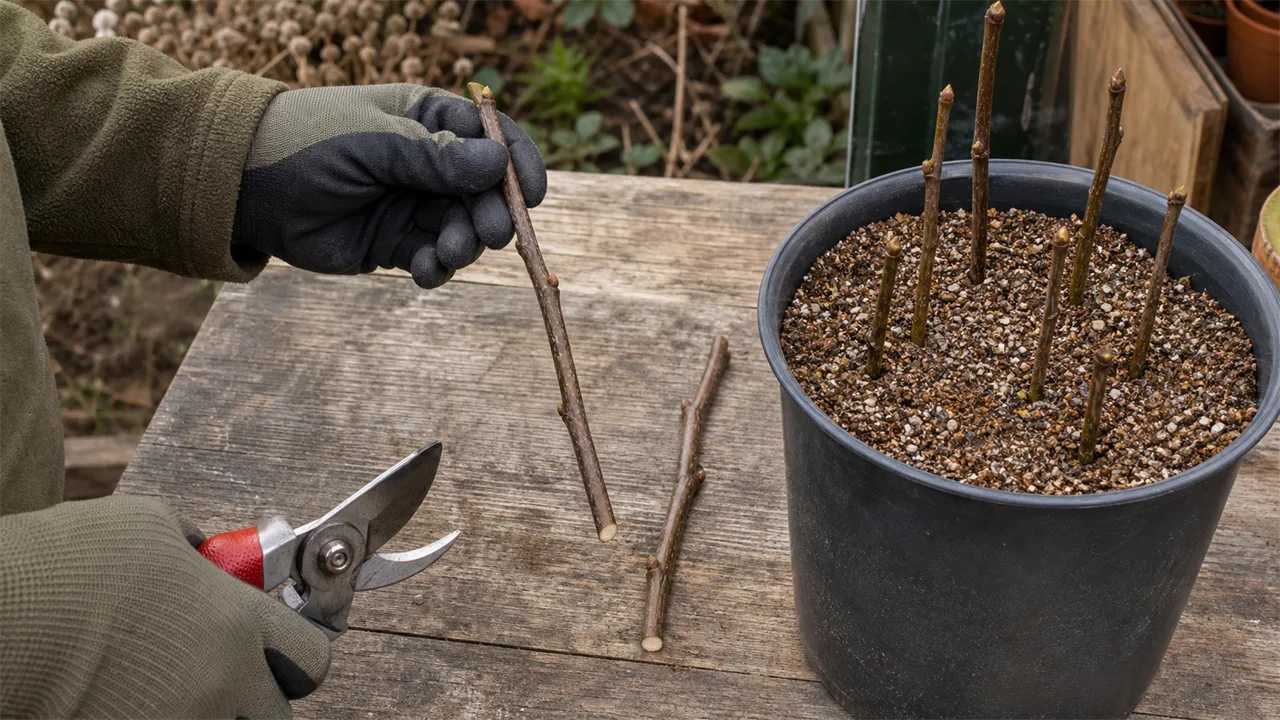
How to take hardwood cuttings
29 July 2026Take hardwood cuttings from suitable dormant shrubs and climbers with this step-by-step guide to timing, preparation, rooting and aftercare.