
Dealing with Slugs and Snails
Slugs and snails are the single biggest reason UK vegetable and flower beds underperform between May and October. A single grey field slug can hollow out a row of dwarf French bean seedlings in one…
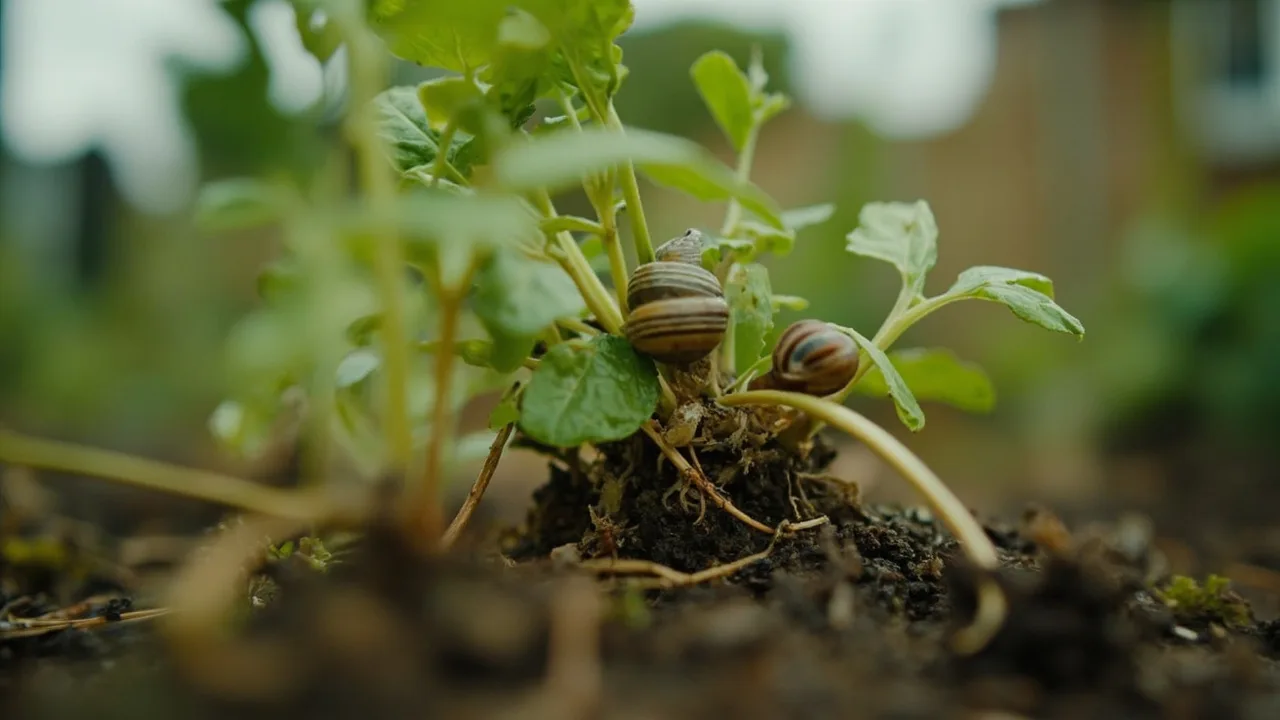
Dealing with Slugs and Snails: a UK grower's guide
Slugs and snails are the single biggest reason UK vegetable and flower beds underperform between May and October. A single grey field slug can hollow out a row of dwarf French bean seedlings in one night; a colony of large black slugs under a single hosta can strip the leaves to lace by breakfast. The reason this guide exists is that most UK gardeners fight them with one product, lose, and conclude nothing works. The truth is more practical: a layered approach, started before damage appears and adjusted by season, cuts losses to single-digit percentages.
The high-risk window is mid-spring through early autumn, with peak pressure in warm, wet weather — typically May, June, September and the warm spells in October. In a damp UK summer, slugs breed continuously and a single adult lays several hundred eggs in a season, hidden in soil cracks and under pots. Acting in late March or early April, before the first generation matures, is far easier than rescuing a garden in July.
What you'll need
- A headtorch and a torch, or a decent kitchen lamp, for night patrols.
- A bucket or wide-necked jar with 2–3 cm of salty water or soapy water in the bottom.
- Heavy-duty gloves (large black slugs are slimy and some gardeners prefer not to handle them).
- Copper tape (5 cm wide) or self-adhesive copper rings for pots, around £6–£10 for 4–5 m.
- Wool pellets (e.g. 100% sheep's wool, sold in 1 kg and 5 kg bags covering roughly 4 m² and 20 m²). Slug-deterrent wool pellets swell into a mat that slugs dislike crossing.
- Crushed horticultural grit or coarse seaweed meal for mulching vulnerable beds.
- Ferric phosphate slug pellets (the pet- and wildlife-safe type, used under the trade name Sluggo in the UK, and others). A 500 g pack covers roughly 200 m² at the scatter rate. Metaldehyde pellets are banned in the UK since 2022 for outdoor use — do not buy or use them.
- A length of old carpet, a piece of black plastic sheet, or an upturned grapefruit half — for trapping.
- Optionally: nematodes (Phasmarhabditis hermaphrodita), sold as Nemaslug and similar. A 100 m² pack costs around £25–£30 and needs a refrigerator for storage between orders and use.
For an allotment-sized plot (around 250 m² of beds), a sensible starter kit is: one pack of ferric phosphate pellets, one 5 kg bag of wool pellets, a roll of copper tape, a 100 m² pack of nematodes, and a headtorch. Budget roughly £60–£80 and you can cover a full season.
Step-by-step: a layered defence
The order matters. Build the layers in early spring, not mid-summer when you're already losing plants.
- Clear shelter sites in late March. Slugs and snails spend daytime hours in damp, dark cover. Remove: stacked pots, old bits of timber, weeds with thick rosettes (dock, plantain), and dense ground cover right next to vulnerable beds. Leave rough wild areas at least 2–3 m away from your most precious plants — slugs in a wild patch are fine; slugs in your seedbed are not.
- Improve drainage and reduce surface moisture. Heavy clay that stays wet on the surface is slug paradise. Top-dress beds with 2–3 cm of well-rotted garden compost in spring, and where practical raise beds 15–20 cm above surrounding ground. A simple raised bed built from four scaffold planks holds roughly 200 L of top-dressing per square metre, which is enough to shift surface drying by a week in a wet June.
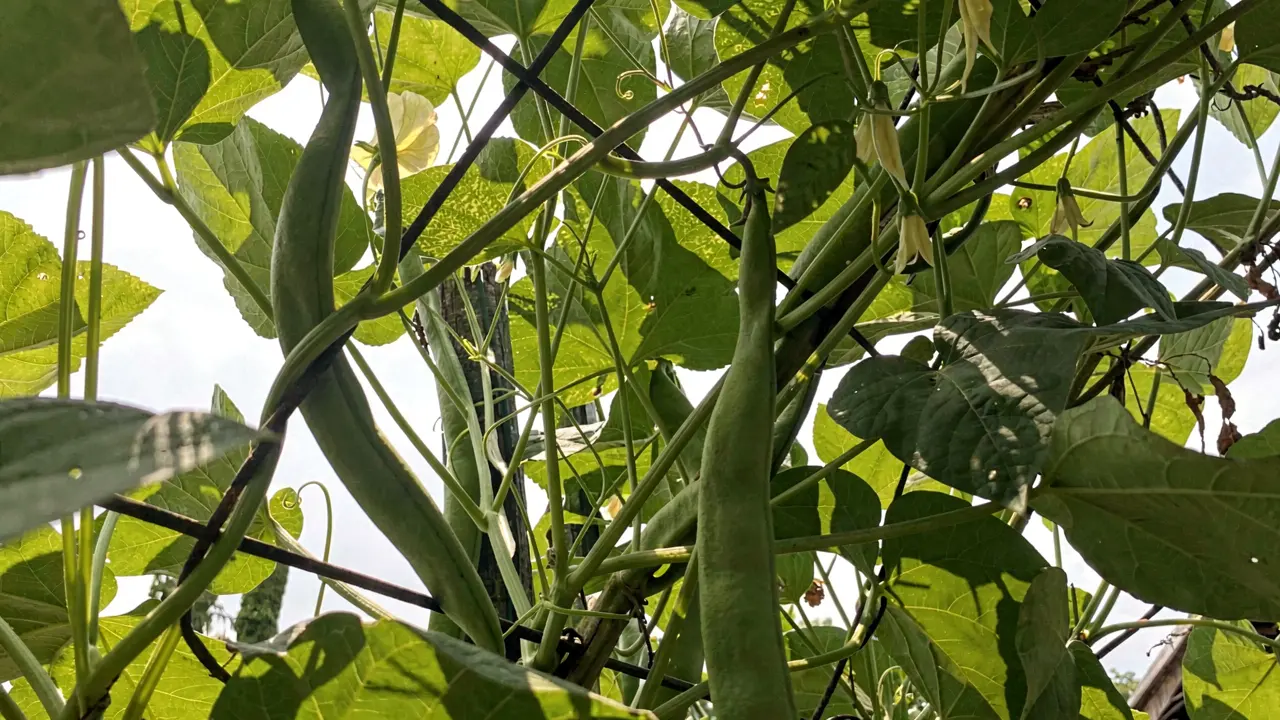
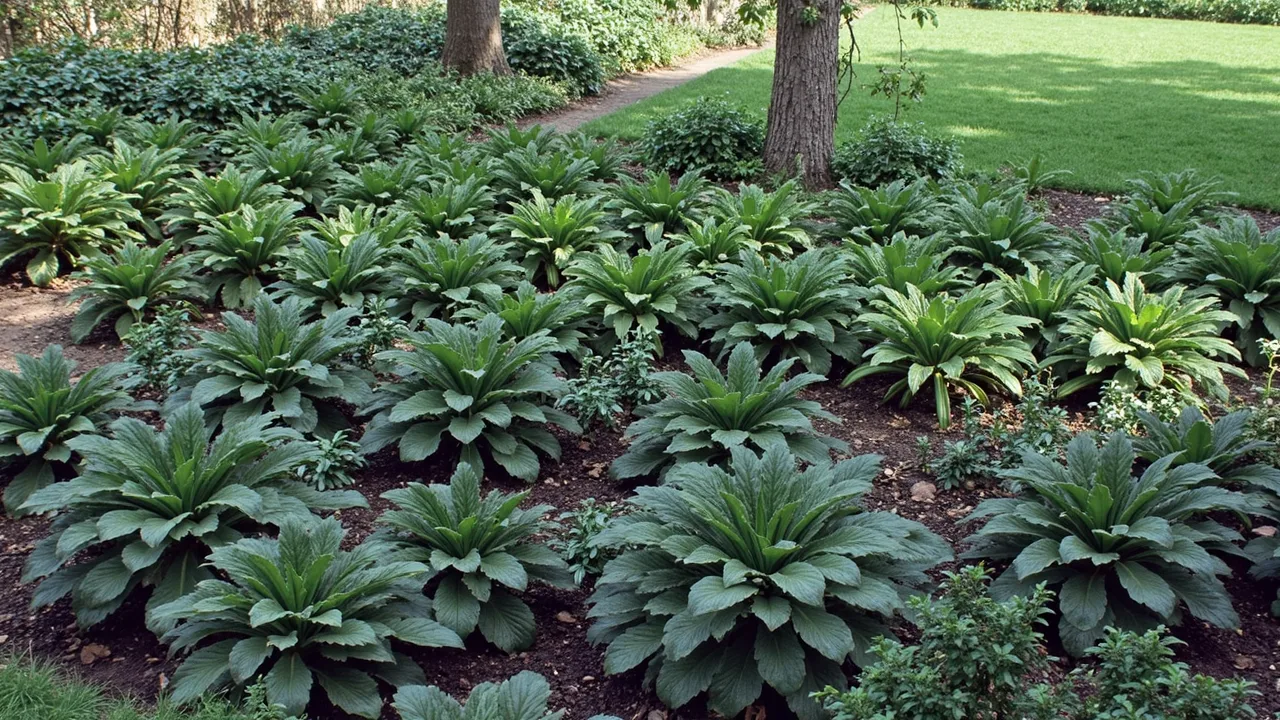
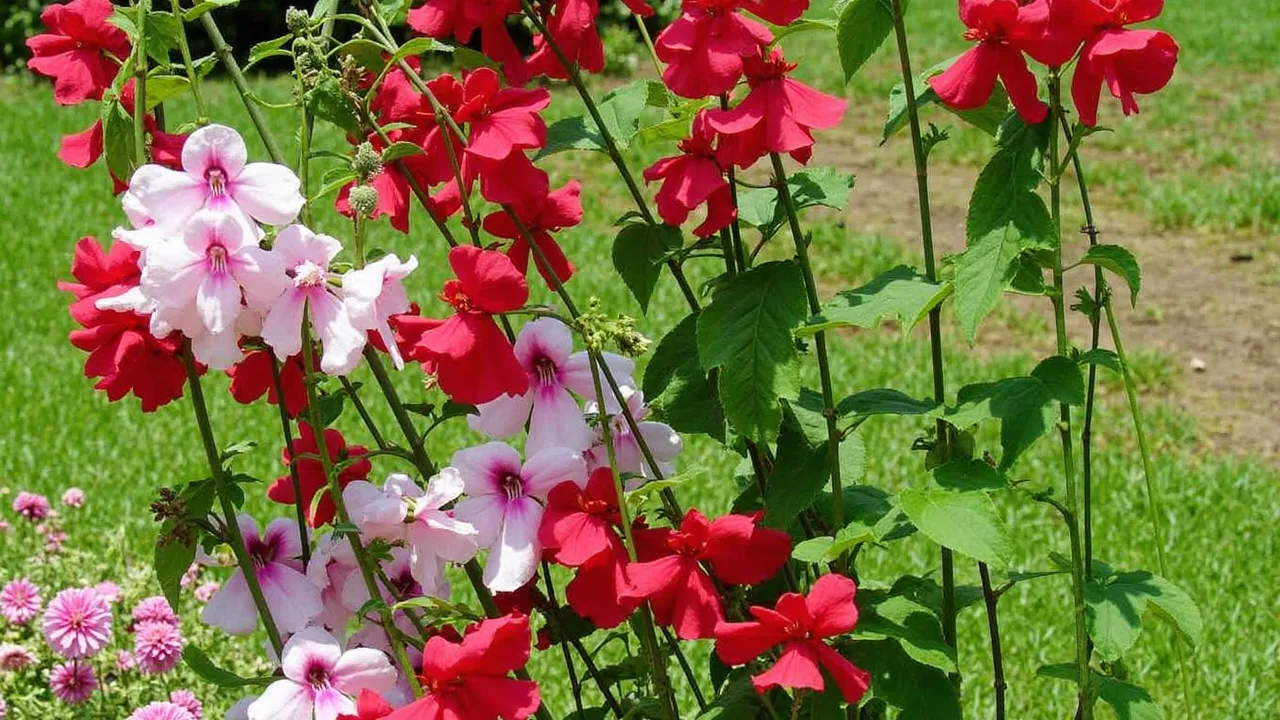
- Protect vulnerable plants at sowing or planting out. Hostas, delphiniums, lupins, dahlias, sweet peas, and all brassica seedlings need protection from day one. For pots: a copper ring at the base. For beds: a 5–10 cm wide barrier of wool pellets or crushed horticultural grit around the plant, refreshed after heavy rain.
- Apply ferric phosphate pellets at the label rate, scattered thinly between plants. Around 5–7 pellets per square metre is enough — they work by being eaten, so piling them up wastes money and bait. Re-apply after prolonged heavy rain. Expect to use 500 g over roughly 4–6 weeks on a typical allotment.
- Hand-pick in the first hour after dark, two or three evenings in a row, in warm damp weather. Headtorch, gloves, bucket. You'll clear 60–80% of the active population in one session and break the breeding cycle. Repeat weekly during peak months.
- Set traps in problem areas. Lay an upturned grapefruit half, a piece of old carpet, or a square of black plastic on damp soil. Lift it the next morning, collect the slugs underneath, and dispose. Move traps every few days so they keep working.
- Use nematodes in late spring or early autumn when soil temperature is consistently above 5 °C and below 20 °C. Best window in most of England: mid-April to early June, and again in September. Apply in the evening after rain or watering, water the area in well, and keep the soil moist for 7–10 days afterwards. Nematodes are most cost-effective on veg beds and hosta clumps, less so on dry, free-draining borders.
- Encourage natural predators. A garden with thrushes, hedgehogs, ground beetles, and frogs will host 30–50% fewer pest slugs. Leave a 30 cm gap at the base of fences so hedgehogs can pass through, add a small log pile in a shaded corner, and avoid spreading slug pellets along hedgehog patrol routes (use wool pellets in those spots instead).
Common mistakes UK gardeners make
- Treating the whole garden as one battle. A greenhouse bench and a shady north-border do not need the same approach. Localise effort to high-value and high-risk spots.
- Scattering pellets by the handful. Ferric phosphate works as a feed-through poison. Heavy piles get ignored, waste active ingredient, and — in the case of older metaldehyde products — were the route by which dogs and hedgehogs were poisoned. Old metaldehyde stock should be taken to a household waste site, not put in the bin.
- Watering at dusk in summer. Wetting the soil surface right before night primes the garden for slug activity. If you need to water in dry spells, do it in the morning.
- Mulching with straw or bark right next to vulnerable stems. Mulches hold moisture and hide slugs. Keep a 10 cm mulch-free ring around hosta, dahlia, and brassica stems.
- Planting out tender seedlings too early. A cold frame-hardened bean or sweet pea planted in early May, when soil is still cold and slug appetites are low, beats a rushed planting in late May when slugs are in full swing. Soil temperature of 12 °C is a reasonable threshold for tender veg.
- Assuming one method has failed after three days. Ferric phosphate pellets take 3–5 days to reduce slug numbers noticeably; nematodes take 7–10 days. Both work — both are slower than the homeowner's patience.
Troubleshooting
- Seedlings disappear overnight, no slime visible. Most likely slugs, not birds. Snipped-at-soil-level stems are slug; torn leaves are usually birds or caterpillars.
- Slug damage on plants surrounded by a copper ring. Check that the ring has no leaves bridging over it (a leaf touching outside the ring is a slug motorway) and that the ring is at least 5 cm tall, sitting flat against the soil with no gap.
- Pellets seem to have no effect at all. They may have been applied too thickly (slugs ignore piles), washed away, or be out of date. Ferric phosphate pellets have a shelf life of around 2 years if kept dry.
- Damage concentrated in one corner of the garden. Look up — a damp compost heap, a downpipe soakaway, or a neighbouring unmaintained plot is the likely source. Fix the moisture problem and the slug pressure drops within a fortnight.
- Nematodes didn't work. Almost always: soil too cold, too dry, or applied in bright sun. Re-check the soil thermometer and the 7–10 day watering plan.
Timing summary for the UK
- March–early April: clear shelter, top-dress beds, set up barriers on vulnerable perennials as growth emerges.
- Mid-April to early June: first nematode application window; sow and plant out with protection in place.
- July–August: hand-pick, trap, top up pellets after rain. Avoid new nematode applications in heatwaves above 20 °C.
- September: second nematode window; late-season veg (winter brassicas, salads) need protection from the autumn generation.
- October–November: final clearing, removal of dense ground cover, and rough-dig beds if you have clay, so winter frosts break clods and expose slug eggs to birds.
A garden with no slugs is not realistic in the UK. A garden where slugs take 5% of what you grow, rather than 50%, is achievable in a single season with a layered plan started in spring. Stick with the routine, adjust by weather, and the second year is markedly easier than the first.
Plants in this guide
Recommended Products
GardenWizz earns a commission from qualifying purchases made through affiliate links on this page (including links within the article) — as an Amazon Associate, and from Thompson & Morgan via the Awin network. This does not affect the price you pay. See our disclaimer for details.
Related Articles
More →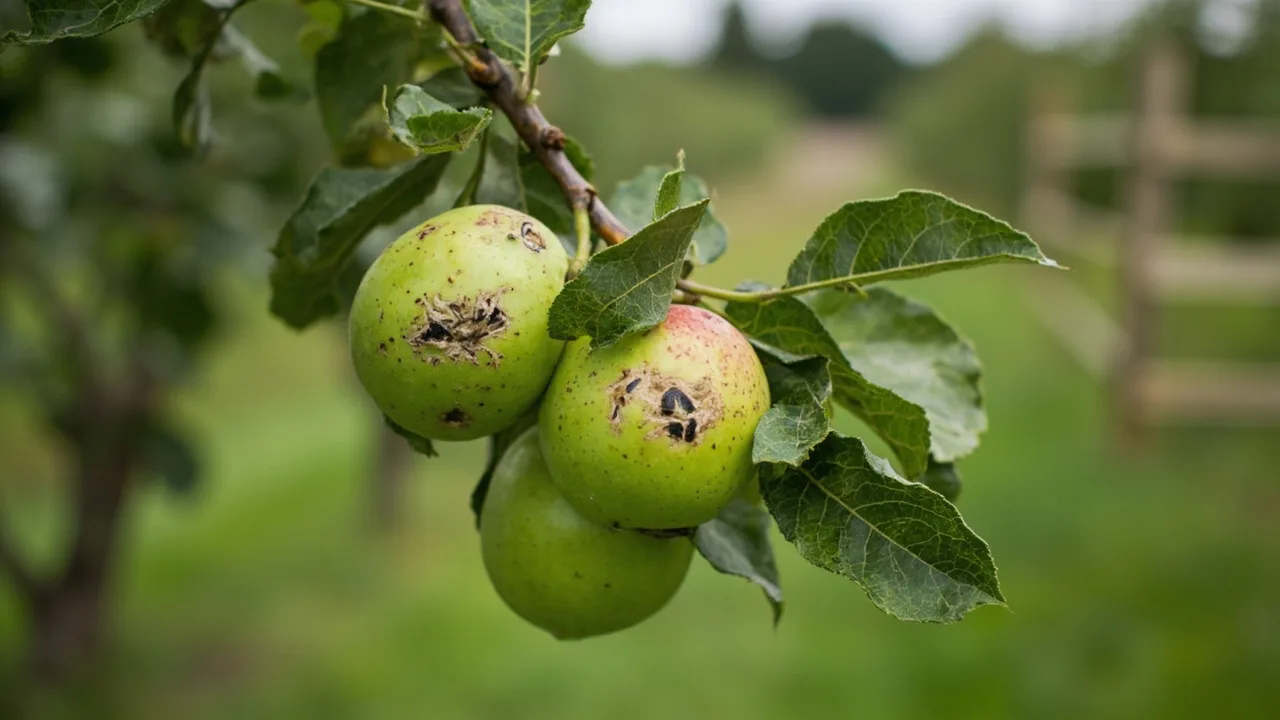 Problem Solver
Apple Scab: How to Identify and Treat It
22 July 2026Apple trees in your garden can be a source of joy, but apple scab can turn your harvest into a disappointing mess of distorted, blackened fruit. This common fungal disease, caused by Venturia…
 Problem Solver
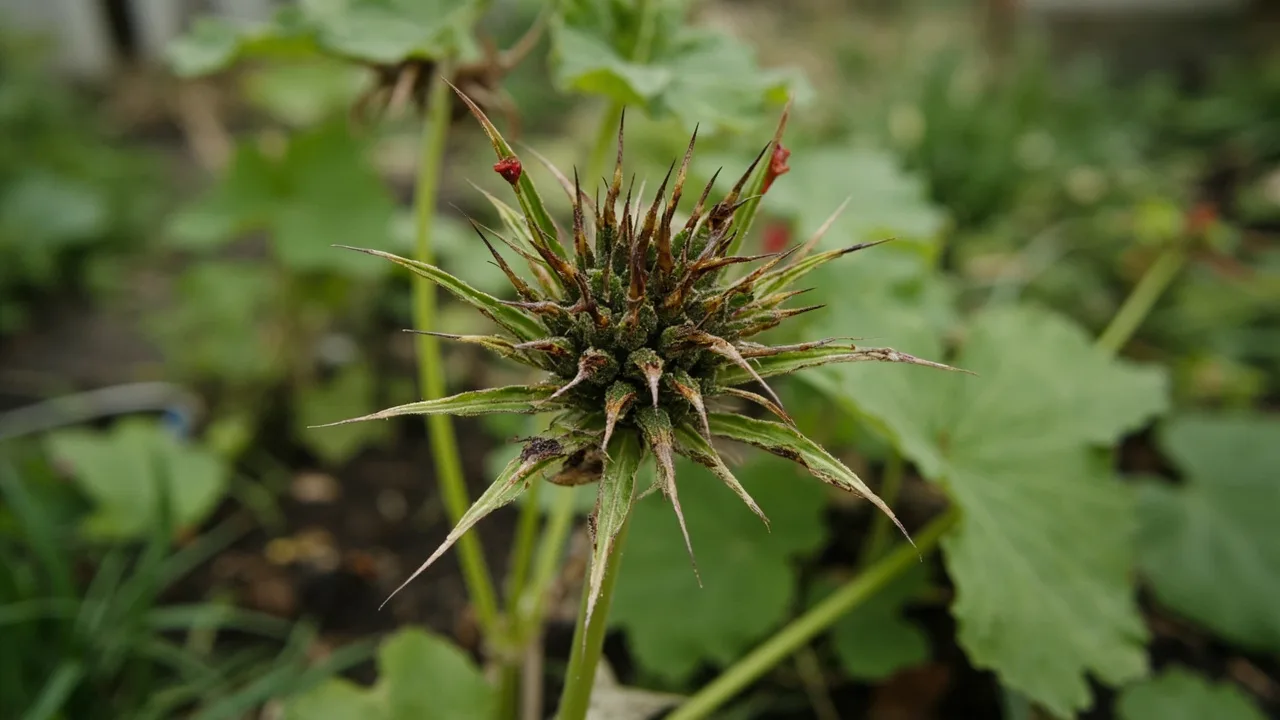
How to Get Rid of Burdock
21 June 2026Lesser burdock (Arctium minus) is a large biennial weed of UK hedgerows, waste ground and the neglected corners of gardens. In its first year it builds a broad rosette and a deep taproot; in its…
 Problem Solver
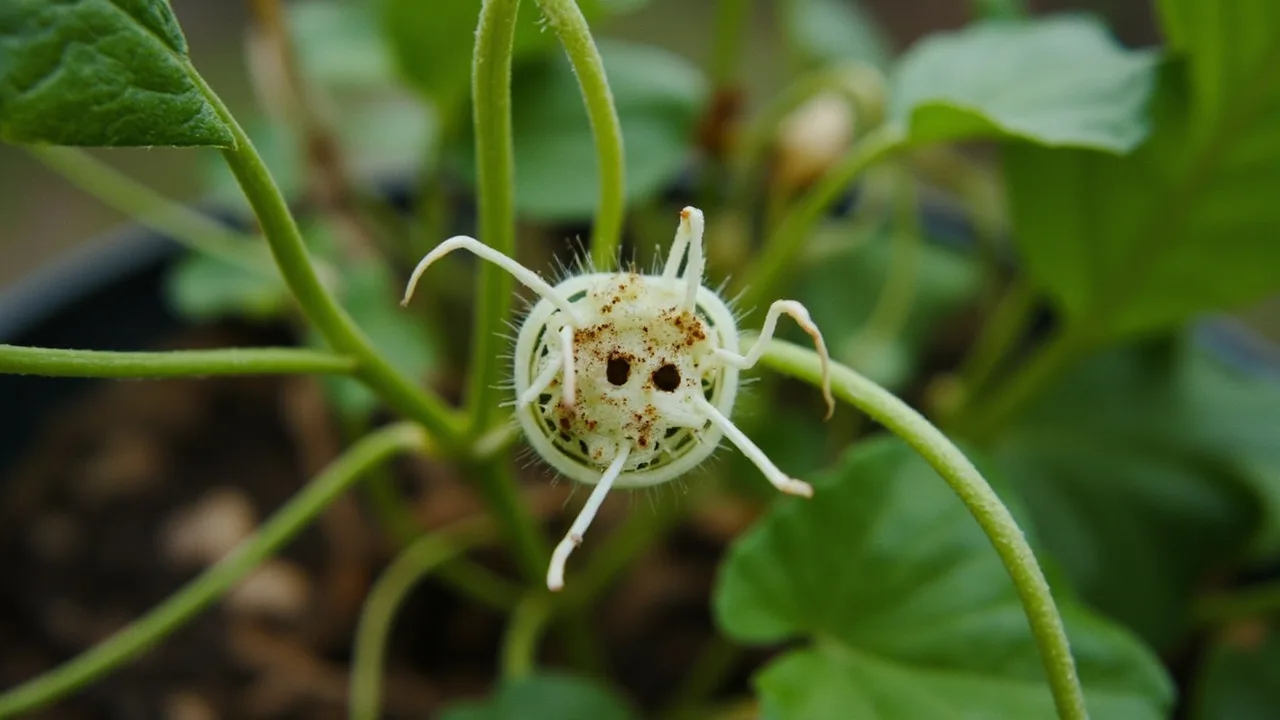
How to Get Rid of White Bryony
21 June 2026White bryony (Bryonia dioica) is a fast-growing perennial climber found scrambling through UK hedges, fences and shrubs, mainly in England. It is Britain's only native member of the cucumber family,…