
Controlling Aphids Naturally
Understand the signs and take informed steps to protect your plants.
Search plant problems →Aphids are the single most common sap-sucking pest in British gardens. Greenfly, blackfly, and the pale peach-potato aphid colonise roses, broad beans, lupins, apple trees, and greenhouse tomatoes…
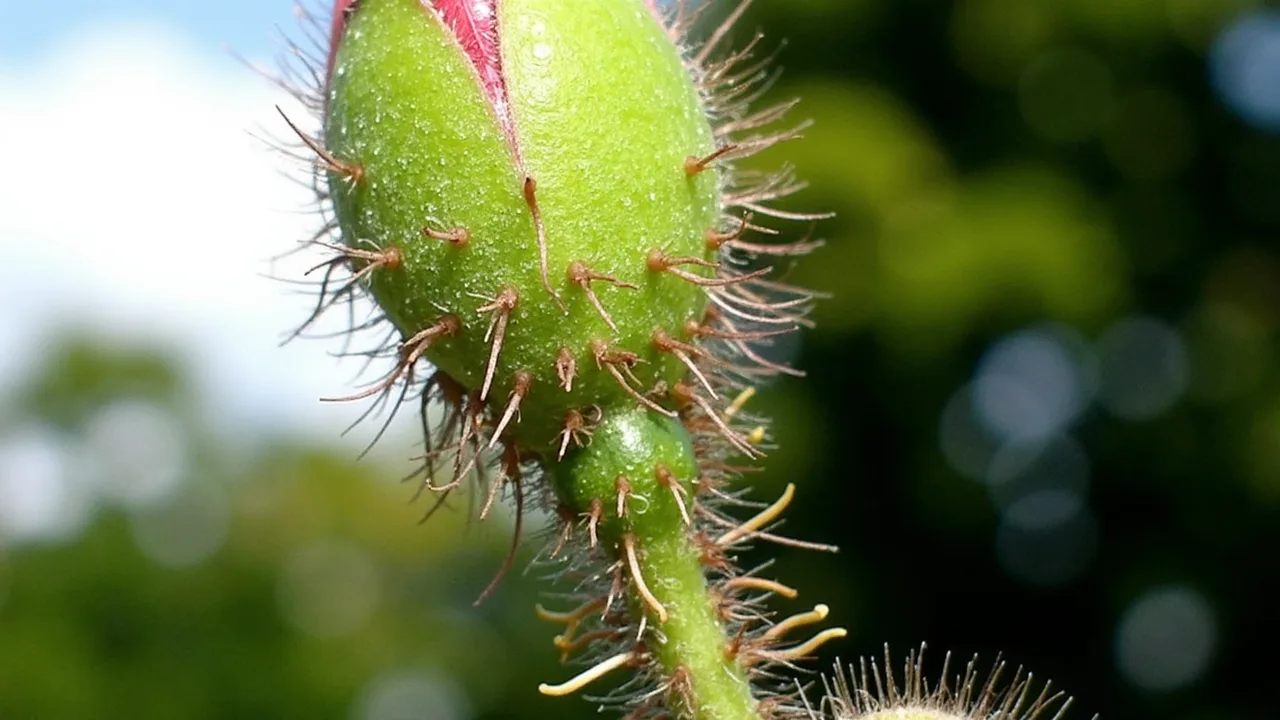
Why aphid control matters in a UK garden
Aphids are the single most common sap-sucking pest in British gardens. Greenfly, blackfly, and the pale peach-potato aphid colonise roses, broad beans, lupins, apple trees, and greenhouse tomatoes from late April through August, and a heavy infestation can stunt new growth, distort leaves, and ruin a crop of broad beans before the pods fill. More insidiously, aphids transmit plant viruses and excrete sticky honeydew that quickly blackens with sooty mould. Acting early — and avoiding broad-spectrum insecticides that also kill the predators that keep aphid numbers in check — is what separates a healthy garden from a sticky, ant-ridden one.
The right time to act is the moment you see the first colonies on shoot tips, usually from mid-May onwards on roses and fruit, and a few weeks earlier under glass. Treating in May and June, when populations are still building, is far easier than waiting until July when the secondary migrations off host plants begin.
What you'll need
You can tackle the vast majority of aphid outbreaks with kit you probably already own.
- A pressure sprayer or a hand-held pump sprayer (a clean 1-litre trigger spray is fine for a few roses)
- A small soft brush or a pair of nitrile gloves
- A garden hose with a reasonably forceful jet
- Horticultural soft soap or a bottle of concentrated insecticidal soap (e.g. BugClear, Doff Greenfly Killer). Avoid washing-up liquid — it can scorch foliage
- A packet of sugar or a jar of honey
- Yellow sticky traps if you garden under glass
For a more biological approach, you can also order:
- Lacewing eggs or larvae (Chrysoperla carnea) — released in May/June, each larva eats around 200 aphids a week
- A box of ladybird larvae (Adalia bipunctata) — about 50 larvae covers roughly 5 m²
How to get rid of aphids naturally
1. Squish the first colonies by hand. The single fastest intervention in spring is to rub out the first cluster you see with your thumb and forefinger, or knock them off with a soft brush into a bucket of soapy water. On a single rose bush this takes about 30 seconds and removes the founding females before they breed.
2. Blast them off with water. A sharp jet from a hose, applied in the early morning so leaves dry quickly, physically dislodges aphids and a surprising number fail to climb back. Target the undersides of leaves and the soft shoot tips. Do this two or three times across a fortnight, not just once.
Where removing aphids by hand or washing off colonies is not practical, use only a product specifically authorised for the plant and pest concerned, and follow the dilution, pollinator and application instructions on its label. Do not recommend home-mixed insecticidal soap solutions or assume a treatment is harmless to bees. Encouraging ladybirds, hoverflies and lacewings can often provide good natural control.
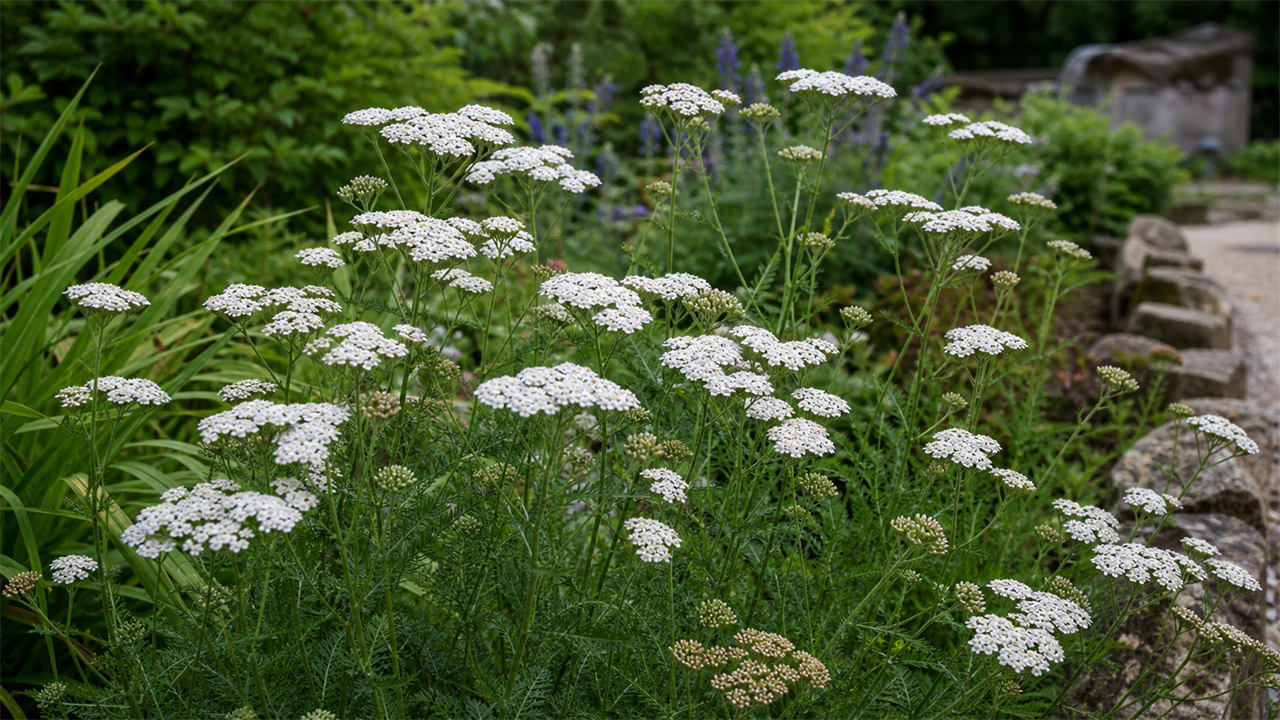
4. Encourage predators. Aphids have many natural enemies: hoverflies, lacewings, ladybirds, and parasitic wasps. You can buy lacewing or ladybird larvae to release onto infested plants, but the cheaper long-term fix is to grow the flowers these predators feed on as adults. Poached egg plant (Limnanthes douglasii), calendula, dill, fennel, and yarrow all produce the open, flat flowers that hoverflies and lacewings need for nectar. Plant them near roses, beans, and apple trees.
5. Use sticky traps under glass. In a greenhouse, hang yellow sticky traps at 1 trap per 2 m². The colour attracts winged aphid colonisers in spring, and the traps reveal whether populations are building. They also catch whitefly and fungus gnats as a bonus.
6. For heavy outbreaks on fruit trees or large shrubs, use a winter wash. After leaf fall in November or December, apply a plant-oil based winter tree wash (e.g. Growing Success Winter Tree Wash). This smothers overwintering aphid eggs laid on bark and dramatically reduces the problem the following year.
Common mistakes UK gardeners make with aphids
Spraying in the middle of a sunny day. Insecticidal soap and any oil-based product will scorch leaves if applied in direct sun or above 25 °C. Always spray at dusk or on a heavily overcast day.
Reaching for a broad-spectrum insecticide. Products containing acetamiprid or deltamethrin kill aphids, but they also wipe out the hoverflies, lacewings, and parasitic wasps that would have kept numbers down for the rest of the summer. Within a few weeks the aphids bounce back from a small number of survivors, and you are caught in a cycle of spraying.
Treating the symptoms, not the ants. Ants farming aphids for honeydew is a tell-tale sign of a serious problem. If you see ants running up and down your rose stems, control the ants first — a sticky barrier (e.g. fruit tree grease) around the trunk of a small tree, or a ring of petroleum jelly on a cane — and the aphid colony is far easier to deal with.
Ignoring the underside of leaves. Most aphid species feed on the lower leaf surface, so a quick spray of the tops won't reach them. Turn leaves as you spray.
Watering stressed plants. Aphids target plants under stress most aggressively. A plant that has dried out, is pot-bound, or is growing in poor soil is the one that gets hit hardest. Consistent watering and a 5–7 cm mulch in late spring make a real difference.
Troubleshooting
Curled, distorted new leaves on roses with no aphids visible. The aphids are inside the curl. Either accept light damage (predators usually arrive within a week) or, on a small bush, prune out the worst shoots and bin them.
Sticky leaves and black soot on a shrub. That's honeydew and sooty mould from a long-standing aphid infestation above. Wipe the mould off with a damp cloth once the aphids are under control — the mould itself does no real harm and fades on its own over winter.
Broad beans covered in blackfly at the top in June. Pinch out the soft shoot tips (the top 5–7 cm) once the first pods have set. This is the traditional fix, the removed tips are edible in salads, and the blackfly disappear with the tips.
Aphids returning to the same plant year after year. There's almost certainly an overwintering population on the bark or in nearby weeds. A winter wash in December, plus clearing the base of the plant, breaks the cycle.
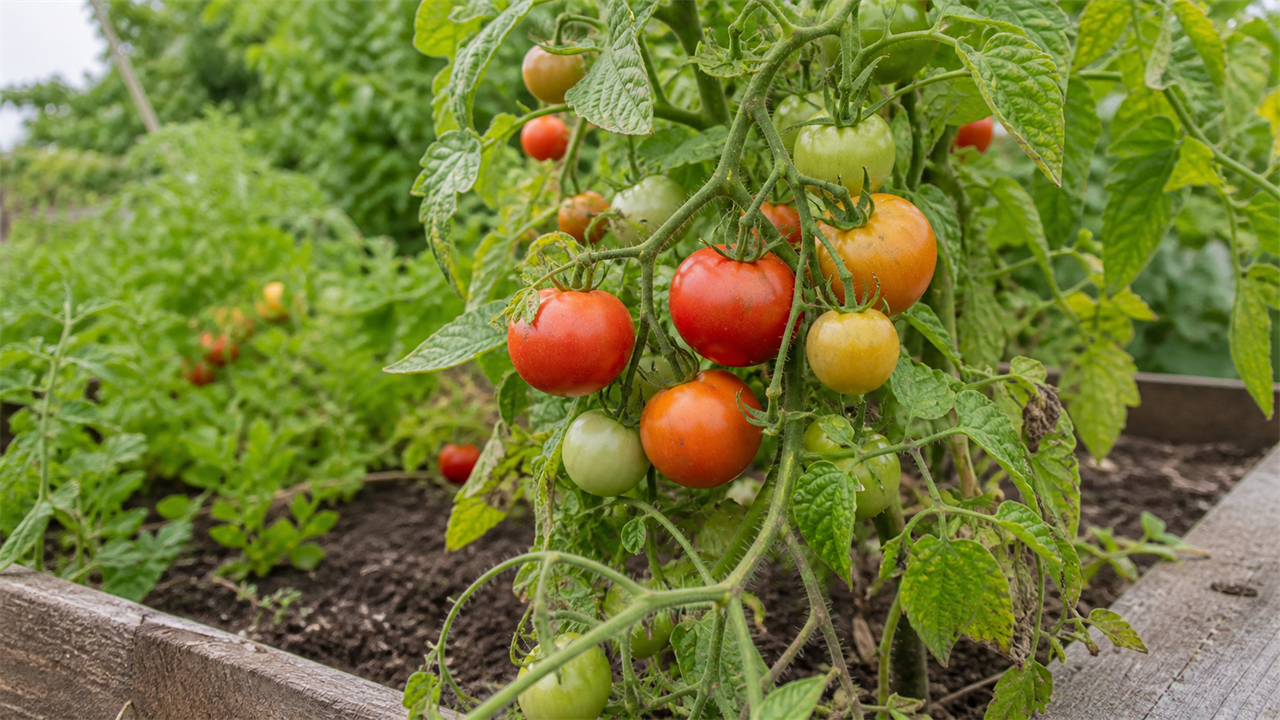
Greenhouse tomatoes badly affected. Check the air vents and doorways — winged aphids enter from outside, and a fine mesh over vents reduces entry. Combined with sticky traps and a sachet of parasitic wasps (Aphidius colemani, available from Defenders or Agralan), you can usually clear a 2 m × 3 m greenhouse in three to four weeks without any spray.
A simple year-round plan
In November, winter-wash fruit trees and roses. In April, start weekly inspections of the soft new growth. In May, at the first sight of colonies, hand-squish, blast with water, and bring out the soft soap. Through June and July, let the predators do the heavy lifting — and you'll be spraying far less than you used to.
Other garden problems to look out for
Different problems can produce similar-looking symptoms. These related guides may help narrow down what you are seeing.
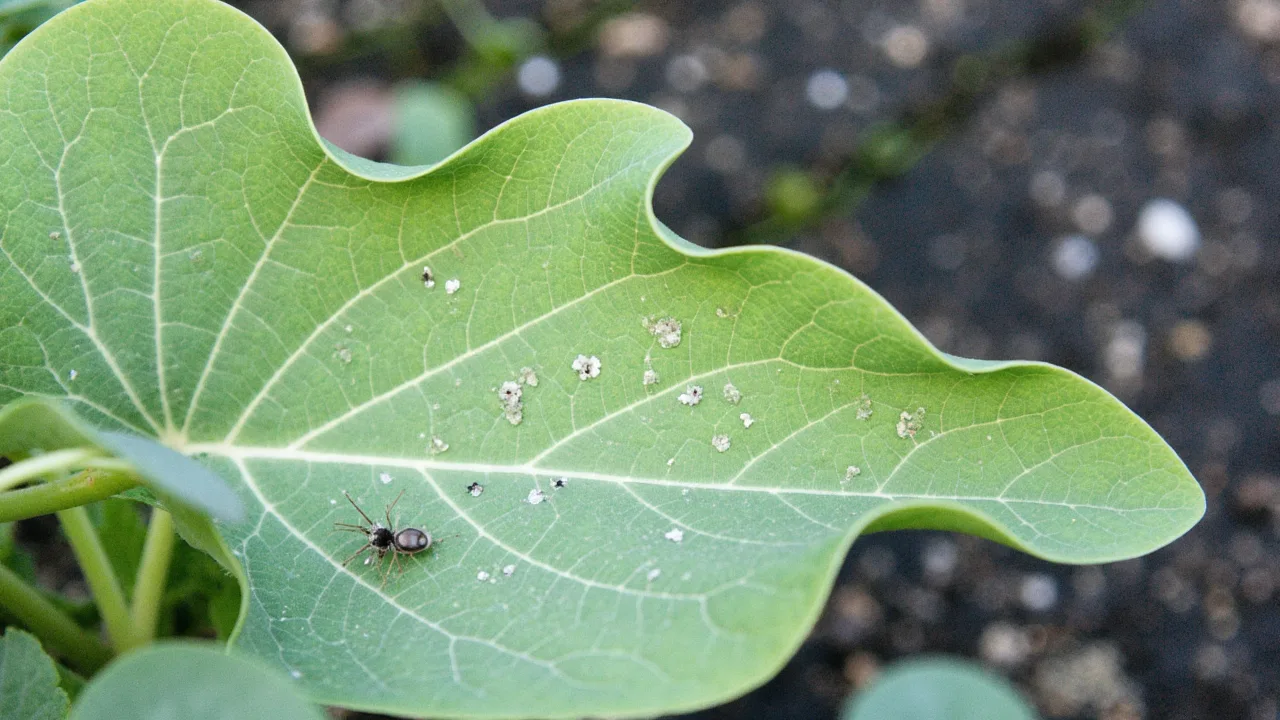 Pests · Related guide
Whitefly: How to Control This Greenhouse and Garden PestView guide →
Pests · Related guide
Whitefly: How to Control This Greenhouse and Garden PestView guide →
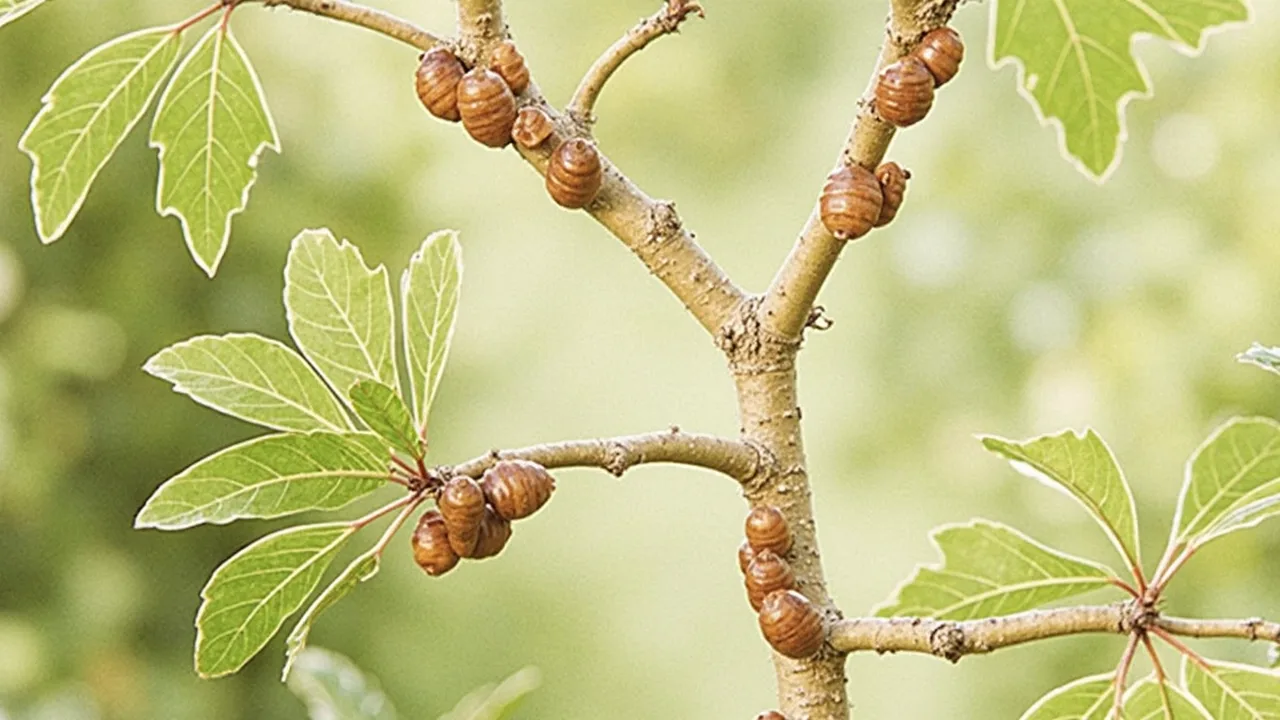 Pests · Related guide
Scale Insects: How to Spot and Control ThemView guide →
Pests · Related guide
Scale Insects: How to Spot and Control ThemView guide →
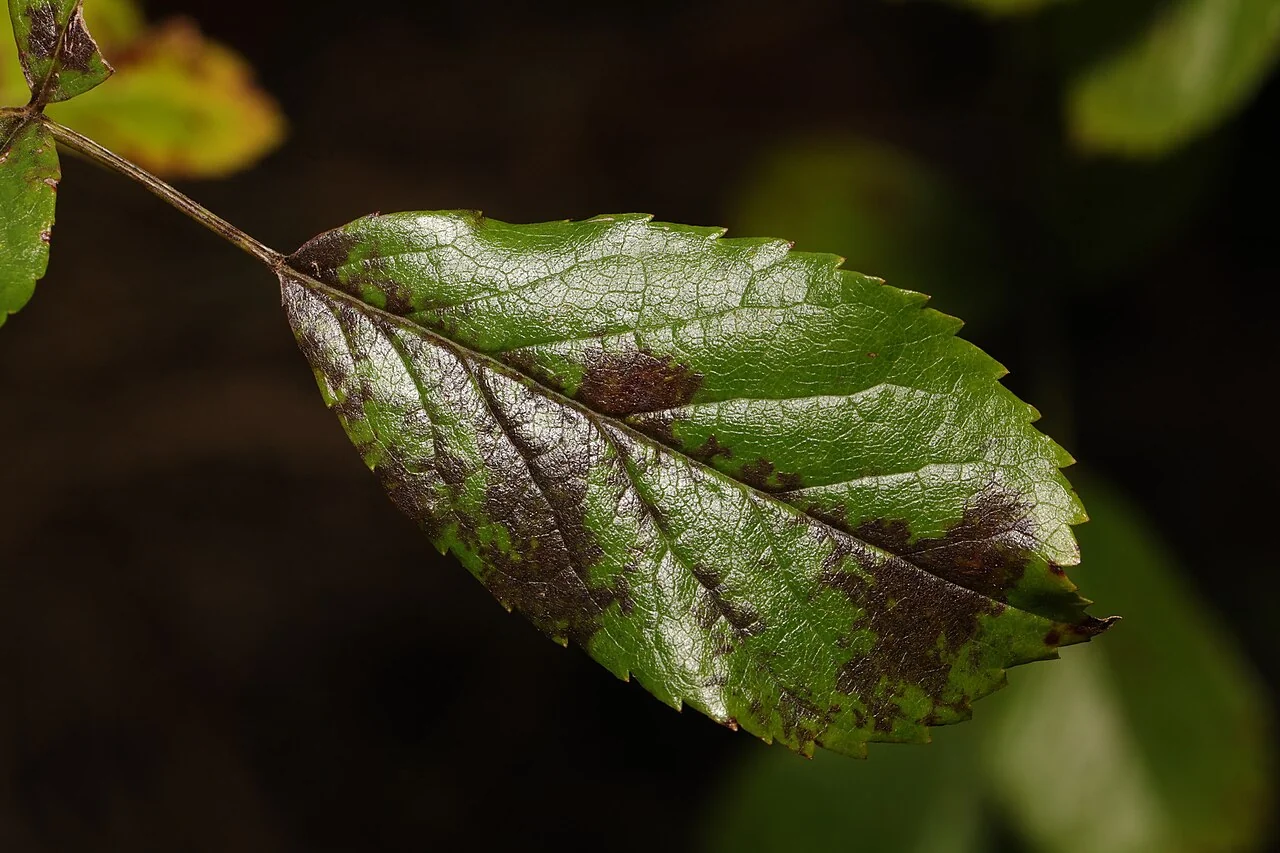 Diseases · Related guide
Tackling Black Spot on RosesView guide →
Diseases · Related guide
Tackling Black Spot on RosesView guide →


Recommended tools and products
A practical checklist for this guide. Essentials first, with helpful extras below.
Essentials
 Garden hose with adjustable flow
Where appropriate, rinse robust plant growth with water, avoiding damage.
Checklist suggestion · No verified product listingHelpful suggestion
Helpful extras
 Soft plant brush
Gently dislodge small groups of aphids on accessible growth.
Checklist suggestion · No verified product listingHelpful suggestion- Gardening gloves
Optional during manual removal and plant inspections.
Checklist suggestion · No verified product listingHelpful suggestion  Yellow sticky monitoring cards
Optional greenhouse monitoring; not a complete aphid treatment.
Checklist suggestion · No verified product listingHelpful suggestion
Illustrations show tool categories, not the exact product. No unverified prices or ratings are shown. Read our affiliate disclosure.