
How to grow ornamental grasses in pots
Grow ornamental grasses successfully in containers with advice on pot size, compost, watering, feeding, winter care and long-term maintenance.
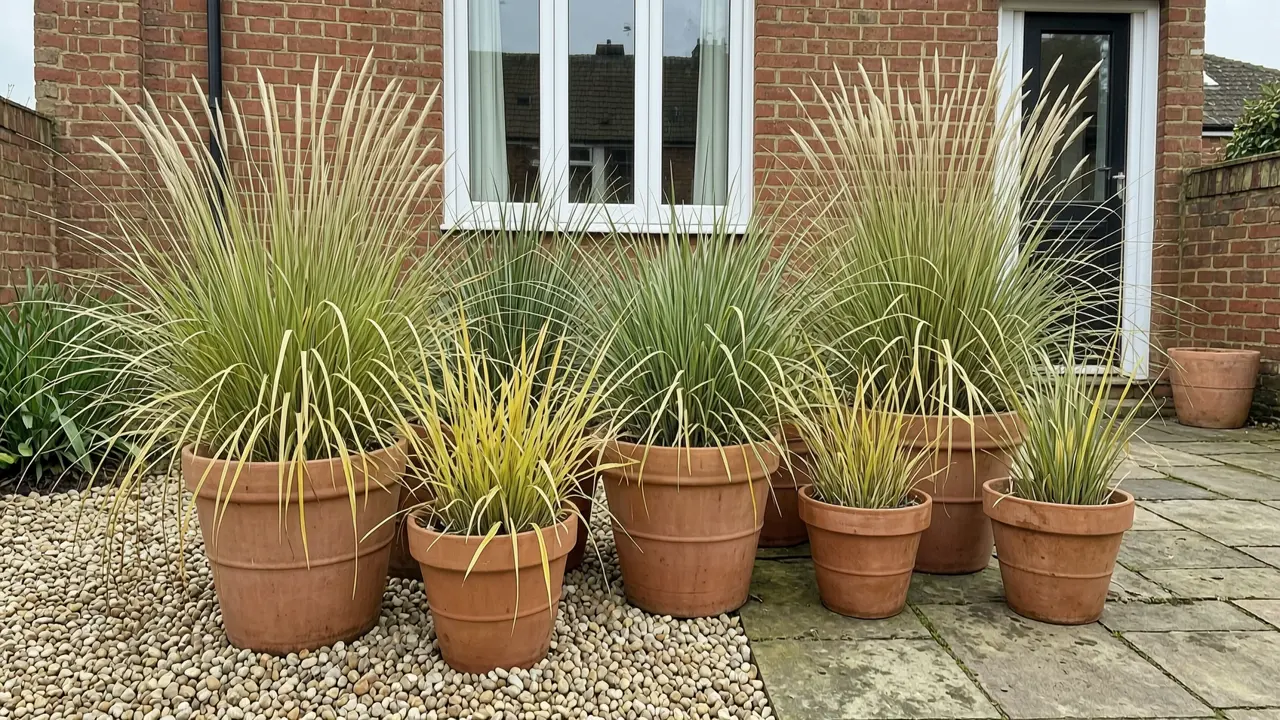
Ornamental grasses bring movement, sound and year-round structure to a UK patio, and most of the popular species adapt very well to containers. The trick with grasses in pots is matching the plant to the pot size, using a free-draining loam-based compost so the crown does not rot in wet winters, and watering well through the first summer while the roots establish. This guide covers the best grasses for pots in the UK, how to plant them, how to look after them through the year, and how to keep them thriving when they outgrow their container.
Overview
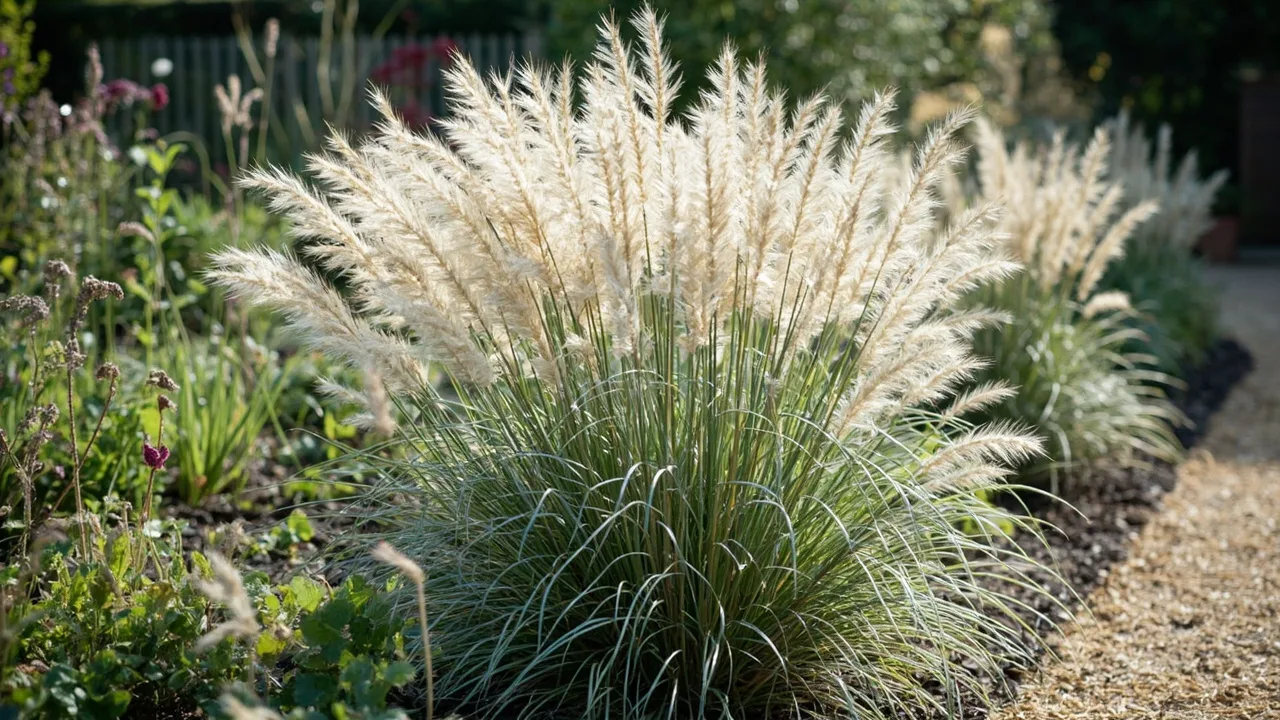
The grasses that grow best in UK containers are the smaller, clump-forming species and their cultivars: Stipa tenuissima, Festuca glauca, Carex oshimensis 'Evergold', Carex morrowii, Hakonechloa macra, Imperata cylindrica 'Rubra', and compact Miscanthus such as Miscanthus sinensis 'Little Kitten' or 'Morning Light'. Larger Miscanthus and Pampas grass (Cortaderia selloana) can be grown in very large containers but need frequent watering and a stout pot to keep them stable in wind. Tender grasses such as the purple fountain grass (Cenchrus setaceus, formerly Pennisetum setaceum) are also fine in pots and brought under cover for winter.
What You'll Need
- A frost-proof container with drainage holes — terracotta, glazed ceramic, fibre-clay or treated wood.
- Crock (broken pot pieces or coarse gravel) for the drainage layer.
- Loam-based compost such as John Innes No. 2, with added grit for drainage-hating species like Stipa and Festuca.
- Slow-release fertiliser, or a liquid feed through the growing season.
- A hand fork, watering can with a fine rose, and sharp shears for the annual tidy.
When to Do It
Plant grasses in pots in spring (April–May), once the worst frosts have passed and the new growth is starting to push up. Spring planting gives the roots a full growing season to establish before the first winter, which is the most dangerous time for a newly potted grass. You can also plant in early autumn (September), particularly in milder parts of the UK, but be ready to protect the pot from prolonged winter wet. Avoid planting in high summer because new transplants in pots cannot be kept moist enough to establish reliably.
Step-by-Step
1. Choose the right pot
Match the pot to the grass at its mature size, not the size you buy it at. As a rule of thumb, a grass expected to reach 60 cm tall and 45 cm wide needs a pot at least 30 cm in diameter; a grass expected to reach 1 m tall and 60 cm wide needs a pot at least 40 cm in diameter. Tall Miscanthus and Cortaderia need 50 cm or larger pots and a heavy base to keep them stable in winter gales. Whatever the size, the pot must have drainage holes — ornamental grasses in pots without drainage rot within a year.
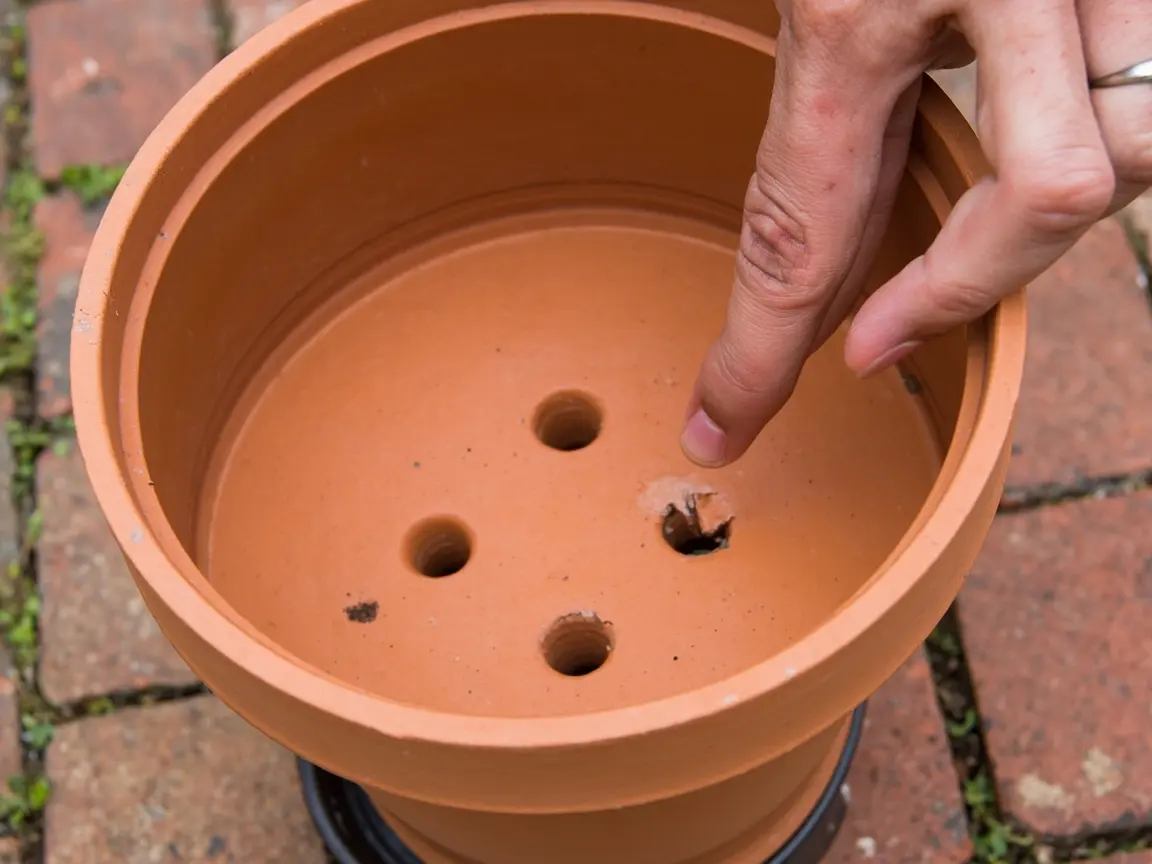
2. Crock and fill the pot
Cover the drainage holes with a layer of crocks (broken pot pieces, coarse gravel or polystyrene pieces) about 2–3 cm deep, to stop the compost washing out and blocking the holes. Then fill the pot to about two-thirds with loam-based compost mixed with a handful of grit for drainage-loving species. For Festuca, Stipa and other plants that rot in winter wet, use a mix of two-thirds John Innes No. 2 and one-third coarse grit.
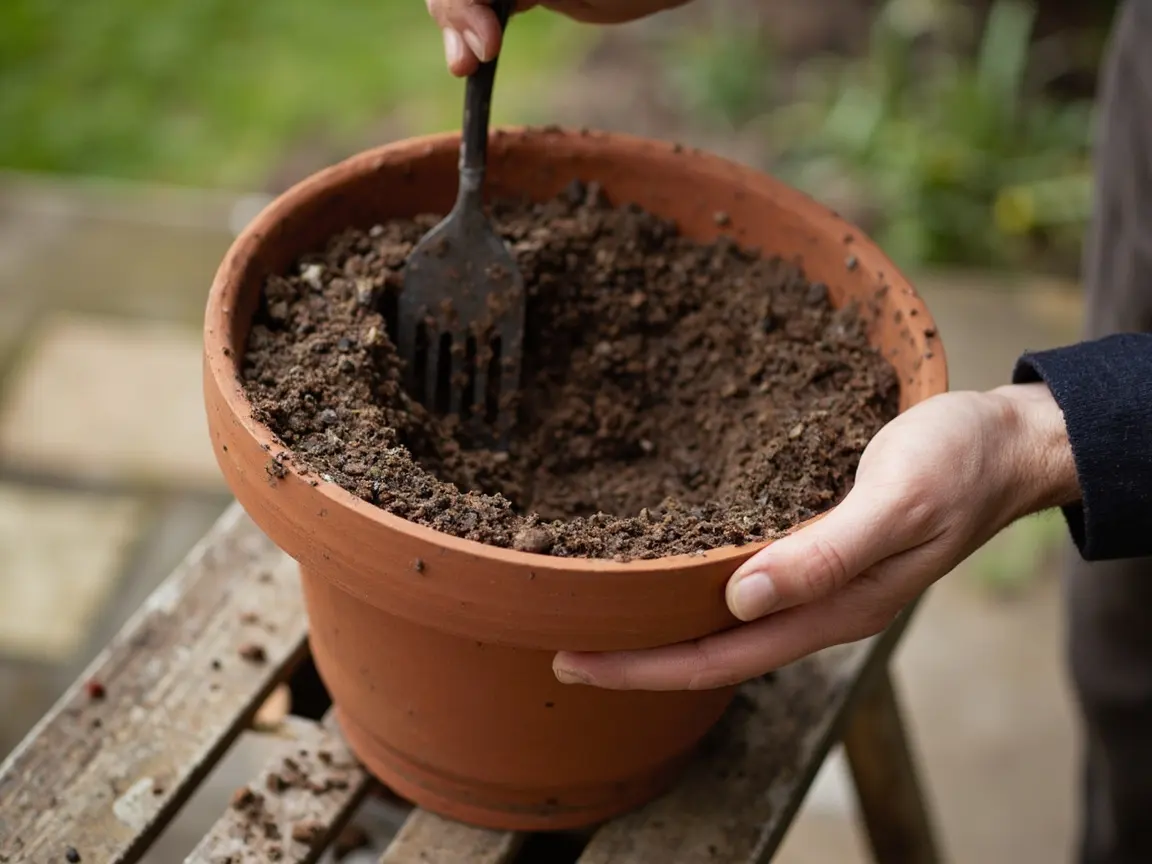
3. Plant at the right depth
Tease out the roots if they are tightly coiled, and set the plant so the top of the rootball sits about 2 cm below the rim of the pot to leave room for watering. Backfill with compost, firm gently with your fingertips, and water in well so the compost settles around the roots. Top up with more compost if the level drops after watering.
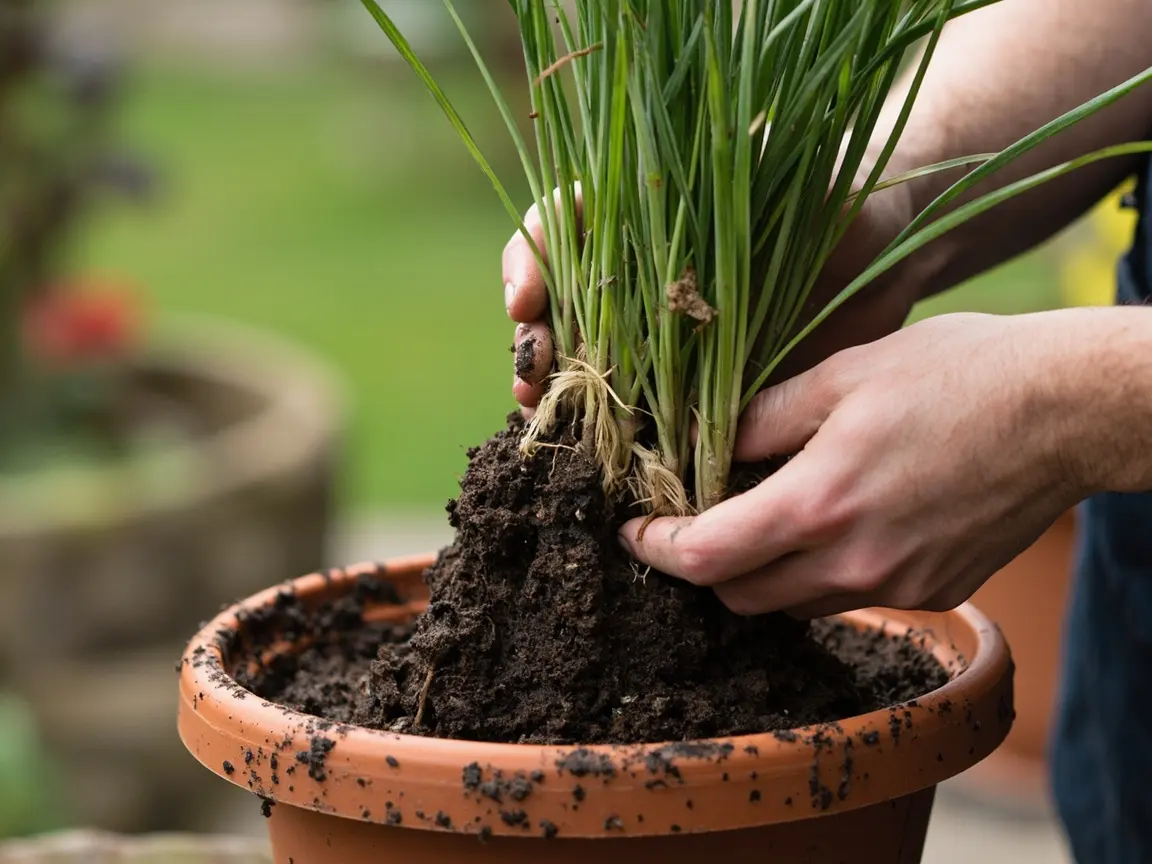
4. Position in the right place
Most ornamental grasses for pots want as much sun as you can give them — at least six hours of direct sun in midsummer for Stipa, Festuca, Miscanthus and Imperata. Carex, Hakonechloa and Luzula tolerate light shade and are the better choice for a north-facing or shaded patio. Avoid draughty spots where the foliage will be shredded by winter wind, particularly for the larger Miscanthus and Cortaderia.
5. Water through the first summer
Pots dry out much faster than the open ground, and a grass that dries out completely in its first summer often dies. Water deeply two or three times a week in dry weather for the first growing season, then ease back. Established grasses in pots cope with normal UK summers if the pot is large enough and the compost is loam-based; smaller pots may need daily watering in heatwaves.
6. Feed and top-dress each spring
Each spring, scrape off the top 2–3 cm of old compost and replace it with fresh loam-based compost mixed with a little slow-release fertiliser. This refreshes the nutrients in the pot without the disturbance of full repotting. Liquid feeding (tomato feed, diluted as the label says) every fortnight through the growing season is an alternative for vigorous grasses in large pots.
Aftercare
The annual tidy happens in late February or early March for deciduous species (Miscanthus, Imperata) — cut the old foliage back to within 5–10 cm of the base. For evergreen grasses (Stipa, Festuca, Carex, Hakonechloa), comb out the dead leaves with your fingers or a hand fork in mid-spring. Repot into a larger container every two to three years, or split the clump in spring and replant one half in the same pot with fresh compost. Watch for vine weevil grubs in the compost of pot-grown grasses; inspect at repotting and treat with biological nematodes if found. Move tender grasses (Cenchrus setaceus, purple fountain grass) into a frost-free greenhouse or cold frame before the first hard frost in autumn.
Common Mistakes
Pots without drainage
A pot without drainage holes collects water at the base and the grass crown rots within a year. Always check the base of a pot before planting, and drill extra holes if necessary. Raise the pot on pot feet so the holes are not blocked by the patio surface.
Using multi-purpose compost
Multi-purpose compost is mostly peat or coir with little structure; it compacts in a pot, holds too much water in winter, and breaks down within a season. Use a loam-based compost such as John Innes No. 2, which holds its structure and drains freely. Add extra grit for Stipa, Festuca and other Mediterranean-climate grasses.
Choosing too large a grass for the pot
A mature Miscanthus in a 30 cm pot dries out in a day and topples in the first winter gale. Pick a grass whose mature size suits the pot — or commit to a very large container and a stout stake.
Watering too little in summer
A small pot on a sunny patio can dry out completely within hours of watering. In a heatwave, check pots daily and water as soon as the top centimetre of compost feels dry. A grass that wilts repeatedly in summer stops growing and may not recover the following year.
Leaving dead foliage through summer
Old dead foliage left around the base of a Stipa or Festuca harbours moisture and slugs. Comb it out in spring and again in mid-summer if needed.
Forgetting to divide
A pot-bound grass stops growing, dries out faster than you can water it, and is prone to die-out in the centre. Every two to three years, lift the clump in spring, split it in half with a spade or two border forks, and replant the vigorous outer pieces in fresh compost.
Plants in this guide
Recommended Products
GardenWizz earns a commission from qualifying purchases made through affiliate links on this page (including links within the article) — as an Amazon Associate, and from Thompson & Morgan via the Awin network. This does not affect the price you pay. See our disclaimer for details.
Related Articles
More →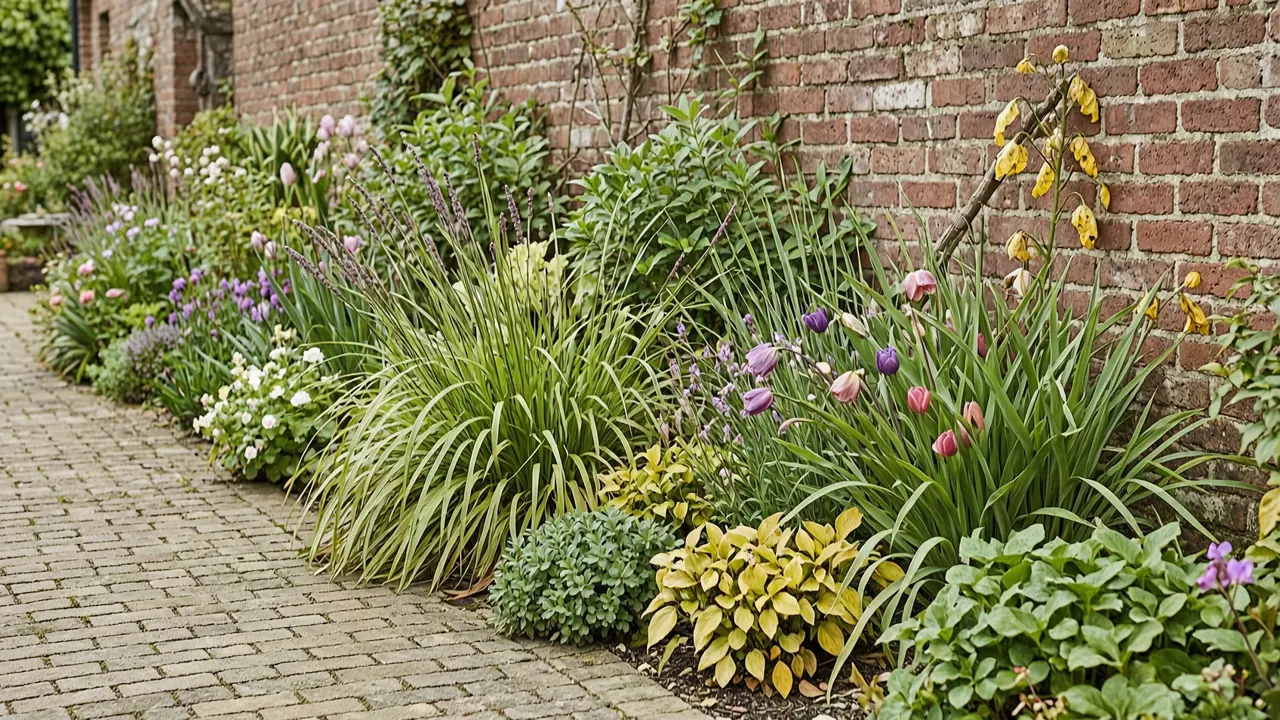 Growing Guide
How to plan a perennial border
5 August 2026Plan a balanced perennial border with practical guidance on position, colour, height, spacing, flowering succession and year-round structure.
 Growing Guide
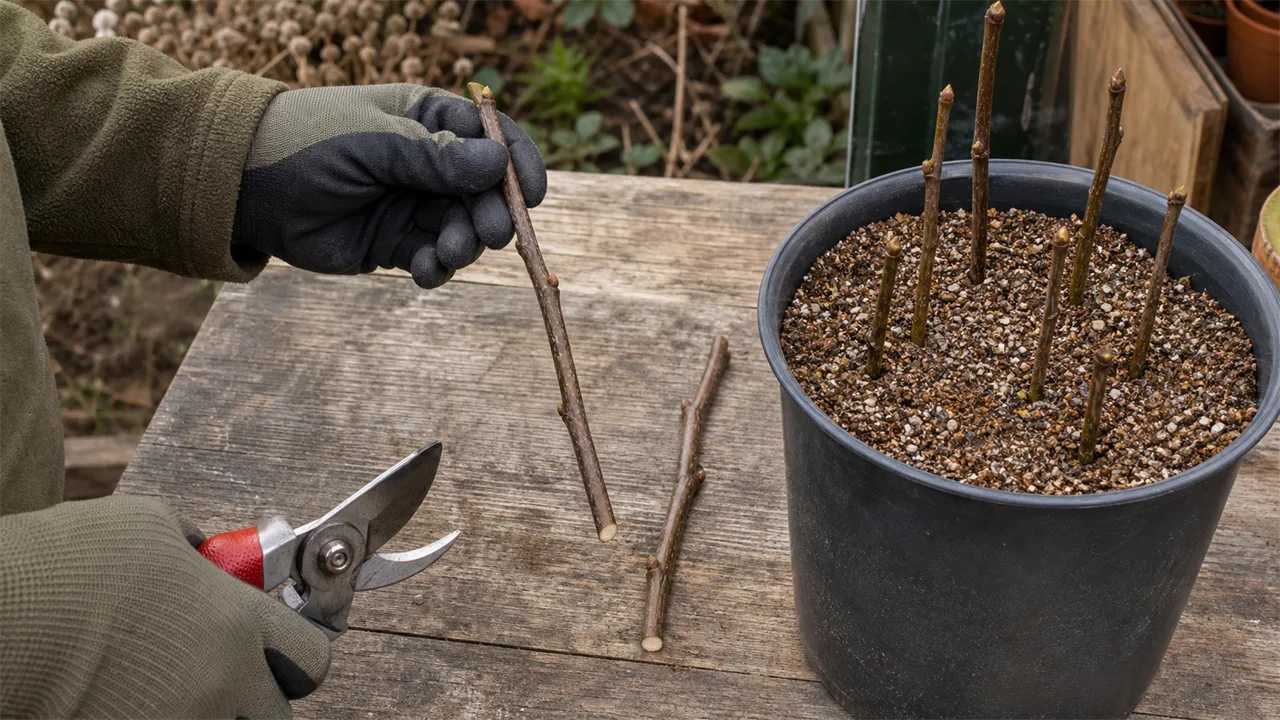
How to take hardwood cuttings
29 July 2026Take hardwood cuttings from suitable dormant shrubs and climbers with this step-by-step guide to timing, preparation, rooting and aftercare.
 Growing Guide
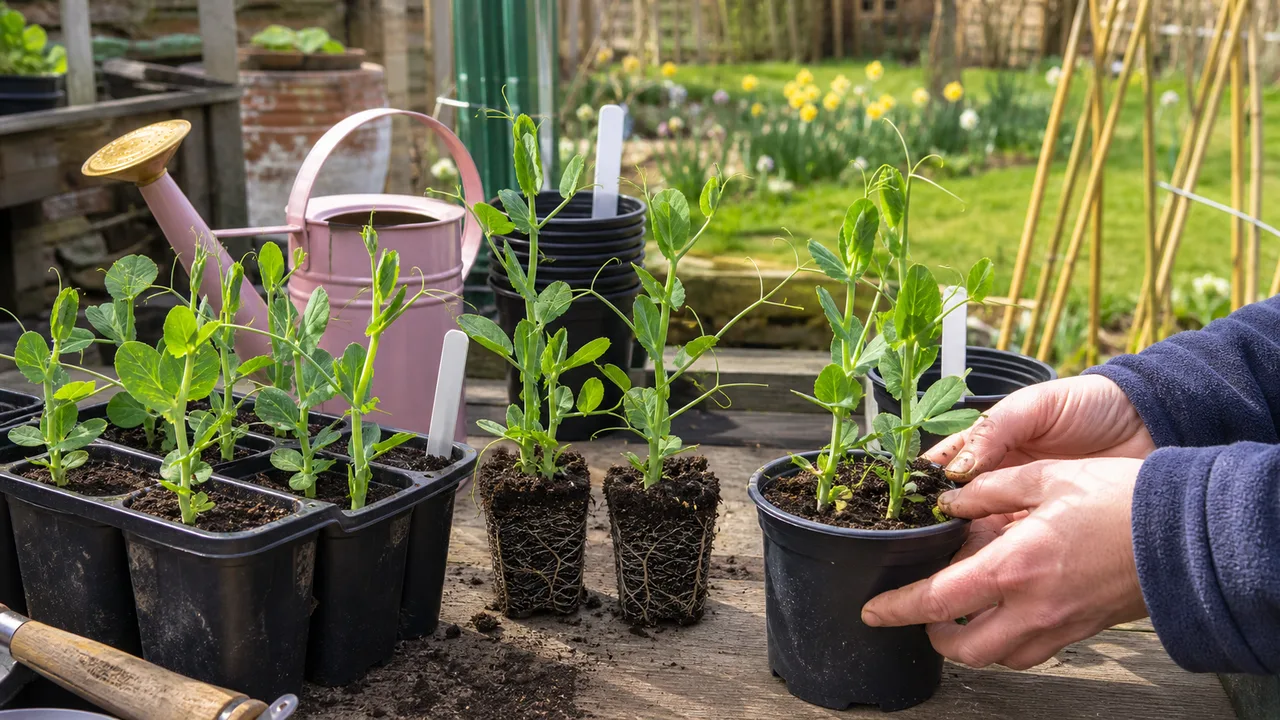
How to Sow Sweet Peas for Strong, Early Flowers
28 July 2026This route protects the roots from unnecessary disturbance and gives the developing shoots something to climb before they begin to flop.