
Treating Powdery Mildew
Understand the signs and take informed steps to protect your plants.
Search plant problems →Powdery mildew is the most common fungal disease UK gardeners will meet. It shows up as a white, dusty coating on the leaves of roses, cucumbers, courgettes, squashes, grapes, honeysuckle, asters,…
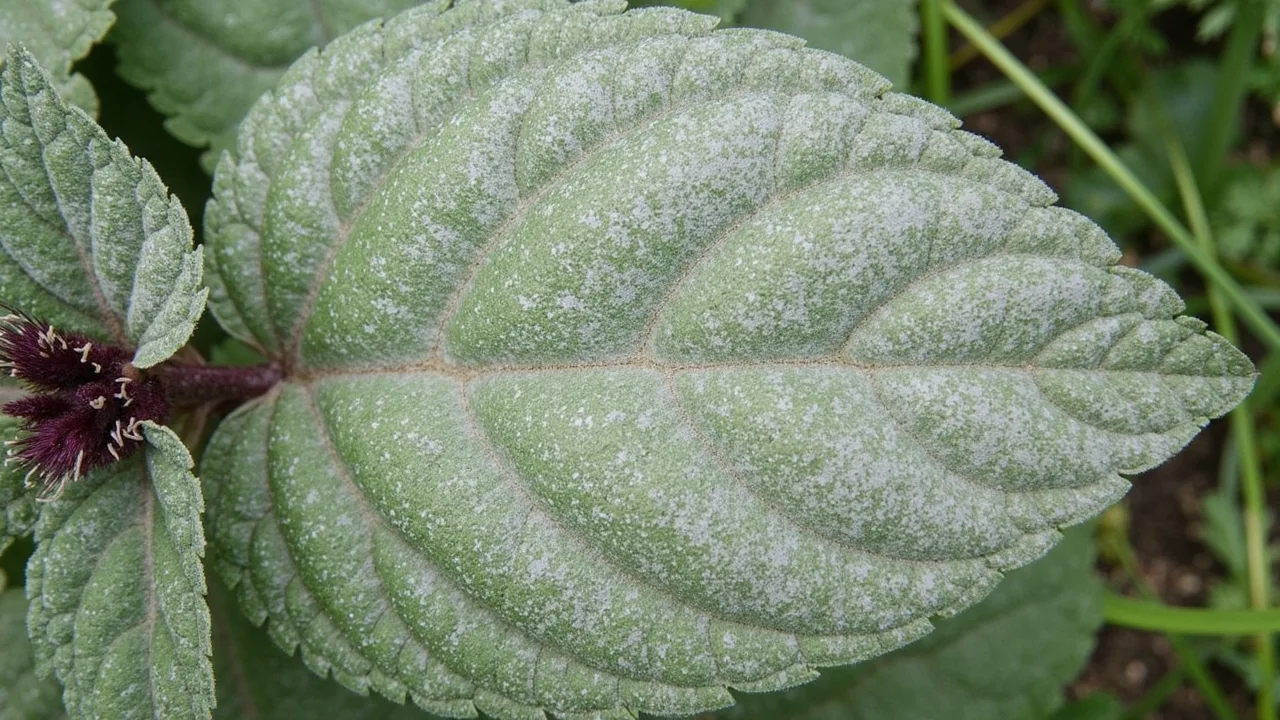
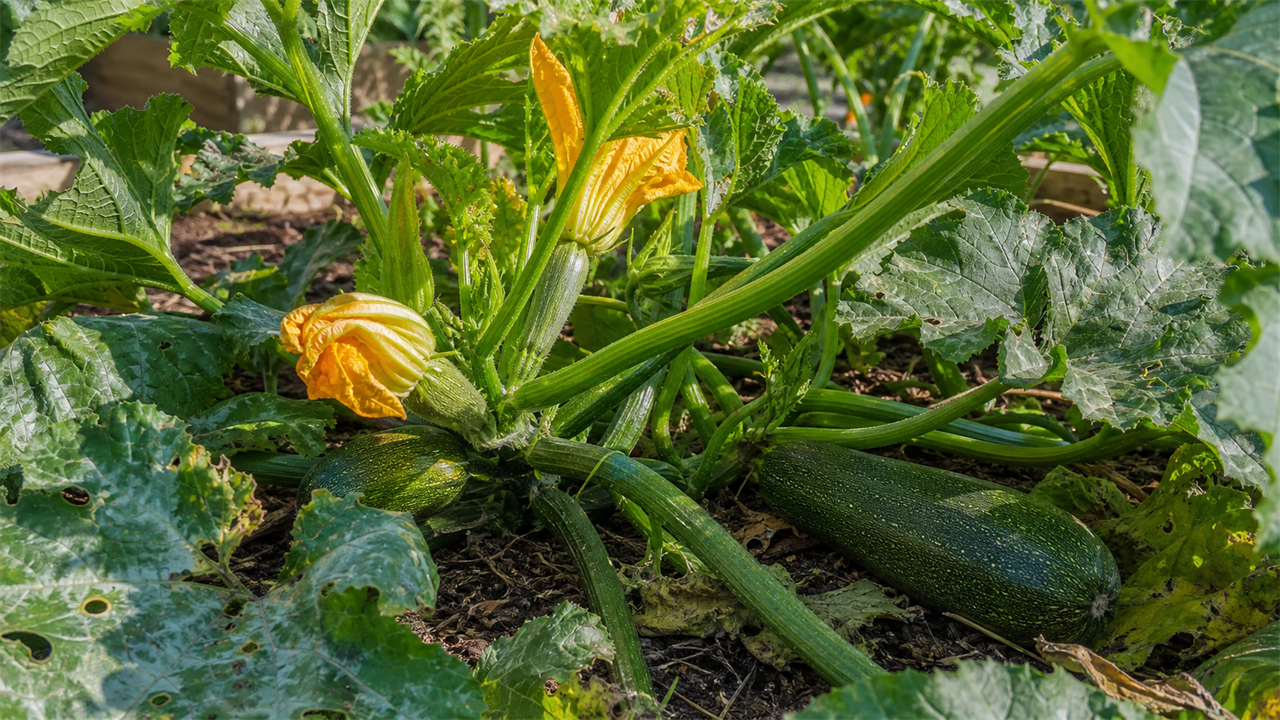
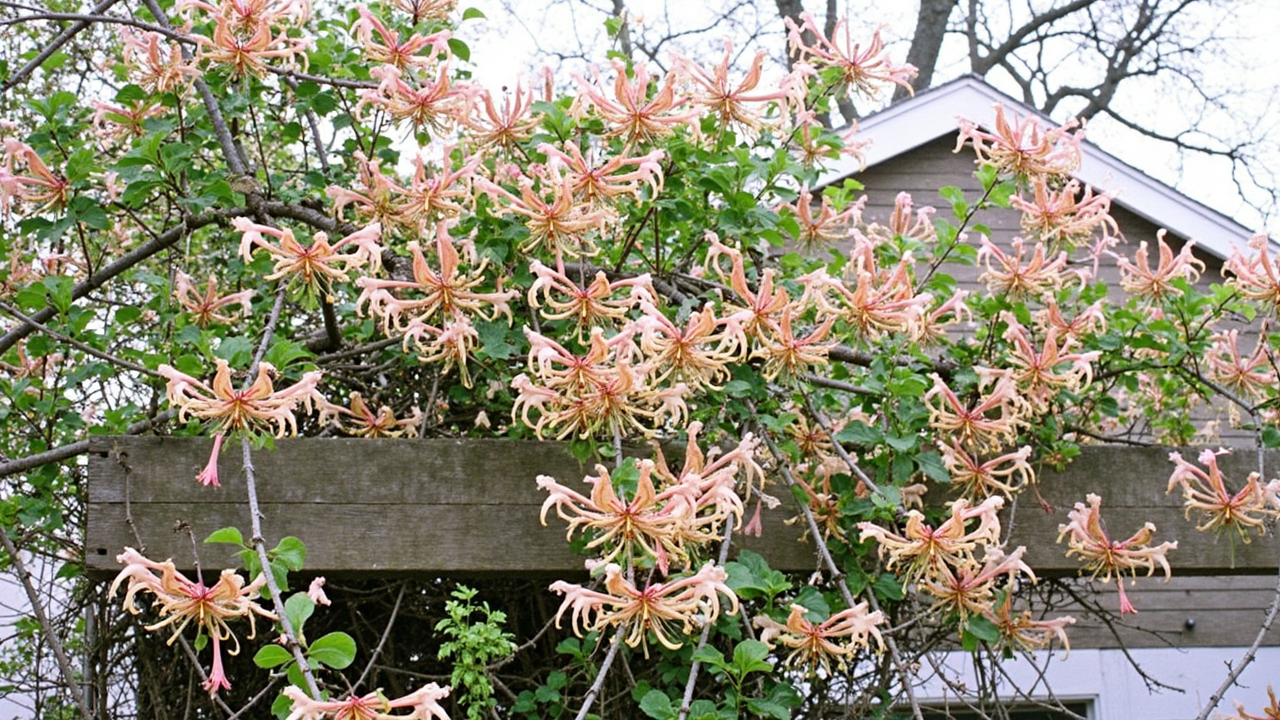
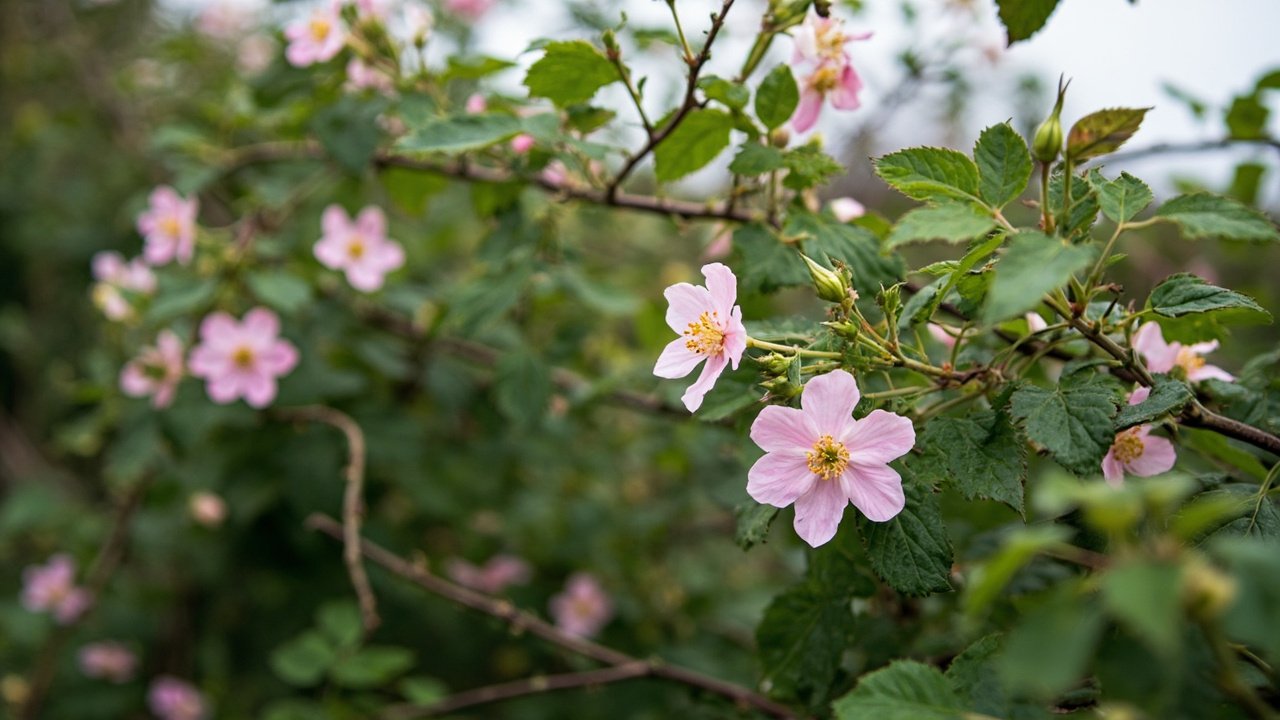
Powdery mildew is the most common fungal disease UK gardeners will meet. It shows up as a white, dusty coating on the leaves of roses, cucumbers, courgettes, squashes, grapes, honeysuckle, asters, phlox and a long list of ornamentals. Left alone, it saps the plant, distorts new growth, and ruins the harvest on edible crops. The good news: it is treatable, mostly preventable, and rarely kills a mature plant if you act within a week or two of spotting it.
This guide covers how to treat an active infection, how to stop it coming back next year, and the small handful of habits that prevent it in the first place.
When to act: the UK mildew calendar
Powdery mildew is a warm-weather disease. In the UK it appears from late May through September, with peak pressure in July and August during hot, dry spells. The fungus does not need leaf wetness to germinate (unlike most fungal diseases) — it actually prefers dry foliage and humid air, which is why a heatwave after a dry spring is the classic trigger.
Treat at the first sign: a few isolated white patches on a handful of leaves. Waiting until the whole plant is coated makes control much harder and means you will be cutting off large amounts of infected growth. The actionable window is "this week", not "next month".
Identify it (and rule out lookalikes)
Real powdery mildew is a flat, powdery white coating that sits on the leaf surface and wipes off with a finger. It usually starts on the upper sides of lower, older leaves, then spreads upwards. Affected leaves may curl, yellow, or go brown at the edges.
Downy mildew is the common confusion. Downy mildew produces yellow patches on the leaf upper surface and a greyish-purple fluffy growth underneath. It needs cool, damp conditions and is treated with different fungicides, so check both sides of the leaf before deciding. If the underside is clean and the top is dusty white, you are dealing with powdery mildew.
Useful equipment
A pair of clean secateurs, a bag for heavily infected plant material, a watering can or hose for the root zone, and suitable mulch where needed. Check the host plant and its growing conditions before cutting away leaves; an established plant may tolerate mild powdery mildew without drastic treatment.
What to do when mildew appears
Confirm that you are seeing a white, powdery surface growth rather than downy mildew or another leaf disorder. Improve airflow by spacing and selectively thinning overcrowded growth. Water the root zone appropriately so the plant is not drought-stressed. Remove particularly disfigured shoots where appropriate, but leave enough healthy leaf area for recovery. The RHS recommends non-chemical control as the first approach; do not coat every leaf in an improvised spray.
Mistakes to avoid
Do not use homemade fungicide recipes or apply repeated pesticides without checking their current UK authorisation and the label for the exact host plant. More spray is not necessarily better. Removing too much foliage can weaken a plant, while prolonged drought or crowding can increase susceptibility. Dispose of heavily infected debris appropriately and avoid making every mild infection a major intervention.
If the problem persists
White fungal growth returning on new shoots can indicate that the plant remains in conditions favouring mildew. Check watering, airflow, nutrition, crowding and the cultivar's susceptibility. Yellow patches with a greyish or purple growth mainly on the leaf underside may indicate downy mildew, which is a separate problem requiring identification before treatment. Do not automatically switch to a copper-based spray.
How to reduce next year's risk
Choose a less-susceptible cultivar where one is available, site the plant so it has enough room, prune or divide crowded growth where appropriate, and avoid letting roots repeatedly dry out. Observe when symptoms begin and respond to plant stress early. There is no reliable universal preventive spray schedule for all garden powdery mildews.
Other garden problems to look out for
Different problems can produce similar-looking symptoms. These related guides may help narrow down what you are seeing.
 Diseases · Related guide
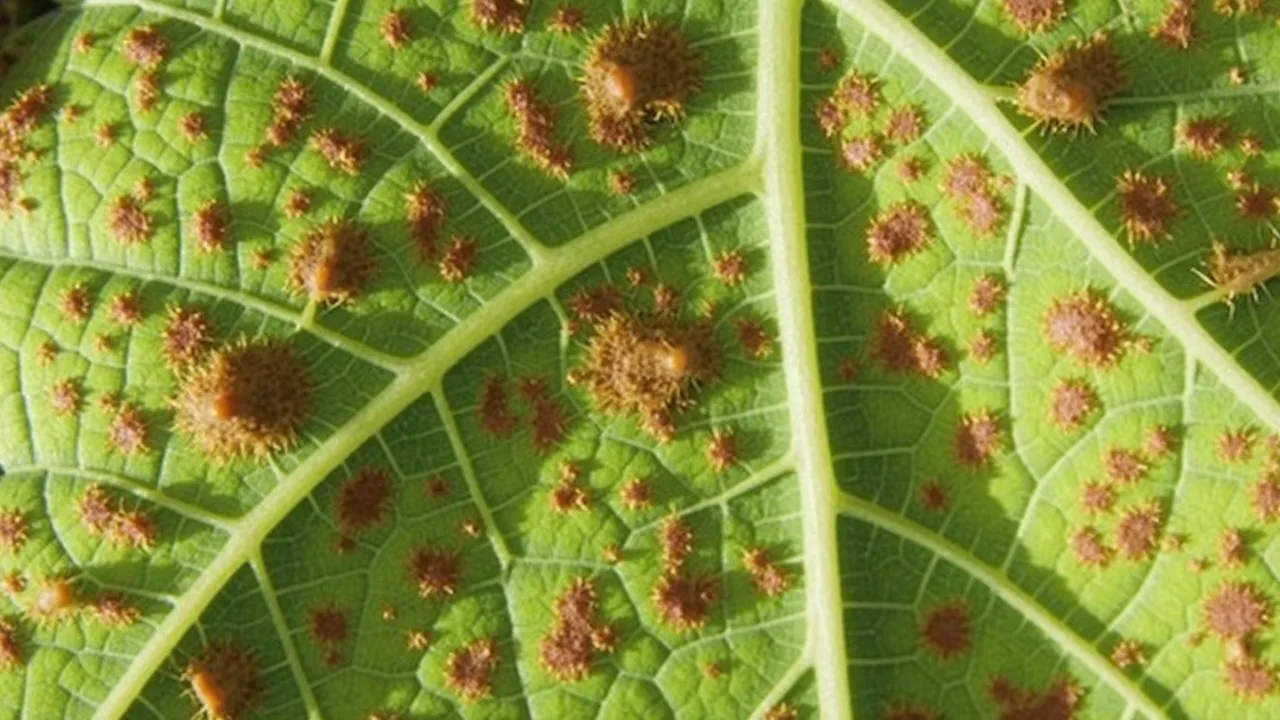
Rust on Plants: How to Identify and Treat Garden RustView guide →
Diseases · Related guide
Rust on Plants: How to Identify and Treat Garden RustView guide →
 Diseases · Related guide
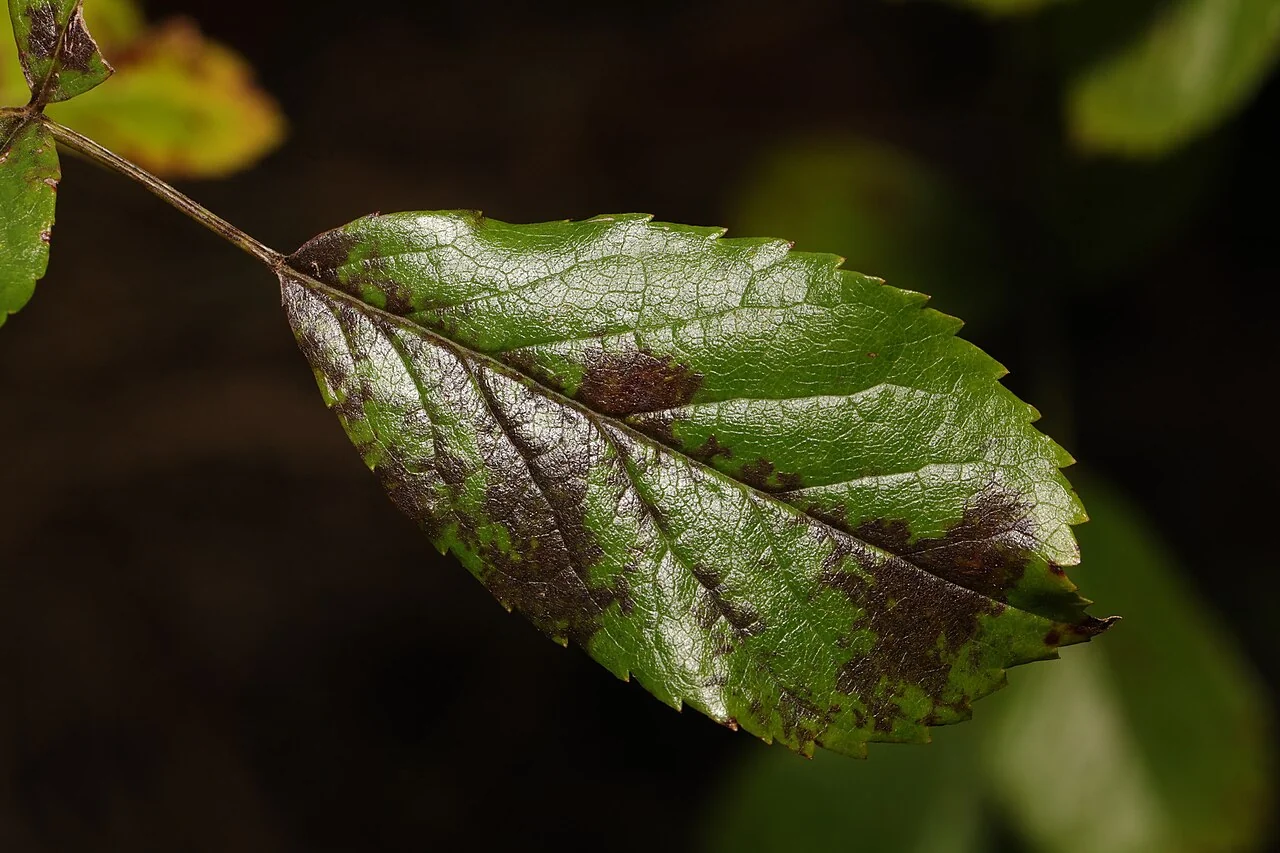
Tackling Black Spot on RosesView guide →
Diseases · Related guide
Tackling Black Spot on RosesView guide →
 Diseases · Related guide
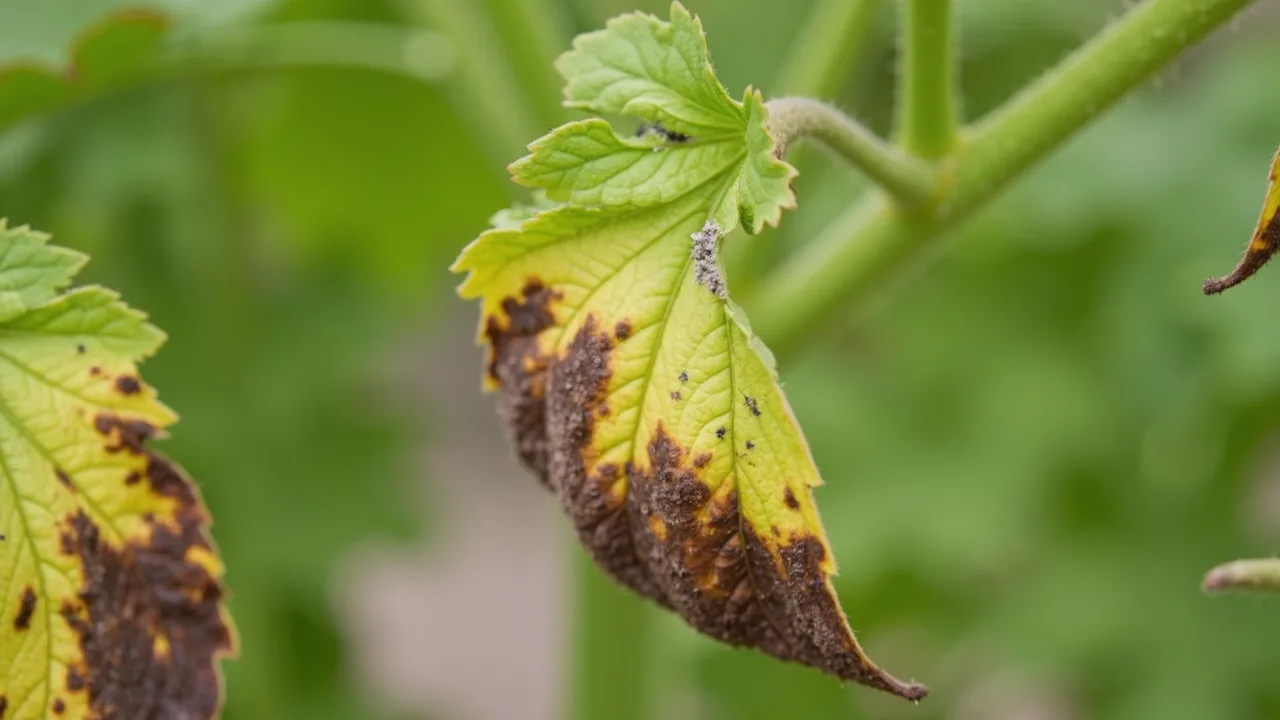
Tomato and Potato Blight: How to Spot, Stop and Prevent ItView guide →
Diseases · Related guide
Tomato and Potato Blight: How to Spot, Stop and Prevent ItView guide →
Plants in this guide

Recommended tools and products
A practical checklist for this guide. Essentials first, with helpful extras below.
Essentials
 Clean pruning secateurs
Remove heavily affected shoots where this suits the host plant.
Checklist suggestion · No verified product listingHelpful suggestion Bag for infected plant debris
Collect removed infected foliage and follow garden-waste guidance.
Checklist suggestion · No verified product listingHelpful suggestion
Helpful extras
 Root-zone watering equipment
Water soil rather than repeatedly wetting foliage where appropriate.
Checklist suggestion · No verified product listingHelpful suggestion
Illustrations show tool categories, not the exact product. No unverified prices or ratings are shown. Read our affiliate disclosure.