
Crop Rotation Explained for UK Vegetable Gardens
Forget complicated systems; this guide gives you the simple, UK-focused rotation you need for a productive, low-worry garden.
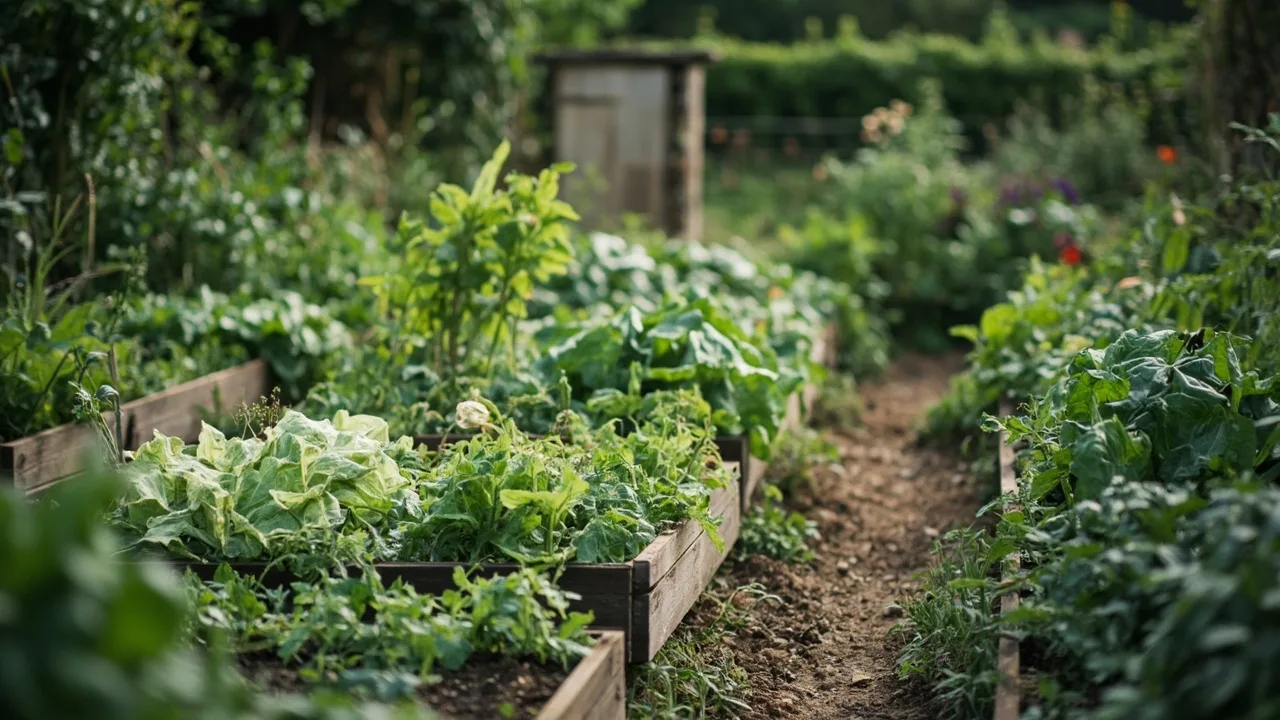
Crop rotation isn't just an old-fashioned farming trick – it's the single most practical way to keep your vegetable patch thriving year after year without relying on chemical fixes. By thoughtfully changing what you grow in each plot, you’ll naturally break pest cycles, boost soil health, and save yourself from the frustration of struggling crops. Forget complicated systems; this guide gives you the simple, UK-focused rotation you need for a productive, low-worry garden.
Why Rotation Matters for UK Gardens
Monocropping – growing the same vegetable in the same spot year after year – is a recipe for trouble in our damp, pest-prone climate. It depletes specific nutrients (like nitrogen from brassicas or potassium from potatoes) and allows soil-borne diseases such as clubroot (affecting cabbage family plants) and potato blight to build up. Crucially, it also encourages pests like carrot fly and cabbage root fly to thrive, as they adapt to their host crop. In contrast, rotating crops disrupts these cycles. A well-planned rotation means you’re not constantly battling the same problems, reducing your need for chemical sprays and synthetic fertilisers. It also builds soil structure naturally: deep-rooted plants like brassicas break up compaction, while cover crops add organic matter that improves water retention during our wet winters and dry summers.
The key is grouping plants by family, not by type. For example, don’t plant potatoes (Solanum) after tomatoes (Solanum) – they share pests and diseases. Instead, rotate through distinct families. This is especially vital in the UK where cool, wet springs favour fungal diseases, and long, mild autumns allow pests to overwinter. A three-year rotation is the sweet spot for most home gardens; it’s simple enough to manage but effective enough to make a real difference. Remember, Scotland’s climate lags 2-4 weeks behind southern England, so adjust your timing accordingly.
UK-Friendly Family Grouping for Rotation
Grouping by plant family is essential for UK success. Here’s a practical breakdown for your garden:
- Brassicas (Cabbage family): Broccoli, cabbage, cauliflower, kale, swedes, turnips. High nutrient demand, prone to clubroot and flea beetle.
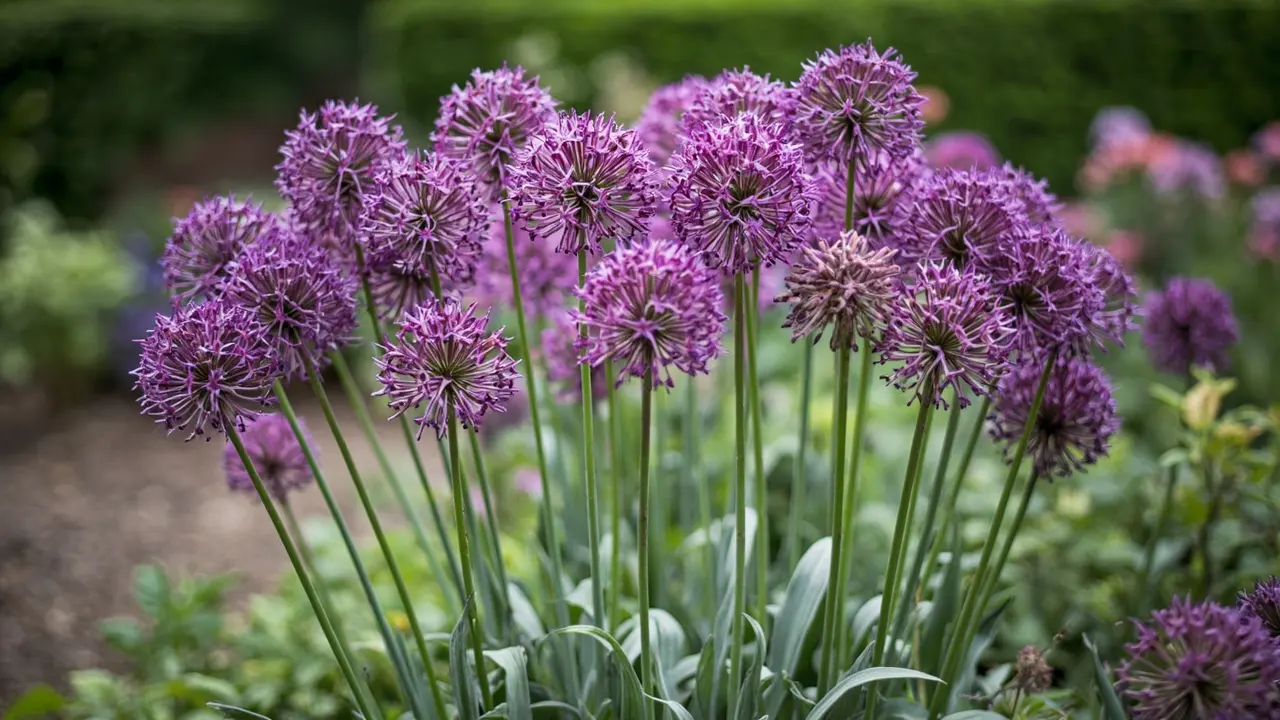
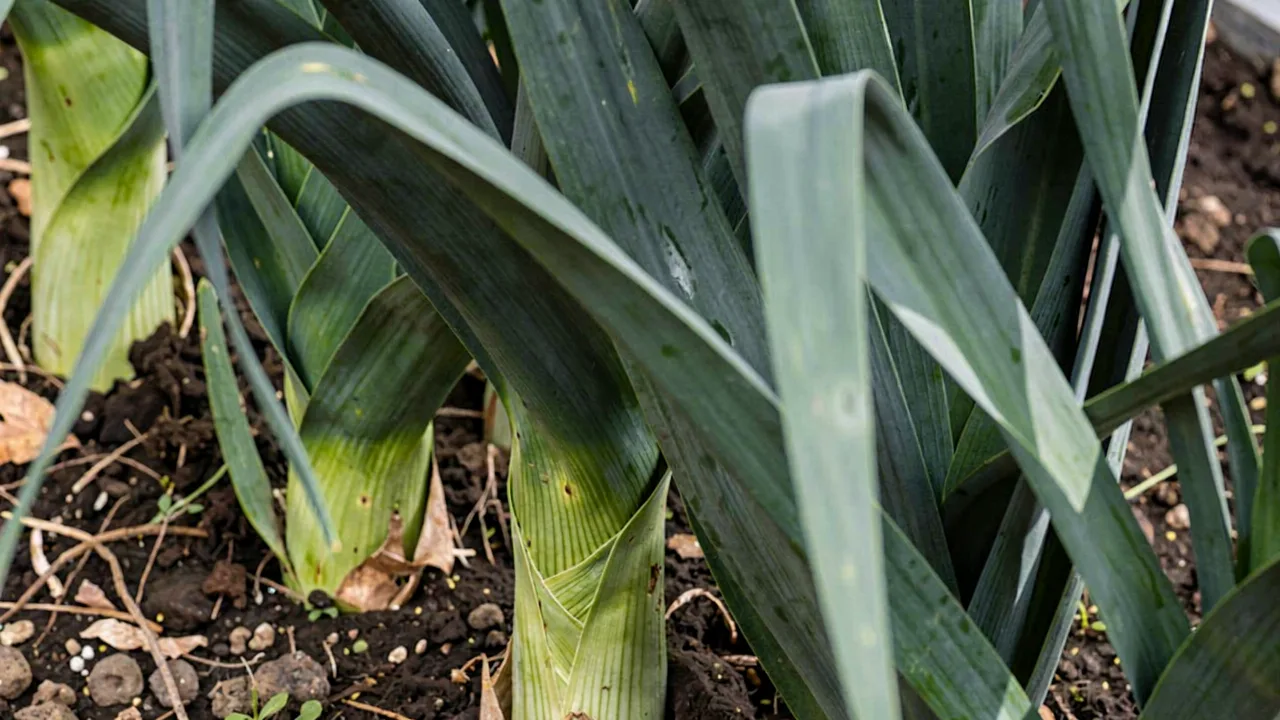
- Alliums (Onion family): Onions, garlic, leeks, shallots. Moderate nutrient demand, deter pests like carrot fly.
- Legumes (Pea family): Peas, broad beans, beans. Fix nitrogen, boost soil fertility, but attract aphids.
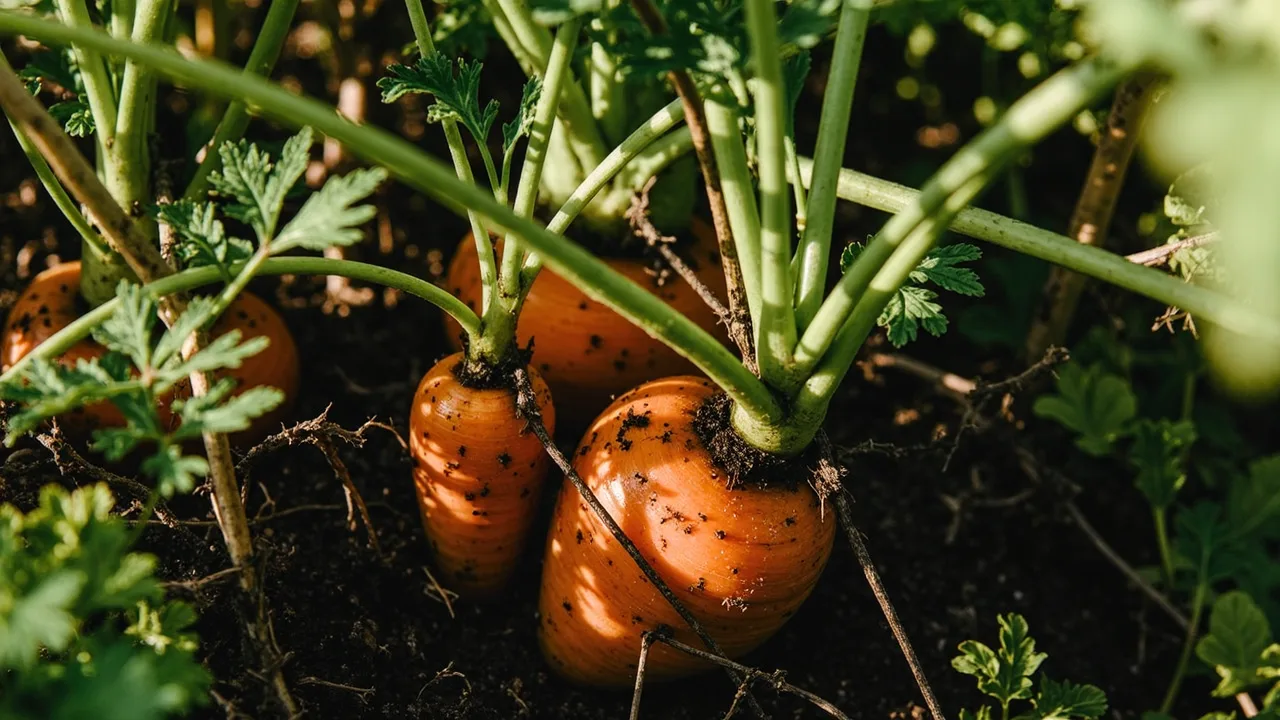
- Root Crops: Carrots, beetroot, parsnips, onions (alliums). Deep roots improve soil structure, but attract carrot fly.
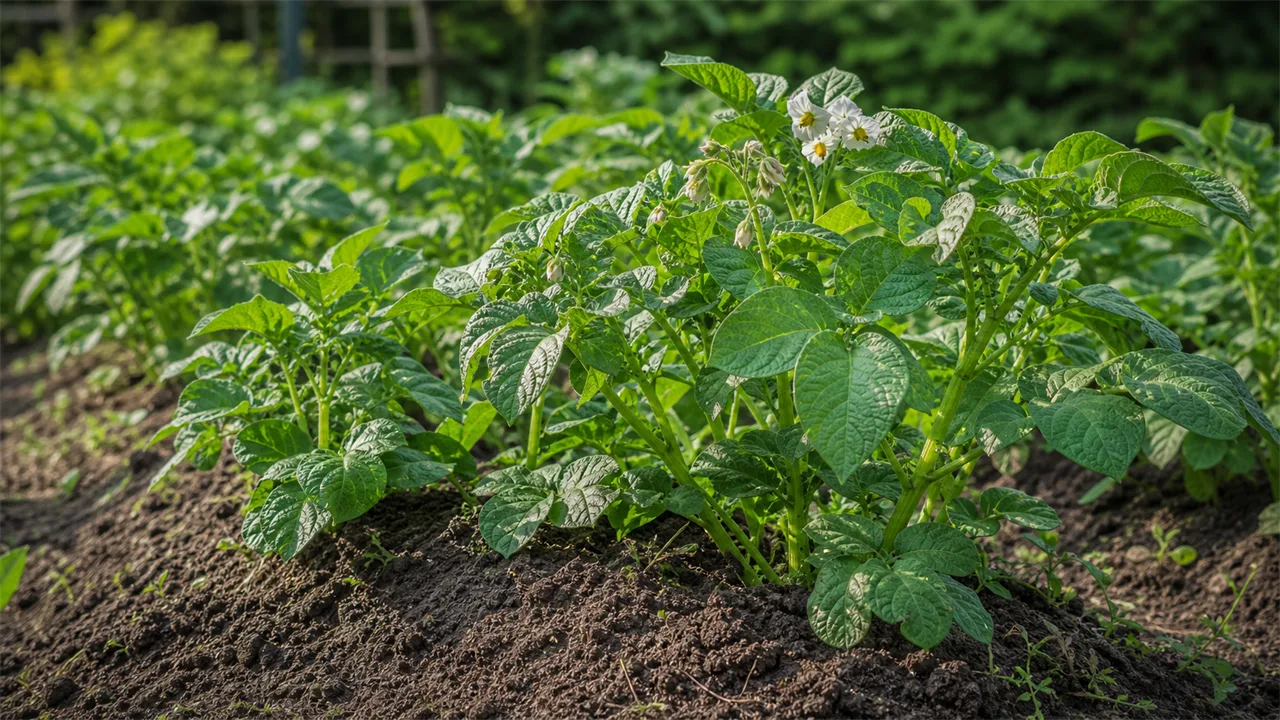
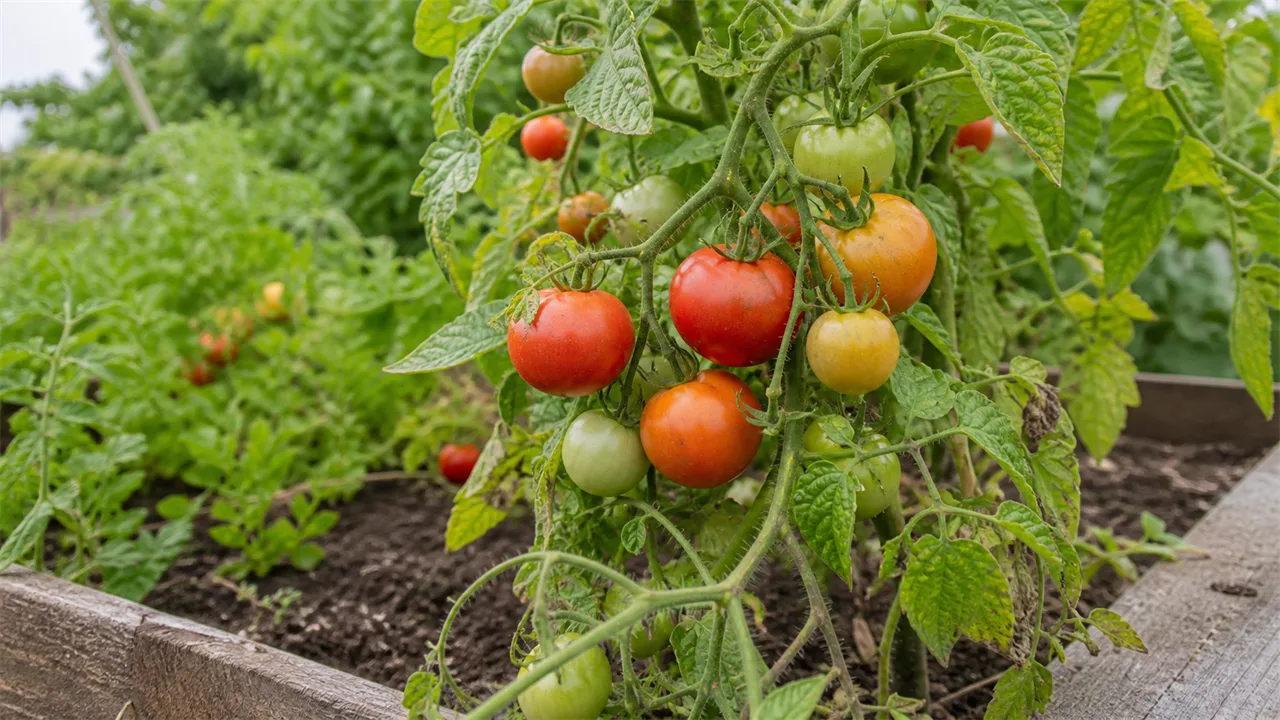
- Solanums (Potato family): Potatoes, tomatoes, aubergines, peppers. High nutrient demand, prone to blight and potato eelworm.
- Cucurbits: Courgettes, marrow, squash, cucumbers. High nutrient demand, prone to powdery mildew.
The Simple Three-Field Rotation for UK Gardens
Forget complex four-field systems – the three-year rotation is ideal for UK allotments and gardens. Divide your plot into three sections (or plan your beds accordingly), rotating families each year. This aligns perfectly with UK seasons and avoids the need for fallow ground (which isn’t practical for most home growers). Here’s how to implement it:
- Year 1: Heavy Feeders & Brassicas
Plant brassicas (cabbage, broccoli, kale) and heavy feeders like potatoes in your chosen section. These deplete nutrients and attract pests, so they need a break. Sow brassicas in early spring (mid-March in the South, late March in Scotland), potatoes in late April/early May. After harvest, dig in well-rotted garden compost (not manure) to replenish organic matter.
- Year 2: Nitrogen Fixers & Legumes
Follow with legumes (peas, broad beans) and alliums (onions, garlic). Legumes fix nitrogen, replenishing what brassicas took. Sow peas in February/March (under cloches for early harvest), broad beans in October/November for spring harvest. Alliums can be planted in autumn or spring. After harvest, leave the soil undisturbed to allow roots to decompose and release nitrogen.
- Year 3: Root Crops & Cucurbits
Plant root vegetables (carrots, beetroot) and cucurbits (courgettes) here. These benefit from the nitrogen left by legumes and help break up soil. Sow carrots in March/April, courgettes in late May/June after the last frost. In autumn, dig in a green manure crop like rye or phacelia to protect the soil over winter.
This cycle ensures no family repeats in the same spot for three years, breaking pest cycles and balancing soil nutrients. It’s flexible enough to adapt to your garden size – you can rotate within a single bed or across multiple beds.
Using Legumes to Boost Your Soil Naturally
Legumes are your rotation superstars. Peas and beans fix atmospheric nitrogen into the soil via root nodules, making it available for the next crop. This reduces your need for synthetic nitrogen fertilisers, which are expensive and can harm soil life. For UK gardens, choose varieties suited to our climate:
- Broad beans: 'Aquadulce' (early, cold-tolerant), 'Aquadulce Claudia' (late, high yield). Sow in October/November for a spring crop or February/March for summer harvest.
- Peas: 'Meteor' (early, reliable), 'Kelvedon Wonder' (mid-season, good for autumn). Sow in February/March for early harvest, or October for overwintering (use cloches for protection).
- Beans: 'Provider' (bush, good for small spaces), 'Tendergreen' (runner, needs support). Sow in May after the last frost.
Plant legumes where you grew heavy feeders (brassicas, potatoes) the previous year. After harvest, chop and drop the stems (don’t dig them in) to decompose on the surface, releasing nitrogen slowly. Avoid planting legumes after other nitrogen-fixers like clover (which is often used as a green manure) to prevent nitrogen overload.
Cover Crops: Your Soil’s Winter Guardian
In the UK, cover crops (green manures) protect and enrich soil during the off-season, especially during our wet winters. They prevent erosion, suppress weeds, and add organic matter when dug in. Choose UK-friendly options:
- Phacelia: Fast-growing, attracts pollinators, suppresses weeds. Sow in late summer (August/September) after harvesting early crops. Kill off with a spade in early spring before planting.
- Rye: Deep roots break up compaction, excellent for heavy clay. Sow in late August/September. Cut down in early spring before flowering, then dig in.
- Clover (White or Red): Fixes nitrogen, suppresses weeds. Sow in spring (April) or late summer. Dig in before flowering (late spring) to avoid seeding.
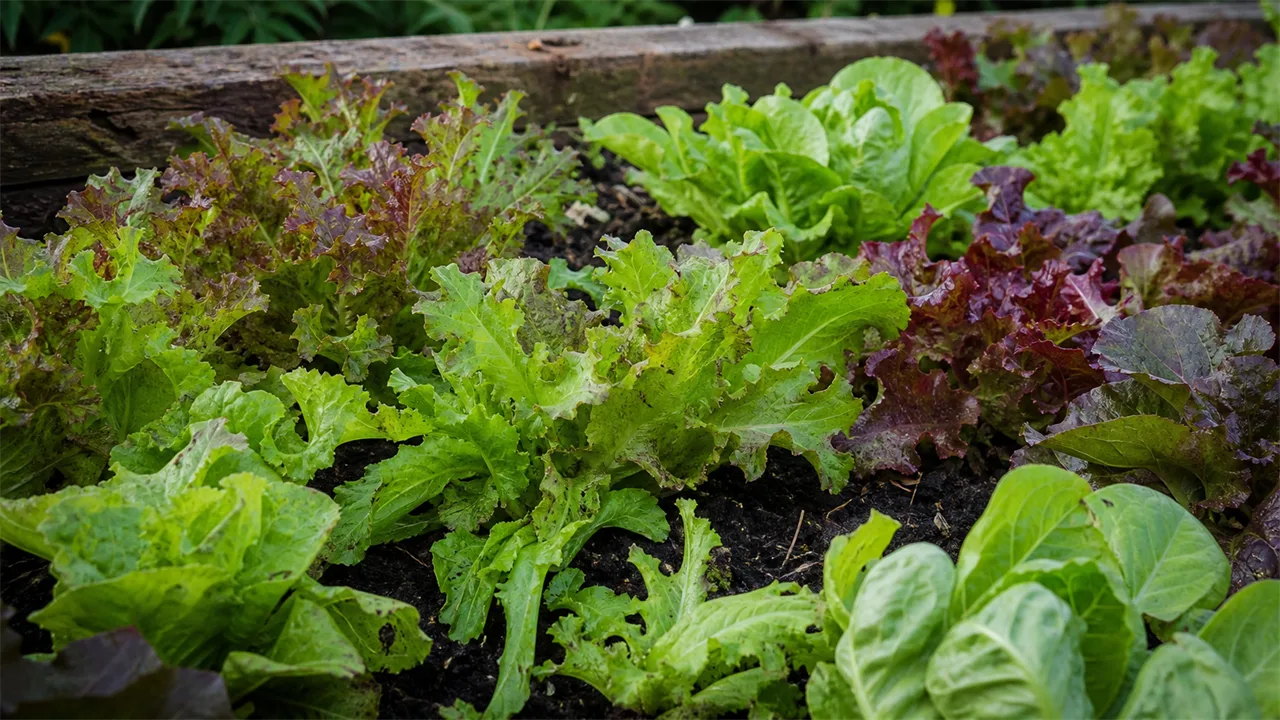
Crucially, never leave cover crops to seed – they become weeds. Always incorporate them into the soil 2-3 weeks before planting your next crop. For example, dig in phacelia in early March for early spring sowing of peas or lettuce.
Common Mistakes to Avoid
Even experienced gardeners slip up. Here’s how to avoid UK-specific pitfalls:
- Planting potatoes after potatoes: This guarantees blight and eelworm. Always rotate potatoes to a different section for at least three years.
- Ignoring soil type: Clay soils benefit more from deep-rooted cover crops like rye; sandy soils need legumes to boost organic matter.
- Not rotating within the same family: Don’t plant onions after garlic – they share pests like onion fly. Group alliums together in one rotation section.
- Overlooking timing: In Scotland, plant peas in mid-April instead of early March. Delay brassica sowing until mid-March to avoid late frosts.
- Using fresh manure: This can burn plants and introduce weeds. Always use well-rotted garden compost or manure (aged at least 6 months).
Recommended Products
GardenWizz earns a commission from qualifying purchases made through affiliate links on this page (including links within the article) — as an Amazon Associate, and from Thompson & Morgan via the Awin network. This does not affect the price you pay. See our disclaimer for details.
Related Articles
More → Growing Guide
How to grow ornamental grasses in pots
5 August 2026Grow ornamental grasses successfully in containers with advice on pot size, compost, watering, feeding, winter care and long-term maintenance.
 Growing Guide
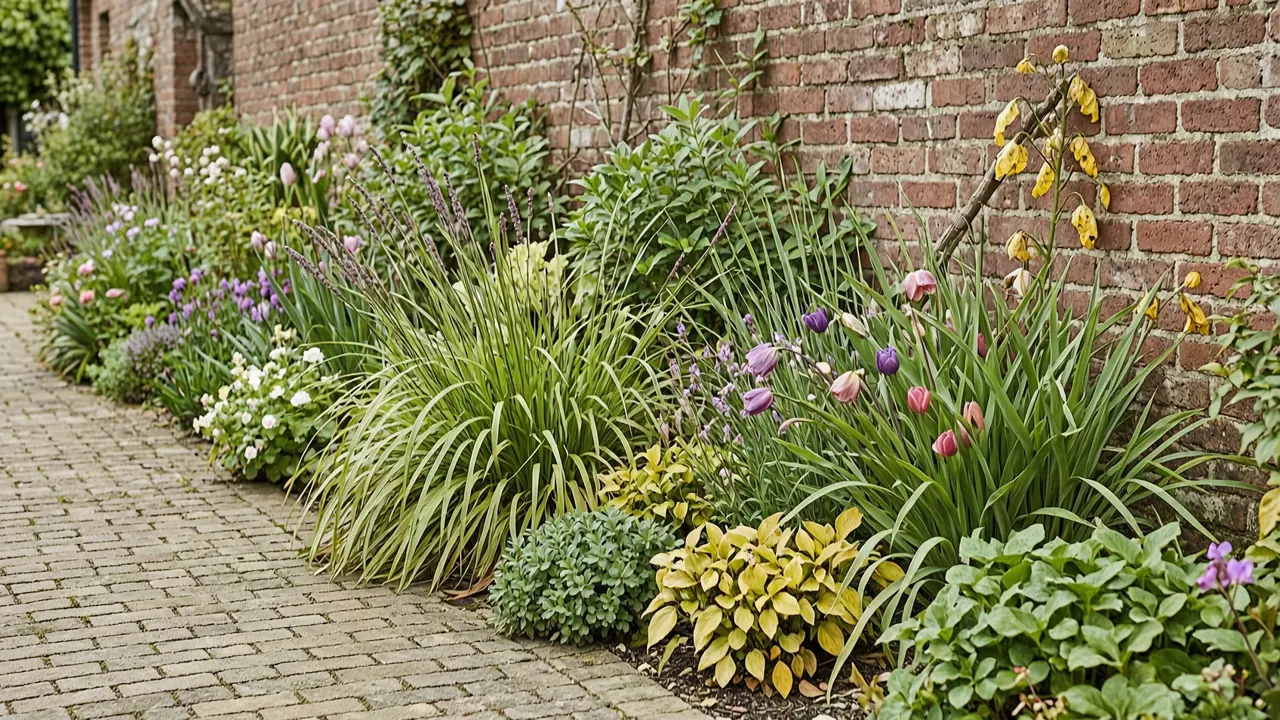
How to plan a perennial border
5 August 2026Plan a balanced perennial border with practical guidance on position, colour, height, spacing, flowering succession and year-round structure.
 Growing Guide
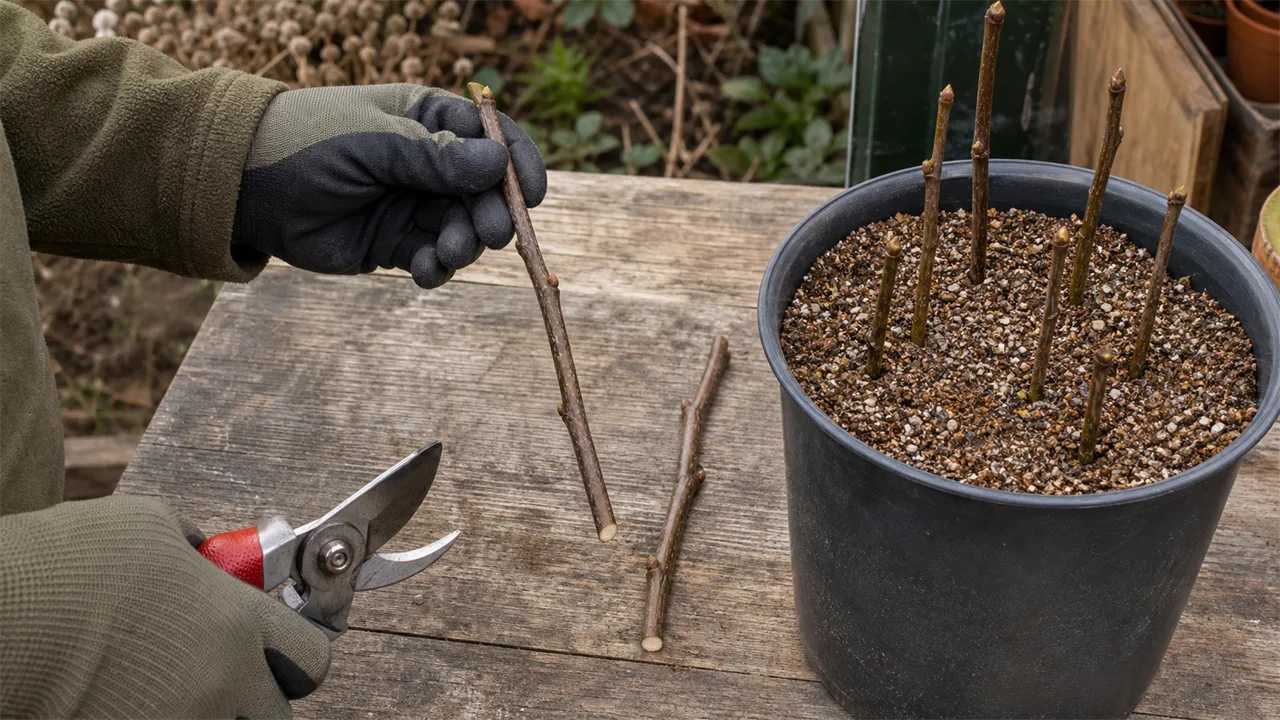
How to take hardwood cuttings
29 July 2026Take hardwood cuttings from suitable dormant shrubs and climbers with this step-by-step guide to timing, preparation, rooting and aftercare.