
How to Grow Pumpkins and Winter Squash
Growing pumpkins in your UK garden brings that perfect autumnal charm and a harvest of versatile, nutritious squash. Whether you’re aiming for carving giants or flavourful pies, success hinges on…
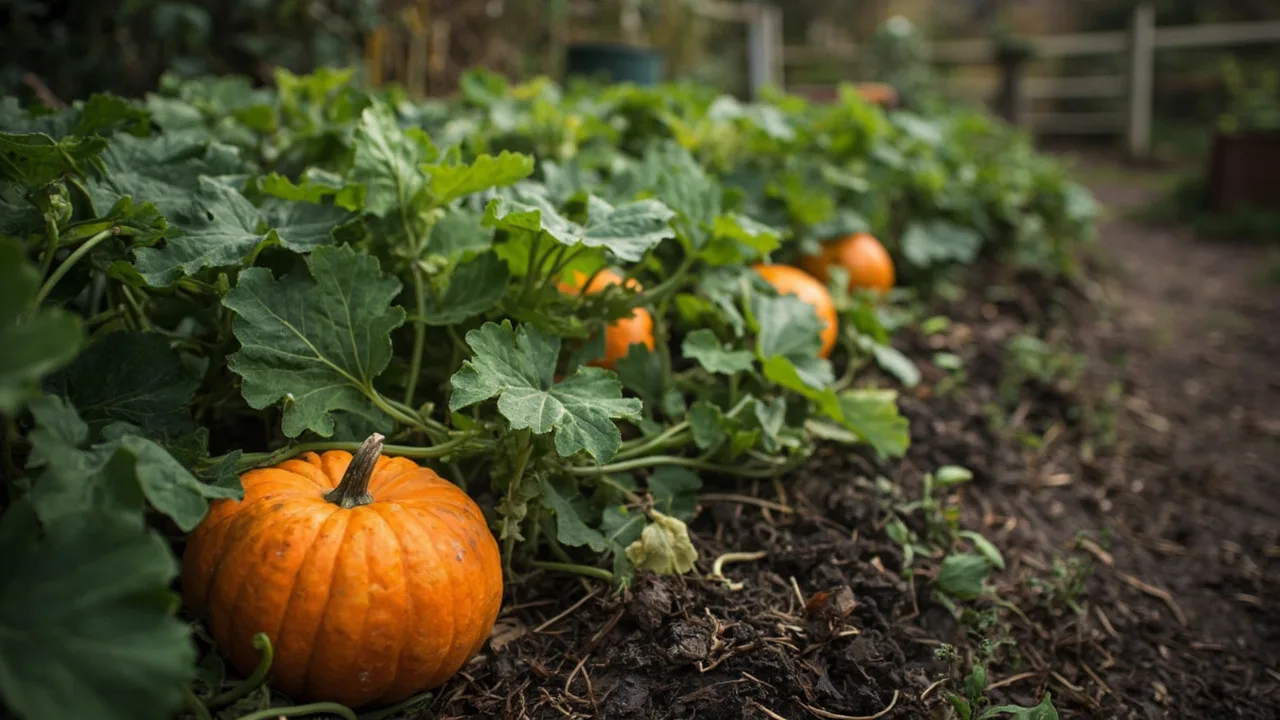
Growing pumpkins in your UK garden brings that perfect autumnal charm and a harvest of versatile, nutritious squash. Whether you’re aiming for carving giants or flavourful pies, success hinges on timing, soil, and a little know-how. This guide cuts through the myths and gives you clear, UK-specific steps to grow robust pumpkins and winter squash, from planting to storage, using only verified practices for British conditions.
Choosing the Right Variety for Your UK Climate
Not all 'pumpkins' are equal for British gardens. Stick to varieties bred for cooler, wetter conditions, avoiding overly large types that struggle with our climate. For reliable, manageable fruit, choose compact or medium-sized cultivars like 'Crown' (a Cucurbita maxima), 'Pepin' (C. pepo), or 'Sweet Dumpling' (C. pepo). These mature within 90–110 days, fitting neatly into our UK growing season. Avoid giant varieties like 'Atlantic Giant' unless you’re a dedicated competitor—most UK gardens lack the space and consistent warmth they need. For culinary use, 'Kabocha' (C. maxima) is excellent for roasting and soups, while 'Buttercup' (C. maxima) offers a sweet, dense flesh perfect for pies. Always buy seeds from UK suppliers like Thompson & Morgan or Derry’s Seeds for varieties tested in local conditions. Crucially, C. pepo types (like 'Connecticut Field', historically grown in the US for processing) are most reliable for UK gardens due to their shorter season and tolerance of cooler temperatures. Avoid 'tropical pumpkin' varieties (C. moschata) unless you have a very sheltered, warm microclimate, as they often fail to ripen fully in temperate UK autumns.
Soil Preparation: Getting it Right for UK Weather
Pumpkins demand well-draining, fertile soil rich in organic matter—but never claim compost alters pH. UK soils often lean acidic; if your soil tests acidic (pH below 6.5), add garden lime in autumn to raise it (100g per sq m). For most UK gardens, a base of well-rotted garden compost or manure is ideal. In late winter, dig in 5–10cm of well-rotted farmyard manure or garden compost per square metre, breaking it into the top 20cm of soil. Avoid heavy clay soils; if you have them, mix in sharp sand (1 part sand to 2 parts soil) to improve drainage. Crucially, wait until soil temperatures reach 15.5°C (60°F) at 8cm depth before planting—typically late May in southern England (e.g., London, South West), but mid-June in Scotland and northern England. Test with a soil thermometer; planting too early risks rot in cold, wet soil. For container growing (e.g., large tubs for 'Sweet Dumpling'), use a mix of 50% John Innes No. 2, 30% garden soil, and 20% sharp sand to ensure drainage.
Planting and Timing: Aligning with UK Seasons
Plant seeds directly in the ground once the soil is warm and the risk of frost has passed. In southern UK (e.g., London, Cornwall), sow seeds from 15–25 May; in Scotland or northern England, wait until 1–15 June. Space plants 1.5–2m apart to allow for sprawling vines—use a trellis for small gardens to save space. For a staggered harvest, sow a second batch of seeds in early July. If you’re short on space, grow compact varieties like 'Sweet Dumpling' in large containers (50cm+ diameter) filled with a mix of 50% compost, 30% garden soil, and 20% sharp sand. Never plant in waterlogged soil—UK spring rains can delay planting; if your garden is soggy, wait a few days or create raised beds 15cm high. For optimal germination, plant seeds 2.5cm deep, with 2–3 seeds per spot, then thin to the strongest plant once true leaves appear. Protect young seedlings from late frosts using fleece (remove during the day once temperatures rise above 8°C).
Key planting checklist
- Soil temp: Confirm 15.5°C (60°F) at 8cm depth (use a soil thermometer)
- Sowing depth: 2.5cm deep, 2–3 seeds per spot
- Spacing: 1.5m between plants; 2m between rows
- Protection: Cover seedlings with fleece if frost threatens (late April/May)
Watering, Feeding, and Pest Management
Pumpkins need consistent moisture but hate soggy roots. Water deeply once a week (more in dry spells), aiming for 2.5cm of water at the base—avoid wetting leaves to prevent mildew. UK spring and early summer can be unpredictable; if heavy rain falls, ensure drainage to prevent waterlogging. Mulch with straw or grass clippings after the first month to retain moisture and suppress weeds. Feed with a balanced organic liquid fertilizer (e.g., seaweed-based) every 3 weeks once flowers appear—use 10ml per litre of water, applied at the base. For pests, watch for vine borers (small white grubs) in stems; remove by hand or use Bacillus thuringiensis (Bt) for caterpillars, following UK product labels. Squash bugs and aphids are less common in UK gardens but can be controlled with insecticidal soap (check RHS guidelines). Never use pesticides without checking current UK regulations—RHS advises against spraying flowers to protect bees. Crucially, pumpkin seeds are toxic to cats and dogs (RHS), so keep pets away from seedlings and harvested fruits.
Pollination: Ensuring a Bountiful Crop
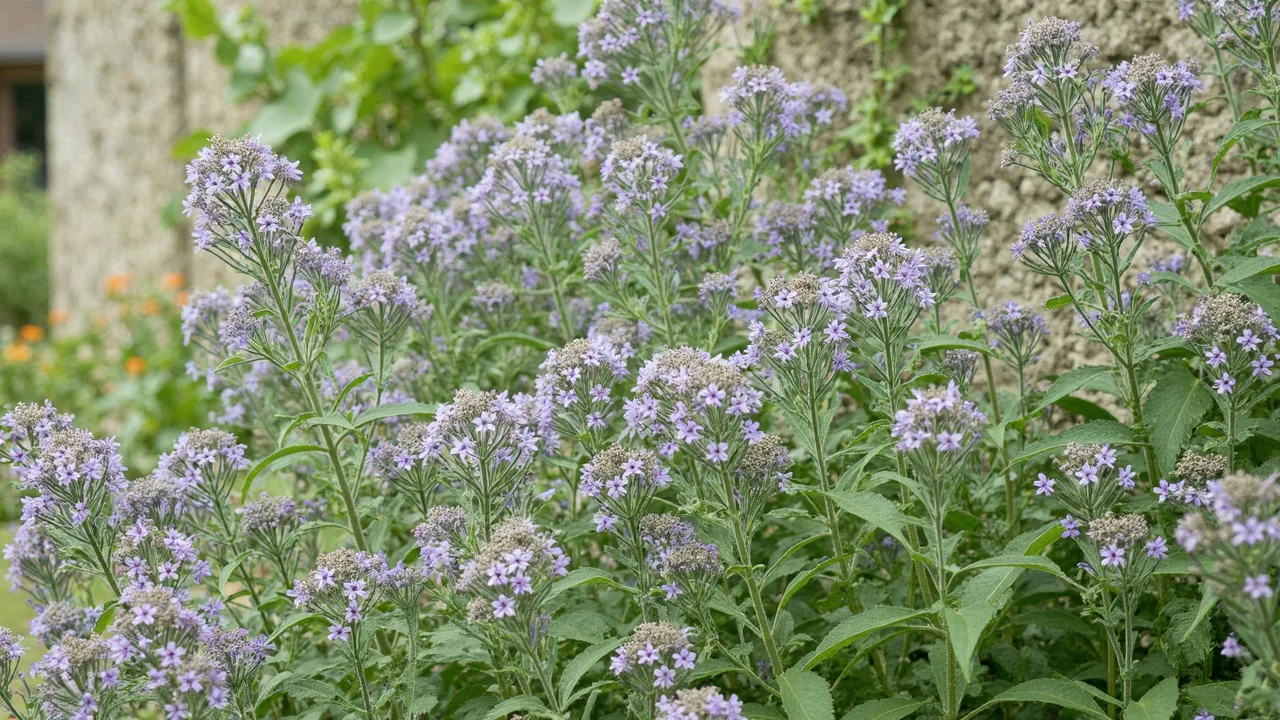
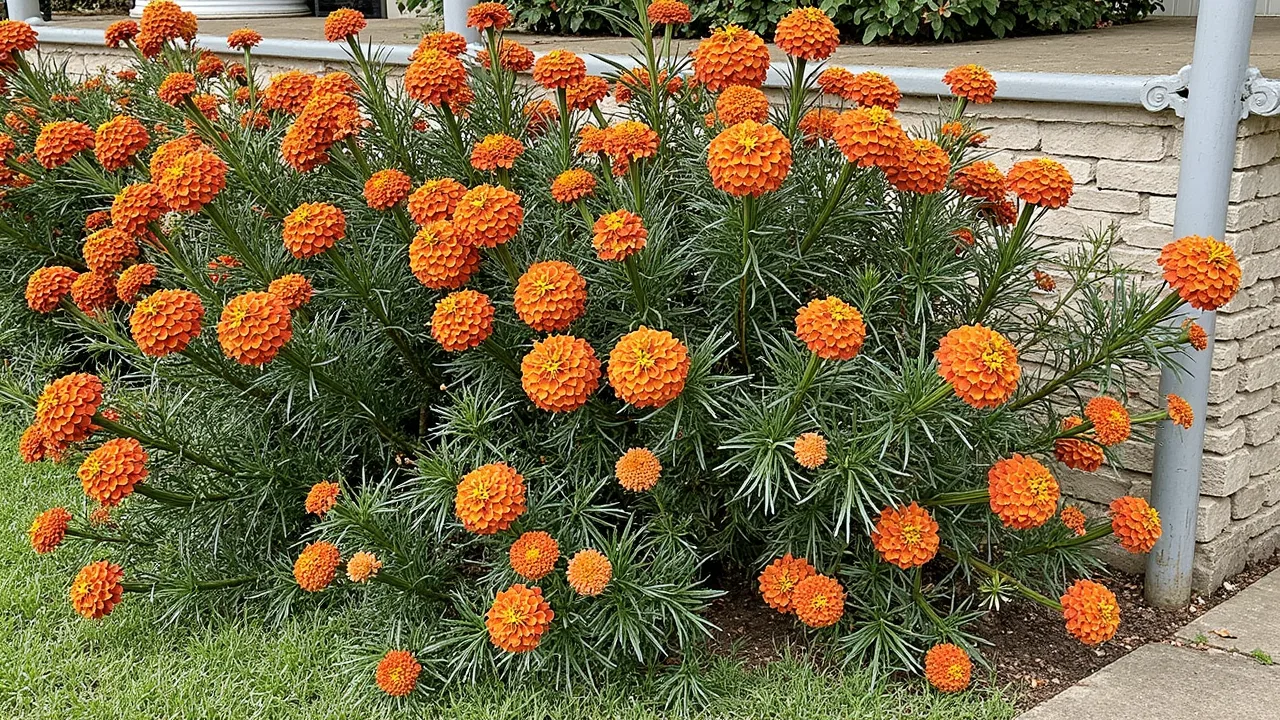
Pumpkins rely on bees for pollination, but UK bee populations can be variable, especially in cooler springs. Male flowers appear first (smaller, on long stems), followed by female flowers (with a tiny fruit at the base). To hand-pollinate, pick a male flower, remove its petals, and gently rub pollen onto the female stigma using a small brush or your finger. Do this early morning on dry days, repeating every 2–3 days for 2 weeks. If pollination fails, fruits will abort—a common issue in cool, wet springs. Encourage bees by planting nectar-rich flowers like borage, lavender, or marigolds nearby. Avoid pesticides during flowering, as they harm bees. In Scotland or northern UK, where spring weather is cooler, hand-pollination is especially recommended to boost success. For best results, plant a few extra seeds to account for potential pollination failure.
Harvesting and Storage: Maximising Your Yield
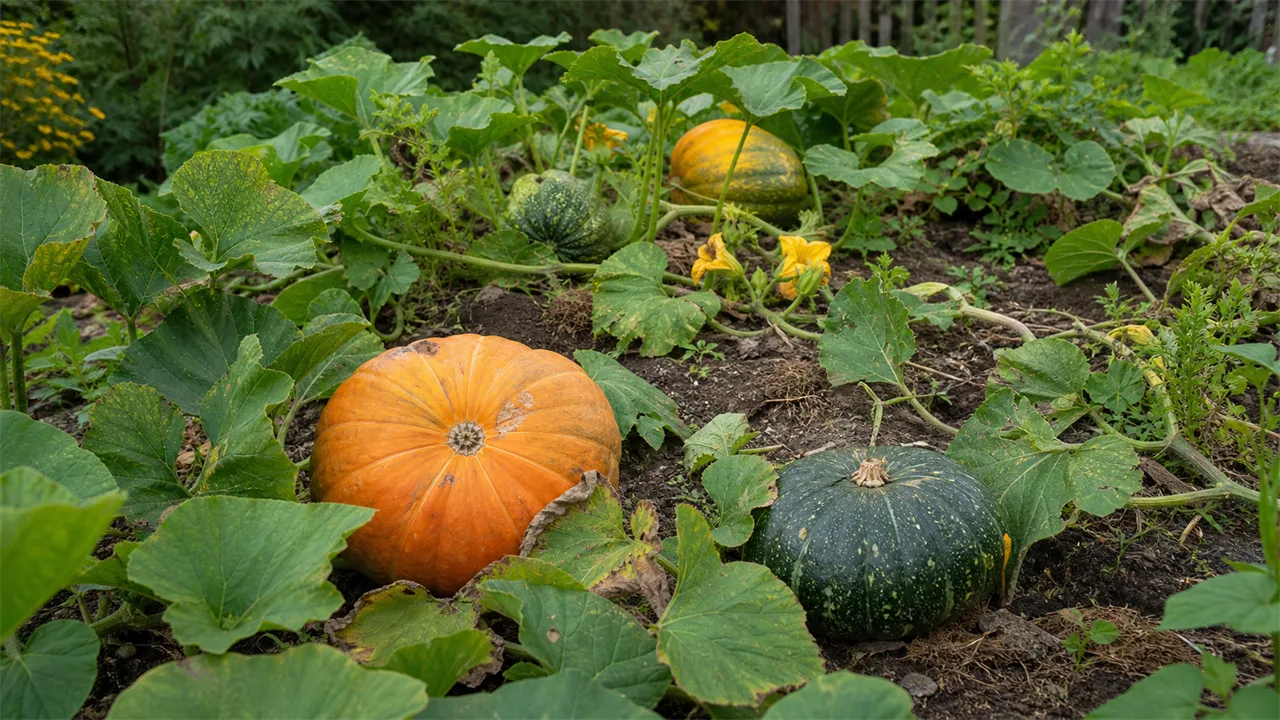
Harvest pumpkins when their skin is hard and fully coloured (deep orange for most varieties), and the stem is dry and tough. In the UK, this typically means late September to early October—check for a hard rind that resists fingernail pressure. Cut the stem with a sharp knife, leaving 5–7cm attached (never pull, as it invites rot). Do not harvest before frost—a light frost can improve flavour, but heavy frosts damage the fruit. Cure pumpkins in a warm, dry, well-ventilated place (e.g., a greenhouse) for 10–14 days to toughen the skin. Store cured pumpkins in a cool, dark, dry place (10–15°C) with good airflow—not in a damp cellar. Properly stored, they’ll keep until March. For pie-making, choose fleshier varieties like 'Kabocha' or 'Crown'—roast and puree the flesh, discarding the skin. Note: Pumpkin leaves and flowers are edible but can cause skin irritation in sensitive people (RHS); wear gloves when harvesting.
Recommended Products
GardenWizz earns a commission from qualifying purchases made through affiliate links on this page (including links within the article) — as an Amazon Associate, and from Thompson & Morgan via the Awin network. This does not affect the price you pay. See our disclaimer for details.
Related Articles
More →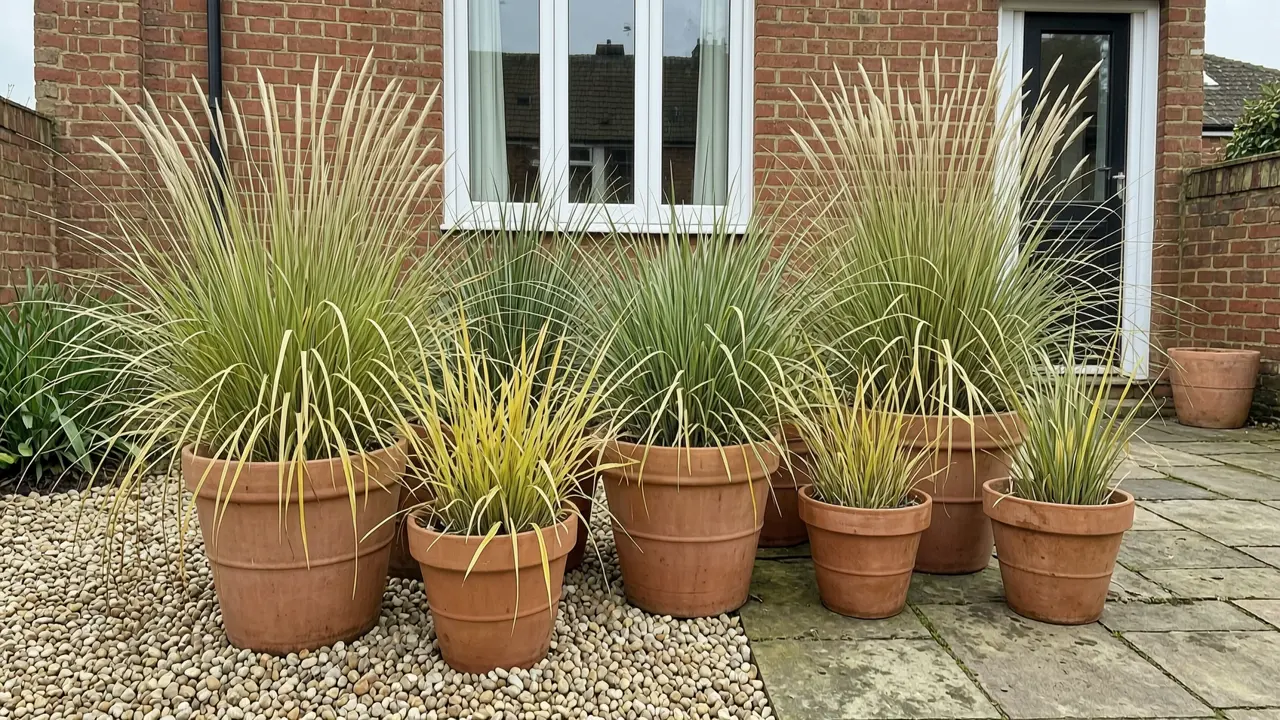 Growing Guide
How to grow ornamental grasses in pots
5 August 2026Grow ornamental grasses successfully in containers with advice on pot size, compost, watering, feeding, winter care and long-term maintenance.
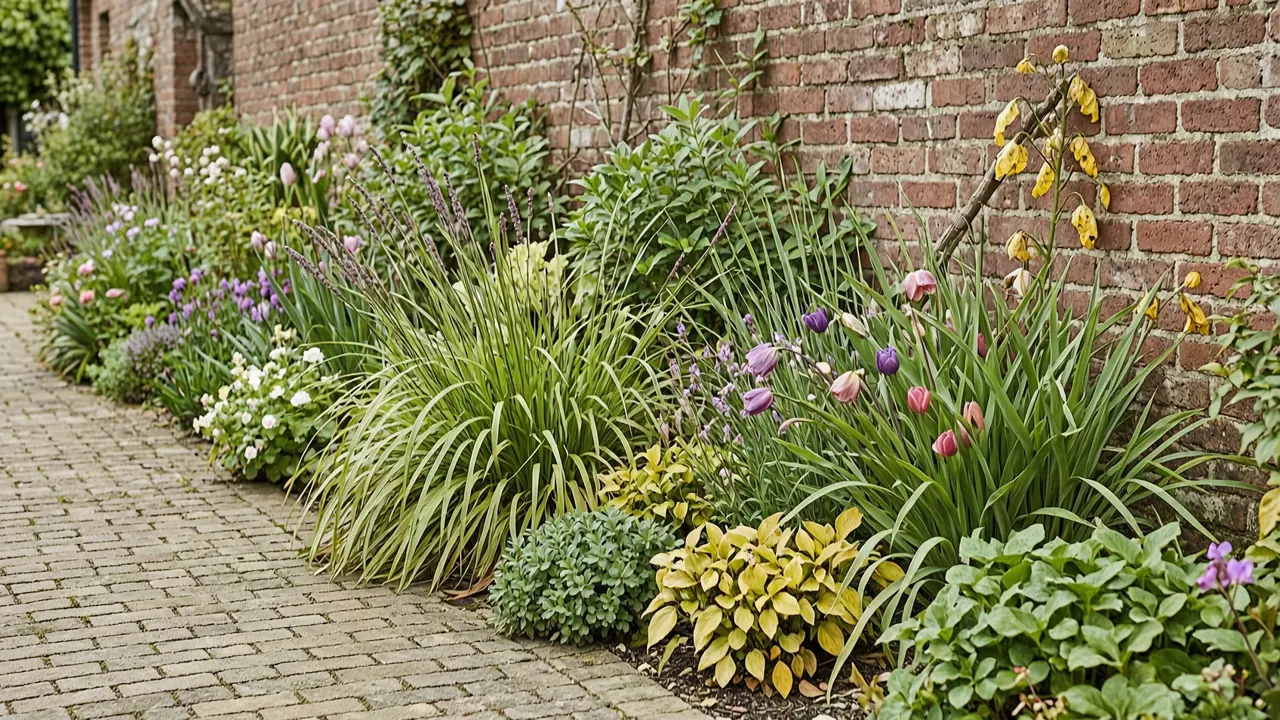 Growing Guide
How to plan a perennial border
5 August 2026Plan a balanced perennial border with practical guidance on position, colour, height, spacing, flowering succession and year-round structure.
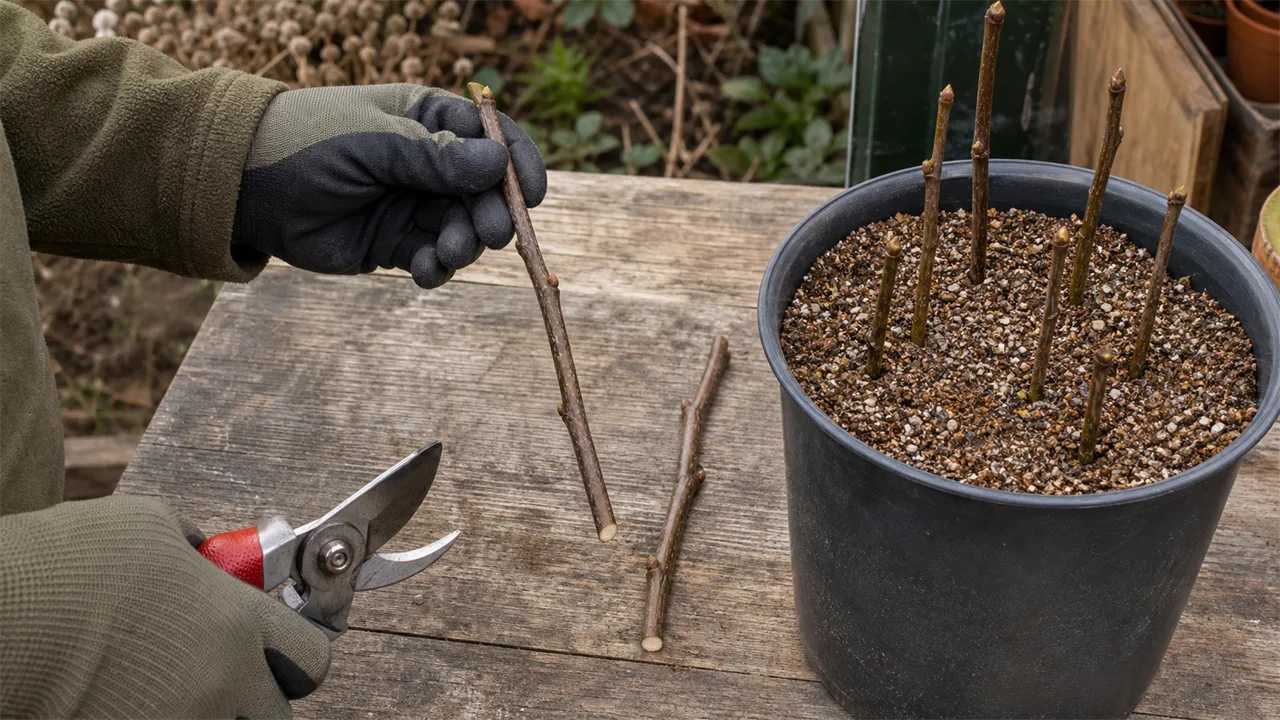 Growing Guide
How to take hardwood cuttings
29 July 2026Take hardwood cuttings from suitable dormant shrubs and climbers with this step-by-step guide to timing, preparation, rooting and aftercare.