
How to Get Rid of White Bryony
White bryony (Bryonia dioica) is a fast-growing perennial climber found scrambling through UK hedges, fences and shrubs, mainly in England. It is Britain's only native member of the cucumber family,…
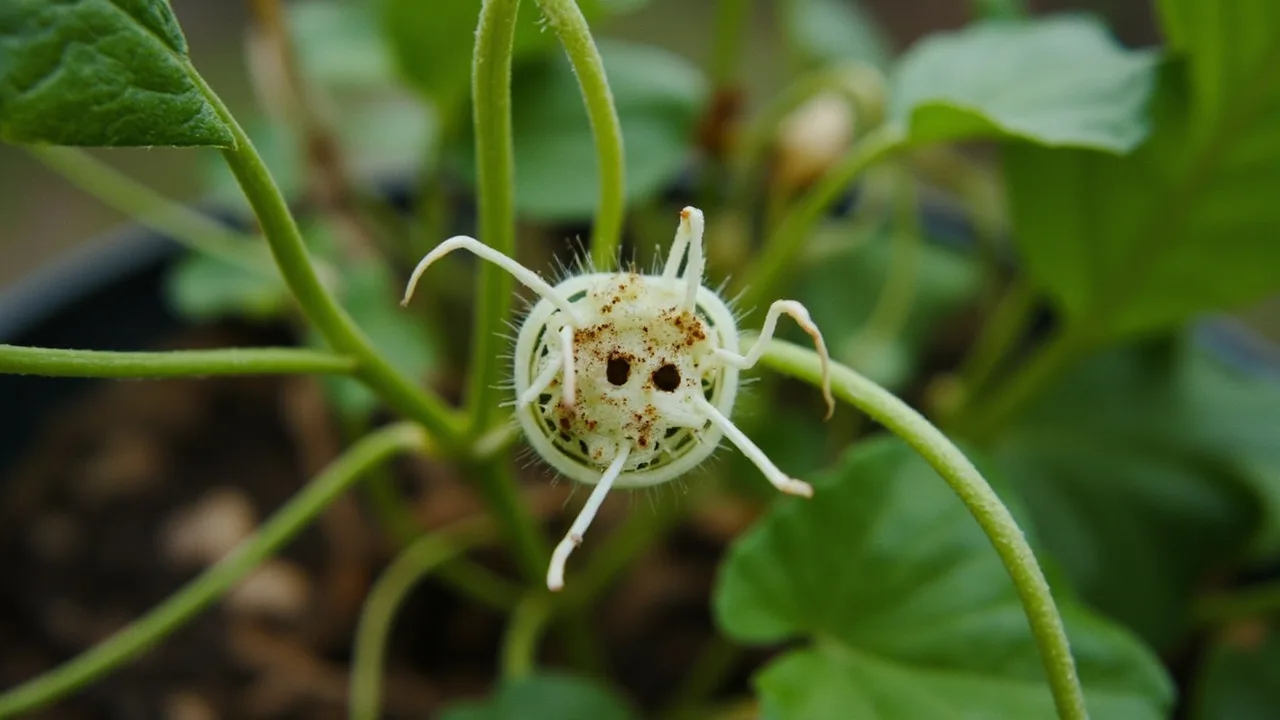
White bryony (Bryonia dioica) is a fast-growing perennial climber found scrambling through UK hedges, fences and shrubs, mainly in England. It is Britain's only native member of the cucumber family, and it climbs by coiled tendrils, dies back each winter, and regrows each spring from a very large, fleshy underground tuber. Two things make it worth dealing with carefully: it can smother and weaken the plants it climbs over, and every part of it is poisonous. This guide covers how to remove it safely.
How to identify it
White bryony has rough, ivy-shaped lobed leaves, climbs by springy coiled tendrils, and carries small greenish-white flowers in summer followed by clusters of berries that ripen from green to bright red. It dies back to the ground in winter. The giveaway is below ground: a large, pale, fleshy tuberous root, sometimes weighing several kilograms on an old plant, from which all the regrowth comes.
How to get rid of white bryony
Cut down the climbing stems. Wearing gloves, trace the stems out of the hedge or shrub they are smothering and cut them back to the base. Take care untangling the tendrils so you do not damage the host plant. Bag the cut growth and berries for disposal — do not compost.
Dig out the tuber. This is the decisive step. Because the plant regrows entirely from its large tuber, lasting control means excavating it. Dig down at the base of the stems and lever out the whole fleshy root; on an established plant this can be surprisingly large and deep. Any sizeable piece left behind will resprout, so remove it completely and dispose of it safely.
Weedkiller. Where the tuber is too deep or tangled into a valued hedge to dig out, a glyphosate-based weedkiller applied to the actively growing foliage will be carried down to the tuber. Treating the regrowth after an initial cut improves uptake. Follow the label and avoid contact with the host plant's leaves.
Stopping it coming back
Check the base of hedges and fences each spring for the first tendrils and pull or treat them while small. Because birds spread the berries, new plants can appear anywhere along a hedge line, so a yearly inspection is the best prevention. Never let the berries ripen and drop where children, pets or stock can reach them.
When to call a professional
If a large bryony is deeply rooted into an established hedge you want to keep, or you are uneasy handling a toxic plant, a professional can remove it safely and dispose of it properly. Given the poisoning risk to children, pets and livestock, it is sensible not to leave a fruiting plant in place.
Recommended Products
GardenWizz earns a commission from qualifying purchases made through affiliate links on this page (including links within the article) — as an Amazon Associate, and from Thompson & Morgan via the Awin network. This does not affect the price you pay. See our disclaimer for details.
Related Articles
More → Problem Solver
Apple Scab: How to Identify and Treat It
22 July 2026Apple trees in your garden can be a source of joy, but apple scab can turn your harvest into a disappointing mess of distorted, blackened fruit. This common fungal disease, caused by Venturia…
 Problem Solver
How to Get Rid of Burdock
21 June 2026Lesser burdock (Arctium minus) is a large biennial weed of UK hedgerows, waste ground and the neglected corners of gardens. In its first year it builds a broad rosette and a deep taproot; in its…
 Problem Solver
How to Get Rid of Broadleaf Dock
21 June 2026Broad-leaved dock (Rumex obtusifolius) is one of the most common perennial weeds of UK lawns, borders and allotments. It grows from a long, fleshy taproot and a single mature plant can shed many…