Planting Calendar
Find out what to plant, grow and do in your garden each month. Practical advice to help you get the most from your garden all year round.
UK gardening ideas. Adjust timings for your local weather, soil conditions and frost risk.
January in the Garden
A quieter month for planning, protecting plants and preparing for the growing year ahead.
View January guide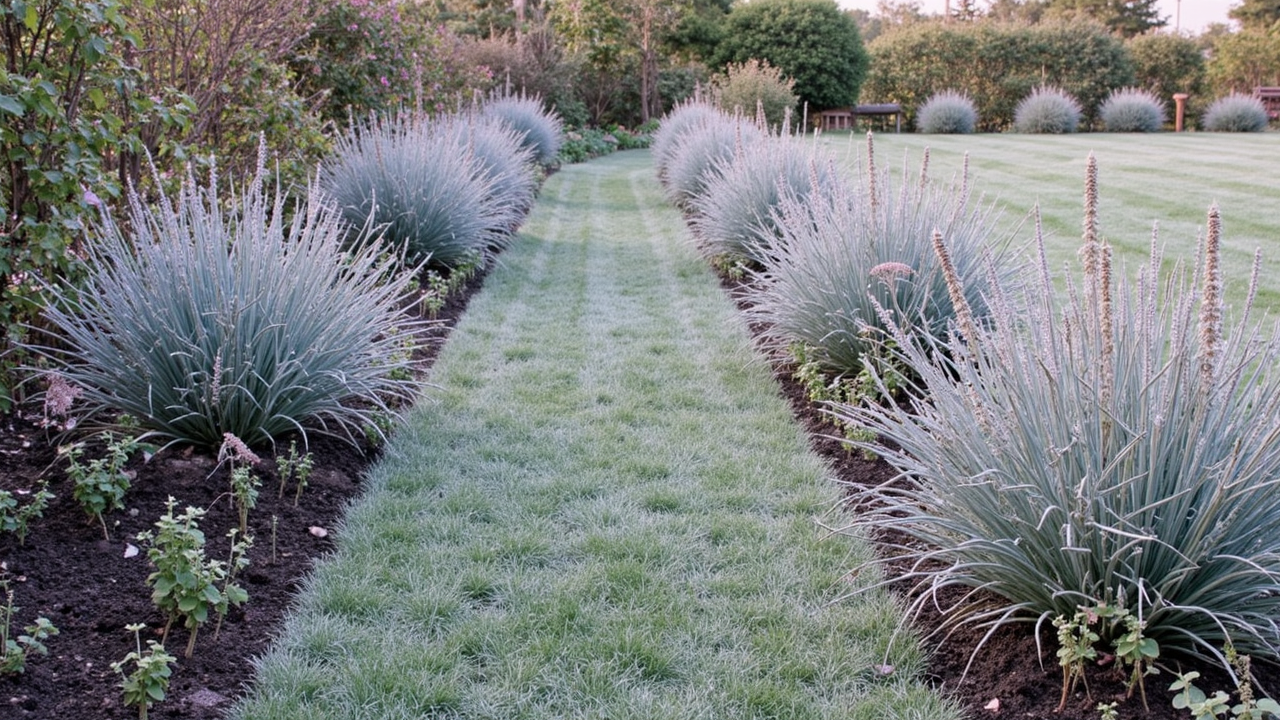
What to Plant in January
Full monthly guideFrom the planting schedules in our plant library. Check each growing guide for suitable conditions.

February in the Garden
Look for the first signs of spring and get ready for sowing as daylight begins to return.
View February guideWhat to Plant in February
Full monthly guideFrom the planting schedules in our plant library. Check each growing guide for suitable conditions.
March in the Garden
Spring is on its way. Prepare beds and start sowing when soil and weather conditions allow.
View March guide
What to Plant in March
Full monthly guideFrom the planting schedules in our plant library. Check each growing guide for suitable conditions.
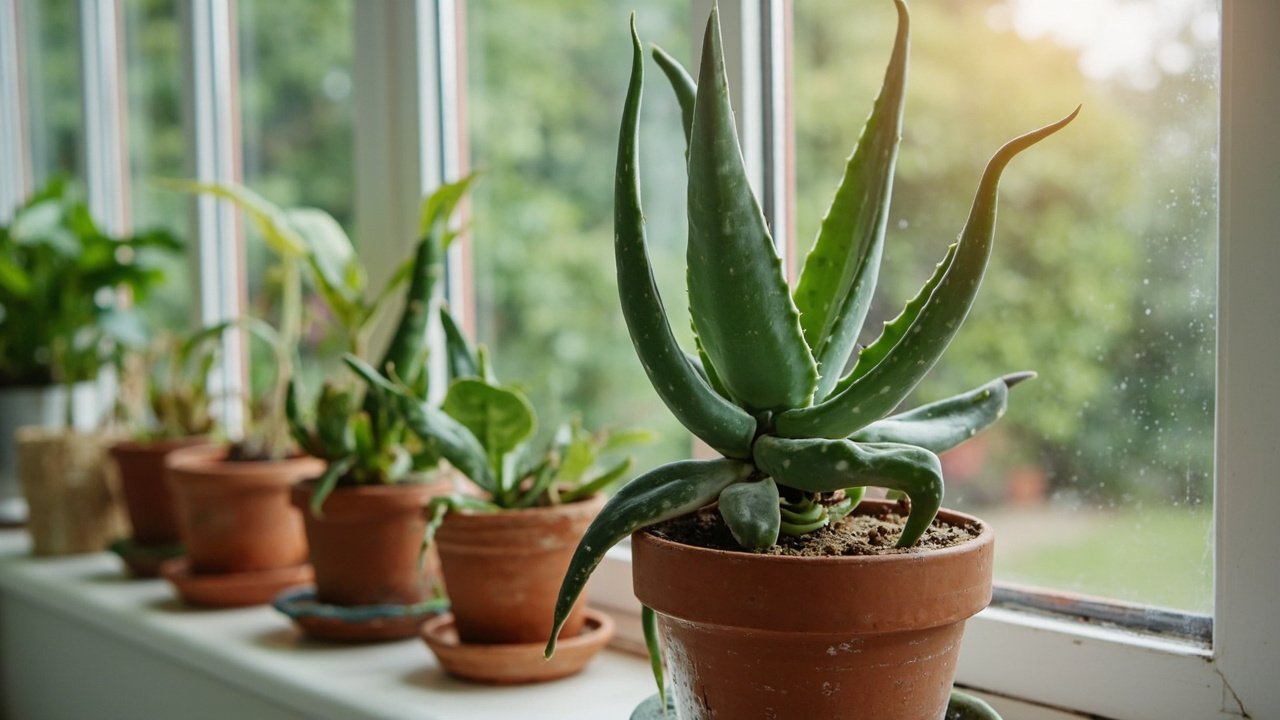
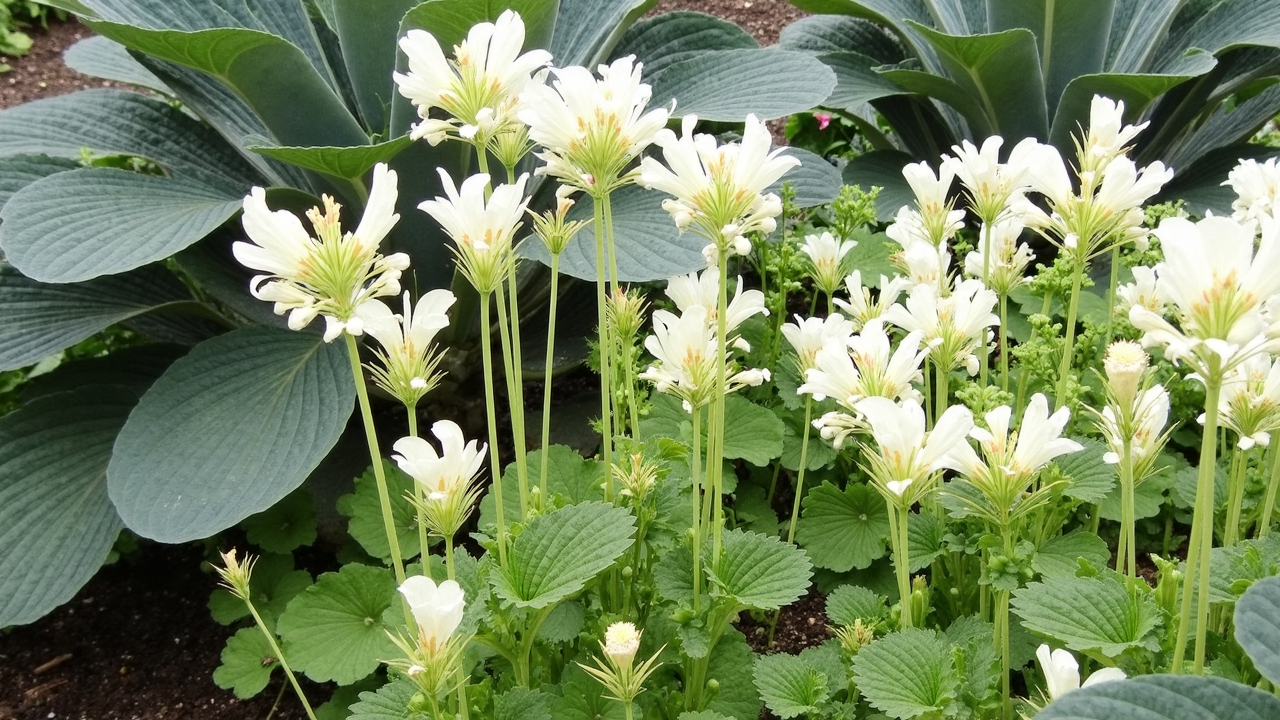

April in the Garden
A busy month for planting, sowing and preparing for the growing season. Keep an eye on late frosts.
View April guideWhat to Plant in April
Full monthly guideFrom the planting schedules in our plant library. Check each growing guide for suitable conditions.
May in the Garden
The garden is gathering pace. Continue sowing and harden off young plants before planting out.
View May guideWhat to Plant in May
Full monthly guideFrom the planting schedules in our plant library. Check each growing guide for suitable conditions.
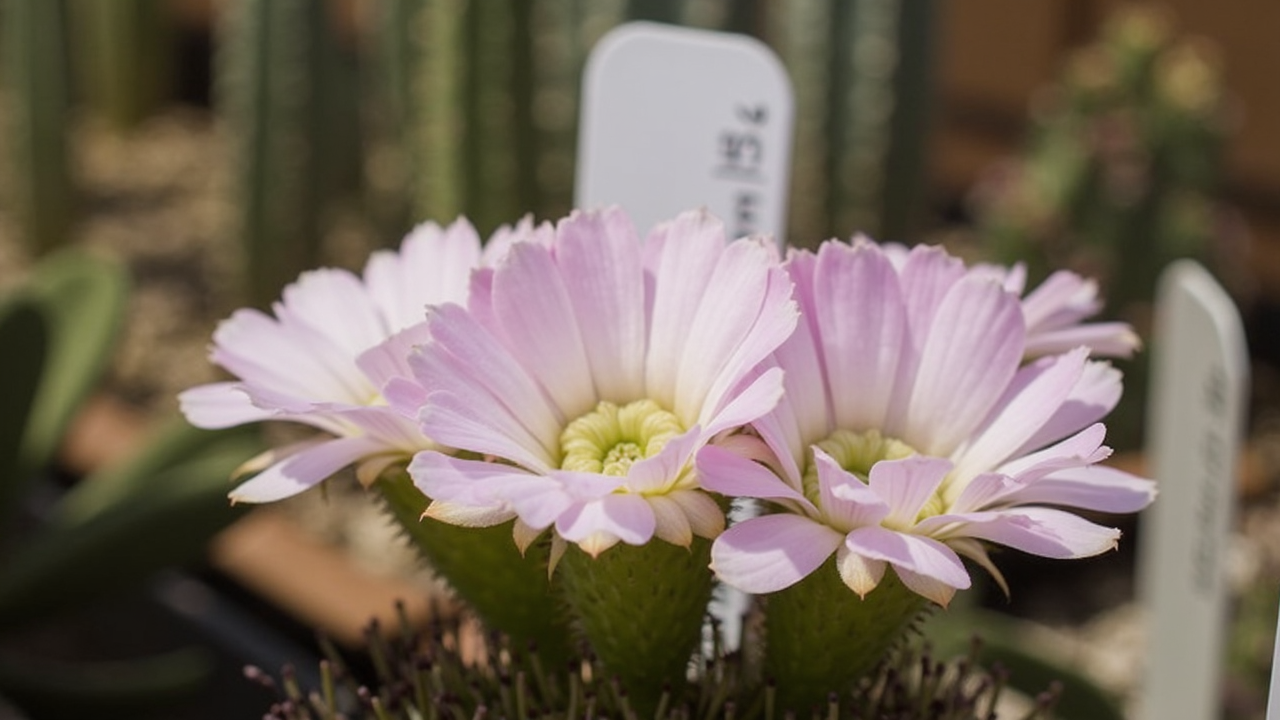
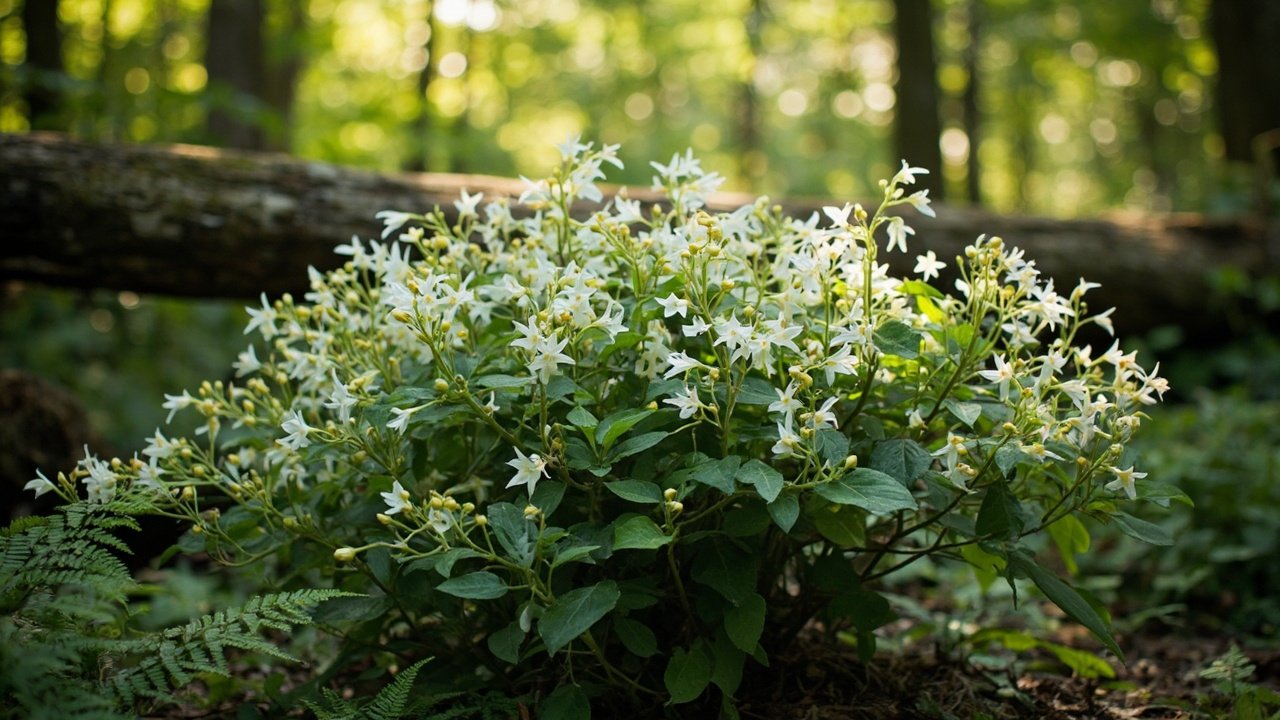

June in the Garden
Long days bring plenty to do: keep up with watering, support new growth and enjoy early harvests.
View June guide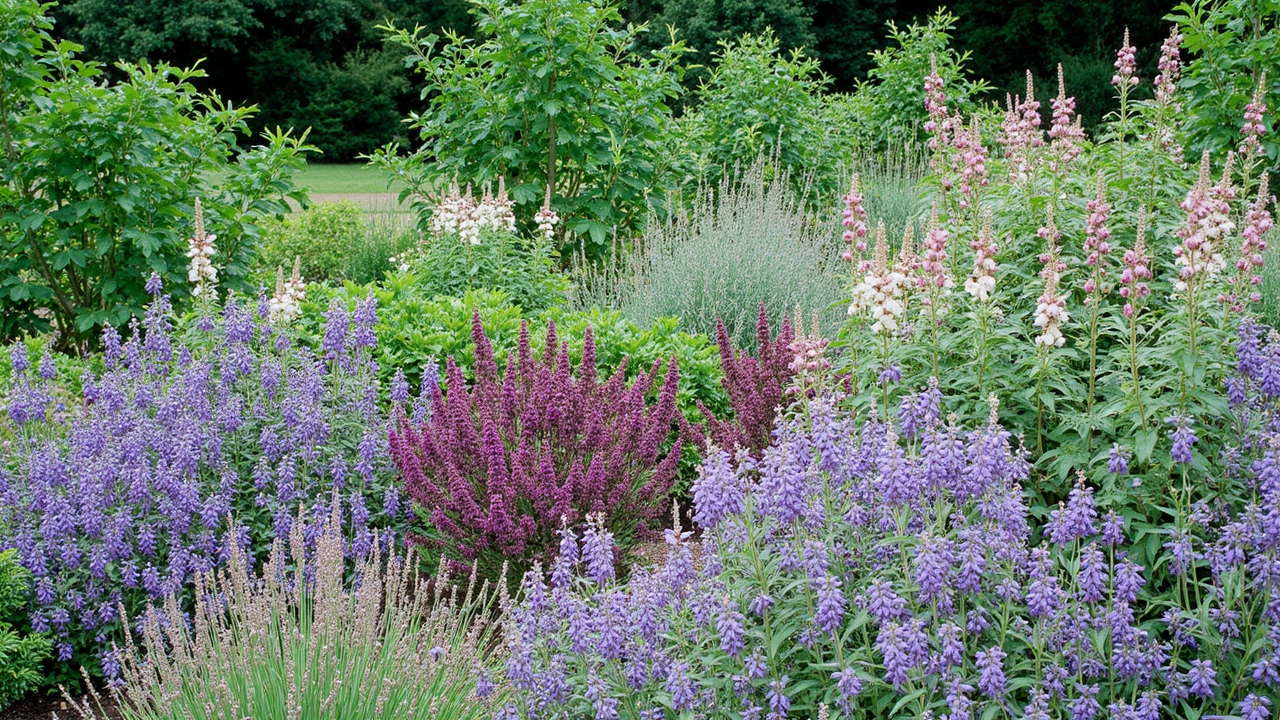
What to Plant in June
Full monthly guideFrom the planting schedules in our plant library. Check each growing guide for suitable conditions.

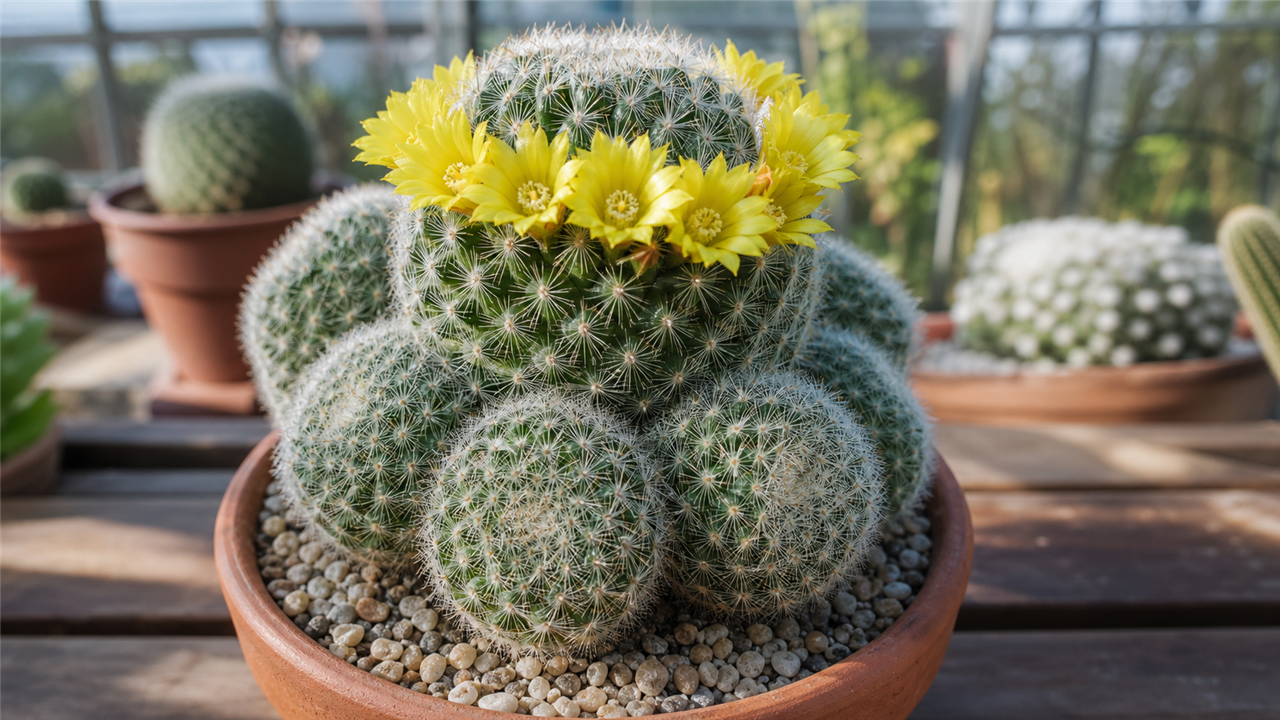
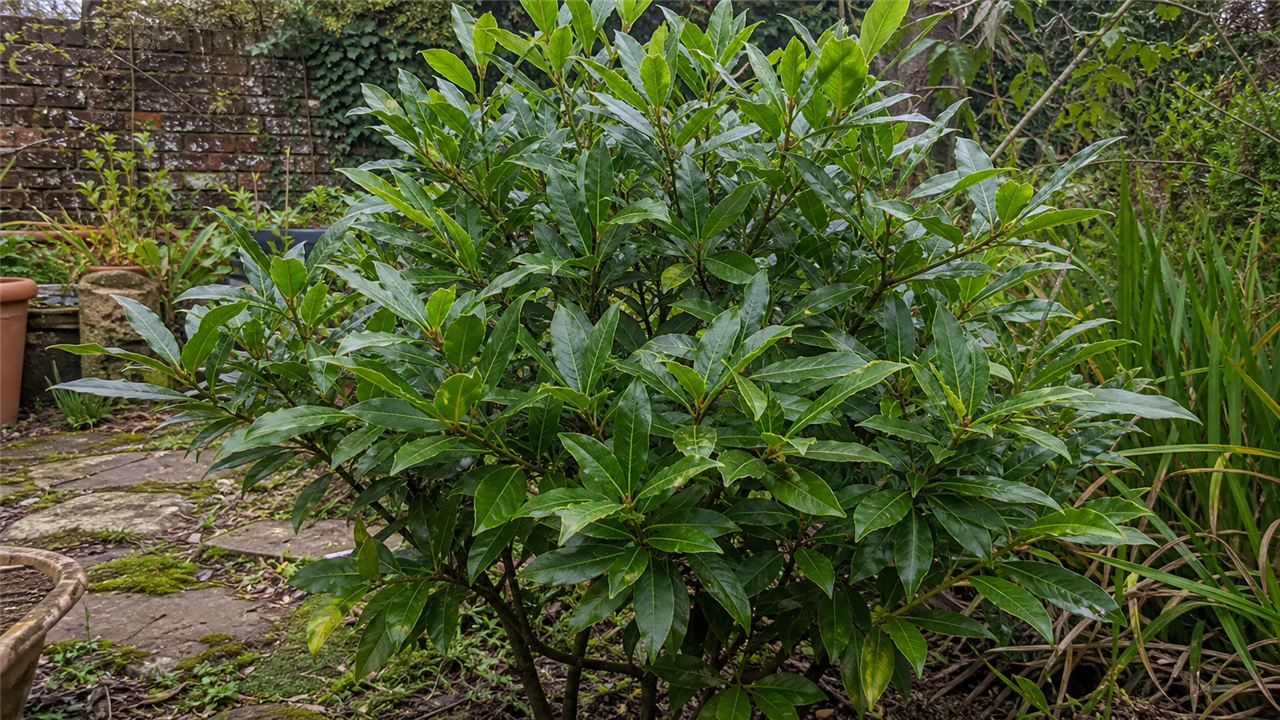
July in the Garden
Enjoy the garden at its fullest. Water thoughtfully, pick regularly and keep displays flowering.
View July guideWhat to Plant in July
Full monthly guideFrom the planting schedules in our plant library. Check each growing guide for suitable conditions.
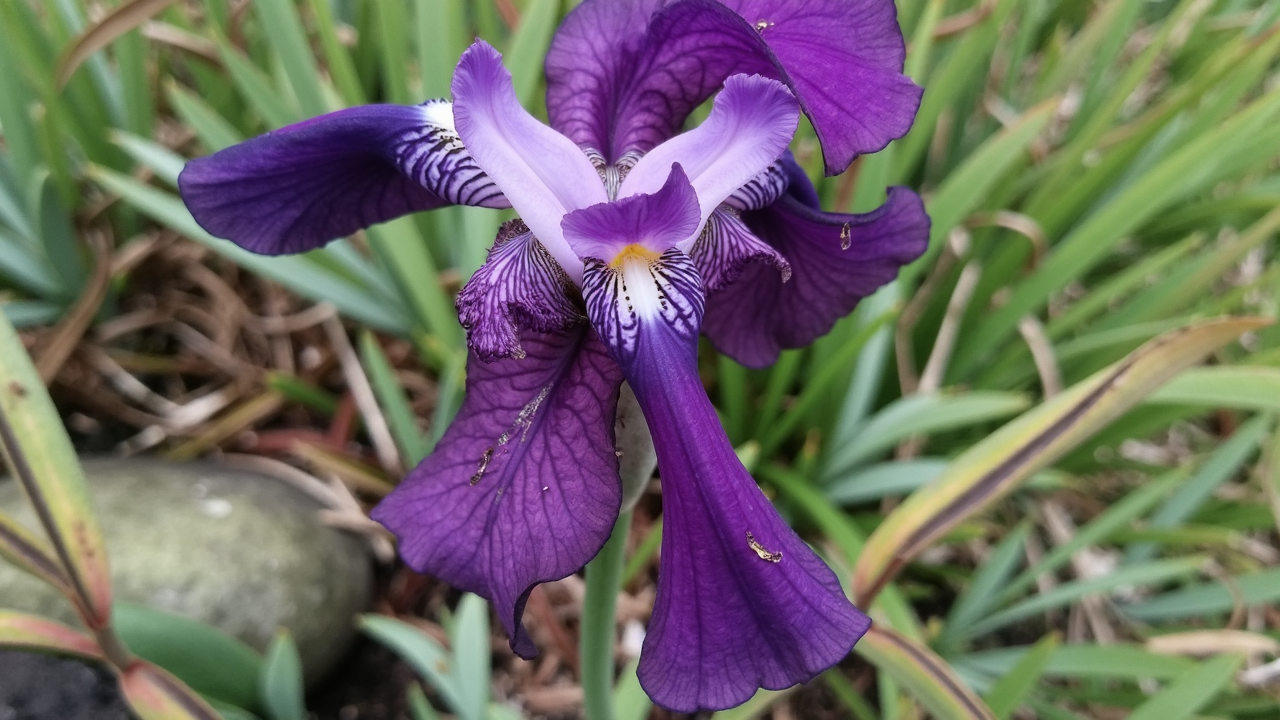

August in the Garden
Keep harvesting and caring for summer displays while making plans for the months ahead.
View August guideWhat to Plant in August
Full monthly guideFrom the planting schedules in our plant library. Check each growing guide for suitable conditions.
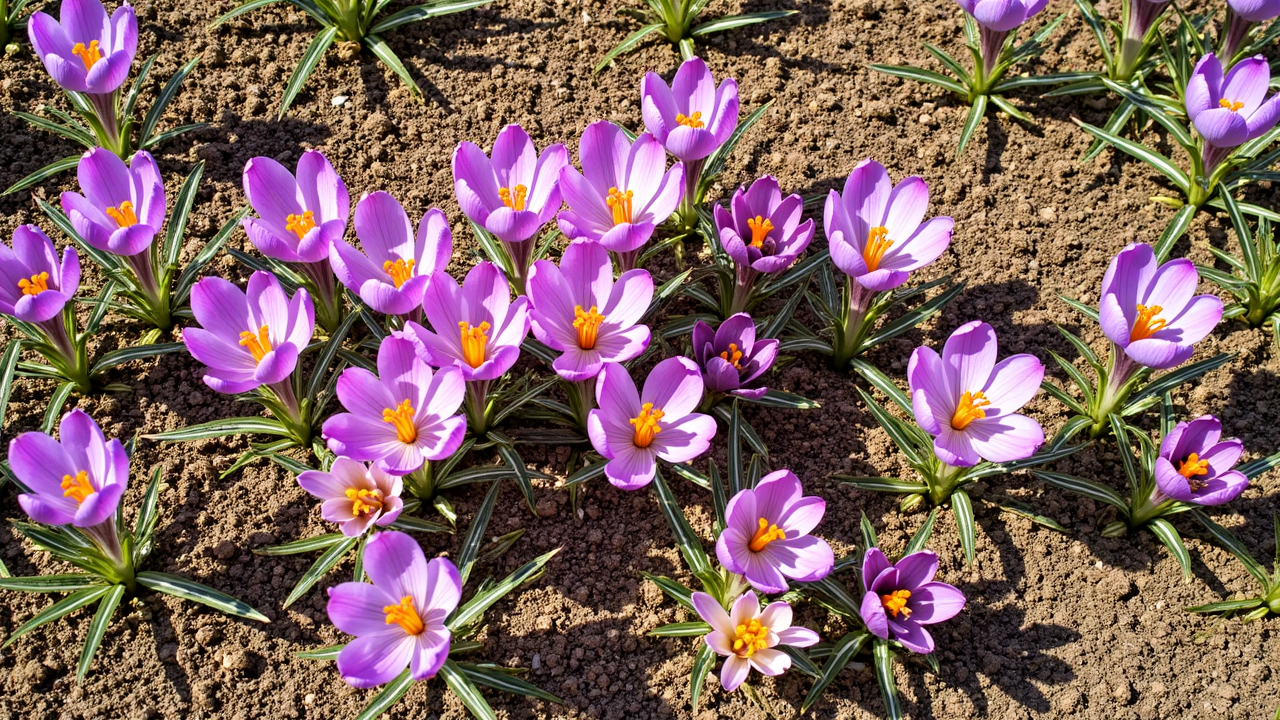
September in the Garden
Make the most of warm soil and begin preparing your garden for the changing season.
View September guide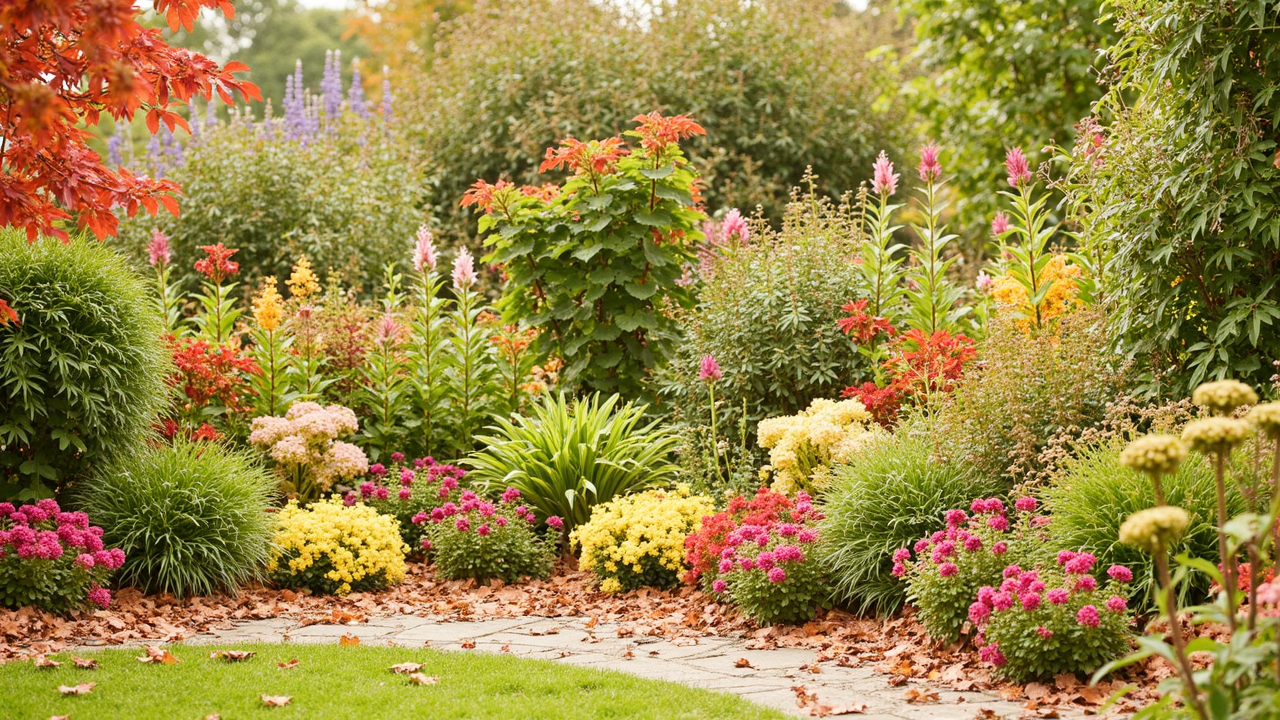
What to Plant in September
Full monthly guideFrom the planting schedules in our plant library. Check each growing guide for suitable conditions.
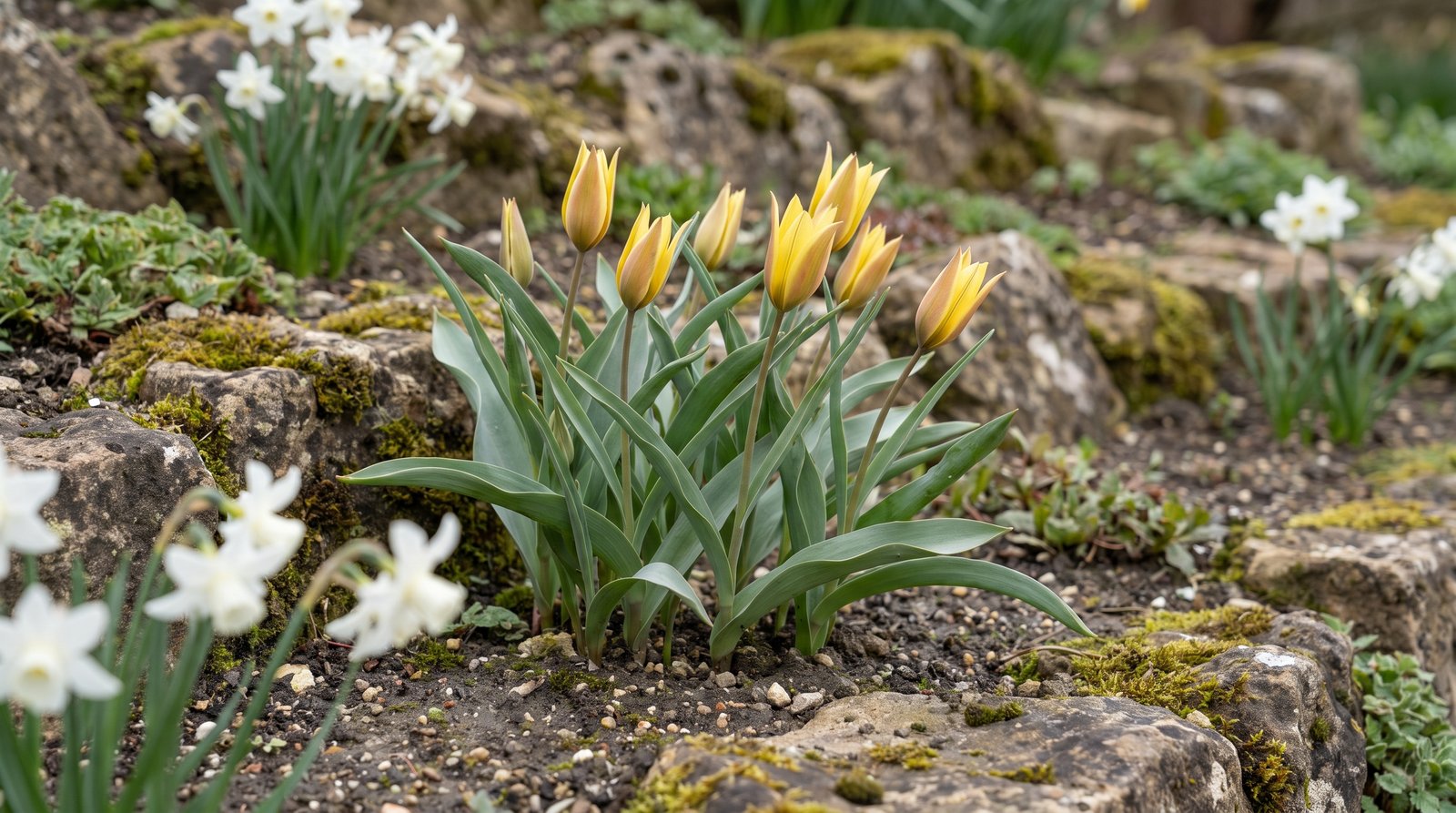
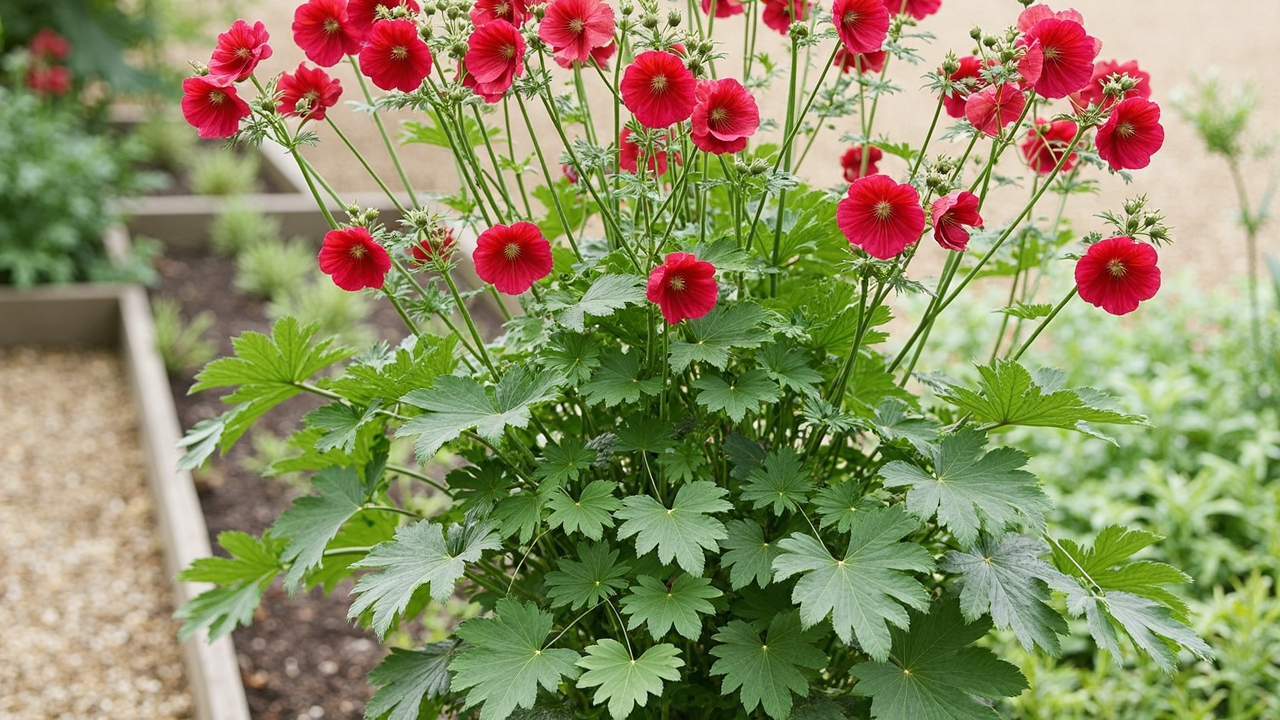
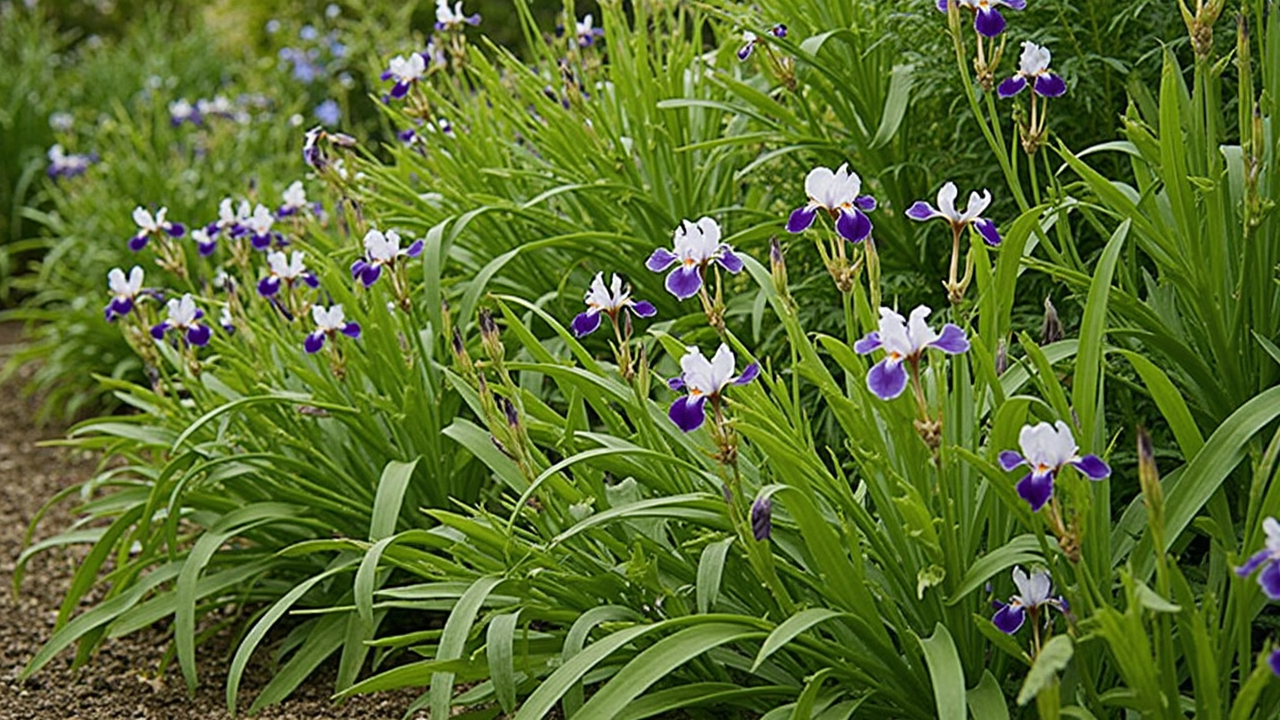
October in the Garden
Autumn colour, planting opportunities and practical jobs to prepare your garden for winter.
View October guideWhat to Plant in October
Full monthly guideFrom the planting schedules in our plant library. Check each growing guide for suitable conditions.
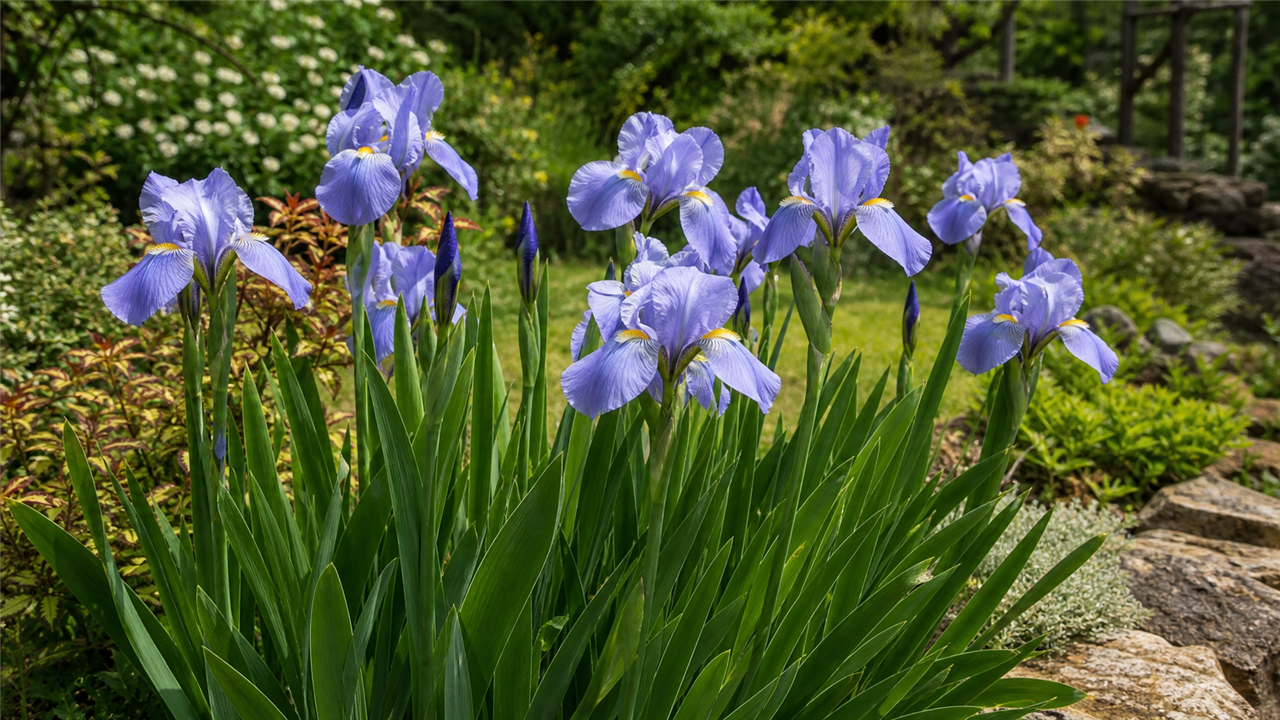
November in the Garden
Protect tender plants, look after your soil and take advantage of suitable planting weather.
View November guideWhat to Plant in November
Full monthly guideFrom the planting schedules in our plant library. Check each growing guide for suitable conditions.
December in the Garden
A time to plan, check winter protection and enjoy the quieter corners of your garden.
View December guideWhat to Plant in December
Full monthly guideFrom the planting schedules in our plant library. Check each growing guide for suitable conditions.