Golden Oats
Stipa gigantea · giant feather grass
The Gardening Year
Best months in UK gardens · full planting calendar →
🖨 Printable care card (PDF)At a Glance
| Botanical name | Stipa gigantea |
|---|---|
| Common name(s) | golden oats, giant feather grass |
| Family | Poaceae |
| Plant type | grass (Evergreen perennial ornamental grass) |
| Height × Spread | 1.5–2.5 m × 50–100 cm |
| Position | Full sun |
| Soil | Moderately fertile, medium to light, well-drained soil |
| Flowering | June–October |
| Toxicity | No specific toxicity warning is listed by the RHS. |
| Native range | South-west Europe and north-west Africa |
Overview
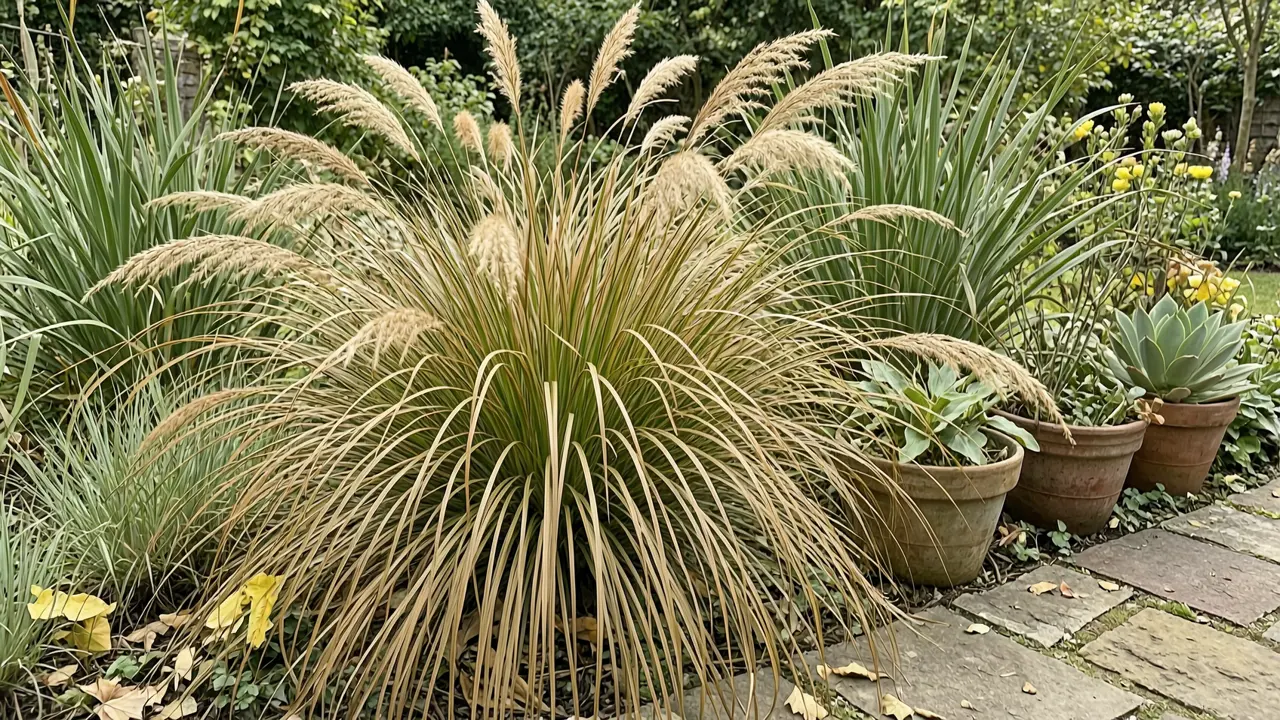
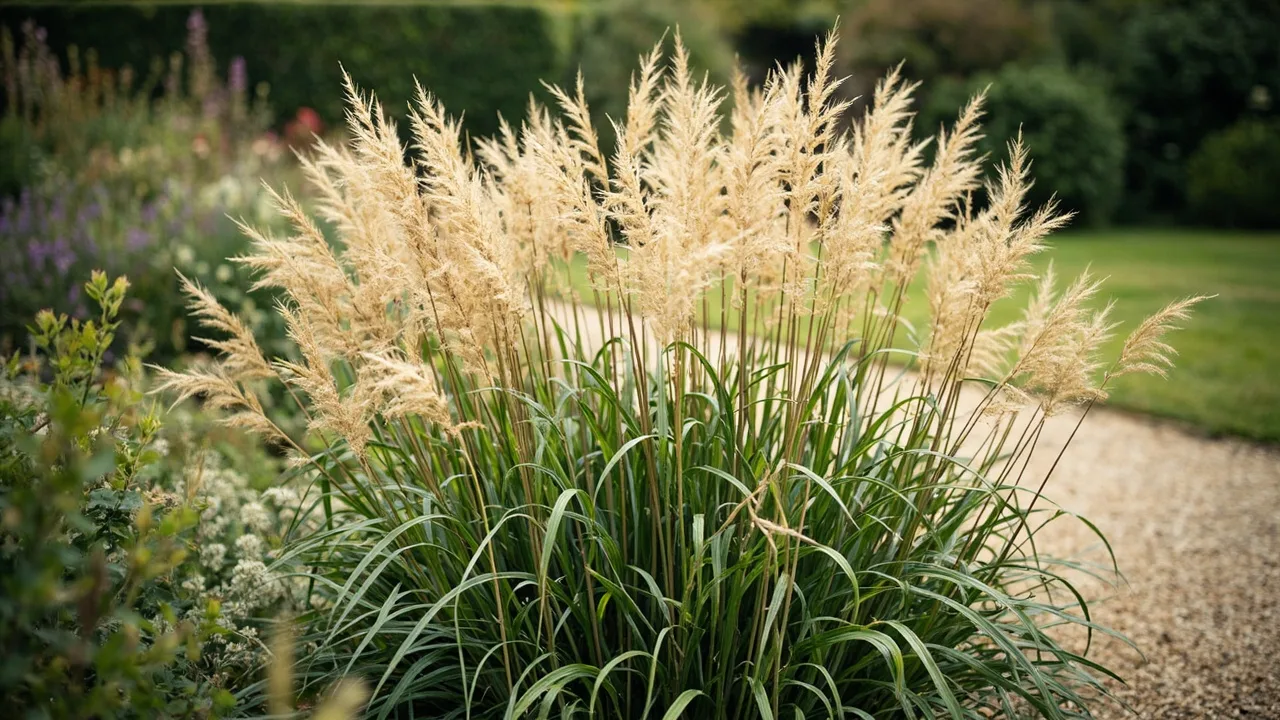
Stipa gigantea, the golden oats, is the largest and most architectural of the hardy stipas sold in UK gardens, and the one that turns a flat grass border into something painterly. Native to Spain, Portugal and North Africa, it forms a tight evergreen tussock of narrow leaves barely 60 cm tall, but in early summer it sends up its flower stems, and those stems are the show: a fountain of fine, arching, oat-like panicles held on wiry stalks that lift the whole plant to 1.8–2.5 m in a good UK summer. The flowers catch the low evening sun, glow amber and gold through July and August, and stay attractive well into autumn before the seeds ripen and the stems collapse. It is one of the classic "see-through" plants in UK garden design — placed at the front of a border or in the middle of a planting, you can look through the flower stems to see what is behind, which makes it invaluable for adding height without bulk.
Appearance
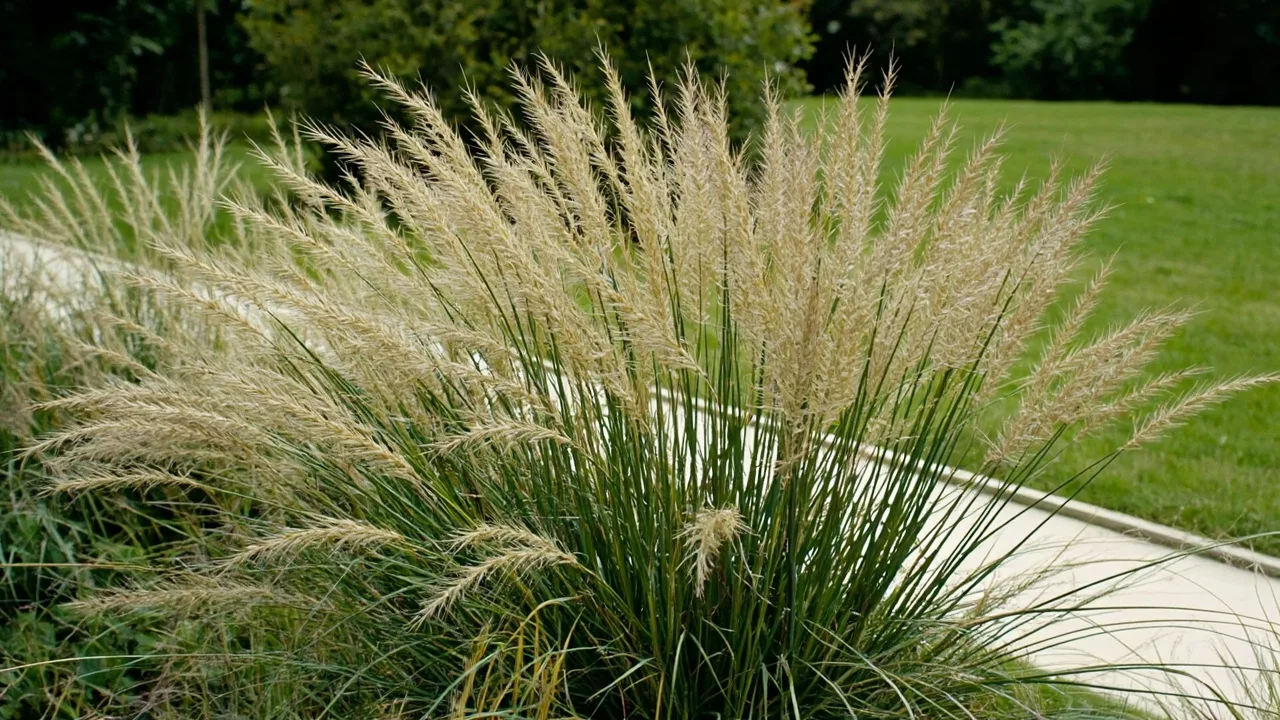
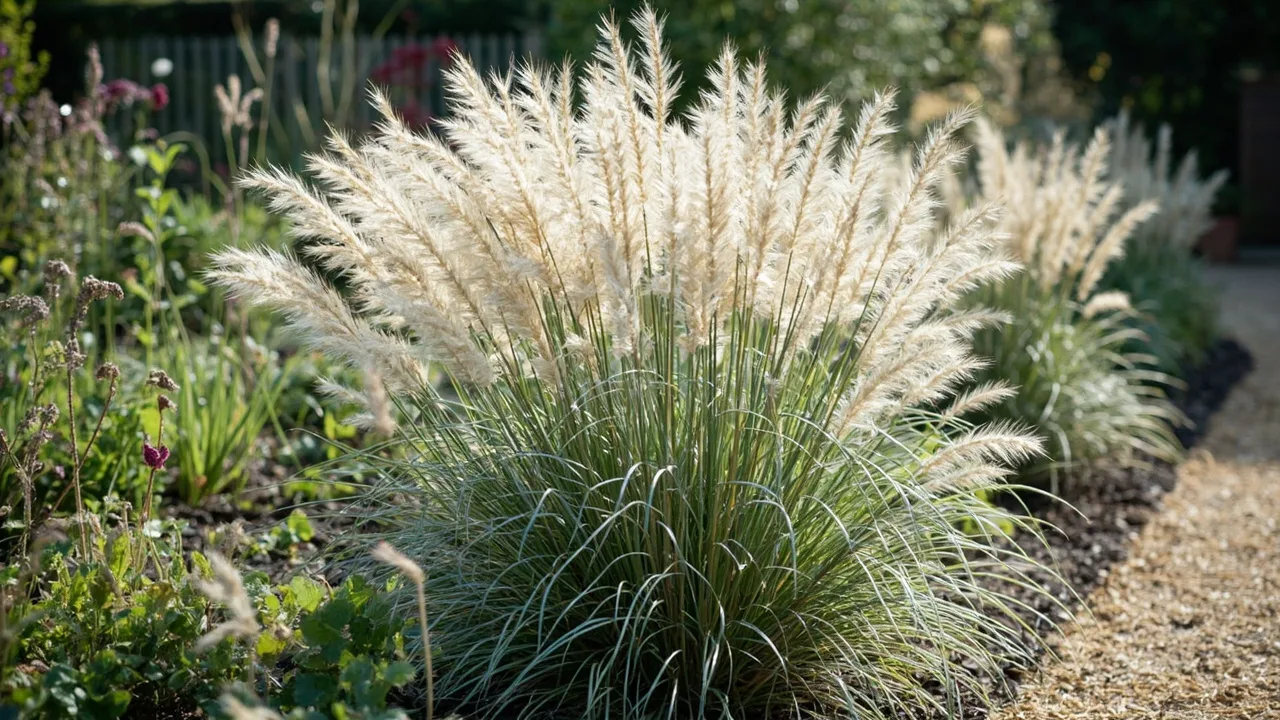
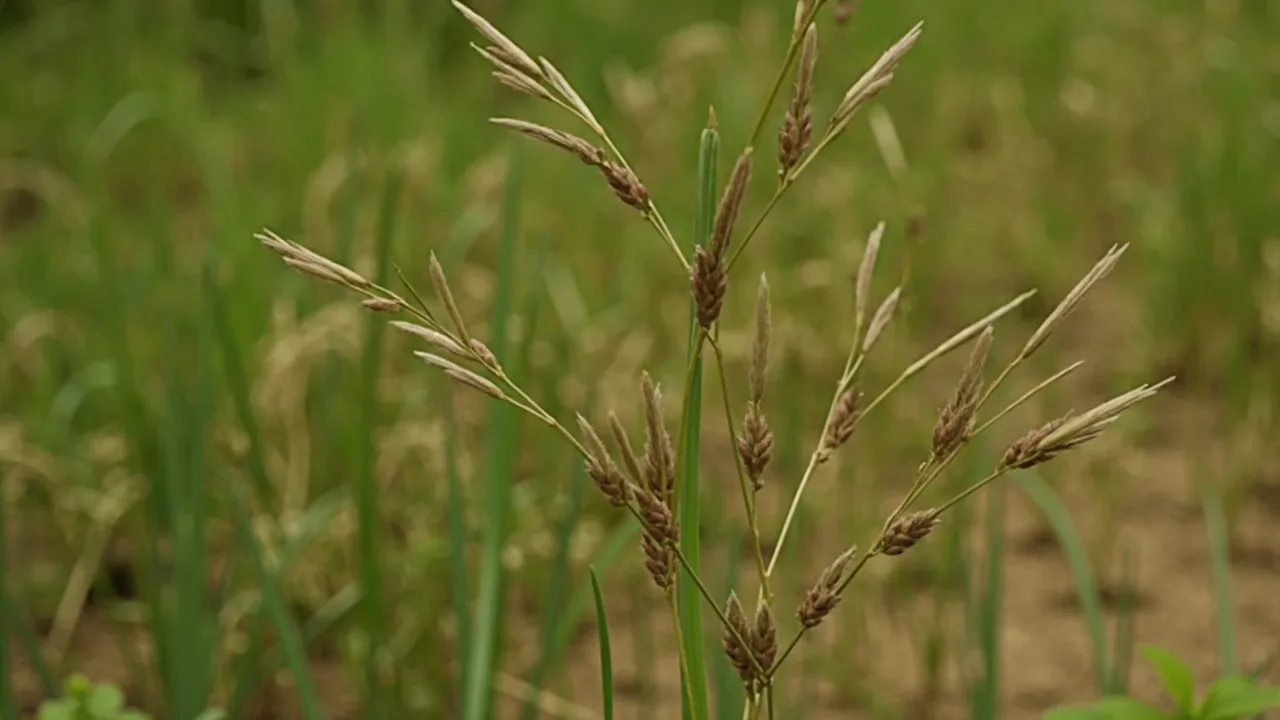
The low tussock of Stipa gigantea is a tight, slightly arching clump of fine, evergreen, mid-green leaves, about 50–70 cm tall and roughly as wide at the base after a few years in the ground. From late May to early June the plant pushes up tall, slender flower stems that rise well above the foliage and carry loose, open panicles of oat-like spikelets; in early summer the spikelets are pale green, ripen through silver and purple-bronze in July, and turn a deep, glowing gold in late summer. The flowering stems are remarkably light and airy, moving constantly in the slightest breeze, and this is the visual signature of the plant — solid green base, transparent golden canopy above. As autumn progresses the stems dry to a pale straw and may collapse outward; in a sheltered spot they stay upright through winter and look good in low winter light.
Growing Conditions
Stipa gigantea wants full sun and deep, free-draining soil and is one of the most drought-tolerant ornamental grasses you can plant in a UK garden. It is hardy to RHS H4 (−10 to −5 °C) and tolerates cold across most of the British Isles provided the ground is not waterlogged, but on flat heavy clay it can rot out in a wet winter, especially if planted too deeply. Soil pH is unimportant — neutral to alkaline suits it, and it tolerates acid soils without complaint. In the warmer, drier south and east of the UK the plant reaches its full 2.5 m potential in flower; in colder, wetter gardens in the north and west it grows shorter — typically 1.5–2 m in flower — but is still a striking garden plant. Established clumps are extremely drought-tolerant and thrive in poor, stony soil where many other grasses would struggle.
Planting and Care
Plant container-grown Stipa gigantea in spring (April–May) so the crown has the full growing season to establish before its first UK winter, or in early September in milder areas. Set the crown at the same depth it was in the pot — not deeper — and space plants about 90–120 cm apart to give each the room it needs to throw out its full flower canopy. Water in well during the first growing season only; once established the plant resents summer irrigation and rich feeding, both of which produce lush, weak growth that collapses in autumn. The single annual job is the winter or spring tidy: in late February or March, comb out the old flower stems and any dead foliage with your hands or a spring-tine rake, working from the outside in and avoiding damage to the new green shoots emerging at the base. Mature clumps resent division; if you need to propagate, do it from seed sown in spring, or accept that the plant is best left undisturbed for many years.
Common Problems
Wet-heavy-clay winter rot is the only common cause of failure and shows up as a collapsed, mushy crown in early spring with little new growth; the remedy is to lift and replant in better-drained ground, or to start again on a slope or raised bed with generous grit worked into the planting hole. Self-seeding can be prolific in light, free-draining soils, and seedlings may appear in paving cracks and gravel areas within a metre or two of the parent plant; deadhead before seed sets if containment is important, or accept the volunteers as a feature. The plant is largely unbothered by slugs, snails and rabbits, which is one of its advantages in a wildlife-friendly garden. Rust can mark the leaves in a damp, crowded planting in late summer, but is rarely serious and is best managed by improving air movement rather than spraying. Cutting the plant back hard in autumn is a common mistake — leave the foliage and flower stems on over winter for protection and aesthetic value, and tidy in spring instead.
Popular Varieties
The species itself, Stipa gigantea, is the form to grow for the full-size 1.8–2.5 m flowering display in UK gardens, and most named forms sold in UK nurseries are seed-grown individuals of the species rather than distinct cultivars. A slightly shorter selection sometimes offered as 'Goldfontain' or 'Pixie' reaches about 1.2–1.5 m in flower and is useful in smaller gardens or at the front of a grass border, though it is less widely available in UK trade. The closest smaller relatives in UK cultivation are /plants/stipa-tenuissima (Mexican feather grass), a 30–50 cm fine-textured evergreen mound that flowers at the same time and makes a useful front-of-border partner, and /plants/stipa-calamagrostis (pheasant grass), a 90–120 cm upright deciduous grass that flowers slightly later in the season and extends the grass display into late summer. For a year-round evergreen grass layer beneath the tall golden-oats canopy, /plants/anemanthele-lessoniana (pheasant's tail grass) gives warm bronze foliage through the coldest months and is the standard UK pairing for Stipa gigantea in a naturalistic grass planting.
Recommended Products
GardenWizz earns a commission from qualifying purchases made through affiliate links on this page (including links within the article) — as an Amazon Associate, and from Thompson & Morgan via the Awin network. This does not affect the price you pay. See our disclaimer for details.