Lady Fern
Athyrium filix-femina · common lady fern
The Gardening Year
Best months in UK gardens · full planting calendar →
🖨 Printable care card (PDF)At a Glance
| Botanical name | Athyrium filix-femina |
|---|---|
| Common name(s) | lady fern, common lady fern |
| Family | Athyriaceae |
| Plant type | fern (Deciduous) |
| Height × Spread | 60–90 cm × 50–100 cm |
| Position | Full shade, Partial shade |
| Soil | Moist but well-drained; humus-rich, leaf-mould enriched; tolerates clay provided not waterlogged; Acid, Neutral or slightly Alkaline pH |
| Flowering | — |
| Toxicity | — |
| Native range | UK and temperate Europe, North America, parts of Asia |
Overview
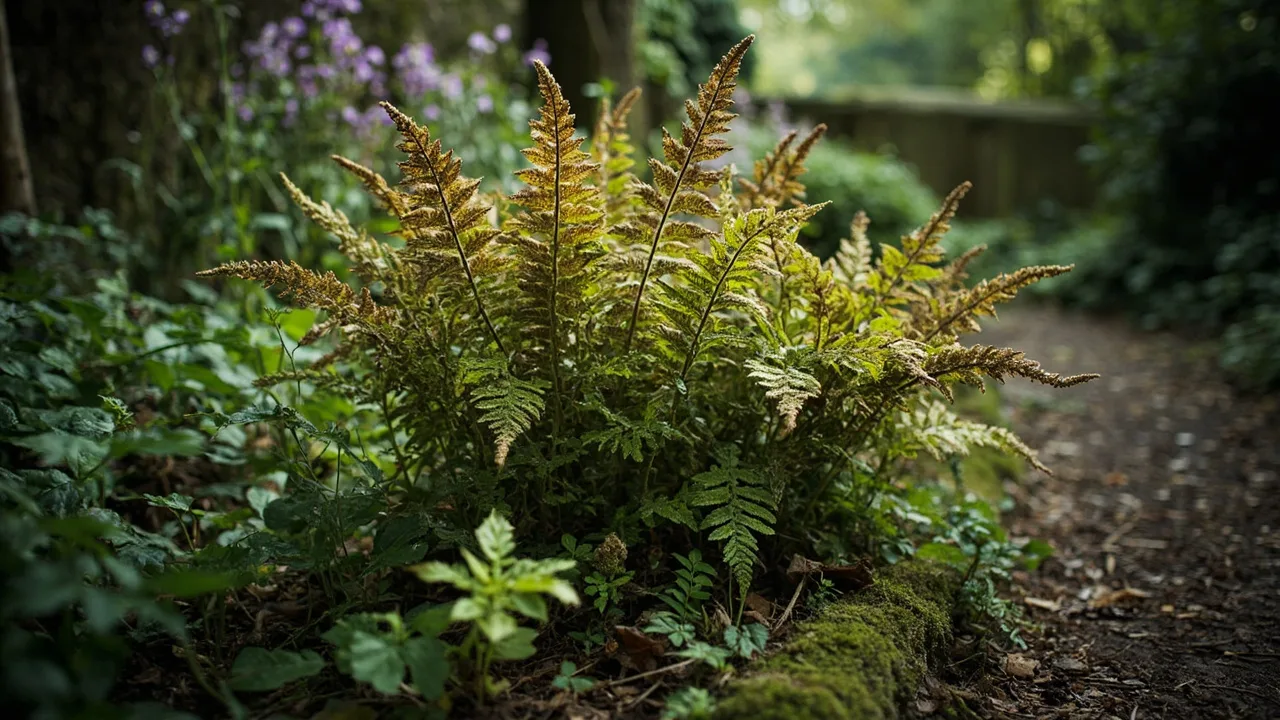
Athyrium filix-femina, the lady fern, is the classic deciduous British woodland fern and one of the few ferns that is genuinely native to the UK. It turns up across damp, shaded parts of Scotland, Wales, northern England and the West Country, and is the fern you are most likely to find naturalised in old wooded gardens and along stream banks. In cultivation it earns its place by being unfussy about pH, reliably hardy in every part of the UK, and graceful enough to anchor a shaded border through the whole growing season. The soft, lacy fronds emerge in mid-spring, unfurl through April and May, and stay fresh and green until the first real frost in October or November, when the whole plant collapses back to a tight crown at soil level and disappears for the winter. It is widely confused with the scaly male fern, Dryopteris affinis; the two are close visual neighbours in UK plantings but are easily told apart once you know what to look for.
Appearance
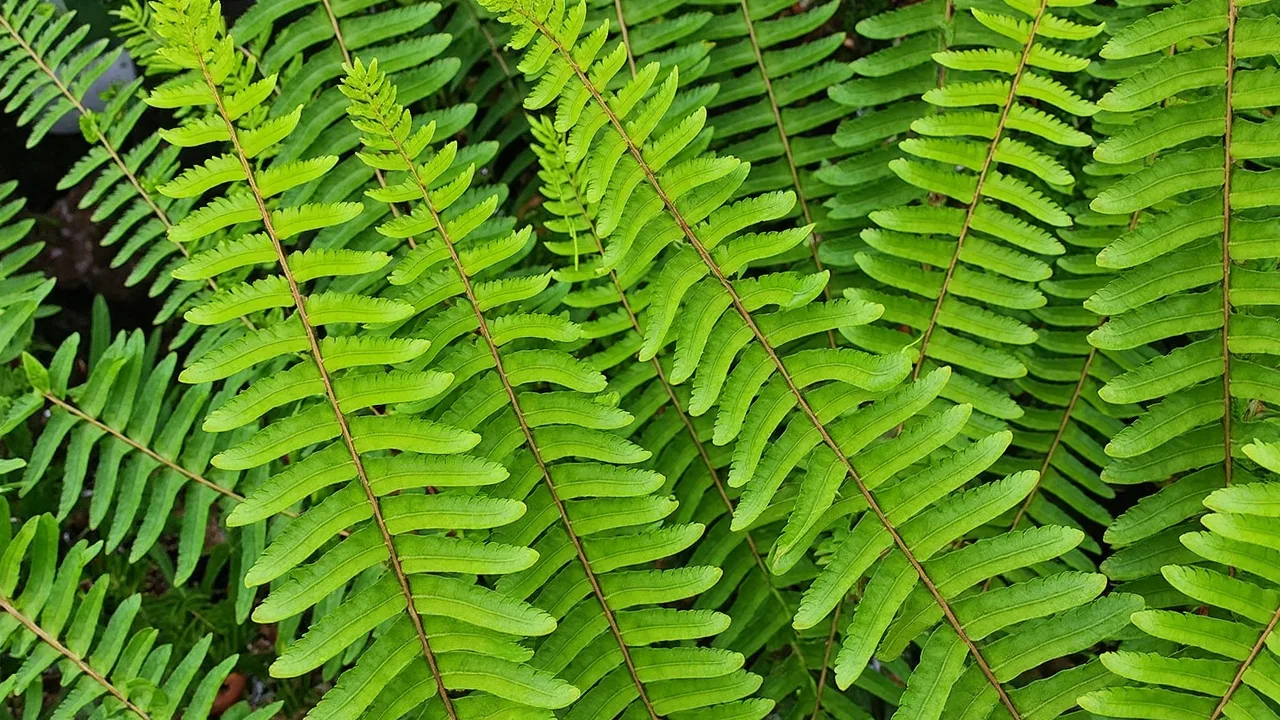
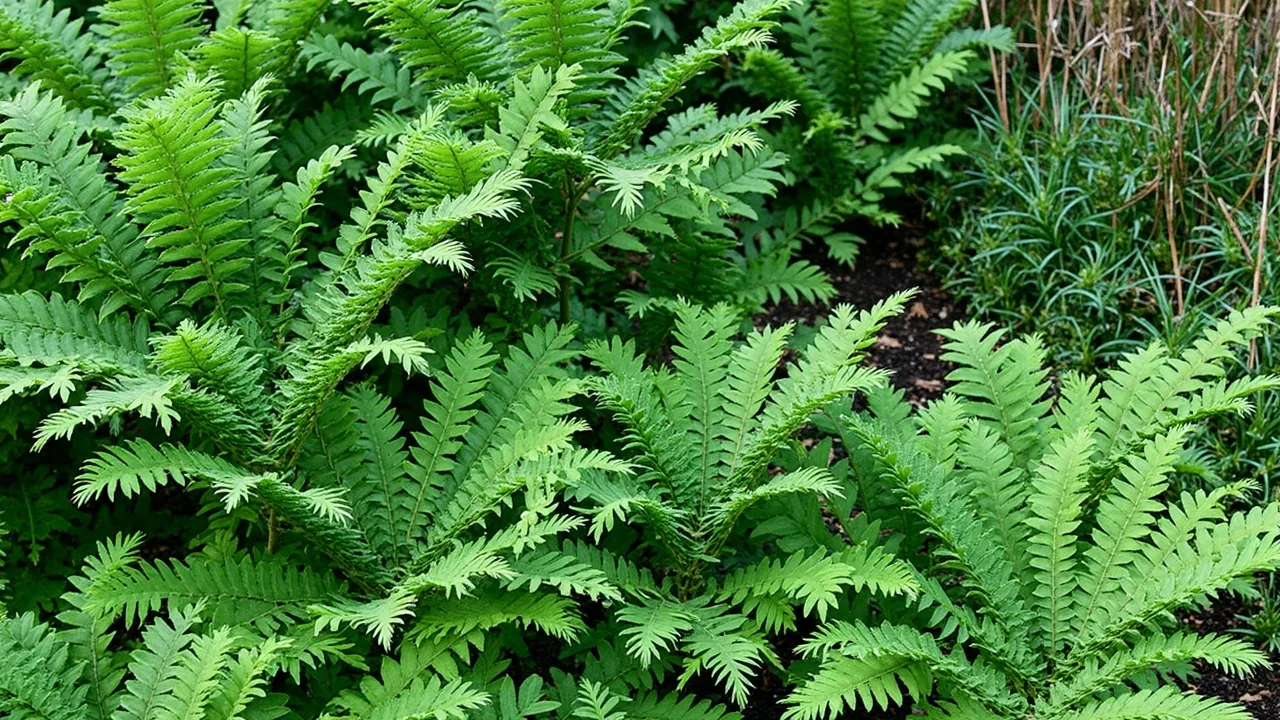
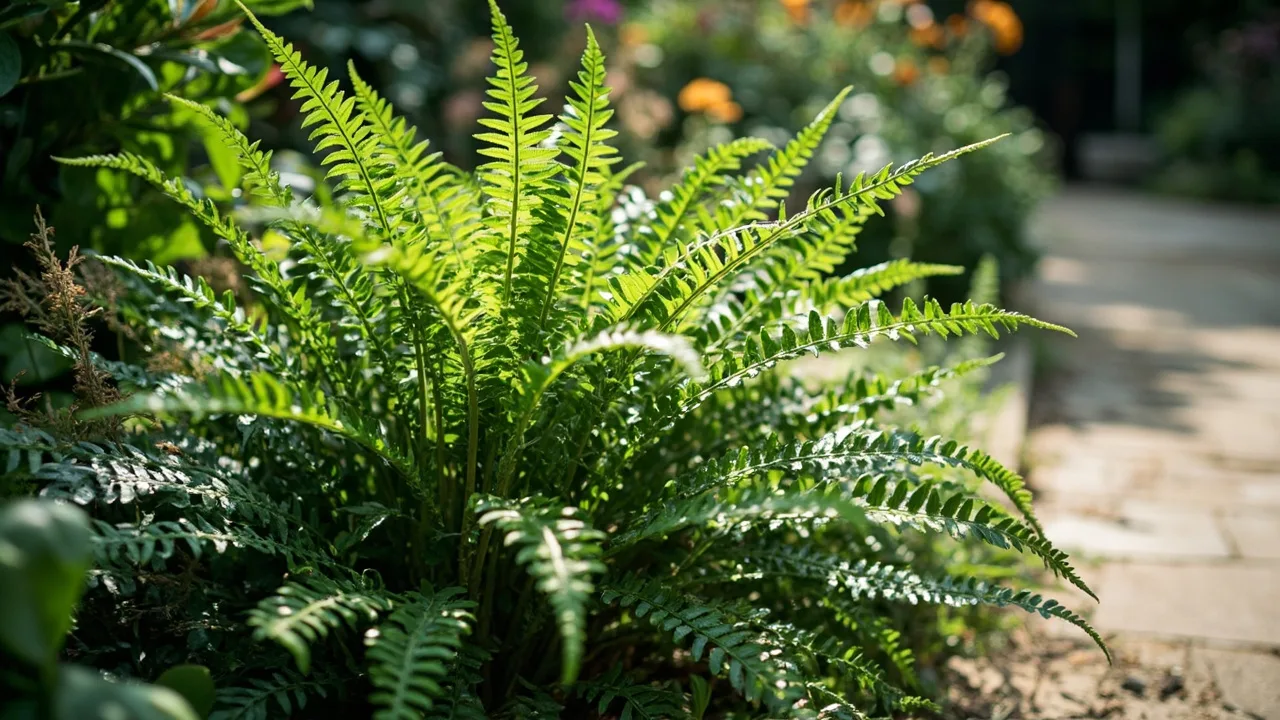
Lady fern makes a shuttlecock of soft, arching, bipinnate fronds about 60–90 cm tall and roughly as wide at the base, larger in ideal damp shade and a little smaller in drier spots. Each frond is a fresh, light green and noticeably lacy — finer-cut than almost any other commonly grown hardy fern — and the whole plant has a softer, more feminine outline than the bulkier, stiffer shield ferns. The stalks are smooth and pale, sometimes flushed pink at the base, and the tiny pinnae along each frond give it that feathery look the common name leans on. In late summer you may find the small, kidney-shaped sori lined up along the underside of fertile fronds, but lady fern is grown for its shape rather than its spore display. New fronds unroll in a distinctive crozier shape from the centre of the crown, and a happy plant will push up a fresh flush of fronds even in mid-summer after a spell of rain.
Growing Conditions
The natural UK habitat — damp, shaded woodland with leaf-mould-rich, slightly acid soil — is the template to aim for. Lady fern is hardy to RHS H7 (−20 to −15 °C), so cold is not a problem anywhere in the British Isles; the limiting factors are drought, deep shade under conifers with surface roots, and baking sun, all of which will scorch and stunt the fronds. Soil should stay moist but drain; the plant tolerates clay surprisingly well provided the ground does not waterlog in winter, and is comfortable in acid, neutral and mildly alkaline soils. A sheltered, north- or east-facing aspect under deciduous canopy is ideal, where the plant gets winter wet but is shaded from the strongest summer sun. Light levels matter: deep shade is fine, but a few hours of dappled light in the morning brings out the best frond colour and keeps the crown compact rather than drawn up and leggy.
Planting and Care
Plant container-grown lady fern any time from autumn through to early spring, avoiding the dry weeks of high summer when the new transplants will struggle without daily watering. Improve the planting hole with leaf mould or well-rotted garden compost and water in well; mulch with the same material each autumn to mimic the natural leaf-litter that lady fern grows through in the wild. The only routine job is tidying: cut away the old fronds once they have collapsed and turned brown in November or December, leaving the crown clean for the new season's croziers. Every three or four years lift and divide congested clumps in early spring, splitting the crown with a sharp spade and replanting the vigorous outer pieces into freshly improved soil. Do not feed heavily — a single autumn mulch of leaf mould is plenty — and avoid fast-release fertilisers, which can scorch the new croziers in spring.
Common Problems
Drought stress is by far the most common cause of a poor lady fern, and shows up as scorched, browning frond edges in mid-summer; the remedy is a deep weekly soaking during dry spells and a 5–8 cm mulch of leaf mould or bark to keep roots cool and moist. Vine weevil can attack pot-grown lady ferns more often than plants in open ground, so check the compost around the crown in autumn for the small white grubs and treat with a nematode biological control if needed. New fronds are vulnerable to late frosts in April and May, which can blacken the croziers; if a hard frost is forecast after the fronds have started to unfurl, throw a couple of layers of horticultural fleece over the crown overnight. Lady fern is generally less palatable to slugs and snails than many of the tougher shield ferns, so the slug damage that riddles hostas and polypodiums usually leaves lady fern alone — that is one of its genuine advantages in a damp, shaded UK garden.
Popular Varieties
The species itself, Athyrium filix-femina, is by far the most widely grown plant in UK gardens and is what you will find offered as "lady fern" in nearly every nursery. The named form most often seen in cultivation is Athyrium filix-femina 'Lady in Red', which has the same soft shuttlecock shape but red-tinted stalks that lift the lacy fronds visually and read well against a dark shaded background. A smaller, more refined selection sometimes listed for the front of a shaded border is Athyrium filix-femina 'Frizelliae', the tatting fern, whose pinnae are reduced to little beads along the stipe — striking but slower-growing and best in a sheltered, humus-rich pocket. For gardeners who want a true native UK pairing rather than a named cultivar, the most useful companion is /plants/dryopteris-affinis, the scaly male fern, which is larger and more upright than lady fern; planting the two together shows the difference between an arching, soft-textured British native and a stiffer, more architectural shield fern, and gives a shaded border a year-round fern backbone.
Pests and Diseases
| Problem | Symptoms | Management |
|---|---|---|
| Drought stress | Scorched, browning frond edges in mid-summer, especially in sunnier or exposed sites. | Deep weekly soaking in dry spells and a 5-8 cm mulch of leaf mould or bark to keep roots cool and moist. |
| Vine weevil | Notched leaf margins on potted specimens and root damage causing wilting. | Check compost around the crown in autumn for small white grubs; treat with nematode biological control if present. |
| Late frost damage | Blackened croziers in April or May after new fronds have started to unfurl. | Throw a couple of layers of horticultural fleece over the crown overnight when a hard frost is forecast after frond emergence. |
Or browse the full plant problem solver to diagnose an issue by symptom.
Recommended Products
GardenWizz earns a commission from qualifying purchases made through affiliate links on this page (including links within the article) — as an Amazon Associate, and from Thompson & Morgan via the Awin network. This does not affect the price you pay. See our disclaimer for details.