Cast Iron Plant
Aspidistra elatior · Aspidistra
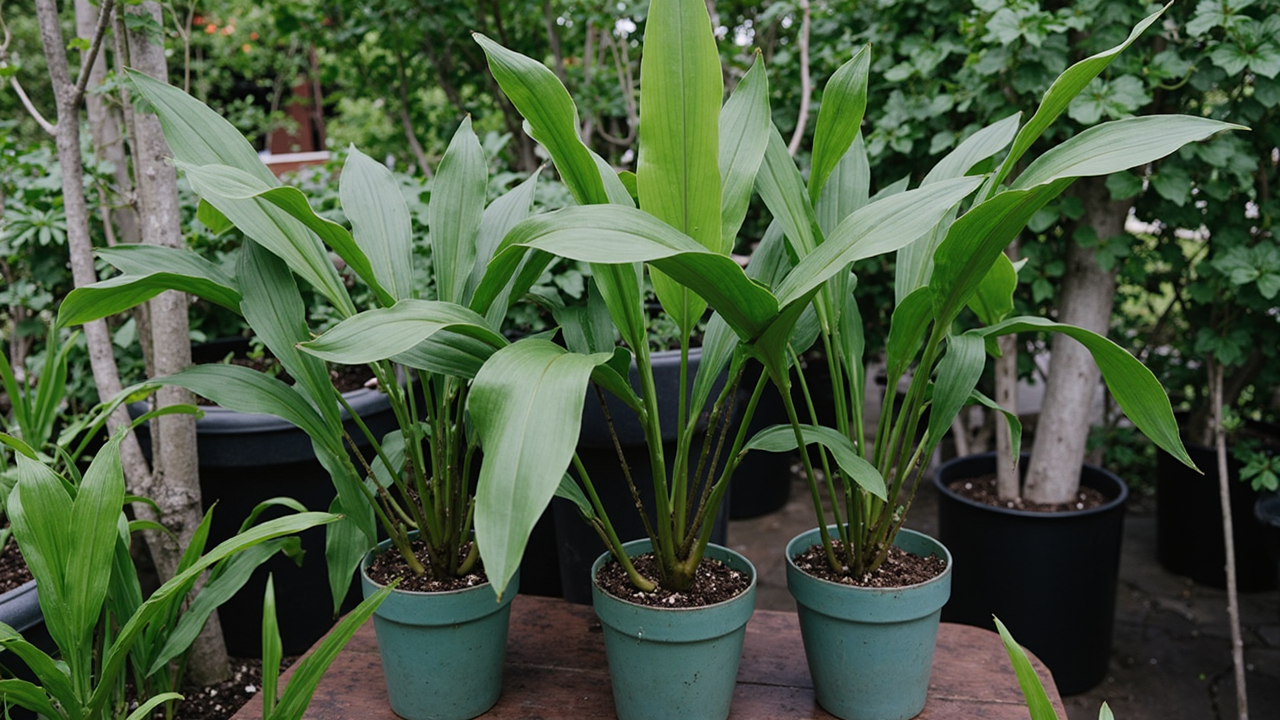
The Gardening Year
Best months in UK gardens · full planting calendar →
🖨 Print-friendly care cardAt a Glance
| Botanical name | Aspidistra elatior |
|---|---|
| Common name(s) | Cast Iron Plant, Aspidistra |
| Family | Asparagaceae |
| Plant type | perennial (Evergreen perennial famous for surviving deep shade, draughts and neglect — the original cast-iron plant.) |
| Height × Spread | 45–90 cm × 10–50 cm |
| Position | Partial shade |
| Soil | Peat-free houseplant compost; let the top dry between waterings. Very forgiving of neglect. |
| Flowering | February–June |
| Toxicity | Not known to be toxic; discourage children from eating houseplants. |
| Native range | Japan and Taiwan |
Watering
This plant is incredibly forgiving of inconsistent watering, a key reason for its legendary status. The crucial rule is to let the top inch (2.5cm) of the compost dry out between waterings. Overwatering is the most common cause of problems, leading to root rot. During winter, when growth slows, water even less frequently – perhaps every 3-4 weeks, checking the soil moisture first. In spring and summer, water thoroughly when the top inch feels dry, allowing excess water to drain freely from the pot. Never let the plant sit in standing water; ensure the pot has drainage holes. A simple test is to stick your finger into the soil up to the first knuckle; if it feels dry, it’s time to water.
Propagation
Propagation is straightforward and best done through division during repotting. In spring, carefully remove the plant from its pot and gently separate the root ball into smaller sections, each with a healthy portion of roots and at least one or two leaves. Pot each section into fresh, well-draining compost in a pot of appropriate size. Keep the newly divided plants in a warm, bright spot (out of direct sun) and water moderately until new growth appears. This method is reliable and quick, making it ideal for expanding your collection or sharing with fellow plant lovers.
Cultivars and Varieties
| Cultivar | Height | Flower | Notes | AGM |
|---|---|---|---|---|
| 'Variegata' | — | — | RHS AGM (H3) | ✔ |