Yellow cone plant
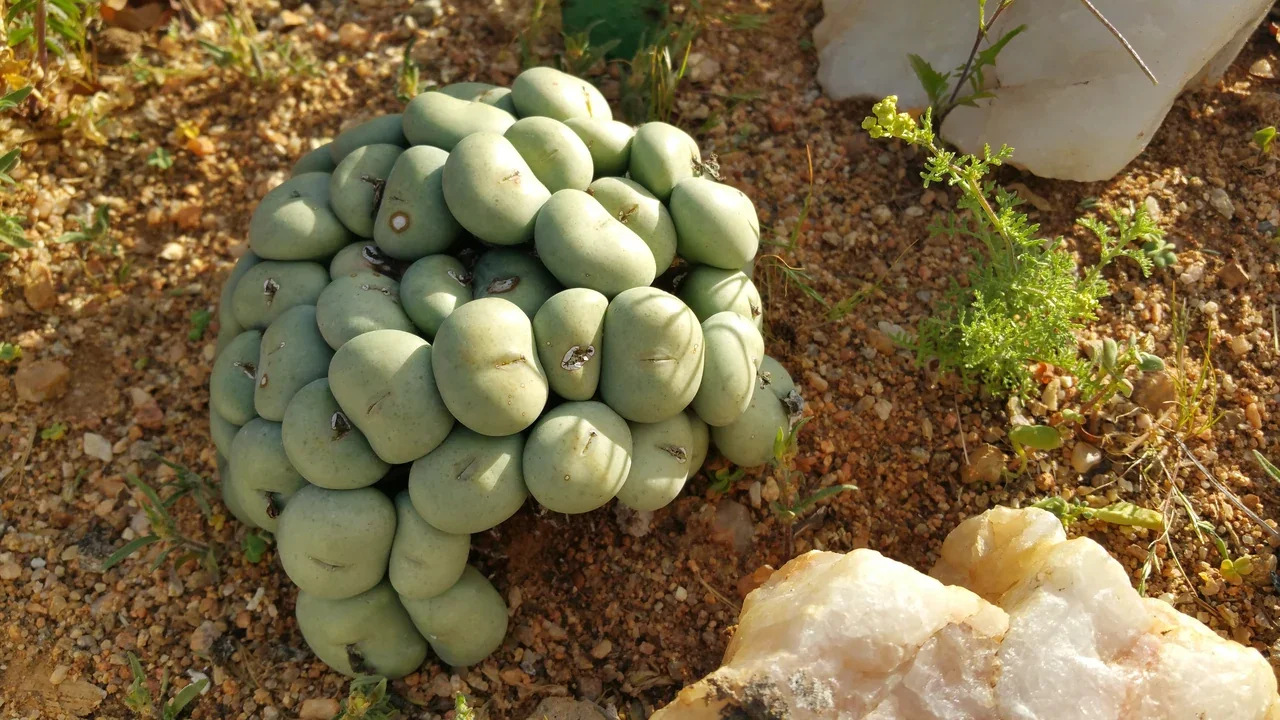
Conophytum flavum
The Gardening Year
Best months in UK gardens · full planting calendar →
🖨 Print-friendly care cardAt a Glance
| Botanical name | Conophytum flavum |
|---|---|
| Common name(s) | Yellow cone plant |
| Family | Aizoaceae |
| Plant type | succulent |
| Height × Spread | ?–10 cm × 0–10 cm |
| Position | Full sun |
| Soil | Well-drained mix of loam, sharp sand, and leaf mould |
| Flowering | January–December |
| Toxicity | Not yet established. Do not assume this plant is safe for people or pets. |
| Native range | South Africa (Namaqualand region, far west) |
Growing Conophytum flavum under glass
Yellow cone plant is a small South African succulent best grown in a sheltered, frost-free setting in Britain. Use a very open mixture of sharp sand, loam and a little leaf mould in a container with good drainage. Bright light and good air movement are useful, but the pot should not sit in water.
Understanding the watering cycle
Conophytums should not be watered on the same routine as ordinary leafy houseplants. Give only modest water while the plant is actively growing, and keep it dry through rest periods. Observe the plant's seasonal growth before watering; consistently wet compost, especially when it is resting, raises the risk of root damage.
Propagation and problems
These compact plants may be raised from seed or increased by separating offsets when suitable. They do not need routine pruning or a rich feeding programme. Inspect periodically for aphids, and avoid leaving compost damp when light and temperatures are low.
Source: RHS gardening guidance. Advice is adapted to UK growing conditions.
Pests and Diseases
| Problem | Symptoms | Management |
|---|---|---|
| Root rot | Bodies become soft, mushy and discoloured, often collapsing entirely. | Ensure excellent drainage with gritty compost and water only when the soil is completely dry. |
| Aphids | Small green or black insects cluster on new growth and flower buds, secreting sticky honeydew. | Isolate affected plants and treat with a systemic insecticide or strong jet of water. |
| Mealybugs | White, cottony wax-like masses appear in leaf fissures and at the base of the plant. | Apply alcohol-dipped cotton buds to remove pests or use a suitable insecticidal spray. |
| Sunburn | Leaves develop bleached, brown or scorched patches due to sudden intense light exposure. | Acclimatise plants gradually to full sun and avoid placing them in direct midday summer heat initially. |
| Overwatering | Plants appear swollen, translucent or prone to splitting before rotting sets in. | Strictly withhold water during dormancy periods and ensure pots have adequate drainage holes. |
Or browse the full plant problem solver to diagnose an issue by symptom.