Ghost echeveria
Echeveria lilacina
The Gardening Year
Best months in UK gardens · full planting calendar →
🖨 Print-friendly care cardAt a Glance
| Botanical name | Echeveria lilacina |
|---|---|
| Common name(s) | Ghost echeveria |
| Family | Crassulaceae |
| Plant type | succulent |
| Height × Spread | 15–15 cm × 12–25 cm |
| Position | Not recorded |
| Soil | Free-draining cactus and succulent compost; sheltered container. |
| Flowering | January–March |
| Toxicity | Not yet established. Do not assume this plant is safe for people or pets. |
| Native range | Nuevo Leon, in northern Mexico |
Where to keep ghost echeveria
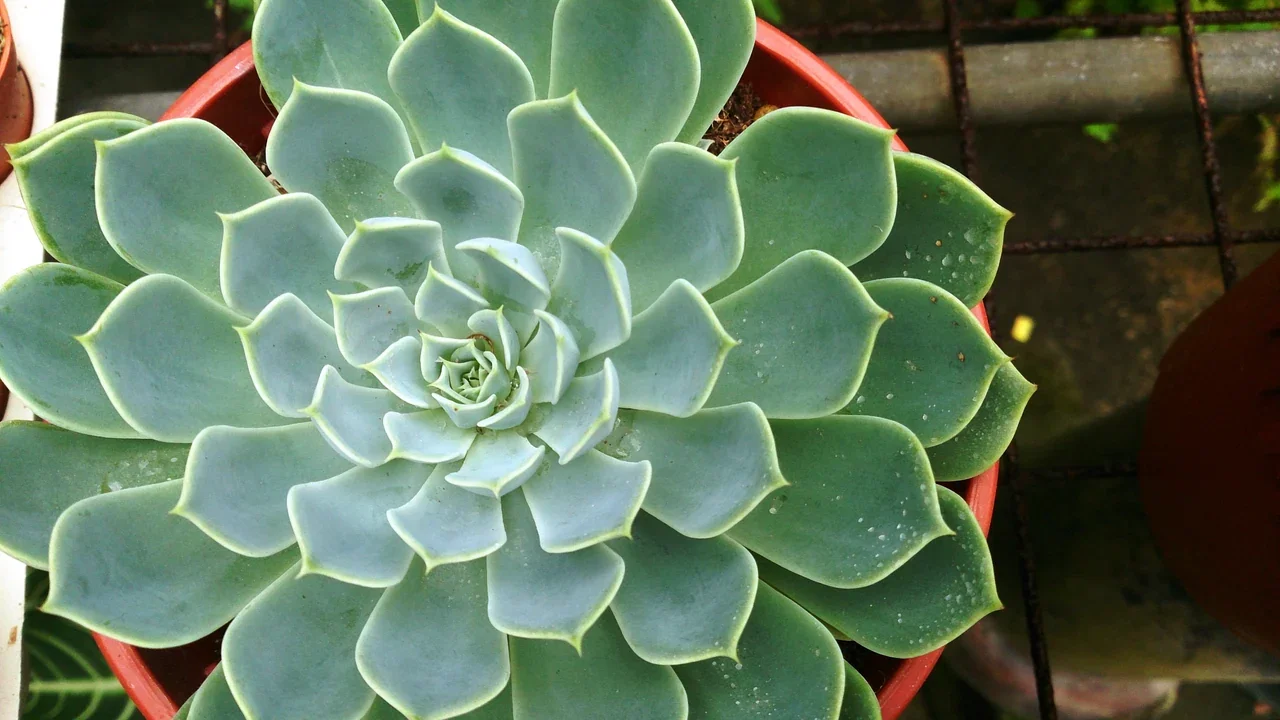
Echeveria lilacina has silver-grey rosettes and suits bright, sheltered container growing. Use a gritty, free-draining cactus and succulent compost. A pot that can be moved inside makes it easier to prevent frost damage during UK winters. Provide ample light without sudden exposure to intense sun.
Watering and seasonal care
Water moderately while the plant is actively growing, but always let water escape from the pot. Do not leave water pooled around the crown or in a saucer. Reduce watering sharply when growth slows, and protect plants from freezing conditions; this species is not a hardy bedding plant.
Cuttings and common problems
Propagation is possible from seed and suitable root, stem or leaf cuttings in spring. Gently remove dead lower leaves and monitor for mealybugs and vine weevil. A permanently wet root zone is more dangerous than a short dry spell for established plants in winter.
Source: RHS gardening guidance. Advice is adapted to UK growing conditions.
Pests and Diseases
| Problem | Symptoms | Management |
|---|---|---|
| Root rot | Leaves become soft, mushy, and translucent, often starting from the base. | Ensure well-draining soil and allow to dry completely between waterings. |
| Mealybugs | White, cottony wax-like clusters appear in leaf axils and on stems. | Isolate plant and treat with insecticidal soap or alcohol-dipped swabs. |
| Overwatering | Leaves turn yellow, drop easily, and the stem may become blackened. | Reduce watering frequency and improve drainage to prevent waterlogging. |
| Sunburn | Brown or white bleached patches appear on leaves exposed to intense direct light. | Gradually acclimate to brighter light and provide shade during peak summer sun. |
Or browse the full plant problem solver to diagnose an issue by symptom.