
No-Dig Gardening Explained
No-dig gardening works with your soil’s natural ecosystem, not against it. Forget digging up your plot – this method preserves the vital soil life that keeps your plants thriving, while saving you…
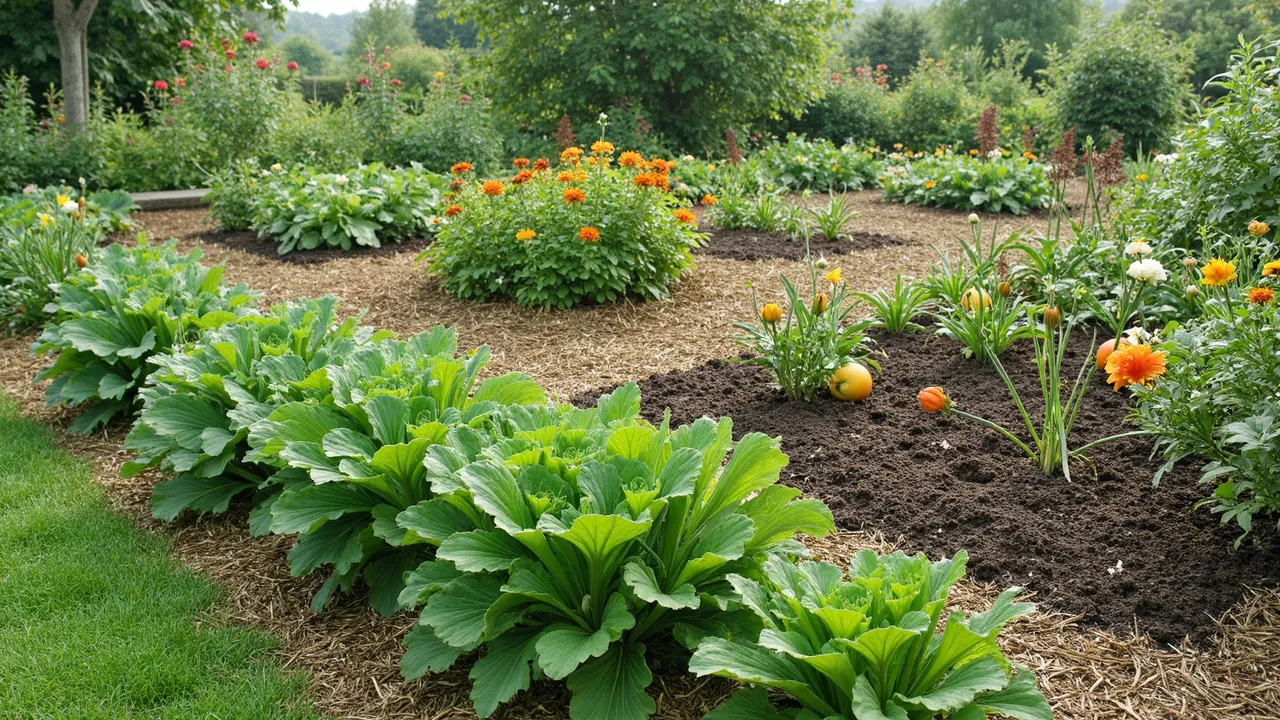
No-dig gardening works with your soil’s natural ecosystem, not against it. Forget digging up your plot – this method preserves the vital soil life that keeps your plants thriving, while saving you back-breaking effort. It’s perfect for UK gardens where damp conditions can make traditional digging messy and damaging.
Why ditch the spade?
- Soil life is everything: Digging disrupts the delicate food web of microbes, worms, and fungi that cycle nutrients naturally.
- Weeds become easier: Digging brings dormant weed seeds to the surface, while no-dig keeps them buried under mulch.
- Soil structure improves: Worms and microbes create natural aeration through their tunnels, preventing compaction.
- Less work, more reward: You avoid the labour of digging and replanting, while retaining moisture and nutrients better than bare soil.
Getting started this spring
- Clear perennial weeds first: Remove stubborn roots (like docks or bindweed) before mulching.
- Choose your mulch: Use well-rotted compost, leaf mould, or spent mushroom compost (not fresh manure – it attracts slugs in our damp climate).
- Apply thickly: Lay mulch 5-15cm (2-6 inches) deep over the soil surface.
- Weed suppression: For tough areas, lay damp cardboard or newspaper first (weighted down with mulch) to block light and smother weeds.
- Timing: Apply mulch in early spring (March/April) or autumn (September/October) when soil is moist but not waterlogged.
Maintaining your no-dig plot
- Feed as you go: Top up mulch annually with fresh compost in autumn or spring.
- Plant directly into mulch: Sow seeds or place seedlings through the mulch layer – no need to dig holes.
- Water wisely: Mulch reduces evaporation, so water less frequently but deeply.
- Rotate crops: Move plant families each year within your no-dig beds to prevent nutrient depletion.
- Avoid compaction: Step on paths, not beds – keep soil loose for worms to work.
Troubleshooting common UK issues
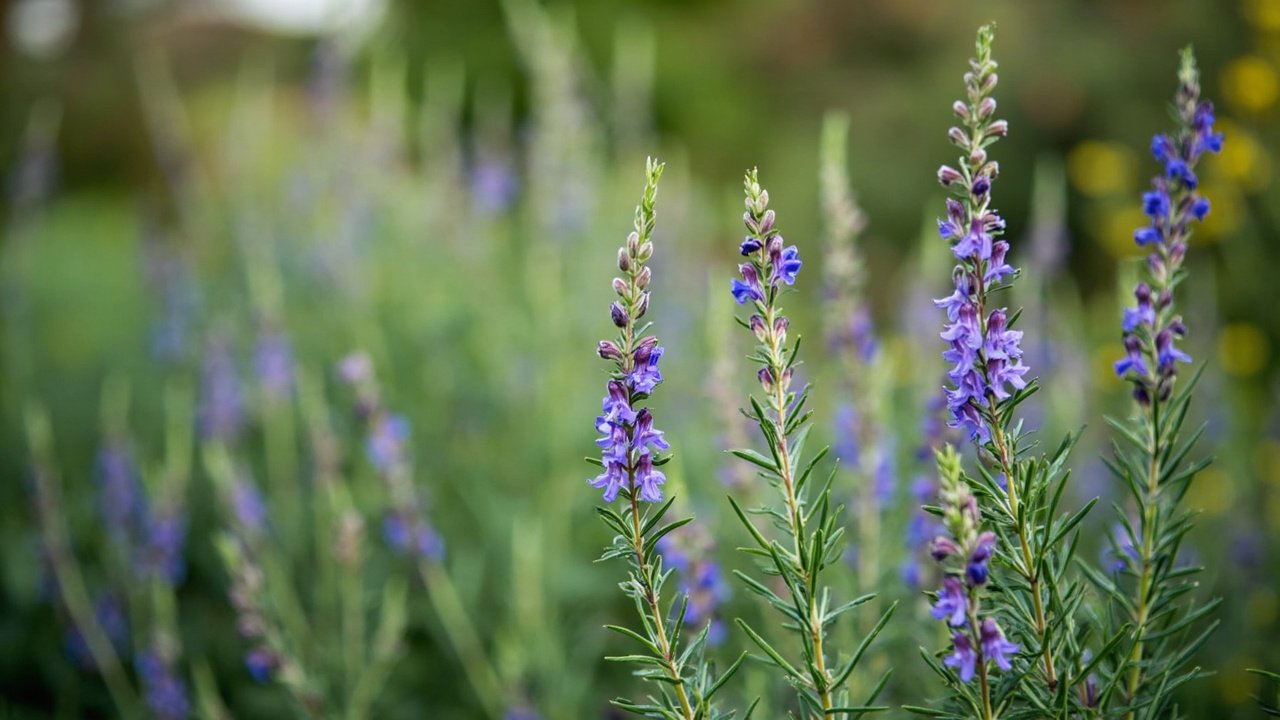
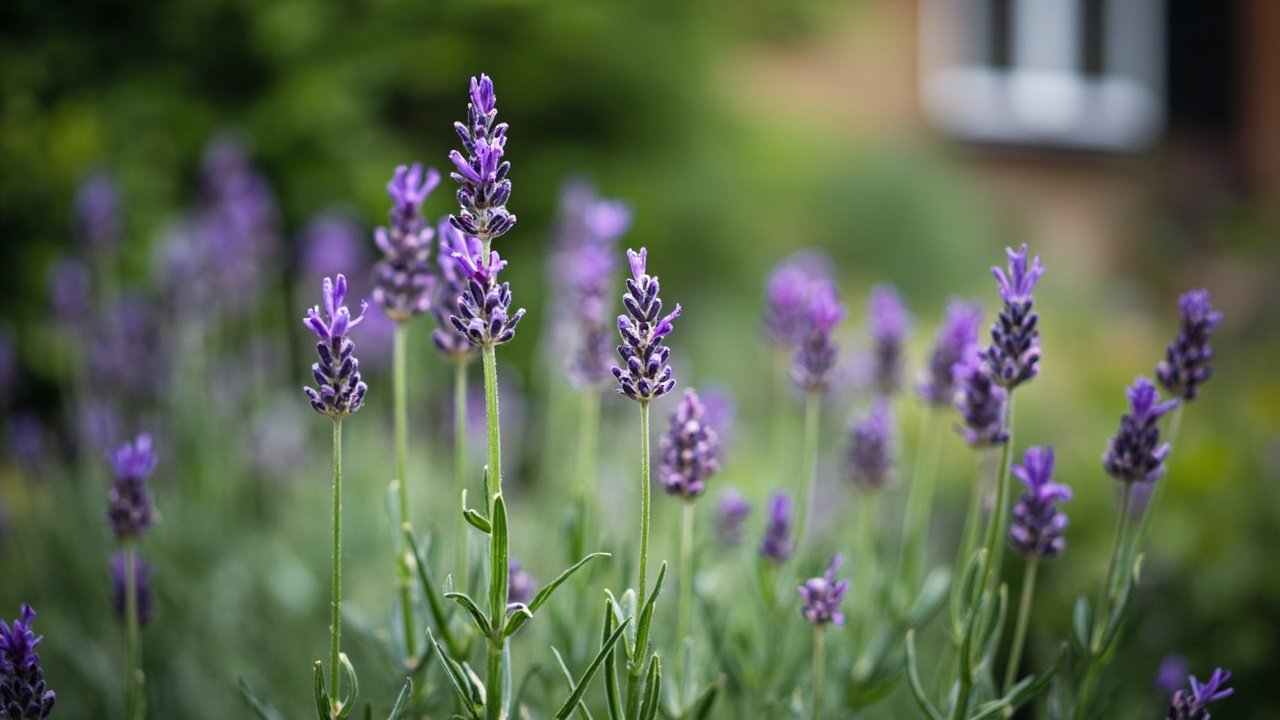
- Slugs? Use well-rotted mulch (not fresh manure) and add slug-repelling plants like rosemary or lavender nearby.
- Slow to warm up? In early spring, use a dark mulch (like compost) to absorb heat.
- Weeds persisting? Add a thicker layer of cardboard under new mulch next time.
- Nutrient needs? Feed with liquid seaweed or comfrey tea – no digging needed to incorporate.
Charles Dowding, the UK’s leading no-dig advocate, proves it works: his salad crops thrive in undisturbed soil, and you’ll find his methods perfect for our British seasons. Start small, be patient, and let nature do the work.
Plants in this guide
Related Articles
More →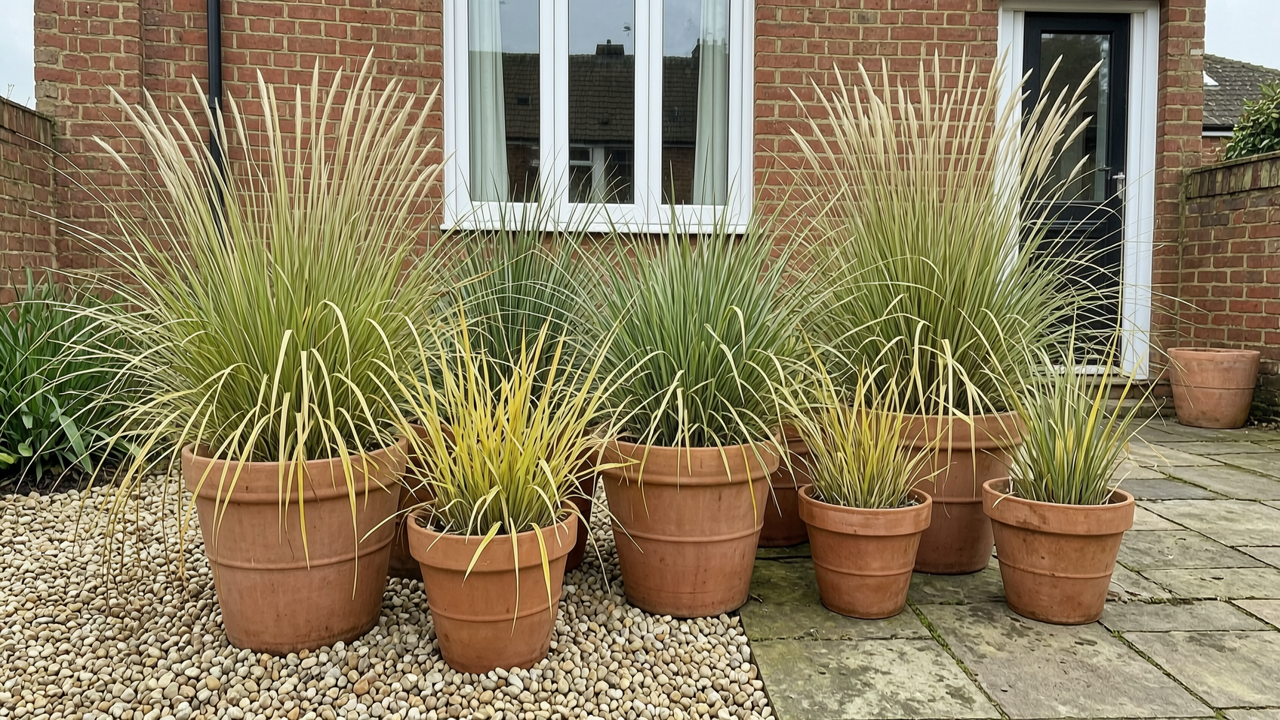 Growing Guide
How to grow ornamental grasses in pots
5 August 2026Grow ornamental grasses successfully in containers with advice on pot size, compost, watering, feeding, winter care and long-term maintenance.
 Growing Guide
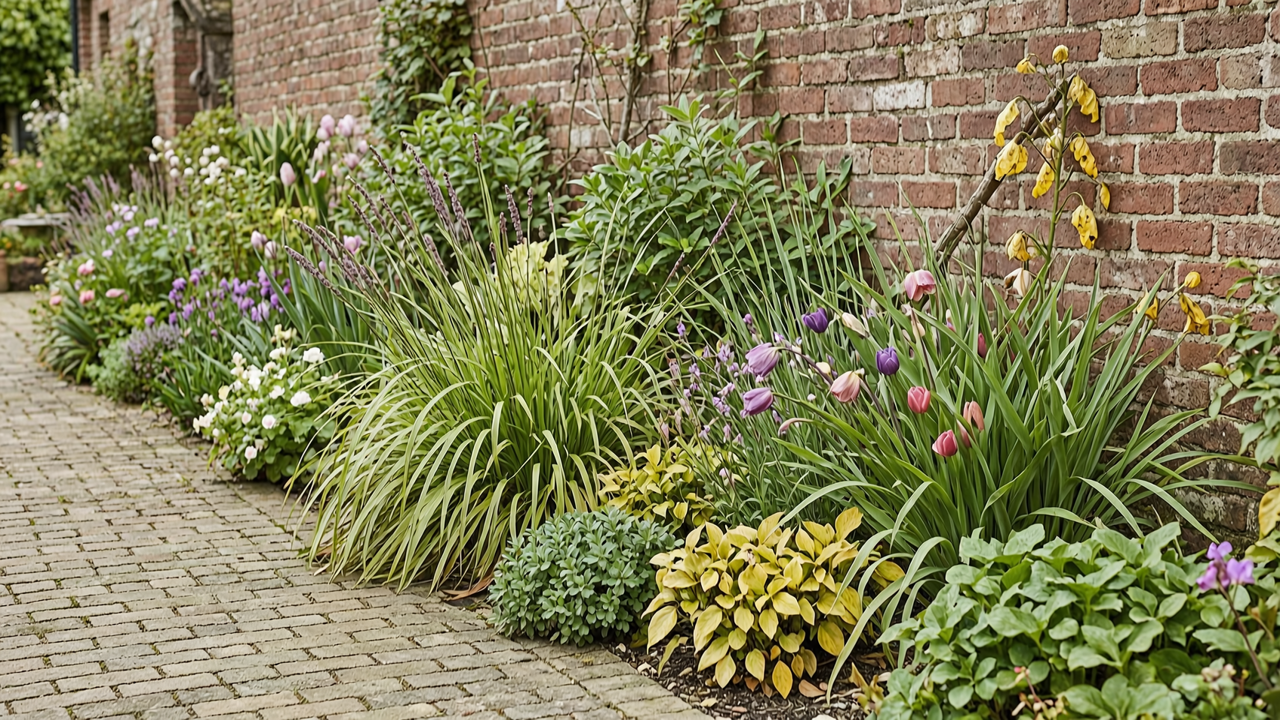
How to plan a perennial border
5 August 2026Plan a balanced perennial border with practical guidance on position, colour, height, spacing, flowering succession and year-round structure.
 Growing Guide
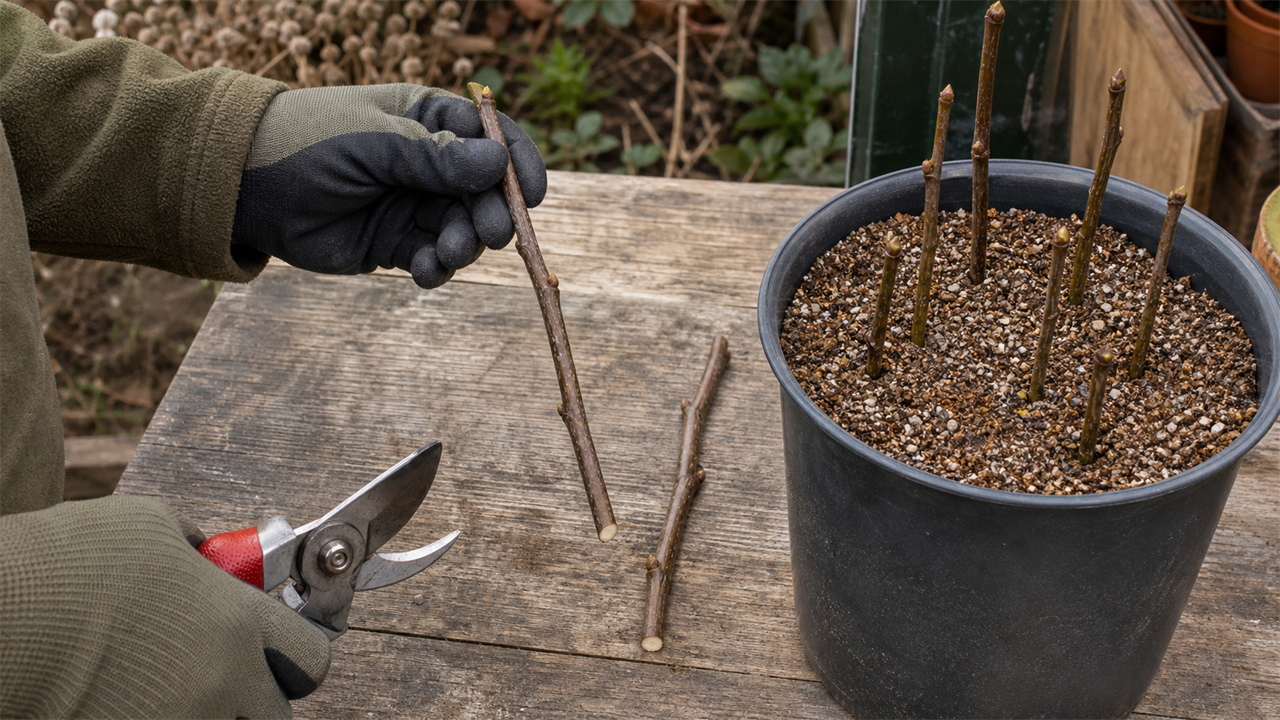
How to take hardwood cuttings
29 July 2026Take hardwood cuttings from suitable dormant shrubs and climbers with this step-by-step guide to timing, preparation, rooting and aftercare.
Recommended tools and products
A practical checklist for this guide. Essentials first, with helpful extras below.
Essentials
 Well-rotted compost or leaf mould
Spread appropriate mature organic matter over the undisturbed soil.
Checklist suggestion · No verified product listingHelpful suggestion
Helpful extras
 Plain unprinted cardboard
Optional weed-suppressing layer under compost for weedy areas.
Checklist suggestion · No verified product listingHelpful suggestion Watering can
Moisten cardboard if used, rather than letting it blow away.
Checklist suggestion · No verified product listingHelpful suggestion
Illustrations show tool categories, not the exact product. No unverified prices or ratings are shown. Read our affiliate disclosure.