
A Guide to Companion Planting
Companion planting is the practice of growing certain plants close together so each one does something useful for the others — pulling different nutrients from the soil, confusing pests with their…
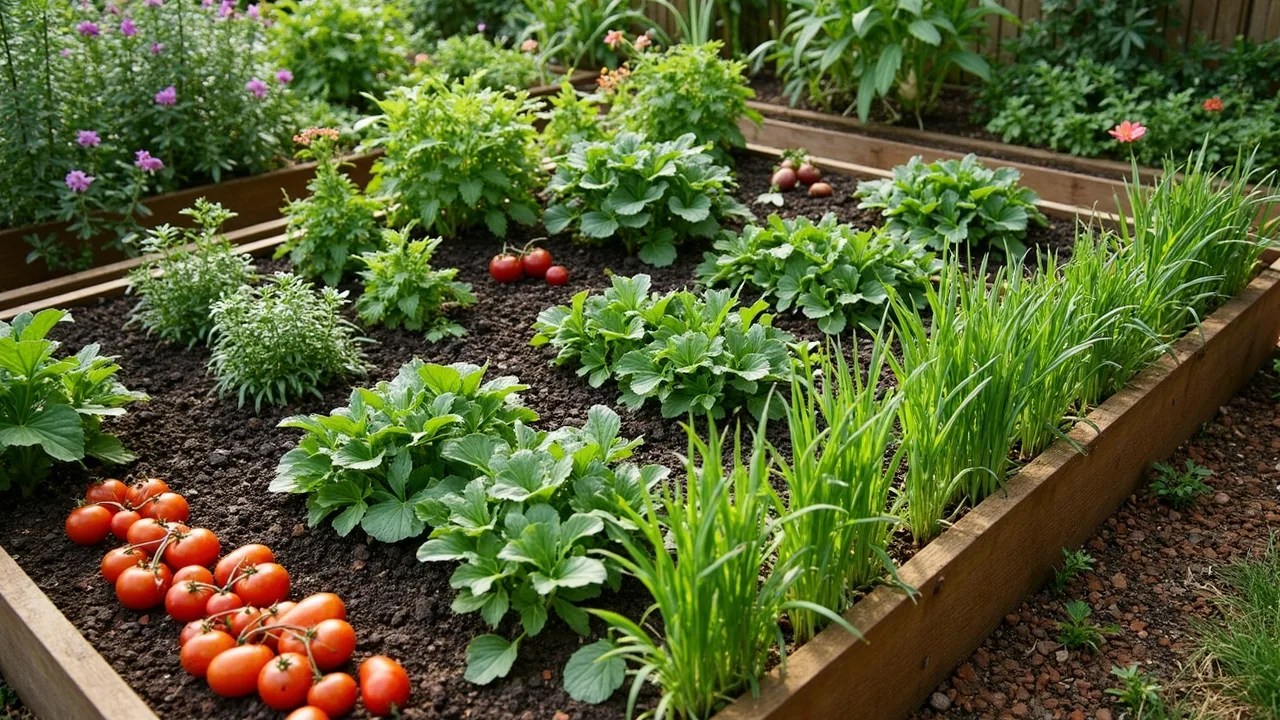
Companion planting is the practice of growing certain plants close together so each one does something useful for the others — pulling different nutrients from the soil, confusing pests with their scent, or sheltering a more delicate crop from wind and sun. It is not folklore. The RHS and several decades of trials back the principle, and it works best when it is treated as a planned part of the rotation rather than a hopeful scatter of seeds. Done well, it reduces the amount of spraying you do, attracts more pollinators into the vegetable patch, and lets you squeeze more food out of the same square metre.
Why bother, and when to start
The short answer: a healthier, more productive plot with less intervention. The longer answer is that a well-designed companion mix confuses pests (carrot fly finds carrots by smell, but a row of onions next door masks them), attracts predators that keep aphids in check (hoverflies, lacewings, parasitic wasps all turn up for nectar-rich flowers), and uses space that would otherwise be bare soil — which means fewer weeds and less watering.
The right time to start is March to early May in most of the UK, when the soil has warmed to roughly 7–10 °C and the main sowings go in. You can still add companions in June for late-summer crops, but the earlier you plan the pairs, the more established they are before pest pressure peaks in July.
What you'll need
- A plan of the bed on paper, or a simple sketch. A 1.2 m × 2.4 m raised bed fits roughly three "companion groups" comfortably.
- Seed or modules of your main crop (tomatoes, brassicas, carrots, beans — see pairs below).
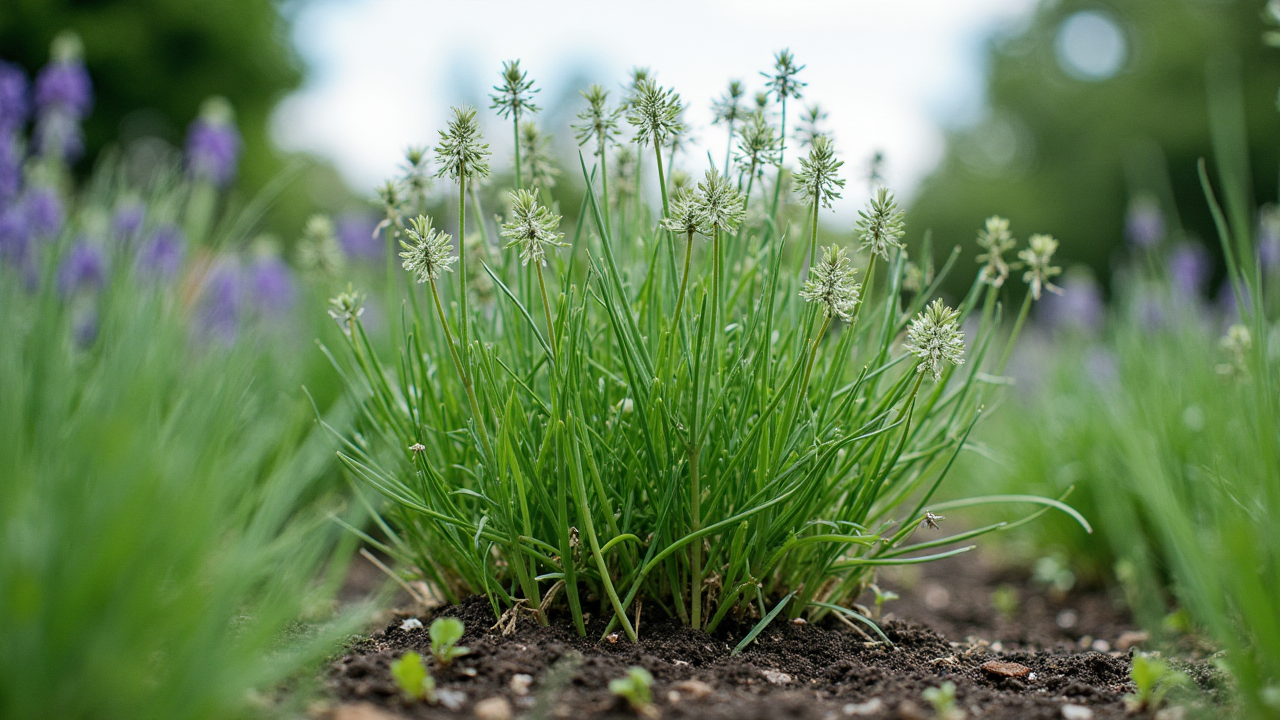
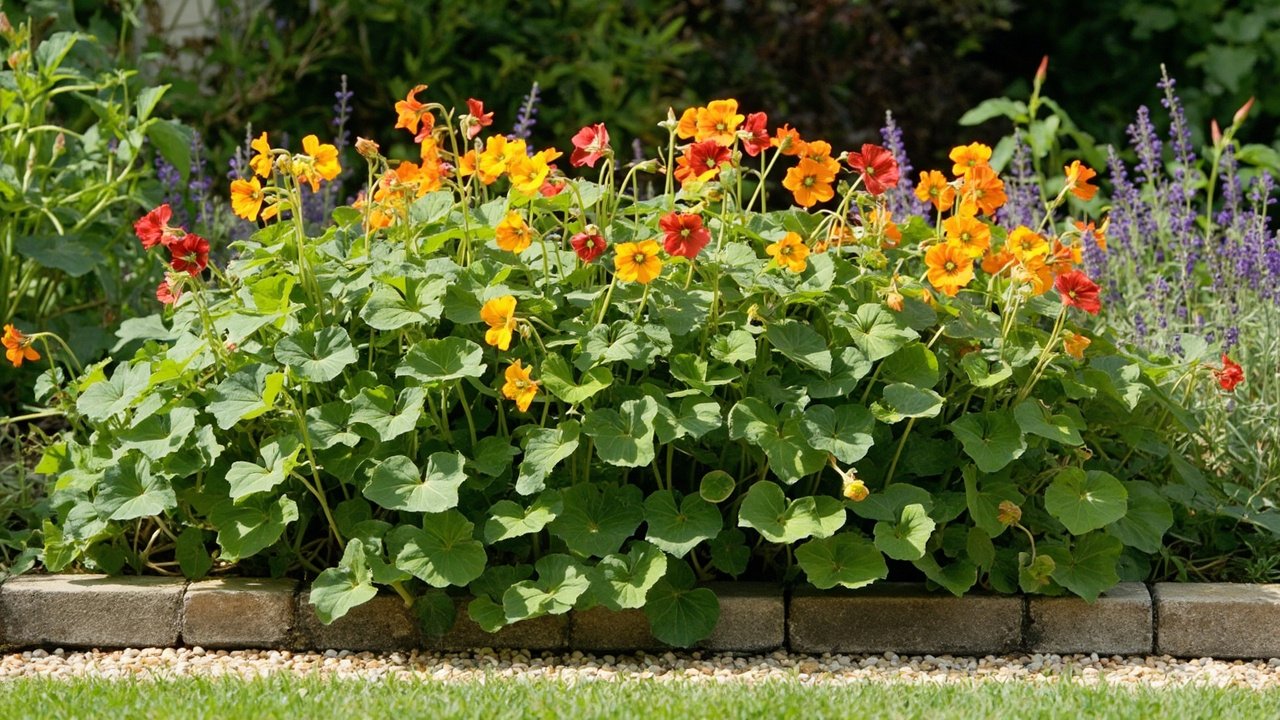
- One or more companions per group: French marigolds (Tagetes patula), nasturtiums, calendula, sweet alyssum, herbs such as dill, coriander, and chives.
- A bag of well-rotted compost (around a 40-litre sack per square metre of bed) to fork into the top 15 cm before planting.
- Bamboo canes or twiggy pea sticks for the climbing companions.
- A notebook. Recording what you planted where — and what happened — is the single biggest improvement most gardeners can make.
Step-by-step: build a companion group
- Pick a main crop. Choose one heavy feeder or pest-prone crop per group. Tomatoes, brassicas (cabbage, kale, Brussels sprouts), carrots, and French beans are good starters because each has well-known companions.
- Choose one to three companions. Don't crowd. Each group works because the plants have different root depths and growth habits, so they don't compete directly. For tomatoes, the classic pair is basil (sown indoors in April, planted out late May after the last frost) and French marigolds (one plant per tomato, spaced 30 cm apart). For brassicas, the working trio is dill or coriander (sown direct in May, thinned to 20 cm) plus a nasturtium as a sacrificial aphid trap at the corner of the group.
- Mark and plant the main crop first. Give it the spacing the seed packet recommends — 45 cm for bush tomatoes, 60 cm for brassicas, 5–8 cm between carrots in a row. Companions fill the gaps; they do not replace the main crop's spacing.
- Add the companions once the main crop is established. A tomato seedling planted into a bed of marigolds will struggle. Plant the tomato, water it in, wait 7–10 days, then add the marigold and basil.
- Mulch 5 cm deep with compost or straw between the plants to lock in moisture and stop weed seedlings.
- Water at the base, not overhead. Wet leaves on basil and tomatoes invite fungal disease, and the whole point of close planting is to keep airflow moving around the main crop.
A worked example for a 1.2 m × 2.4 m bed: four tomato plants down the middle at 60 cm spacing, one French marigold between each pair (three total), and four basil planted at the ends of the tomato row, 25 cm from the nearest cane. That's eight productive plants in a bed most people would overstuff with ten tomatoes and no helpers.
Reliable companion pairs for UK plots
These are the combinations with the best track record in cool, damp British summers:
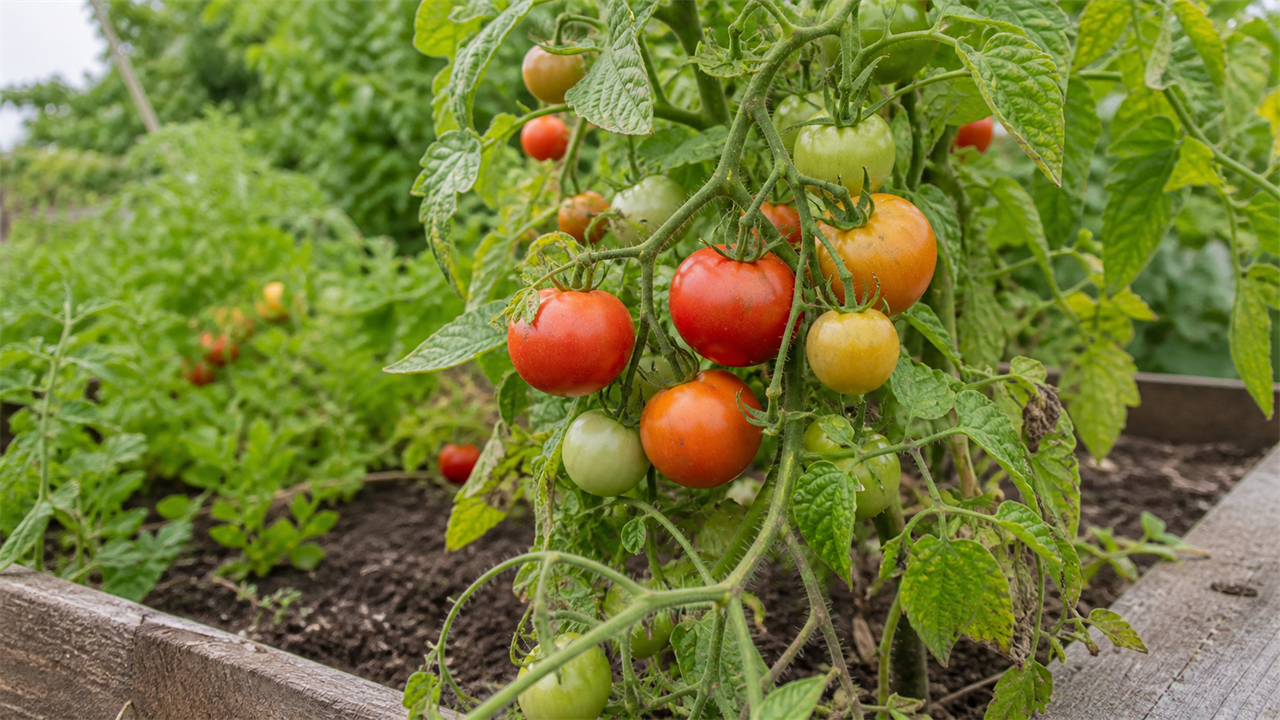
- Tomatoes + basil + French marigolds. Marigolds suppress nematodes in the root zone; basil is thought to improve tomato flavour and its strong scent disorients whitefly. Plant out late May after frost.
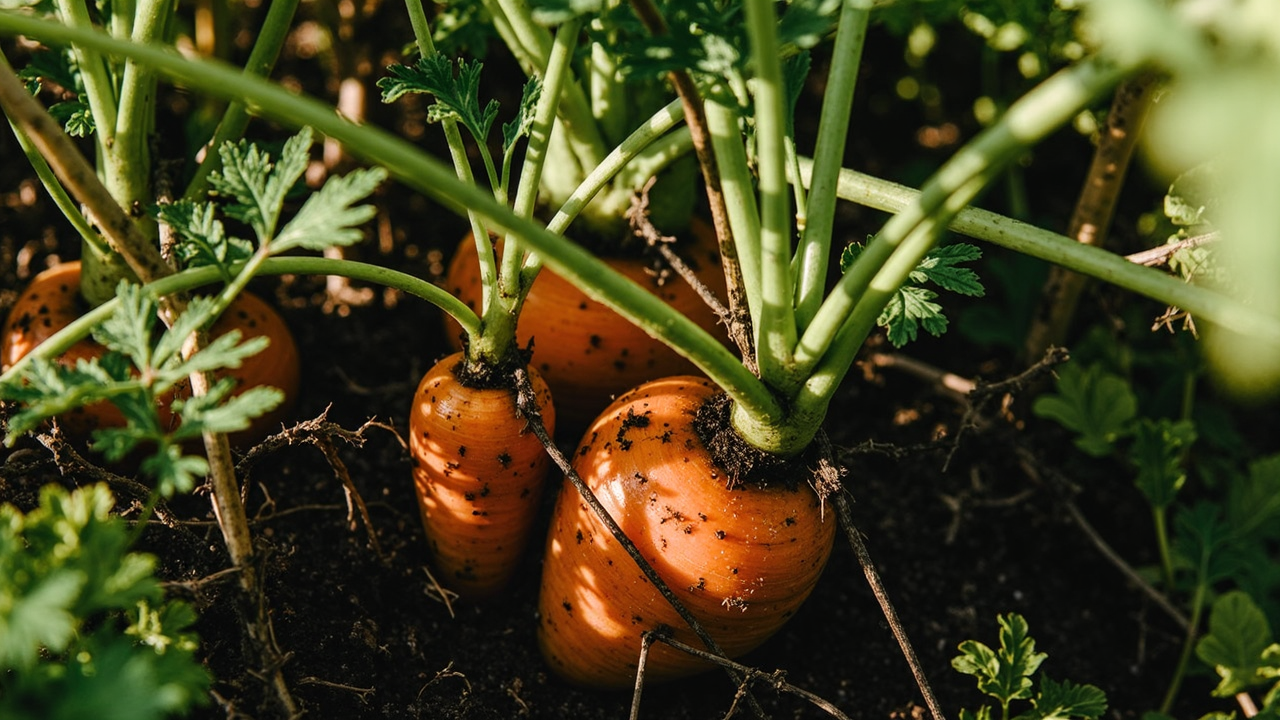
- Carrots + onions (or leeks) + chives. Carrot fly homes in by smell. Intercropping with alliums breaks the scent trail. Sow both in April–May in alternate rows 15 cm apart.
- Cabbage family + dill + nasturtium. Dill flowers pull in hoverflies and parasitic wasps that eat cabbage white caterpillars. Nasturtiums draw aphids away from the brassica leaves. Set out brassica modules in May once the soil is warm.
- French beans + nasturtium + sweet alyssum. Beans fix nitrogen; nasturtiums trail and shade the soil; alyssum (sown direct in May) carpets the ground and feeds hoverflies. Plant beans from late May, alyssum at the same time.
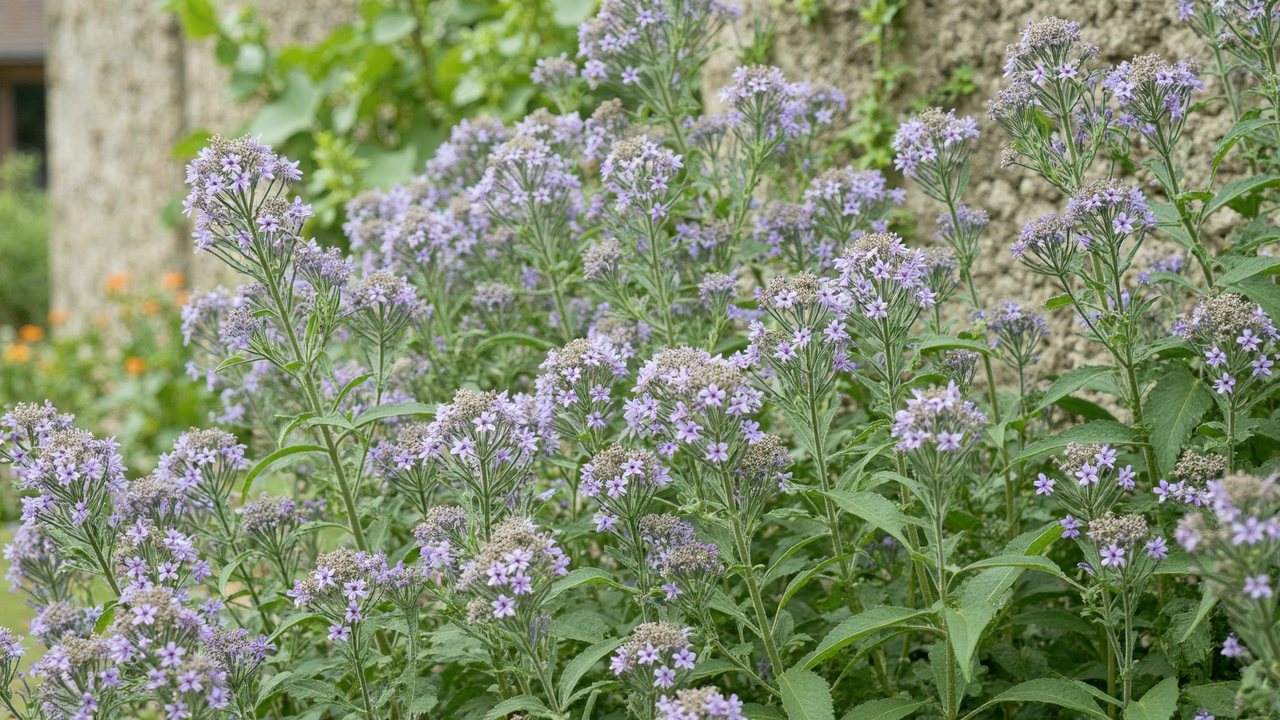
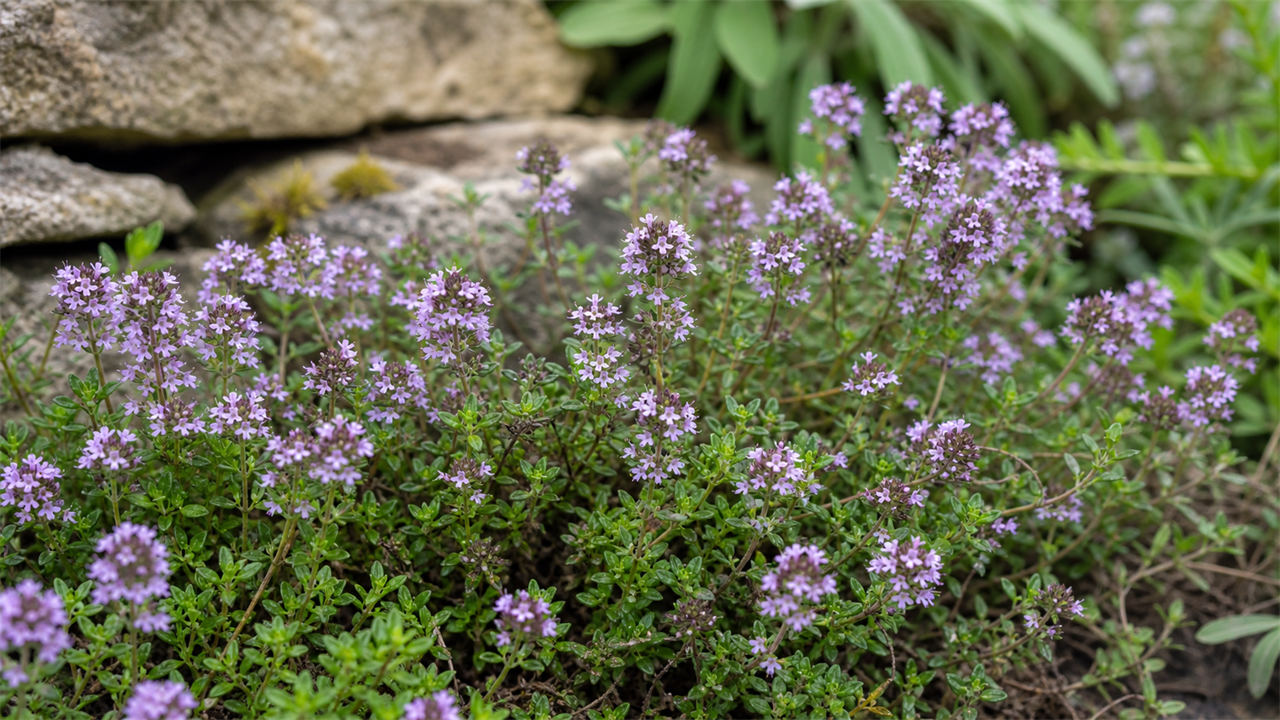
- Strawberries + borage + thyme. Borage flowers all summer and pulls in pollinators, which improves fruit set. Thyme at the edge of the row deters slugs from the fruiting plants.
Common mistakes
- Stuffing too much in. Companion planting is not the same as cramming. Each plant still needs the light, water, and nutrients it would get on its own. If the main crop is shaded out, the whole group fails.
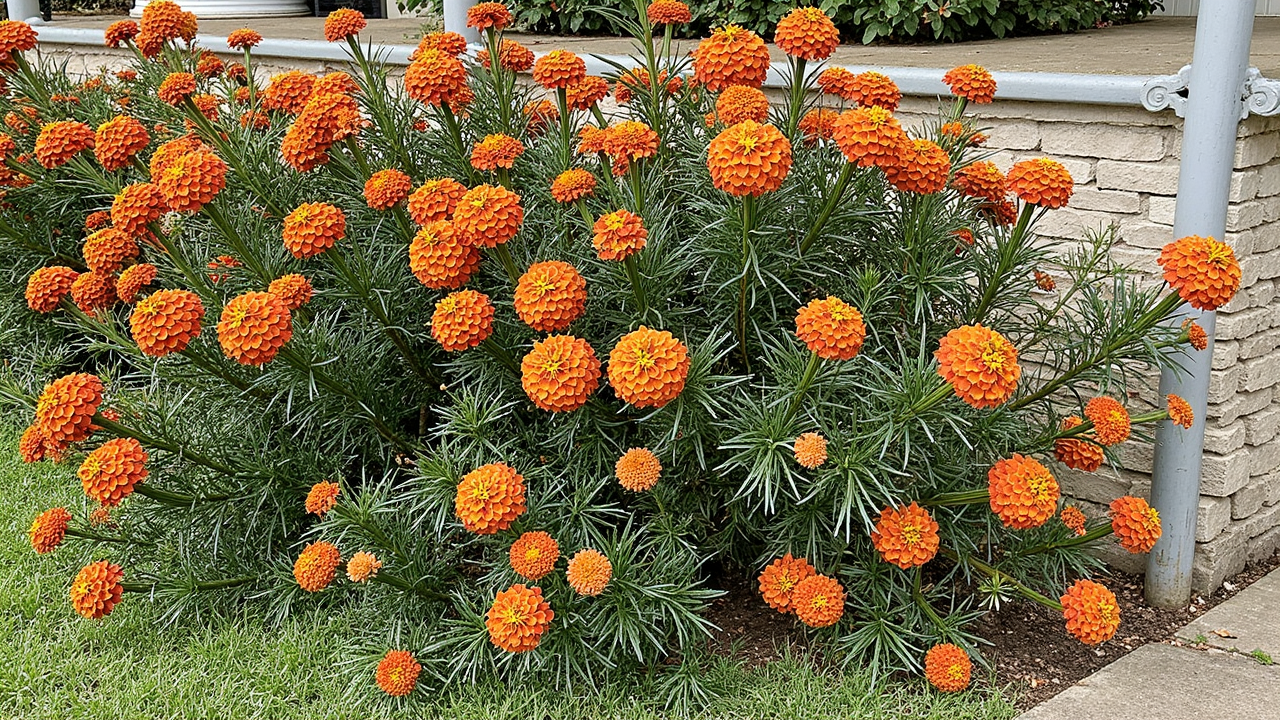
- Planting marigolds in the wrong spot. Tagetes patula (French marigold) is the nematode-suppressing one. The big African marigolds and the ornamental Calendula (pot marigold) are pretty but do the same job less well.
- Matching two greedy feeders. Tomatoes next to pumpkins, or sweetcorn next to courgettes, looks like "lots of food" but both want the same nutrients and the same sun. Pair heavy feeders with light feeders or with nitrogen-fixers (beans, peas).
- Forgetting that alliums stunt legumes. Onions, garlic, and chives should be kept at least 30 cm away from beans and peas. The allium roots release a compound that suppresses the rhizobia the legumes need.
- Treating it as a one-year fix. Rotate the groups around the bed each year, following a four-course cycle (roots → brassicas → legumes → fruiting). Pests and diseases specific to one family will otherwise build up.
Troubleshooting and tips
- Aphids on the nasturtiums but not the beans. That's the trap crop working. Leave them; the aphids are feeding the hoverfly larvae that will go on to clear the rest of the bed.
- Carrot seedlings disappearing overnight. Slugs, not a companion failure. Thin to 5 cm, water in the morning rather than the evening, and consider ferric phosphate pellets at the row ends.
- Tomato leaves yellowing between the veins. Likely magnesium lockout, not a bad companion. A foliar feed of Epsom salts (1 tsp per litre of water) usually sorts it within a week.
- No pollinators turning up to the borage or alyssum. It often takes a full season for the local hoverfly population to find a new nectar source. By year two, the bed will be busy.
Two final tips. First, sow a small "insectary" patch somewhere sunny and undisturbed — a 1 m × 1 m square of mixed calendula, alyssum, and cornflower will pay for itself many times over by drawing in predators for the whole plot. Second, keep records. Note which pairings you used, the weather, what you harvested, and what the pests did. After three or four seasons you'll have a list of the combinations that genuinely work in your soil and microclimate, which is more useful than any general guide.
Plants in this guide


Related Articles
More →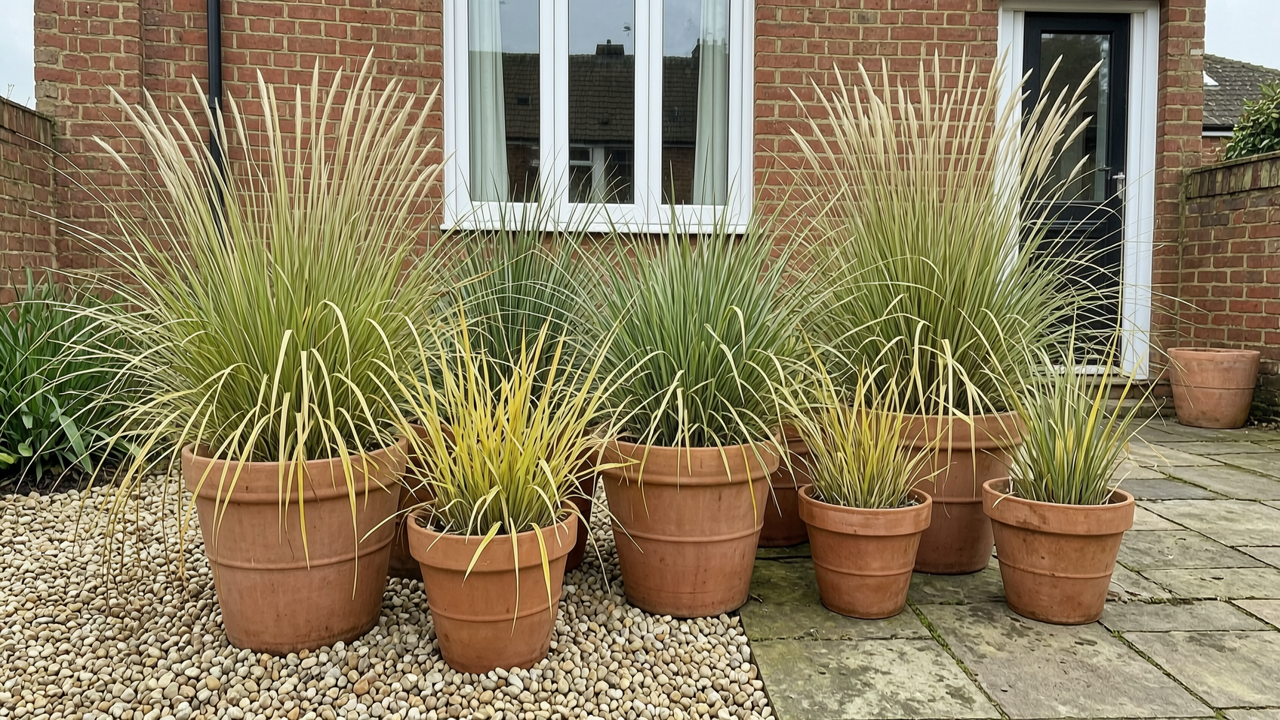 Growing Guide
How to grow ornamental grasses in pots
5 August 2026Grow ornamental grasses successfully in containers with advice on pot size, compost, watering, feeding, winter care and long-term maintenance.
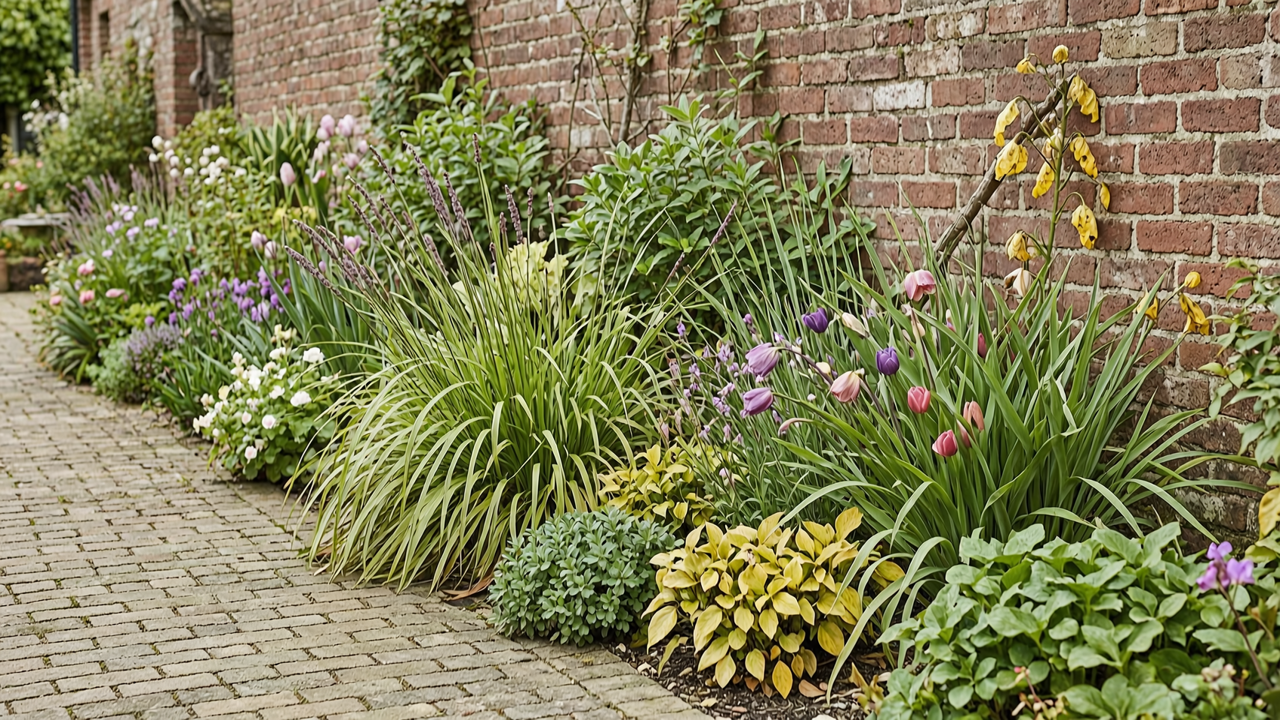 Growing Guide
How to plan a perennial border
5 August 2026Plan a balanced perennial border with practical guidance on position, colour, height, spacing, flowering succession and year-round structure.
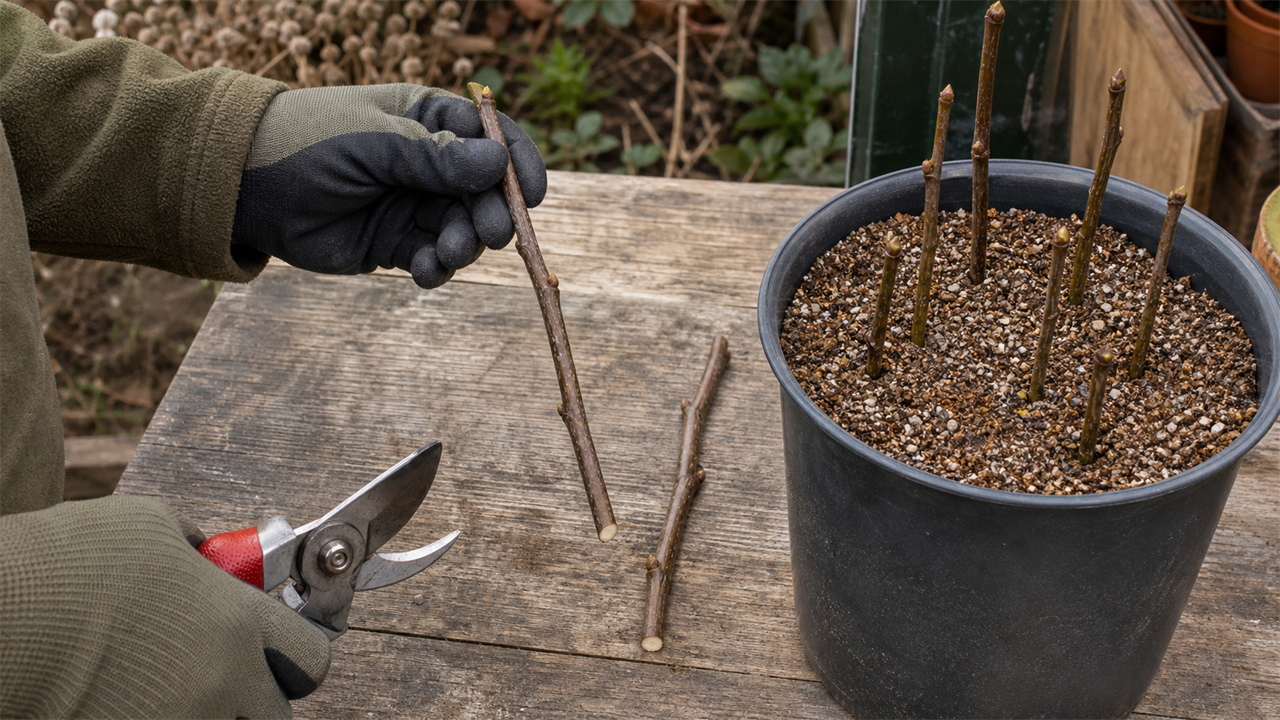 Growing Guide
How to take hardwood cuttings
29 July 2026Take hardwood cuttings from suitable dormant shrubs and climbers with this step-by-step guide to timing, preparation, rooting and aftercare.
Recommended tools and products
A practical checklist for this guide. Essentials first, with helpful extras below.
Essentials
 Plant supports
Support climbing or tall growth.
Checklist suggestion · No verified product listingHelpful suggestion Well-rotted garden compost
Improve soil with mature organic matter where advised.
Checklist suggestion · No verified product listingHelpful suggestion Garden notebook
Record planting combinations and results.
Checklist suggestion · No verified product listingHelpful suggestion
Illustrations show tool categories, not the exact product. No unverified prices or ratings are shown. Read our affiliate disclosure.