
How to Grow Carrots in the UK: A Complete Guide
Carrots sown from March to early May crop from June to September; a late-June or July sowing carries roots through autumn and into winter storage. Most UK carrot failures come down to two things:…
At a Glance
| Sow | March-July; staggered every 3-4 weeks |
|---|---|
| Sun | Full sun |
| Soil | Deep, stone-free, slightly loose tilth |
| Spacing | 5 cm apart in 25 cm rows |
| Hardiness | H5 — most UK gardens |
| Difficulty | Easy |
| Time to harvest | 10-20 weeks from sowing |
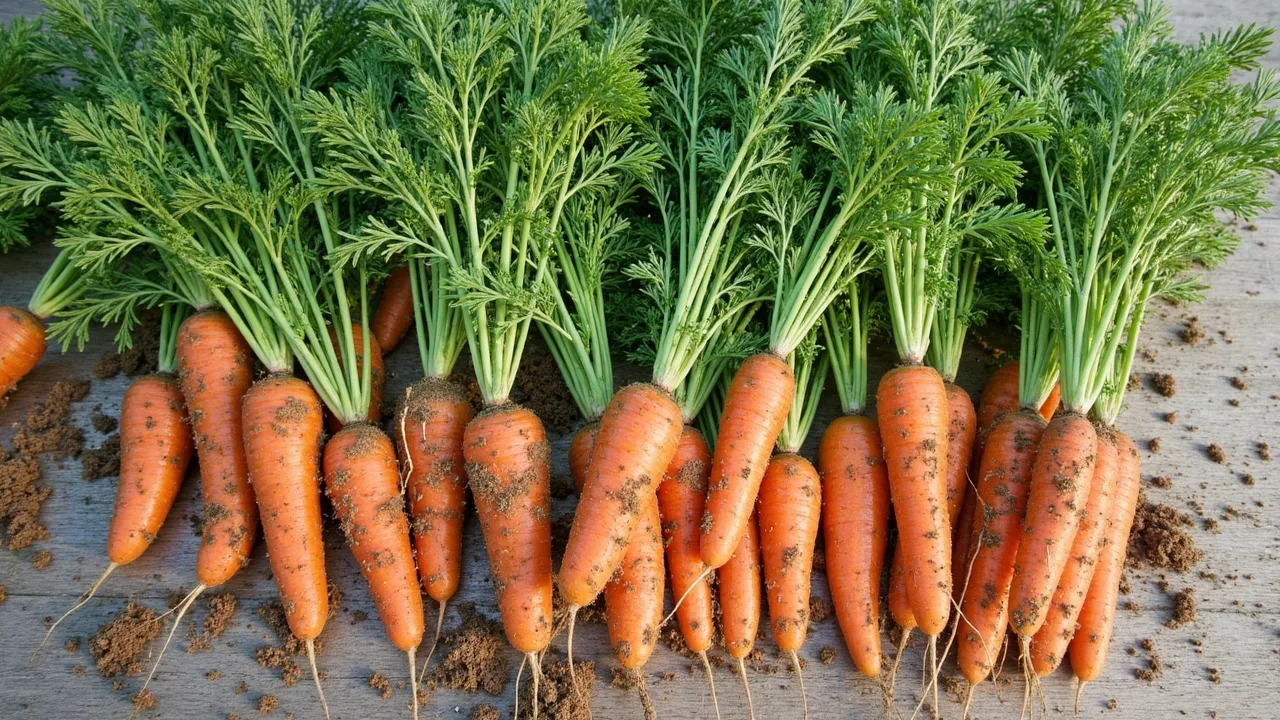
Carrots sown from March to early May crop from June to September; a late-June or July sowing carries roots through autumn and into winter storage. Most UK carrot failures come down to two things: sowing into cold, wet ground too early, or letting carrot fly find the row before the mesh goes on.
| At a Glance | Details |
|---|---|
| Difficulty | Easy |
| Time to harvest | 10-20 weeks from sowing |
| Spacing | 5 cm apart in 25 cm rows |
| Sun | Full sun |
| Soil | Deep, stone-free, slightly loose tilth |
| Hardiness | H5 — most UK gardens |
| Sow | March-July; staggered every 3-4 weeks |
| Harvest | June-November |
Overview
Daucus carota, the carrot, is a hardy root crop that genuinely suits the UK climate — cool summers suit it, damp winters let it store in the ground, and the long gap between last spring frost and first autumn frost gives almost the whole country two sowing windows. This guide covers what UK gardeners actually need to know: which varieties work in stony, clay or shallow soils; when to sow in the south versus the north; and how to keep carrot fly off the row. It's written for any UK gardener with a sunny bed, a packet of seed and roughly twenty minutes a week to spare. Most first-time sowings fail for one of three reasons: cold wet seedbeds, the wrong variety for the soil, or uncovered rows the fly found in May.
When to Start in the UK
Carrot seed germinates slowly at soil temperatures below 7 °C and fastest between 10 °C and 25 °C. In practical UK terms:
- South UK (London, Home Counties, Midlands, south Wales, south-west, south coast) — first outdoor sowings from mid-March under cloche or fleece; main crop sowings April through early May. A late-June or early-July sowing of a fast Nantes carries roots through autumn and into winter storage.
- North UK (north England, Yorkshire, Cumbria, Northumberland, Scotland) — wait until soil has warmed in early to mid-April for the first sowing, even under fleece. North-of-the-border sowings can run into July for an autumn lift; later than that and roots won't size up before winter. Our April jobs calendar and May jobs calendar lay out the wider late-spring window for north UK sowings.
I treat late May as a hard cut-off for the first spring window: the second generation of carrot fly is emerging, and any seedlings coming through then benefit from mesh from day one. A common mistake is sowing into cold, wet soil in February because the calendar said so — seed rots, or comes up patchy, and the gardener blames the variety.
Soil temperature matters more than calendar date. A simple soil thermometer pushed 5 cm into the bed reads 8 °C or higher for three consecutive mornings? Go.
What You'll Need
- A sunny bed with at least 25 cm depth of stone-free tilth
- A packet of carrot seed — Nantes for most UK soils, Chantenay for heavy or stony ground, an F1 such as 'Resistafly' or 'Flyaway' if carrot fly has been a problem (see carrot varieties for the UK)
- A JI No.3 seed tray or small pot for a pinch of seed if transplanting module-raised roots
- Fine insect mesh (1.35 mm or finer) sized to cover the full row, with stones or boards to weigh the edges
- Sharp sand or sieved home compost if your soil is heavy clay
- A soil thermometer
- A watering can with a fine rose
- A hand fork or long-bladed trowel for harvesting
- A bulb planter (optional, for plug-raised crops)
- Boxes of damp sand or a cool shed for storing lifted roots
A useful trick: pre-mix carrot seed with dry sand at roughly 1 part seed to 5 parts sand by volume. It spaces the seed in the drill and stops you sowing too thickly.
Step-by-Step Guide
- Prepare the bed in late winter. Fork over the top 25 cm without inverting it. Pick out every stone larger than a thumbnail — a single pea-sized stone is enough to fork a root. Don't add fresh manure; it causes forking and hairy roots. Heavy clay needs a different approach — see our guide to raised bed growing in the UK before you start.
- Rake to a fine tilth a week before sowing. The surface should feel like coarse breadcrumbs. If your soil is heavy clay, build a raised bed at least 20 cm deep and fill with a 50/50 mix of topsoil and sharp sand or sieved compost.
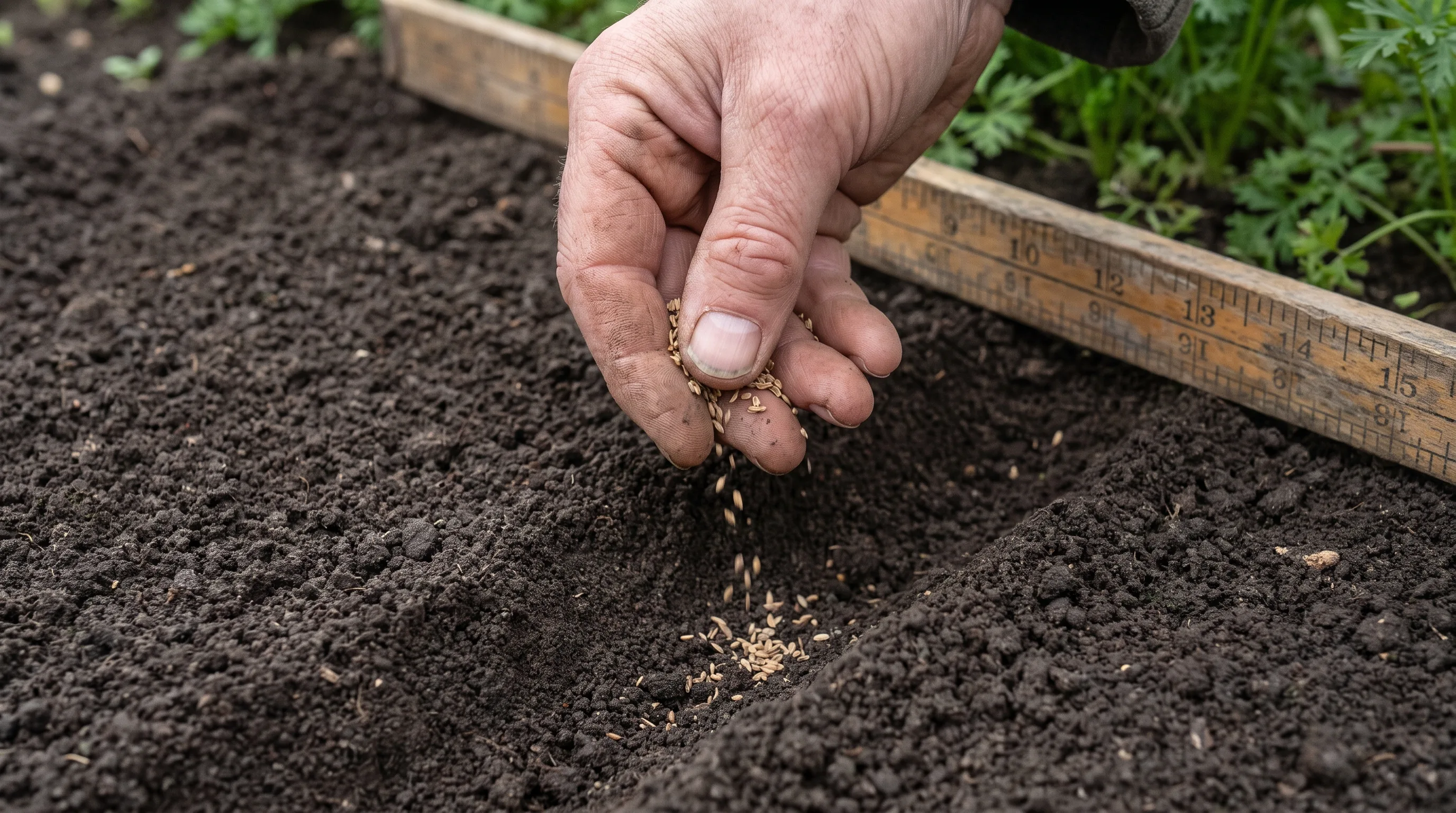
- Make a shallow drill 1.5 cm deep with the corner of a hoe or a bamboo cane. Space drills 25 cm apart. If the soil is dry, water the drill first, let it drain, then sow.
- Sow thinly. Aim for about 1 cm between seeds — easier said than done with the tiny seed, which is why the sand-mix trick above earns its place.
- Cover and firm. Brush 1 cm of dry soil back over the seed and press the surface with the back of a rake so the seed makes contact with moist soil.
- Water gently with a fine rose so the seed doesn't shift. Keep the surface damp — not waterlogged — until germination, which takes 14-21 days in cool soil and 10-14 days in warm.
- Cover with fleece or mesh the moment you finish sowing. Carrot fly is the single biggest reason UK carrot sowings fail, and the cover must go on from day one. Bury the edges or weigh them with stones.
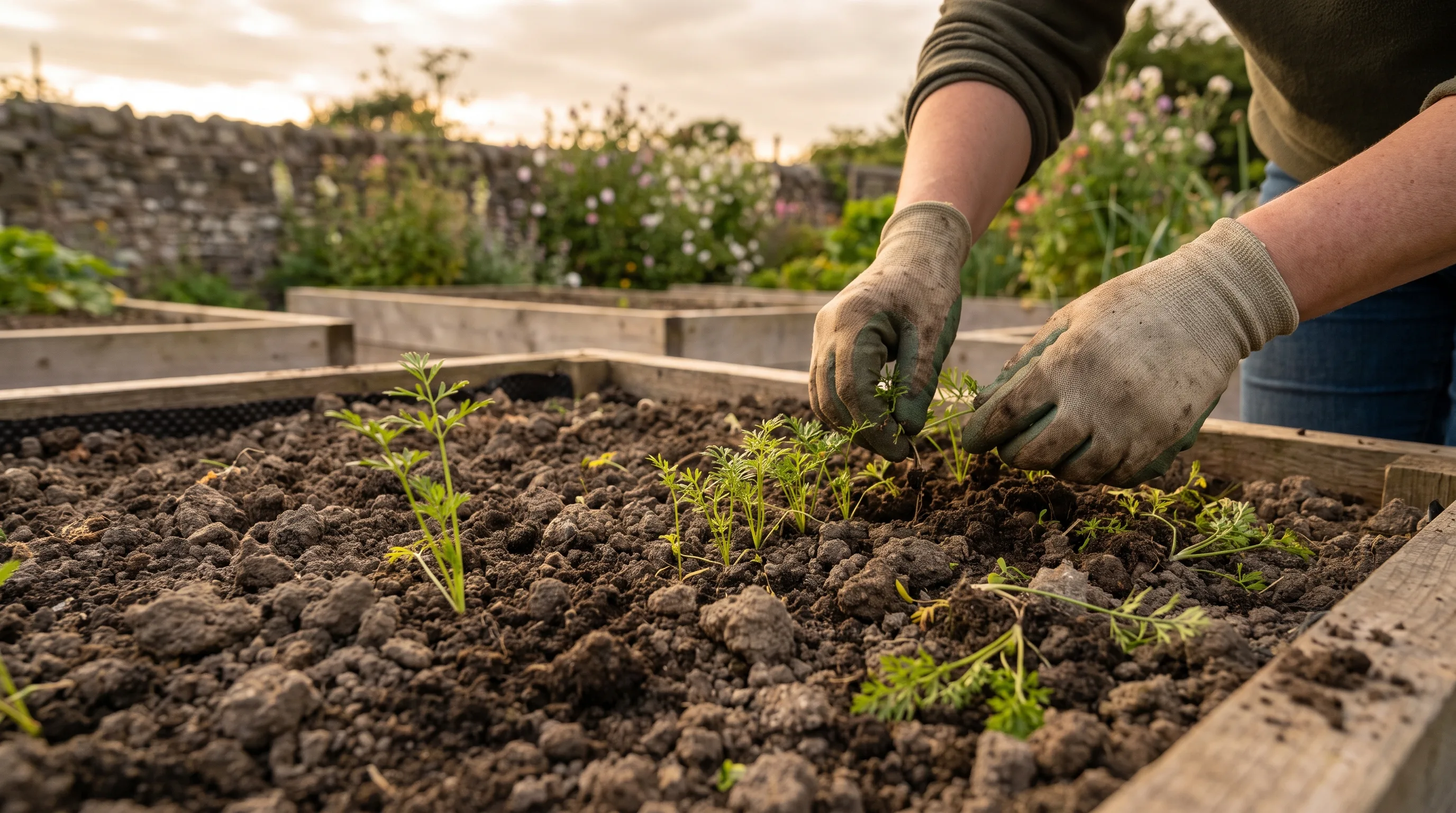
- Thin in two passes. First pass at 2-3 cm tall to about 3 cm apart; second pass two weeks later to the final spacing of 5 cm. Thin in the evening when carrot fly is least active, firm the remaining seedlings, and bin the thinnings — they don't transplant.
- Weed ruthlessly while the row establishes. Carrots can't compete; a single flush of chickweed will halve the harvest.
- Water consistently during dry spells. A weekly soak that wets the top 20 cm beats a daily sprinkle that only dampens the surface. Erratic watering — dry then flood — is what splits roots.
- Feed sparingly. If the bed was manured the previous autumn, no extra feed is needed. On poor soil, a half-strength liquid tomato feed once a fortnight is enough; high nitrogen produces leafy tops and skinny roots.
- Start harvesting as soon as roots are finger-thick. Baby carrots pulled at this stage are the sweetest the plant ever produces.
Common Problems
On a typical UK allotment, carrots attract more pest and disease trouble than almost any other root crop, and most of it is preventable if you know what to look for. Carrot fly alone is reported on roughly 90% of UK plots at some point each season, and it pays to learn the symptoms below before they hit your row.
Carrot fly
- Symptom: Rust-coloured tunnels in the roots; fine, dark flies hovering low over the row; seedlings wilted for no clear reason.
- Cause: Psila rosae, the carrot fly, lays eggs at the soil surface from May to September. The larvae burrow down and feed in the root. The first generation in late May is the most damaging; the second in late July is what finishes late sowings.
- Fix: Cover the crop from sowing to harvest with fine insect mesh (1.35 mm or smaller), sealed at the edges. Choose resistant F1s — 'Resistafly' and 'Flyaway' — for plots where the fly has been a problem. Avoid thinning on warm, still evenings when the fly is most active.
Forked or stunted roots
A common mistake is sowing into a bed that was manured the previous spring — the fresh nitrogen left in the soil makes the roots fork into two or three thin prongs instead of one clean tap root.
- Symptom: Roots divide into two or more forks, or stay stubby when neighbours are well-shaped.
- Cause: Almost always cultural — fresh manure, stones, compacted soil, or transplanting. Carrots hate root disturbance, so direct-sown seed always wins.
- Fix: Pick the bed clean of stones, never add fresh manure before sowing, and on heavy clay grow in a raised bed with a sieved mix. If you must thin, do it in the evening and firm the row straight after.
Split roots
- Symptom: Long cracks running lengthwise down otherwise normal roots.
- Cause: Erratic watering — a long dry spell followed by heavy rain is the classic cause. Heavy nitrogen fertiliser also splits roots.
- Fix: Water weekly through dry spells rather than letting the bed bone-dry between soakings. Mulch with 5 cm of straw in June to hold moisture.
Green shoulders
- Symptom: The top 1-2 cm of the root is green and bitter.
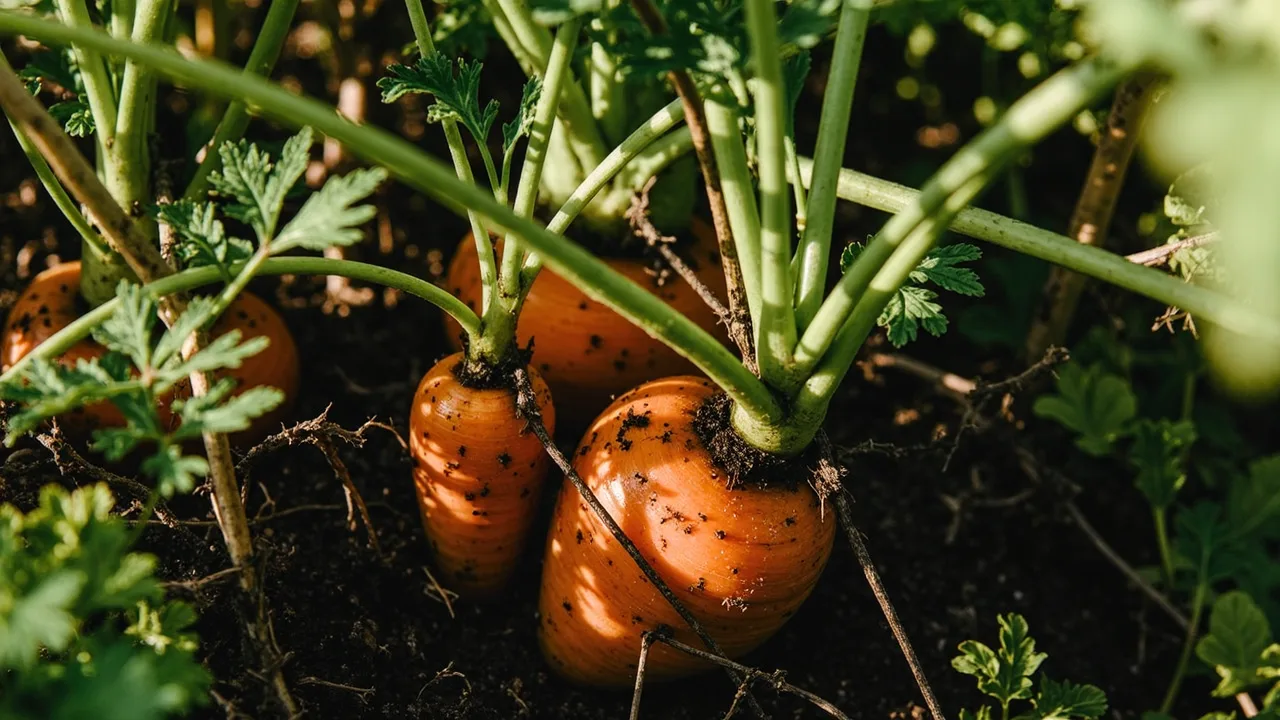
- Cause: The crown has been exposed to light through soil cracking or erosion. Wind rock on tall tops makes the problem worse.
- Fix: Earth up the row as the shoulders swell, or mulch with compost to keep the crowns covered.
Slug damage on seedlings
I've watched a whole 3 m row of freshly thinned seedlings vanish in two wet nights — slugs are the single most common reason a promising carrot row suddenly isn't there any more.
- Symptom: Seedling leaves shredded at the edges or the stem nicked through at soil level; sometimes whole rows vanish overnight.
- Cause: Slugs, particularly in damp spring weather. Carrot seedlings are tender and slow-growing, which makes them easy prey.
- Fix: Use ferric phosphate slug pellets at the label rate (UK-labelled products such as Sluggo and Neudorff state "for use around children, pets and wildlife" on the pack — follow the label, don't exceed the dose), keep the bed free of decaying leaves, and avoid watering in the evening.
Cavity spot / root disorders
Most UK growers first meet cavity spot on light, sandy soils after a wet winter — small sunken pits up to 5 mm across that make the roots hard to peel and impossible to store.
- Symptom: Sunken brown pits on the root surface, often in patches across the row.
- Cause: Calcium deficiency in light, acid soils; most often seen on leached sandy ground after a wet winter.
- Fix: Test pH and lime to 6.5 if needed; work in gypsum on light soils; rotate carrots to a fresh bed each year.
Expert Tips
- Sow a short row every 3-4 weeks from mid-March to early July rather than one long row in spring. Staggered sowings give sweet baby carrots from June through to firm maincrop roots in November, and if one sowing fails to carrot fly you still have three more chances.
- Cover with mesh the moment you finish sowing and don't lift it until the crop is harvested. Even a day with the cover off at the wrong time can let the second-generation fly in.
- Try Chantenay on stony or shallow soil. 'Chantenay Red Cored 2' is shorter and broader than a Nantes, and a heavy clay allotment with 20 cm of workable tilth will grow it more reliably than a long Imperator.
- Sow a late batch in late June or early July for roots that size up before winter and store through January. Lift October-November, twist the tops off rather than cutting, and box in damp sand in a cool shed; in mild areas you can also leave them under a thick straw mulch and pull as needed.
- Carrot seed stays viable for three years if kept cool and dry. If you have leftover seed from a half-used packet, seal it in a jar with a sachet of silica gel and sow it next year — don't throw it out.
FAQ
When is the latest I can sow carrots in the UK? Up to early July in the south and mid-July in mild parts of the north for roots that size up before winter. After that, germination is fine but growth slows and roots don't bulk up before the cold cuts in.
How long do carrots take to germinate? Fourteen to 21 days in cool spring soil (8-12 °C), 10-14 days in warm soil (15 °C and above). Keep the surface damp — not wet — until the seedlings show.
Can I grow carrots in pots? Yes. A 30 cm deep container with a 50/50 mix of peat-free multipurpose compost and sharp sand will take a dozen Nantes-types. Thin to 5 cm, water consistently and feed with half-strength tomato feed fortnightly. Choose a short or round variety such as 'Chantenay Red Cored 2' or 'Paris Market'.
Why are my carrots small and stunted? Usually one of three causes: the soil is too compacted or stony, the bed is too dry, or the row is too thick and the seedlings are starving each other. Forked roots usually point at stones or fresh manure; pointed, slim roots usually point at overcrowding or drought. The problem-solver section walks through UK-specific causes by symptom.
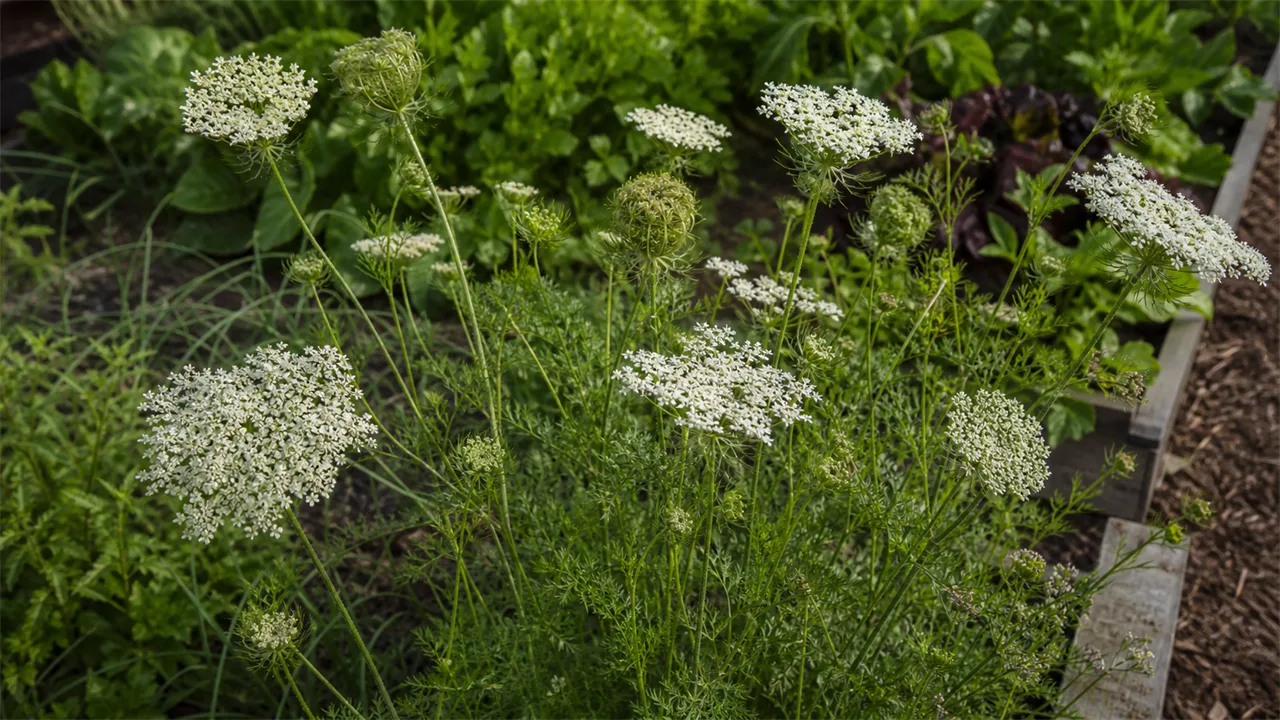
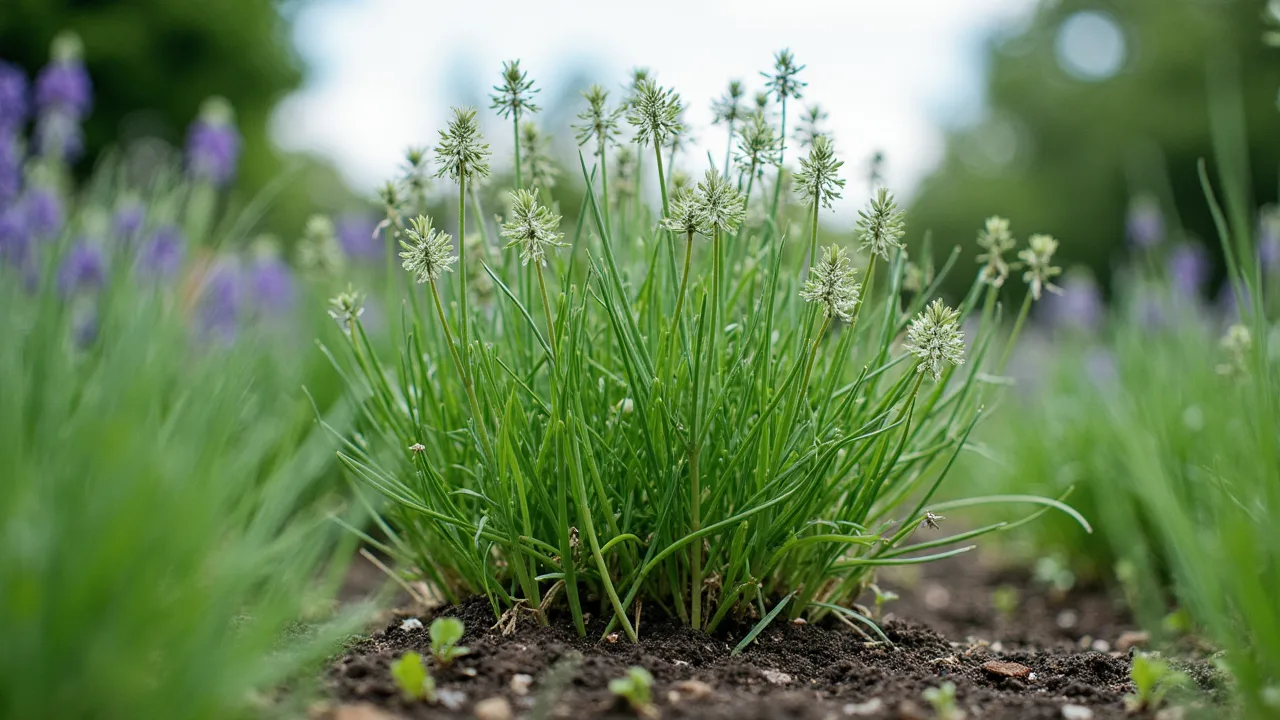
What grows well next to carrots? Onions, leeks, spring onions and chives — their scent is thought to confuse carrot fly. Avoid growing carrots next to dill or parsnip, which share the same pests. A handy rotation is carrots after a leafy crop such as lettuce or spinach, where the soil has been well-fed the previous year but not freshly manured.
Do carrot fly-resistant varieties actually work? Partially. 'Resistafly' and 'Flyaway' (both F1) reduce carrot fly damage by roughly 50-60% in UK trials — they're not immune, and you still need mesh for a clean crop, but they're a useful second line of defence and worth choosing if you garden where the fly is bad.
Varieties to Try
- 'Nantes 2' — The classic UK allotment carrot. Cylindrical, blunt-tipped, sweet and reliable across most soil types. Matures in roughly 70 days; widely available from Kings Seeds, Mr Fothergill's and Suttons. Good for the main spring sowing. See our guide to successional sowing in the UK for the staggered approach that makes best use of it.
- 'Chantenay Red Cored 2' — Short and broad-shouldered; the carrot to reach for on heavy clay, stony ground or shallow raised beds. Around 65-70 days to maturity. Stocked by Kings Seeds and Garden Organic's Heritage Seed Library. Pairs well with the tips in our UK vegetable rotation guide.
- 'Resistafly' F1 — Long Nantes-type with partial resistance to carrot fly; the most widely-grown resistant variety in the UK. About 75 days from sowing. Sold by Mr Fothergill's and Marshalls. A useful second line of defence alongside the carrot fly mesh we recommend in the problems section.
- 'Flyaway' F1 — Another fly-resistant F1, slightly shorter and sweeter than 'Resistafly'. Good for early sowings under cloche. Stocked by Suttons and Thompson & Morgan.
- 'Sugarsnax 54' F1 — A long, slender, very sweet hybrid for deep, prepared beds and rich soil; the variety to try once you've got your carrot bed dialed in. About 75 days. Available from Kings Seeds and Nicky's Nursery.
- 'Early Nantes' — Quick-maturing (60 days) for the first outdoor sowing under fleece. Round out the season with a 'Maincrop' type such as 'Autumn King 2' if you want a single bulk sowing.

Sources & Further Reading
Most UK carrot growers I know keep one of these on the shelf and come back to it each spring — they're the reliable, UK-grounded references.
- Royal Horticultural Society — Daucus carota (carrot) growing guide
- Garden Organic — Heritage Seed Library carrot notes
- ADAS / AHDB Horticulture carrot fly factsheet (archive)
- Gardeners' World — How to grow carrots (UK practical guide)
- Kitchen Garden Magazine — Carrot variety trials and sowing windows
- Allotment Gardens — Carrot fly mesh and succession sowing advice
Recommended Products
GardenWizz earns a commission from qualifying purchases made through affiliate links on this page (including links within the article) — as an Amazon Associate, and from Thompson & Morgan via the Awin network. This does not affect the price you pay. See our disclaimer for details.
Related Articles
More →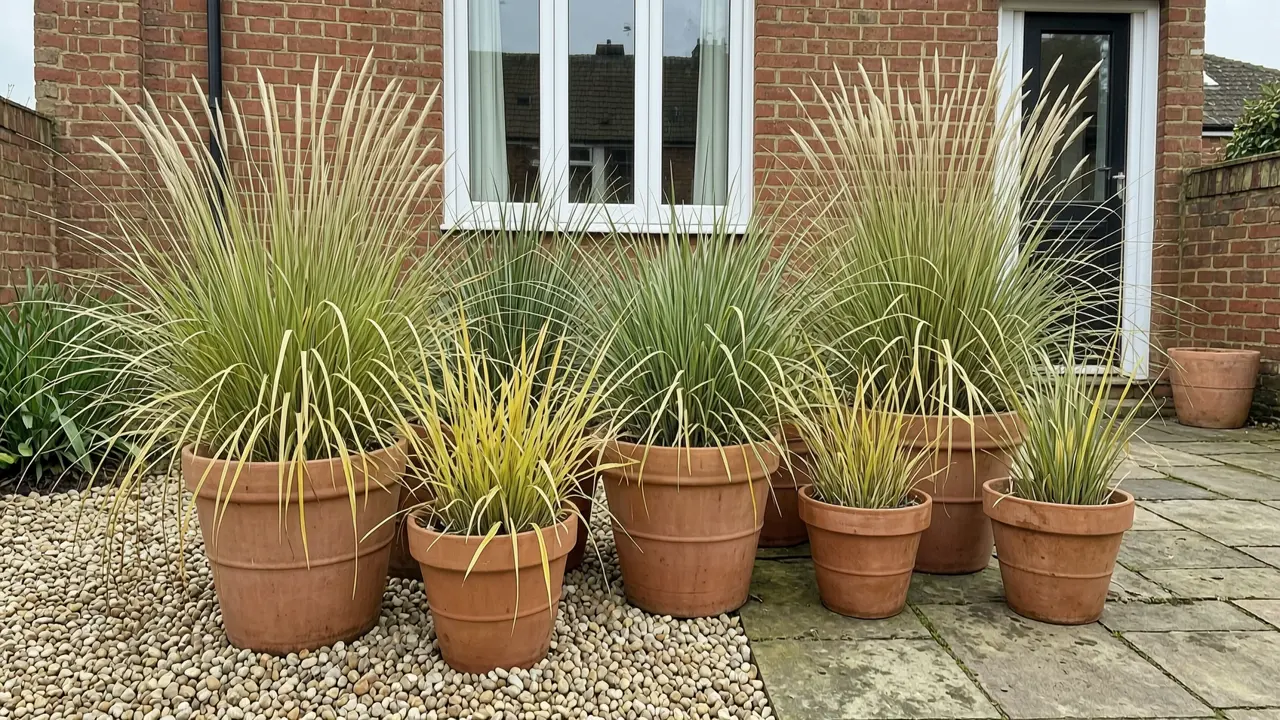 Growing Guide
How to grow ornamental grasses in pots
5 August 2026Grow ornamental grasses successfully in containers with advice on pot size, compost, watering, feeding, winter care and long-term maintenance.
 Growing Guide
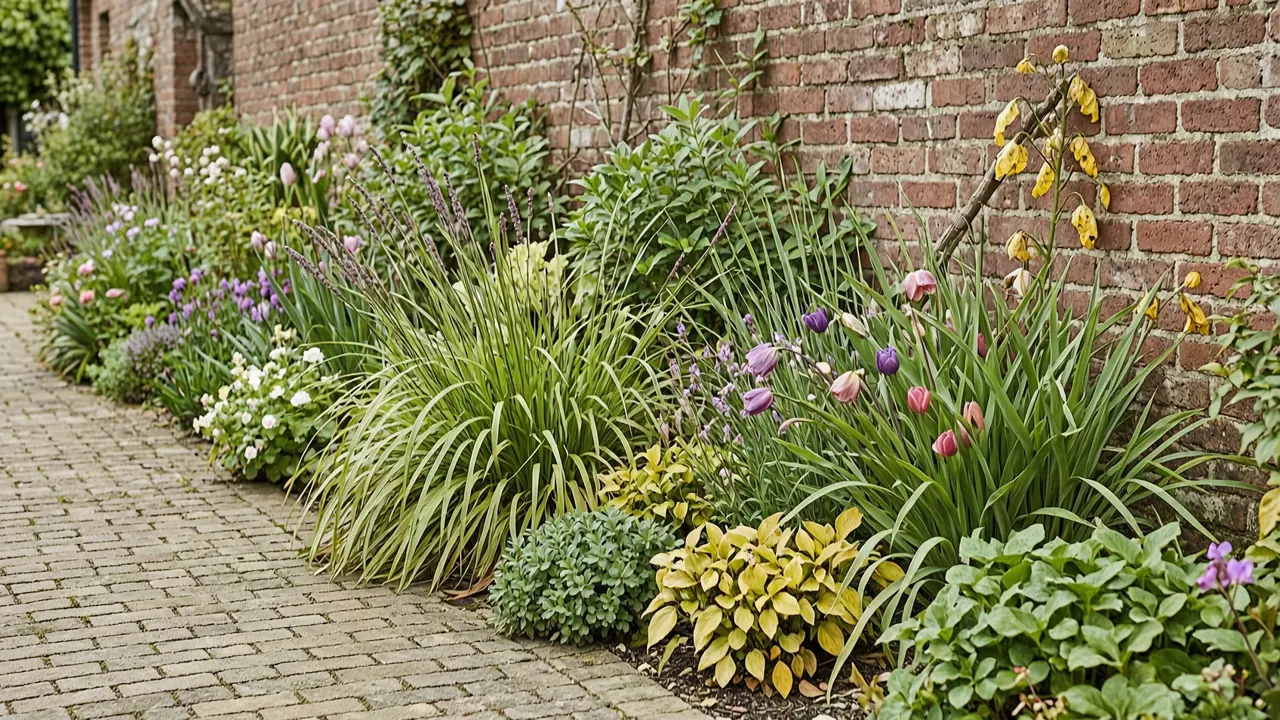
How to plan a perennial border
5 August 2026Plan a balanced perennial border with practical guidance on position, colour, height, spacing, flowering succession and year-round structure.
 Growing Guide
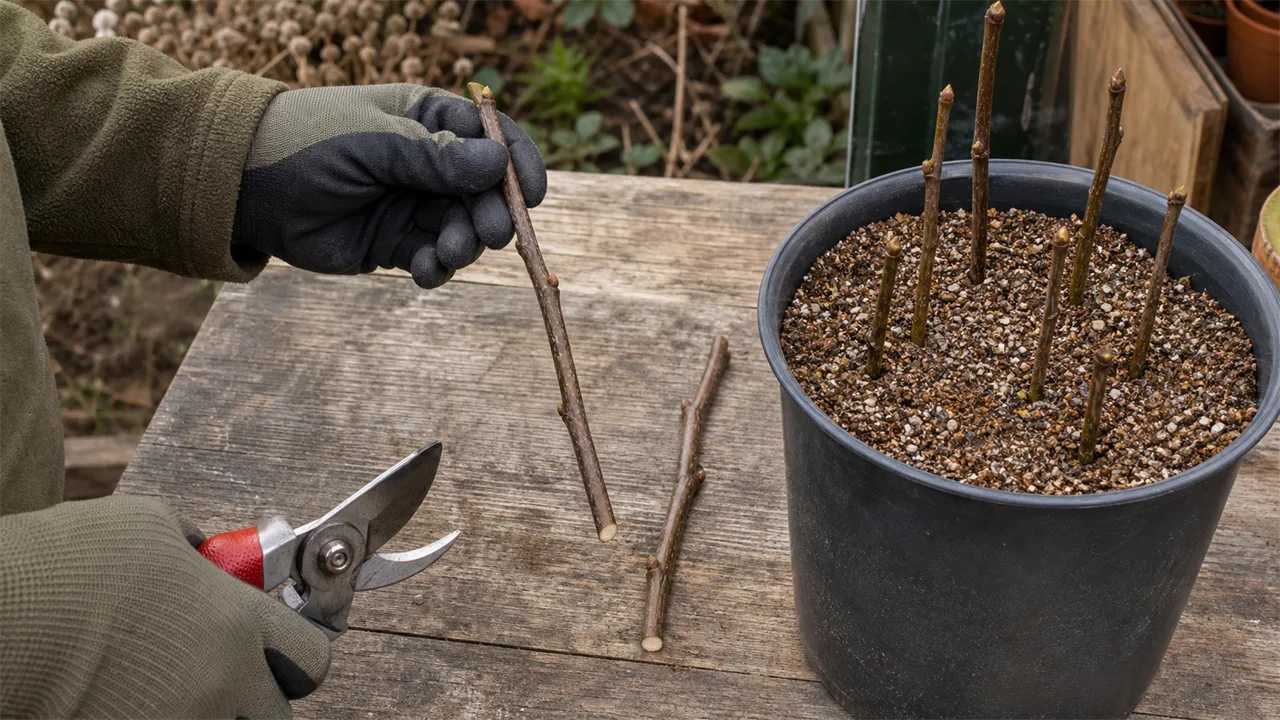
How to take hardwood cuttings
29 July 2026Take hardwood cuttings from suitable dormant shrubs and climbers with this step-by-step guide to timing, preparation, rooting and aftercare.