
How to Grow Parsnips in the UK: A Complete Guide
A single 3 m row will produce 8–10 kg of roots that can be lifted from October right through to March.
At a Glance
| Sow | March-April direct, 1 cm deep |
|---|---|
| Sun | Full sun |
| Soil | Deep, stone-free, slightly loose |
| Spacing | 10 cm apart in 30 cm rows |
| Hardiness | H5 — most UK gardens |
| Difficulty | Easy |
| Time to harvest | 36+ weeks (lift October onwards after frost) |
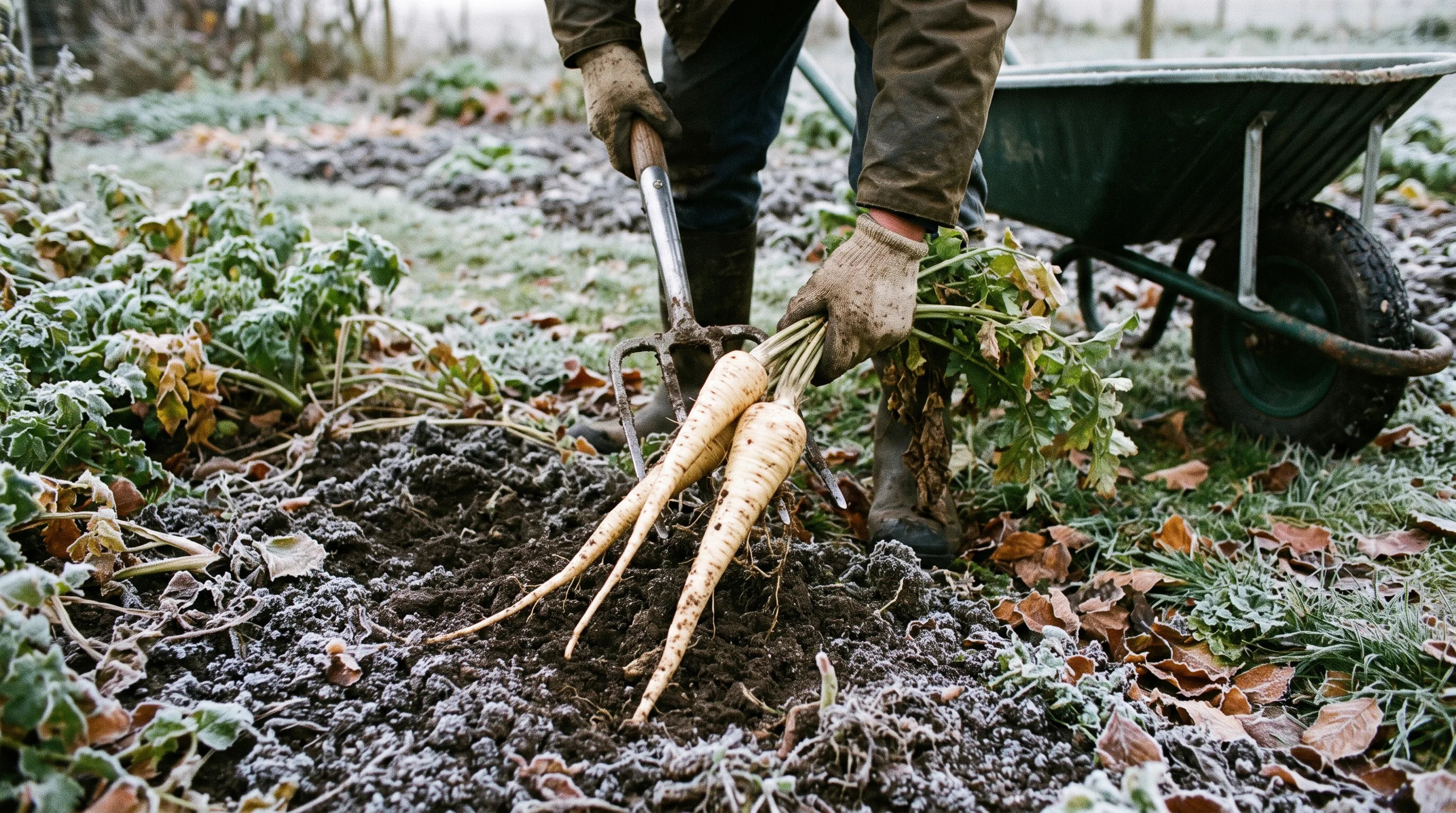
Parsnips are the unsung hero of the UK winter vegetable garden. Hardy, pest-free, easy to grow once germinated, and they taste better than any other root after the first frost — the cold converts the starches in the root to sugars, giving parsnips their characteristic sweet, slightly spicy flavour. A single 3 m row will produce 8–10 kg of roots that can be lifted from October right through to March.
The challenge with parsnips is germination. The seeds are short-lived (viability drops sharply after one year) and they take 2–4 weeks to come up — much longer than most vegetables. Once they’re up, however, they look after themselves until harvest.
When to sow parsnips in the UK
Parsnips are a long-season crop (28–36 weeks from sowing to harvest) and have one main sowing window:
- Main sowing (late February to mid-April): direct into the ground as soon as the soil is workable. Don’t sow before mid-February — cold, wet soil causes the seeds to rot. And don’t sow after late April — the roots won’t have time to mature before winter.
Avoid transplanting parsnips — the tap root forks badly if disturbed. Always direct-sow into the final position. A late spring sowing (May) is sometimes claimed to work, but yields are smaller and roots thinner.
Choosing parsnip varieties
There are two main shapes, with different harvest windows and uses:
- Long, tapered types: the classic parsnip shape — long, narrow roots 25–40 cm long, tapering to a point. Need deep, stone-free soil. ‘Tender and True’ (heritage, the long-standing favourite), ‘Gladiator’ F1 (heavy yields, canker-resistant), ‘Javelin’ F1 (very long, smooth roots).
- Short, stubby types:
For most UK gardens with reasonable soil depth, ‘Gladiator’ F1 is hard to beat — heavy yields, smooth roots, and good canker resistance. For shallow or stony soil, ‘Avonresister’ is the reliable choice. ‘Tender and True’ is the heritage option for those who want the traditional long parsnip shape.
Sowing parsnips
Parsnips need a deep, stone-free, well-prepared soil that hasn’t been freshly manured (manure causes the roots to fork). Ideally, prepare the bed the previous autumn, digging deeply and removing stones. Don’t add compost or manure at sowing time — just rake the bed to a fine tilth.
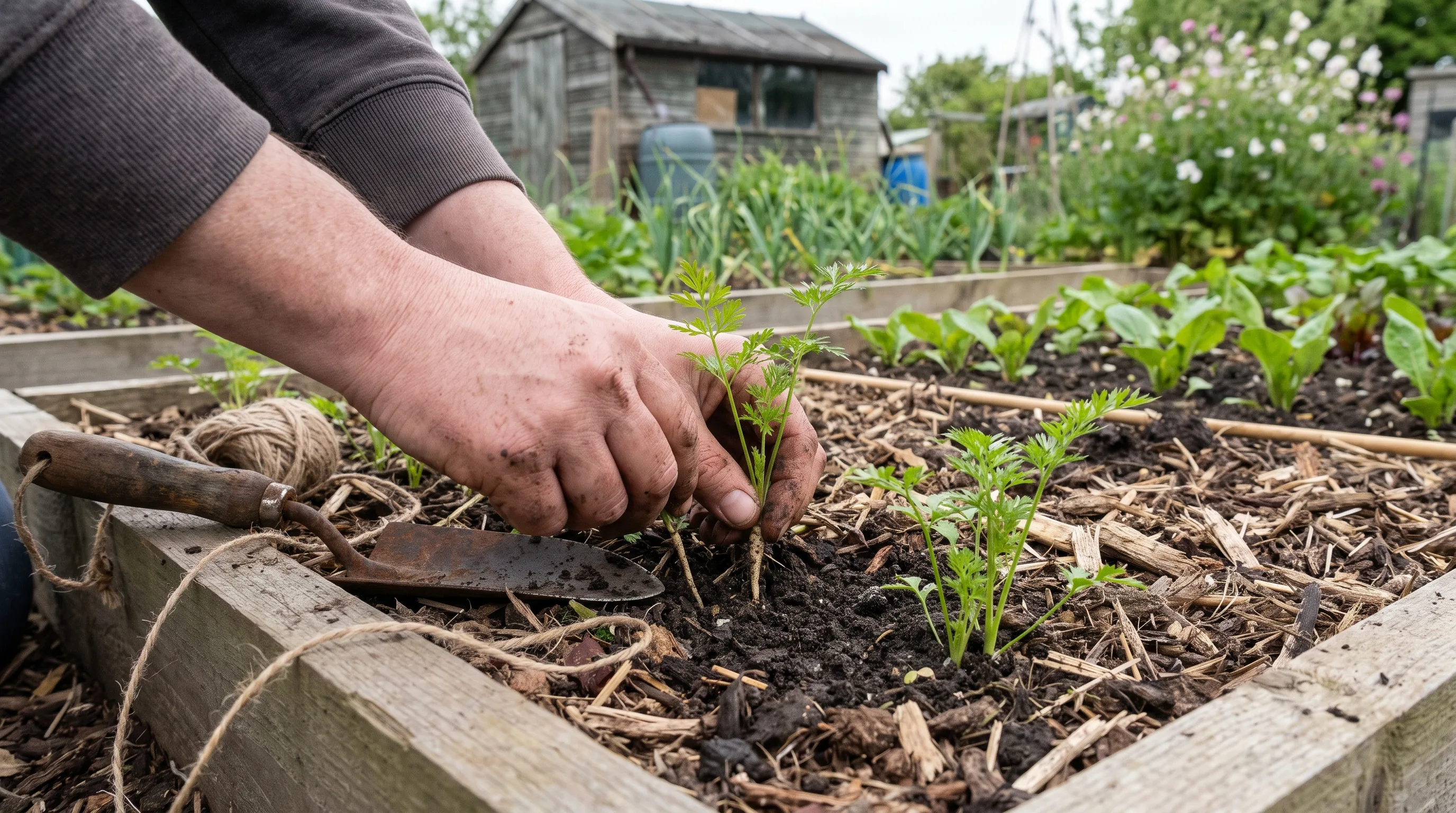
Sow seeds 1 cm deep in rows 30 cm apart. Sow 2–3 seeds every 10 cm and thin to one strong seedling once they’re 5 cm tall. Pre-soak the seeds overnight in lukewarm water to speed germination. Use fresh seed each year — germination drops from 80% in year one to 50% in year two and below 30% in year three.
Germination takes 14–28 days. Keep the soil consistently moist during this period — a dry spell at germination time is the most common reason for patchy rows. Cover the row with a length of horticultural fleece to retain moisture and warm the soil slightly.
Care: weeding, watering, pests
Once germinated, parsnips need little attention. Weed regularly while the plants are small — the leafy tops don’t compete well with weeds. Hand-weed or hoe shallowly, taking care not to damage the top of the root.
Water during long dry spells, but don’t over-water. Parsnips prefer soil that’s slightly on the dry side once the roots are developing. Too much water produces leafy growth at the expense of the root.
Don’t feed with nitrogen. Parsnips grown in soil that was manured the previous autumn don’t need extra fertiliser. A single potash feed (tomato fertiliser or comfrey tea) in mid-summer is beneficial.
Parsnips are remarkably pest-free. The main issue is canker (a fungal disease that causes orange-brown lesions on the root), which is worse in acid or waterlogged soils. Liming to pH 6.5+ and improving drainage help; resistant varieties like ‘Gladiator’ F1 are the simplest fix.
Harvesting parsnips
Start harvesting in October, after the first frosts have sweetened the roots. Lift carefully with a fork, pushing the fork in 15–20 cm from the row and levering up. The roots break easily, so don’t try to pull them.
For the best flavour, harvest as needed through the winter — parsnips stand well in the ground right through to March, and each frost improves the flavour. In very cold regions, cover the row with a 10 cm layer of straw in December to make lifting easier when the ground is frozen solid.
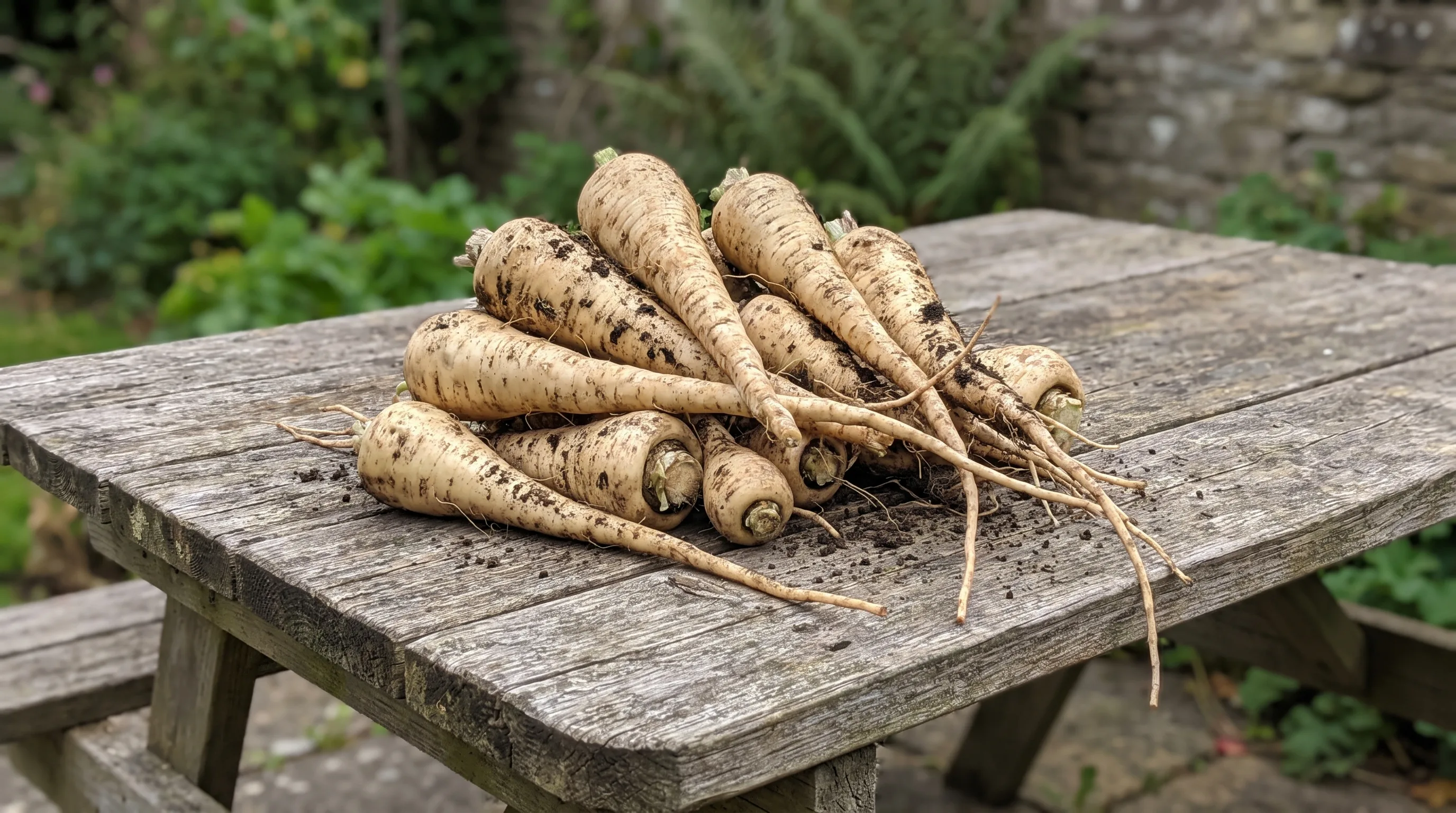
For storage, lift the whole crop in November and heel into a trench in a sheltered corner: dig a 30 cm deep trench, lay the parsnips on their sides, and cover the roots with soil. They’ll keep in good condition for another 2–3 months this way.
Frequently asked questions
Why didn’t my parsnip seeds germinate? The most common reasons are old seed (use fresh each year), dry soil (water consistently during the 2–4 week germination window), or cold wet soil (wait until the soil is workable in spring). Covering the row with fleece helps with the last two.
My parsnip roots are forked and twisted. Usually freshly manured soil, or stony soil. Don’t add manure at sowing time — prepare the bed the previous autumn. Remove stones thoroughly, especially for long-rooted varieties.
My parsnips have orange-brown lesions on the shoulders. Canker, a fungal disease. It’s worse in acid or waterlogged soils. Lime to pH 6.5+, improve drainage, and grow resistant varieties like ‘Gladiator’ F1.
Can I grow parsnips in containers? Yes, choose a short-rooted variety like ‘Avonresister’ in a 30 cm deep container. Use a peat-free multi-purpose compost mixed with a handful of sand for drainage. Sow 4–5 seeds per 30 cm container and thin to one strong seedling per cluster.
Are parsnips worth growing? Absolutely. They’re one of the lowest-maintenance vegetables in the UK garden, and the flavour of freshly lifted, frosted parsnips is incomparable to anything in the shops. A single 3 m row produces 8–10 kg of roots from October to March with almost no effort once the seedlings are established.
Plants in this guide
Recommended Products
GardenWizz earns a commission from qualifying purchases made through affiliate links on this page (including links within the article) — as an Amazon Associate, and from Thompson & Morgan via the Awin network. This does not affect the price you pay. See our disclaimer for details.
Related Articles
More →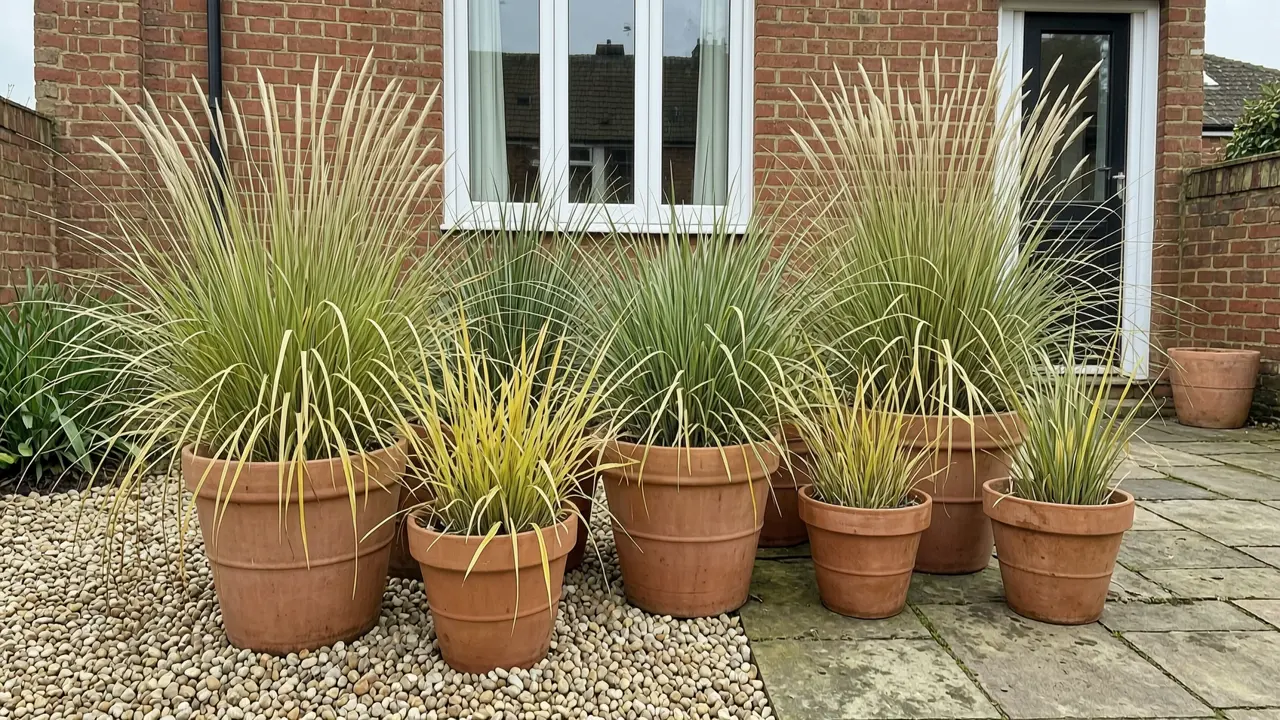 Growing Guide
How to grow ornamental grasses in pots
5 August 2026Grow ornamental grasses successfully in containers with advice on pot size, compost, watering, feeding, winter care and long-term maintenance.
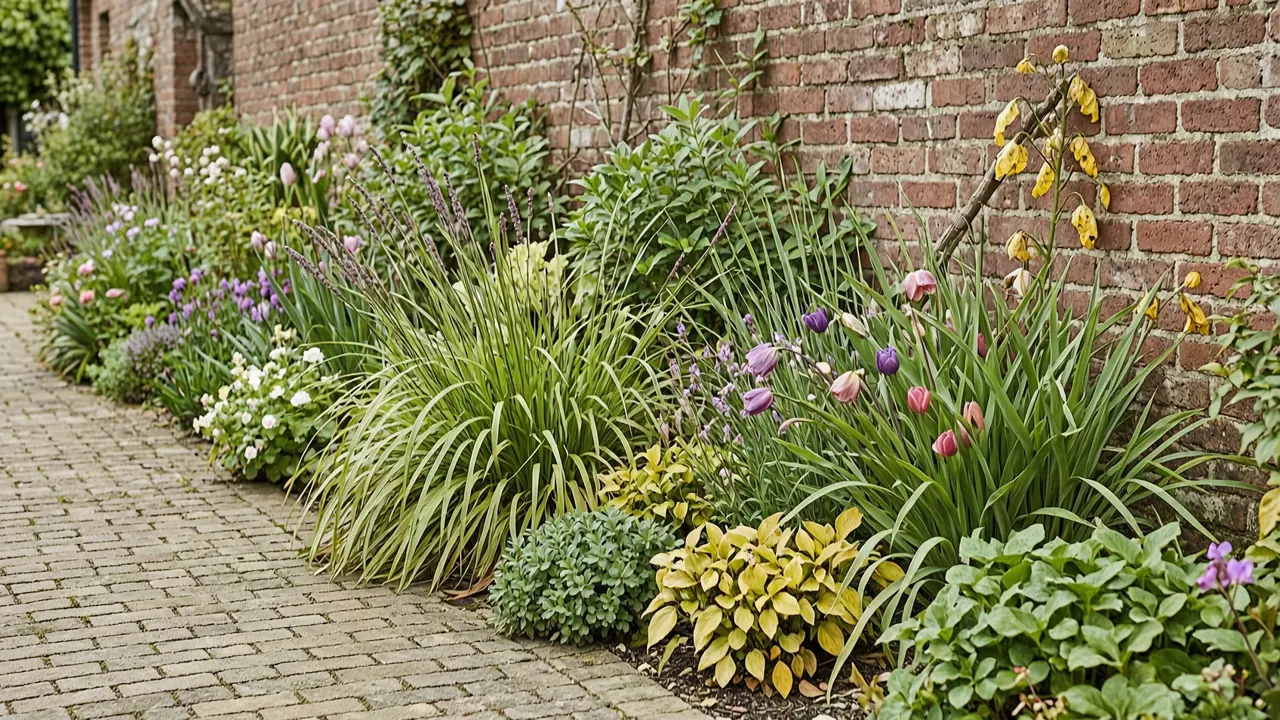 Growing Guide
How to plan a perennial border
5 August 2026Plan a balanced perennial border with practical guidance on position, colour, height, spacing, flowering succession and year-round structure.
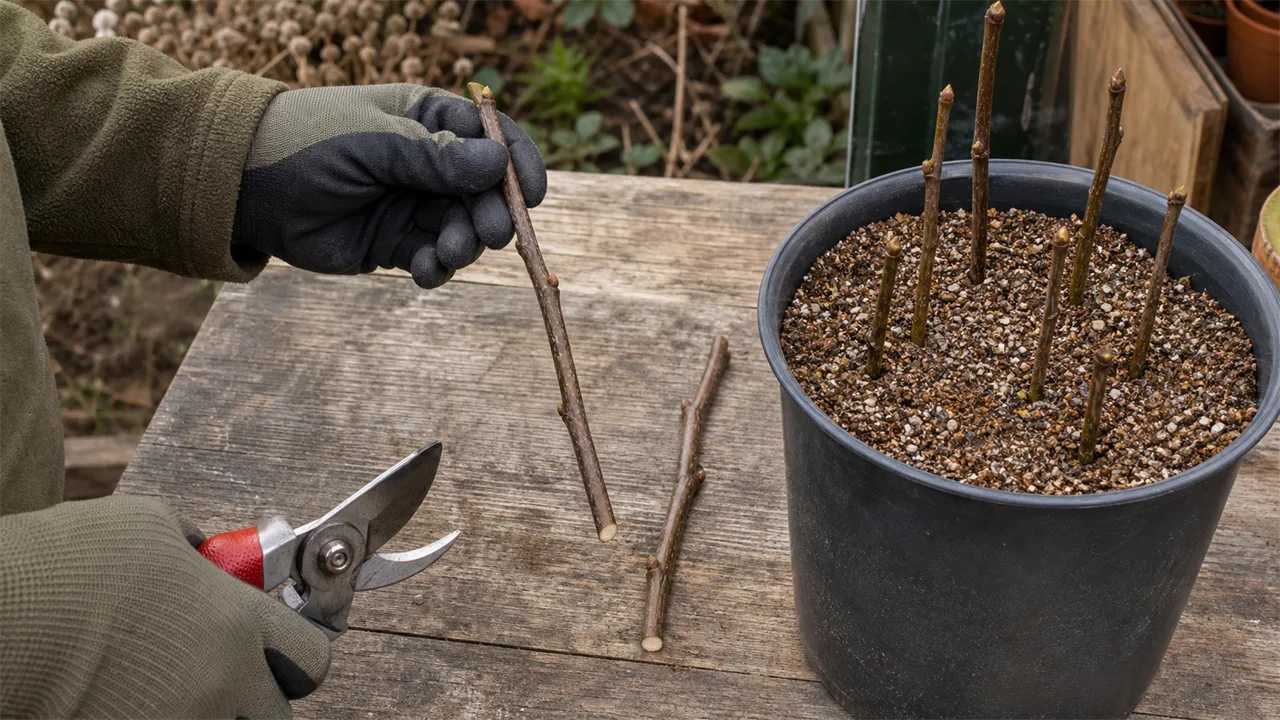 Growing Guide
How to take hardwood cuttings
29 July 2026Take hardwood cuttings from suitable dormant shrubs and climbers with this step-by-step guide to timing, preparation, rooting and aftercare.