
How to Grow Beetroot
Beetroot is a joy to grow in UK gardens, offering vibrant colour, sweet earthy flavour, and remarkable versatility in the kitchen—from raw salads to roasted sides or pickled condiments. Thriving in…
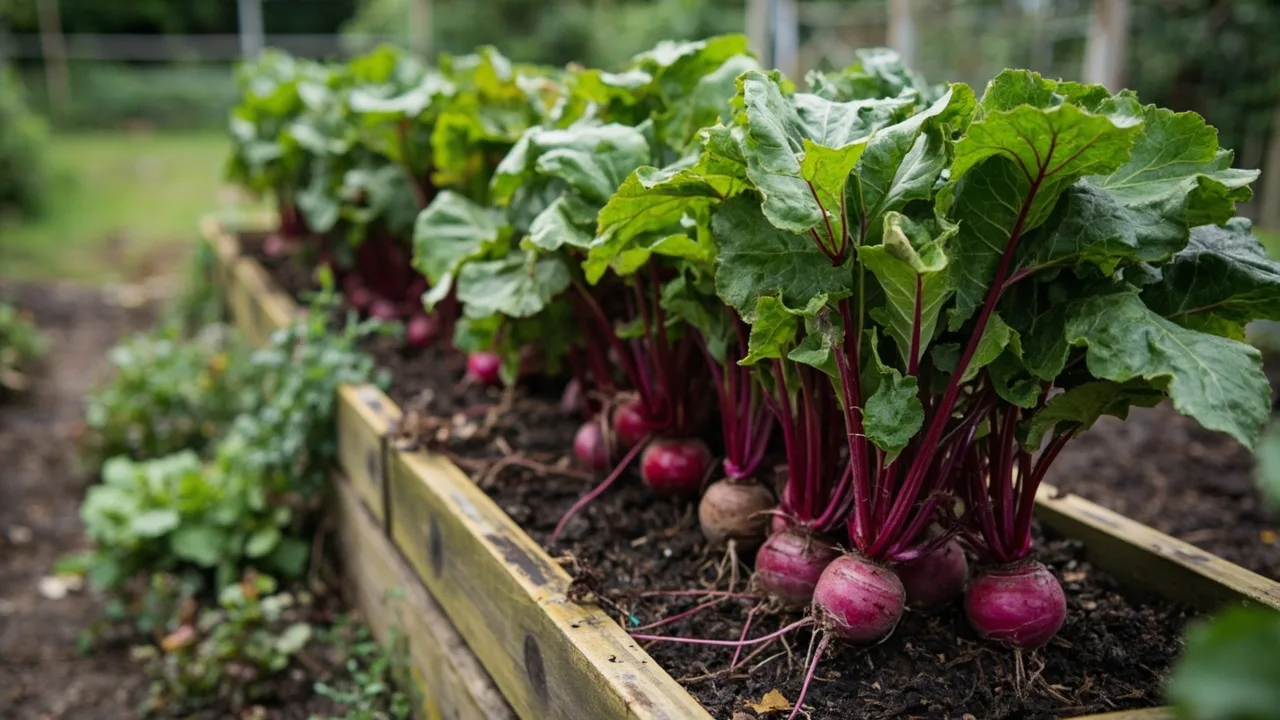
Beetroot is a joy to grow in UK gardens, offering vibrant colour, sweet earthy flavour, and remarkable versatility in the kitchen—from raw salads to roasted sides or pickled condiments. Thriving in cool, moist conditions, it’s one of the most reliable vegetables for beginner and experienced gardeners alike. This guide gives you exact, UK-tailored advice for perfect roots, covering soil prep, planting windows, pest control, and storage, all based on our climate and common challenges.
Soil Preparation and pH Management
Beetroot demands fertile, well-drained soil with a pH between 6.0 and 7.0—compost or organic matter does not alter pH significantly. To raise pH (for acidic soil), use garden lime; to lower it (for alkaline soil), use sulphur. Test your soil in early spring (February–March) with a £5 kit from a garden centre. For acidic soil (pH <6.0), apply 50g of garden lime per square metre, mixing it into the top 15cm of soil 2–4 weeks before planting. For alkaline soil (pH >7.0), add 25g of agricultural sulphur per square metre. Avoid heavy clay soils, common in parts of the Midlands and East Anglia; if your soil is compacted, dig in 5cm of coarse grit or sharp sand to improve drainage. Light chalky soils (e.g., in the South Downs) are ideal, but never plant in waterlogged ground—this causes root rot.
Essential UK soil prep steps:
- Clear weeds and debris from your plot in February.
- Dig over soil to a spade’s depth (25cm), removing stones and old roots.
- Mix in 5cm of well-rotted garden compost (avoid fresh manure) to boost fertility.
- Test pH and adjust with lime/sulphur as needed.
- Create shallow drills (1cm deep) 30cm apart—this aids thinning and root development.
UK tip: In Scotland, delay soil prep until late March due to slower warming; in London, start mid-February if the soil is workable. In clay-heavy regions like the West Midlands, add 10% sharp sand to drills to prevent root distortion.
Planting Times and Varieties for UK Gardens
Plant seeds from mid-March to mid-April in southern England and London (e.g., Surrey, Kent), but delay until mid-April to early May in Scotland and northern UK (e.g., Edinburgh, Newcastle) to account for the 2–4 week climate lag. Sow directly into soil once ground is workable (above 5°C) and frost risk has passed. For a continuous harvest, succession plant every 3 weeks until July. Prioritise UK-adapted varieties:
- 'Boltardy': Bolt-resistant, 55 days to harvest—ideal for cool springs.
- 'Cylindra': Long, cylindrical roots (60 days), perfect for storage in damp cellars.
- 'Red Ace': Reliable, sweet, and tolerant of variable UK weather.
Avoid 'Golden Beet' for beginners—it bolts easily in cooler UK springs. Sow seeds 2–3cm apart in drills; cover lightly with soil. Thin seedlings to 10cm apart once they reach 5cm tall (use thinnings in salads). UK timing note: In 2023, early planting in April (not March) in the South West prevented bolting due to unseasonal warmth. In Scotland, plant 'Boltardy' from 15th April onwards to avoid late frosts.
Watering and Feeding
Consistent moisture is critical—drought causes woody, cracked roots. Water deeply once a week (2.5cm equivalent), increasing frequency during dry spells (e.g., July heatwaves in the South West). Mulch with 5cm of straw or leaf mould after thinning to retain moisture and suppress weeds. Feed only if soil is poor; a liquid seaweed feed (diluted 1:10) applied at planting and again 4 weeks later is sufficient. Never use high-nitrogen fertilisers—they promote leaf growth over root development. In heavy rain (common in northern UK), ensure drainage to prevent root rot.
Pro UK tip: In the South West (e.g., Cornwall), water at the base of plants (not overhead) to avoid rust in humid summers. If rain is scarce for 10+ days (common in East Anglia during July), increase watering to prevent stress—beetroots need 500ml per square metre weekly. In clay soils (e.g., Oxfordshire), water less frequently but deeply to avoid waterlogging; in sandy soils (e.g., Norfolk), water more often but in smaller amounts. For container-grown beetroots (popular in London balconies), use a moisture-retentive compost like John Innes No. 2 and check daily in summer.
Pest and Disease Control
Beetroot fly (a major UK pest) is the biggest threat. Adult flies lay eggs near roots in May–June; larvae tunnel into roots, causing rot. Prevent it by covering crops with fine mesh fleece (1mm mesh) from planting until mid-June. For aphids (common on young leaves), spray with a strong jet of water or use organic insecticidal soap (follow product label and UK regulations). Powdery mildew can occur in humid summers—improve air circulation by spacing plants 10cm apart. Always:
- Check plants daily for early pest signs (e.g., yellowing leaves from fly damage).
- Remove and destroy infested plants immediately.
- Rotate crops yearly—never plant beetroots in the same spot for 3 years.
UK-specific advice: In 2022, gardeners in the Midlands reduced fly damage by 70% using fleece applied before April 15th. For organic control, spray nettle tea (1 part nettle leaves to 10 parts water, left for 2 days) weekly. In Scotland, monitor for fly activity from late April as warmer springs accelerate egg-laying.
Harvesting and Storage
Harvest when roots are 5–7cm in diameter (about 6–8 weeks after thinning). In cooler regions (e.g., Scotland), wait until August; in warmer south-west England (e.g., Devon), harvest from June. Lift gently with a fork (avoid damaging roots), trim tops to 2cm, and remove soil. Never wash roots before storage—this shortens shelf life. Store in a cool, dark place (e.g., unheated shed or root cellar) in damp sand or peat moss in a ventilated container. Properly stored, they’ll last until March. For immediate use, keep unwashed roots in a plastic bag in the fridge’s crisper drawer for up to 2 weeks.
UK note: Beetroot is non-toxic to cats, dogs, and horses (RHS confirms), but avoid feeding large quantities of raw leaves to livestock—they can cause digestive upset. Never forage wild beetroots—identify with RHS or a foraging expert first. In northern UK, store roots in a damp cloth in a cool larder (not a fridge) to prevent freezing. For 'Cylindra' varieties, harvest in late August for winter storage; 'Red Ace' is best lifted in September for spring use. In clay soils, harvest slightly earlier to prevent root splitting.
Troubleshooting Common Issues
Bolting (premature flowering) occurs due to heat or drought. To prevent it:
- Plant early varieties (e.g., 'Boltardy') in cool soil (March–April).
- Keep soil consistently moist—use mulch to retain moisture.
- Avoid planting after May (e.g., in London, plant by April 20th).
UK example: In 2023, many gardeners in East Anglia lost crops by planting 'Red Ace' in late April due to unseasonal heat. Small or misshapen roots indicate compacted soil or overcrowding. Always thin seedlings to 10cm apart and ensure soil is loose (dig in grit if needed). Purple-stained hands are harmless—wear gloves if preferred, but it’s not a health risk. UK tip: In clay-heavy soils (e.g., West Midlands), mix in 10% sharp sand at planting to prevent root distortion. For persistent pest issues, try companion planting with onions or garlic to deter beetroot fly.
Plants in this guide
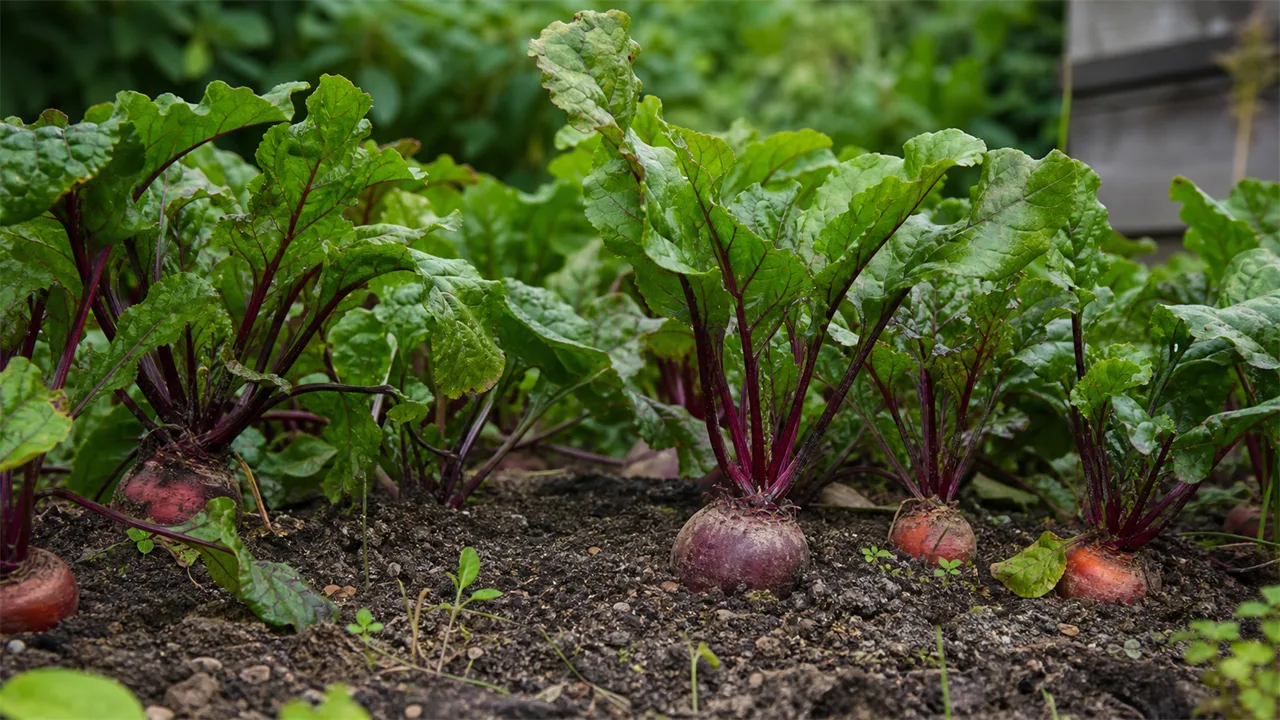
Recommended Products
GardenWizz earns a commission from qualifying purchases made through affiliate links on this page (including links within the article) — as an Amazon Associate, and from Thompson & Morgan via the Awin network. This does not affect the price you pay. See our disclaimer for details.
Related Articles
More → Growing Guide
How to grow ornamental grasses in pots
5 August 2026Grow ornamental grasses successfully in containers with advice on pot size, compost, watering, feeding, winter care and long-term maintenance.
 Growing Guide
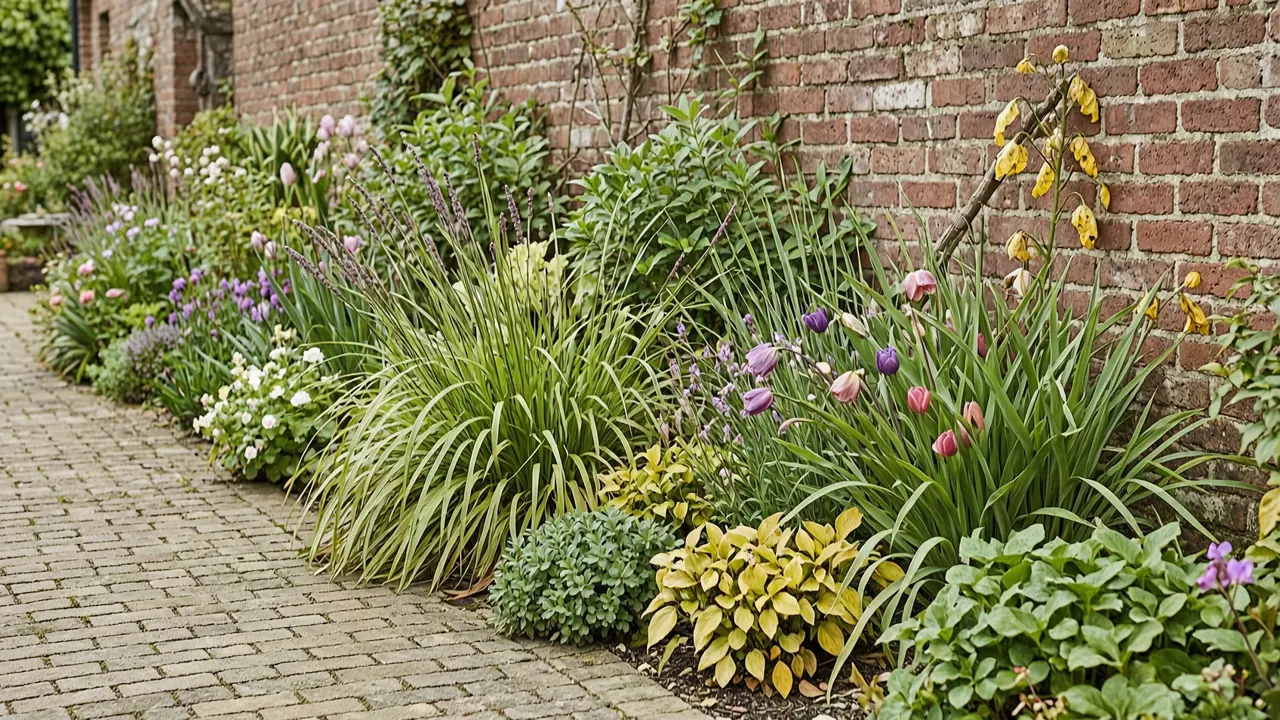
How to plan a perennial border
5 August 2026Plan a balanced perennial border with practical guidance on position, colour, height, spacing, flowering succession and year-round structure.
 Growing Guide
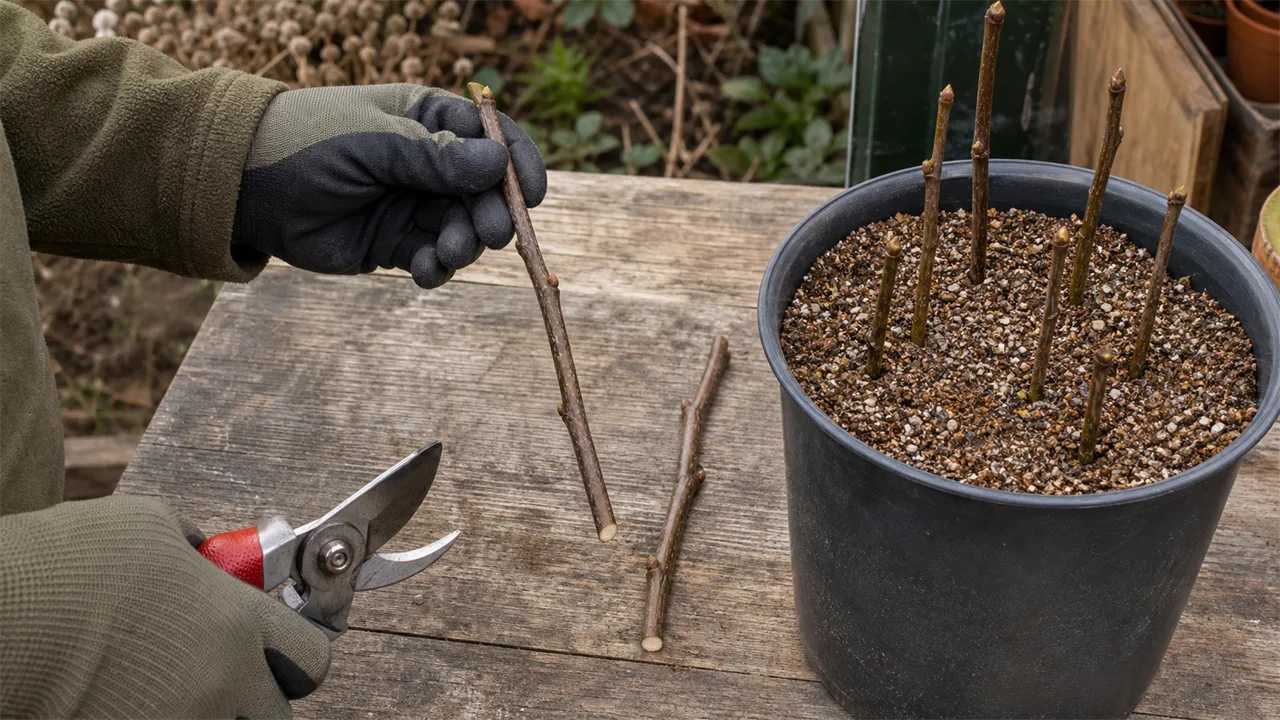
How to take hardwood cuttings
29 July 2026Take hardwood cuttings from suitable dormant shrubs and climbers with this step-by-step guide to timing, preparation, rooting and aftercare.