
How to Create a Windowsill Herb Garden
A windowsill herb garden puts fresh flavour within arm's reach of the kettle, costs less than a couple of supermarket pots, and keeps producing for months. It is also the single easiest way for a UK…
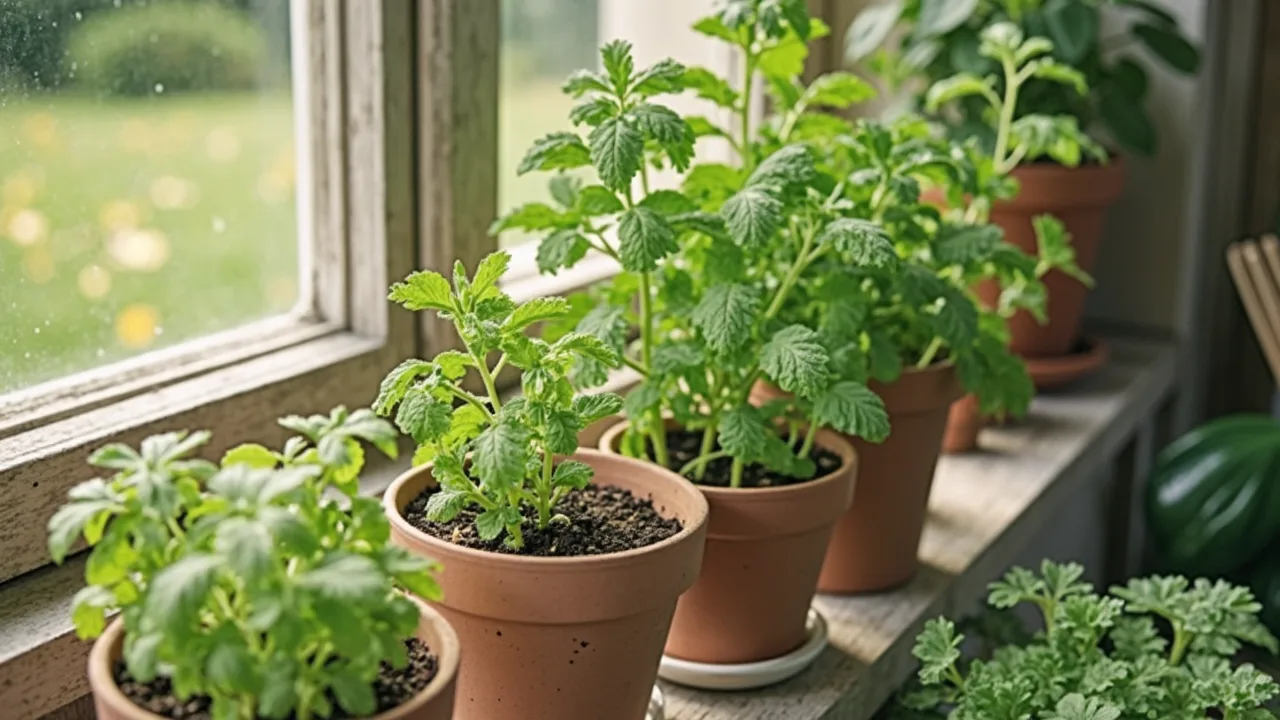
A windowsill herb garden puts fresh flavour within arm's reach of the kettle, costs less than a couple of supermarket pots, and keeps producing for months. It is also the single easiest way for a UK grower to keep cooking herbs alive through winter, when garden soil is cold and wet and most shop-bought herbs die within a week of going on the windowsill.
The best time to start is any time the days are lengthening, from mid-February through to early April for the strongest growth. You can also start in late summer (August to early September) to carry parsley, chives and mint through autumn and into the following spring. Pure midwinter is workable but slow — expect germination to take two to three weeks and to need a propagator or a warm spot above a radiator.
What you'll need
- Containers. Pots 12–15 cm in diameter with drainage holes, or a long trough at least 15 cm deep and 15 cm wide. Terracotta breathes and suits Mediterranean herbs (thyme, rosemary, oregano, sage); plastic retains moisture and suits basil, parsley, chives and mint. One pot per herb is the safest rule — mint in particular will bully everything else.
- Compost. A peat-free multi-purpose compost for leafy herbs (basil, parsley, chives, mint). For Mediterranean herbs, mix roughly 3 parts peat-free multi-purpose to 1 part horticultural grit or sharp sand to improve drainage.
- Grit or gravel. A small bag of horticultural grit for the pot base and for mixing into Mediterranean compost.
- Watering can with a fine rose. A 1-litre indoor can is plenty.
- Drainage saucers. One per pot, plus a deeper tray if you group several pots on a wide sill.
- Labels and a pencil. Wooden labels and a graphite pencil survive watering; marker pens fade.
- Liquid seaweed feed (optional). A bottle of balanced feed for the leafy herbs during the growing season.
- Seeds or young plants. For beginners, young plants from a garden centre are easier. For basil, seeds are more reliable than the stressed plants sold in supermarkets.
You can do this for under £20 if you already have a watering can and a tray.
Step-by-step
- Choose the right sill. Most culinary herbs need at least 4–6 hours of direct light. A south- or west-facing window is ideal. East-facing works for parsley, chives and mint. North-facing sills are too dim for all but mint and chives, and even those will be leggy.
- Wash the pots. If you are reusing pots, scrub them in warm water with a drop of washing-up liquid and rinse. Old compost harbours fungus gnats and root-rot fungi.
- Cover the drainage holes. Place a single piece of broken pot or a small square of J-cloth over each hole to stop compost washing out. Do not block the hole entirely.
- Add grit for drainage. Put a 1–2 cm layer of horticultural grit in the base of each Mediterranean-herb pot. Leafy herbs do not need this layer.
- Fill with compost. Leave a 1–2 cm gap below the rim for watering. For Mediterranean herbs, mix your gritty compost first in a separate tub until the grit is evenly distributed. Tap the pot gently to settle the compost; do not firm it down hard.
- Sow or plant. For seeds, scatter thinly across the surface, cover with a layer of compost equal to the seed's own depth, and water with the fine rose. For young plants, tease the roots apart gently if they are circling, sit the rootball so its top is 1 cm below the rim, and backfill.
- Label. Write the herb and the sowing or planting date. Pencil on a wooden label lasts years.
- Water in. Give each pot enough water to just start running from the base. For seeds, water once at sowing and then keep the surface barely moist with a spray bottle until germination.
- Position the pots. Leave 2–3 cm between pots so air can move around them. Rotate the pots a quarter turn every few days so the plants do not lean into the glass.
- Thin seedlings. When seed-grown herbs have two sets of true leaves, thin to the spacings below. Snip the extras with scissors rather than pulling, to avoid disturbing the roots you are keeping.
- Feed from week six. Once leafy herbs are established, feed every 2–3 weeks with half-strength liquid seaweed. Mediterranean herbs rarely need feeding in a single season.
Spacings and sowing depths
| Herb | Final spacing | Seed depth | Days to germinate |
|---|---|---|---|
| Basil | 15–20 cm | 0.5 cm | 7–14 |
| Parsley (flat-leaf) | 15 cm | 1 cm | 14–28 |
| Chives | 15 cm | 1 cm | 10–14 |
| Mint | one plant per 15 cm pot | surface-sow | 14–21 |
| Thyme | 20 cm | surface-sow | 14–28 |
| Rosemary | one plant per pot | cuttings easier | — |
| Oregano | 20 cm | surface-sow | 10–21 |
| Coriander | 10 cm | 1 cm | 10–20 |
Common mistakes
- Overwatering. This kills more windowsill herbs than anything else, especially in winter when the plants are barely growing. Stick a finger 2 cm into the compost; if it is damp, do not water.
- Grouping mint with other herbs. Mint's roots run fast and will swamp basil within a month. Keep it in its own pot, ideally its own room.
- Putting Mediterranean herbs in rich, moisture-retentive compost. Thyme, rosemary, sage and oregano come from dry, stony Mediterranean hillsides. They rot in standard multi-purpose, especially in plastic pots.
- Trusting the compost in a bought supermarket herb pot. Those pots are usually packed with dozens of seedlings competing for a thimble of compost. Split them into individual pots within a week, or they will all collapse.
- Forgetting to rotate. A herb left in the same orientation leans hard towards the glass and becomes one-sided within a fortnight. A quarter turn every few days keeps it symmetrical.
- Closing the curtains over the plants at night. Curtains trap condensation against the leaves and encourage grey mould, especially on basil.
Troubleshooting
- Yellow lower leaves, soft stems. Almost always overwatering. Tip the rootball out: healthy roots are white and firm, rotten ones brown and mushy. If they have rotted, take a healthy cutting and restart in drier compost.
- Tall, floppy seedlings with wide gaps between leaves. Not enough light. Move to a brighter sill, or run a 10-watt LED grow light 15 cm above the plants for 10–12 hours a day.
- White powdery patches on leaves. Powdery mildew, usually from stale, humid air. Space the pots out, remove the worst leaves, and water only at the base in the morning, never over the foliage.
- Tiny black flies around the compost. Fungus gnats. Let the top 2 cm of compost dry out between waterings; they usually disappear within a week. A sticky yellow trap clears the adults.
- Leaves taste weak or watery. The plant is overwatered or has been cut too hard. Stop harvesting for two to three weeks, water only when dry, and the flavour will concentrate.
- Flowers appearing on basil or mint. Pinch them out at once. Once these set seed, leaf production drops sharply and the plant soon declines.
UK-specific tips
- Keep the sill above 10 °C at night. Most UK kitchens drop below this in an unheated house in January and February. Move pots off the sill onto an inner shelf on frosty nights, or close the curtains behind the pots rather than around them.
- Tap water is fine. London and hard-water-area growers do not need to collect rainwater for indoor herbs. The small volumes and regular flushing mean salt build-up is not a problem on a windowsill.
- Buy young plants from late April to early June for the strongest selection at garden centres. Mail-order herb plug plants are widely available in trays of 6 or 12 from February through May.
- Save seed from coriander, dill and chives in late summer — let one pot flower, dry the seed on a plate indoors, and store in a paper envelope for the following spring.
- Indoor herbs are not tender perennials by default. Basil is annual and will die in autumn; chives, mint, parsley, thyme, oregano, sage and rosemary are perennial and will keep going for years with an annual top-dress of fresh compost in spring.
A windowsill herb garden is one of the few gardening projects that genuinely pays for itself within a month. Start with three pots — flat-leaf parsley, chives, and one Mediterranean herb that suits your cooking — and add more only when those are thriving.
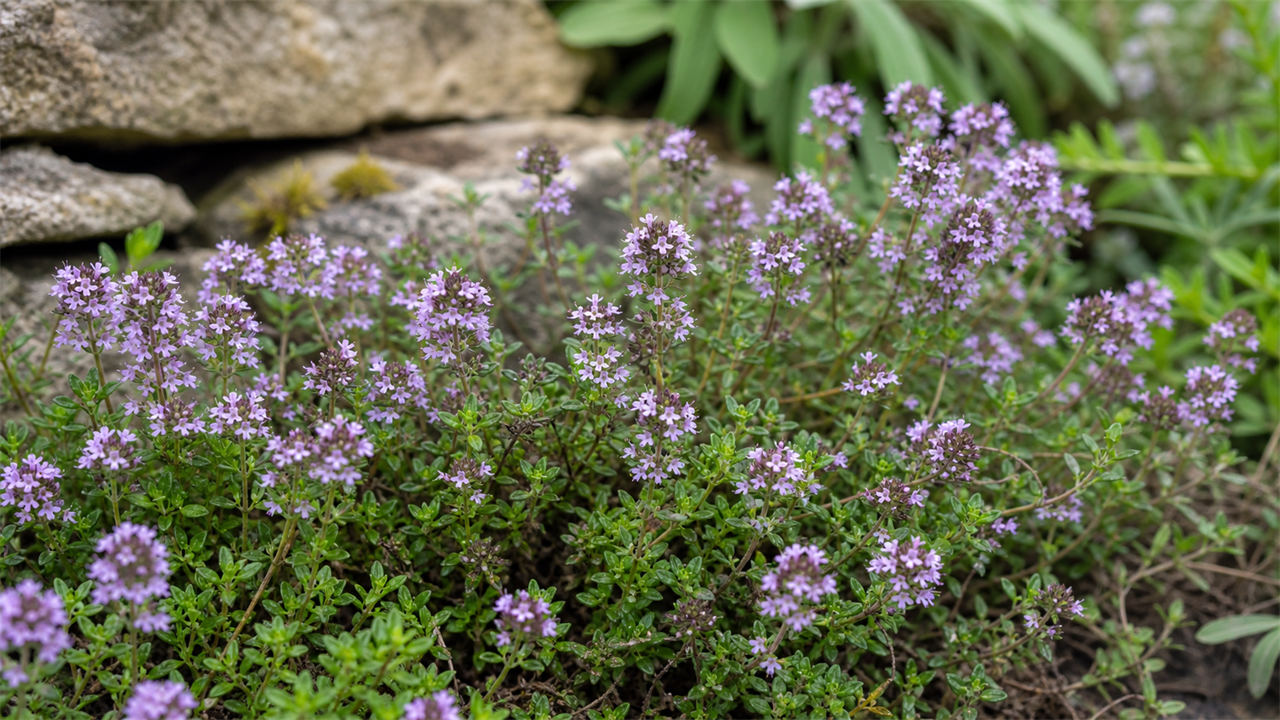
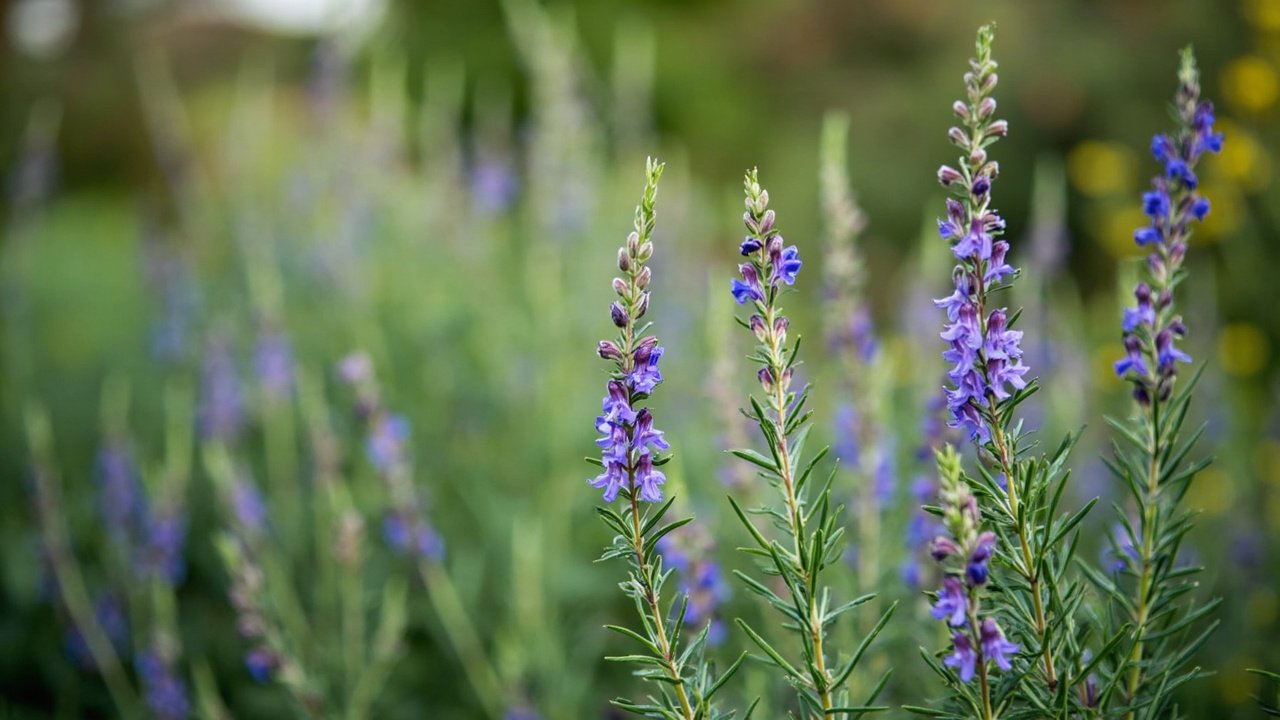
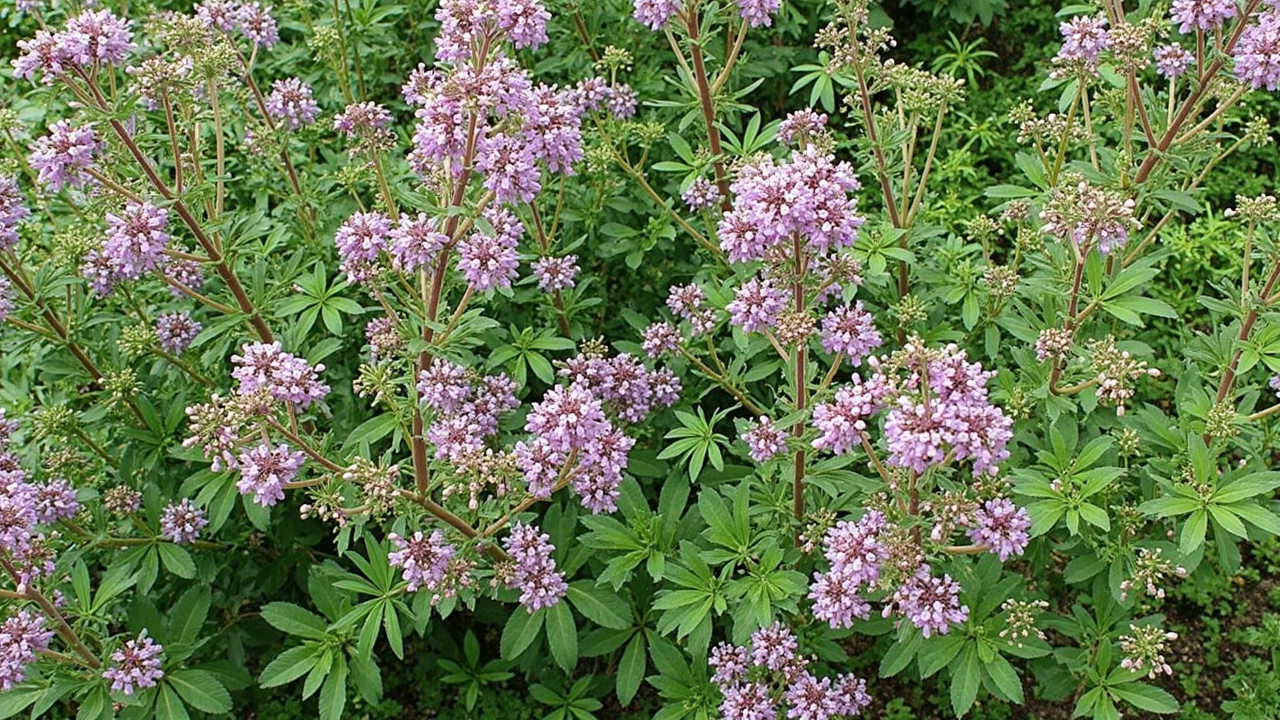
Plants in this guide

Keep growing
More → Grow Your Own
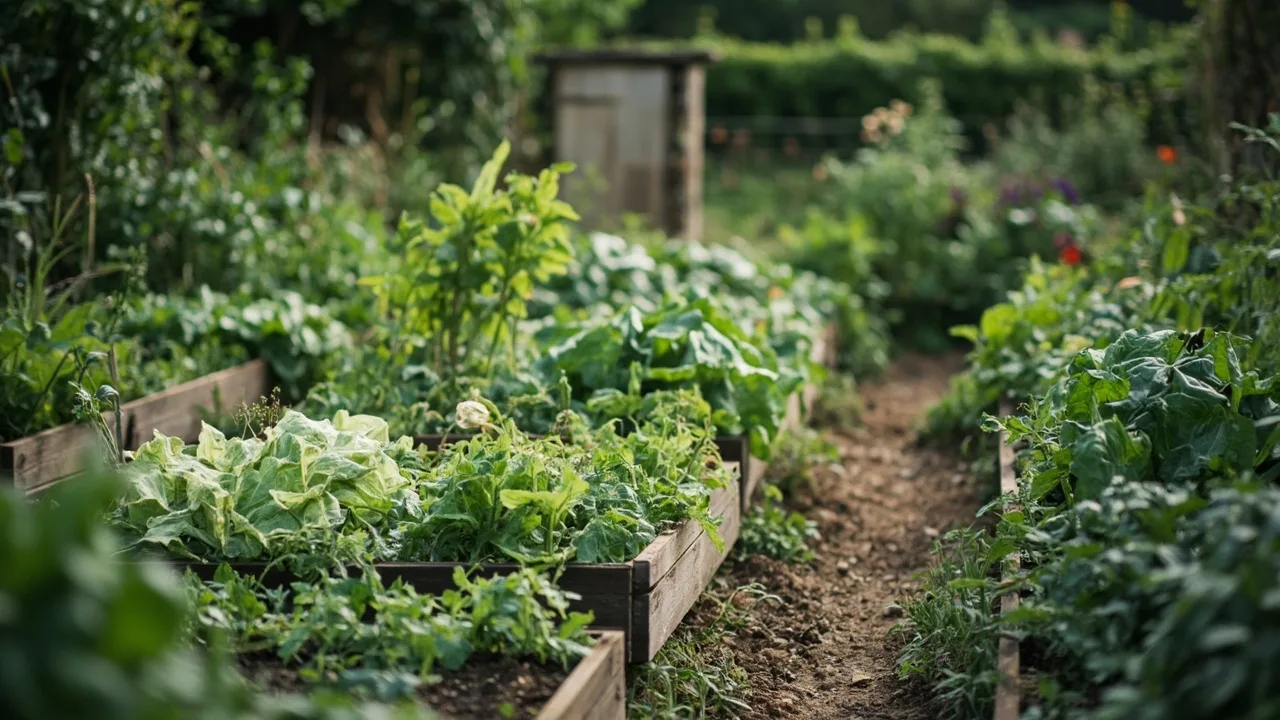
Containers for Growing Vegetables
12 June 2026Grow fresh vegetables in containers: perfect for UK balconies, patios & small gardens. Tips on containers, soil & planting for success.
 Grow Your Own
Crop Rotation Explained for UK Vegetable Gardens
22 July 2026Forget complicated systems; this guide gives you the simple, UK-focused rotation you need for a productive, low-worry garden.
 Grow Your Own
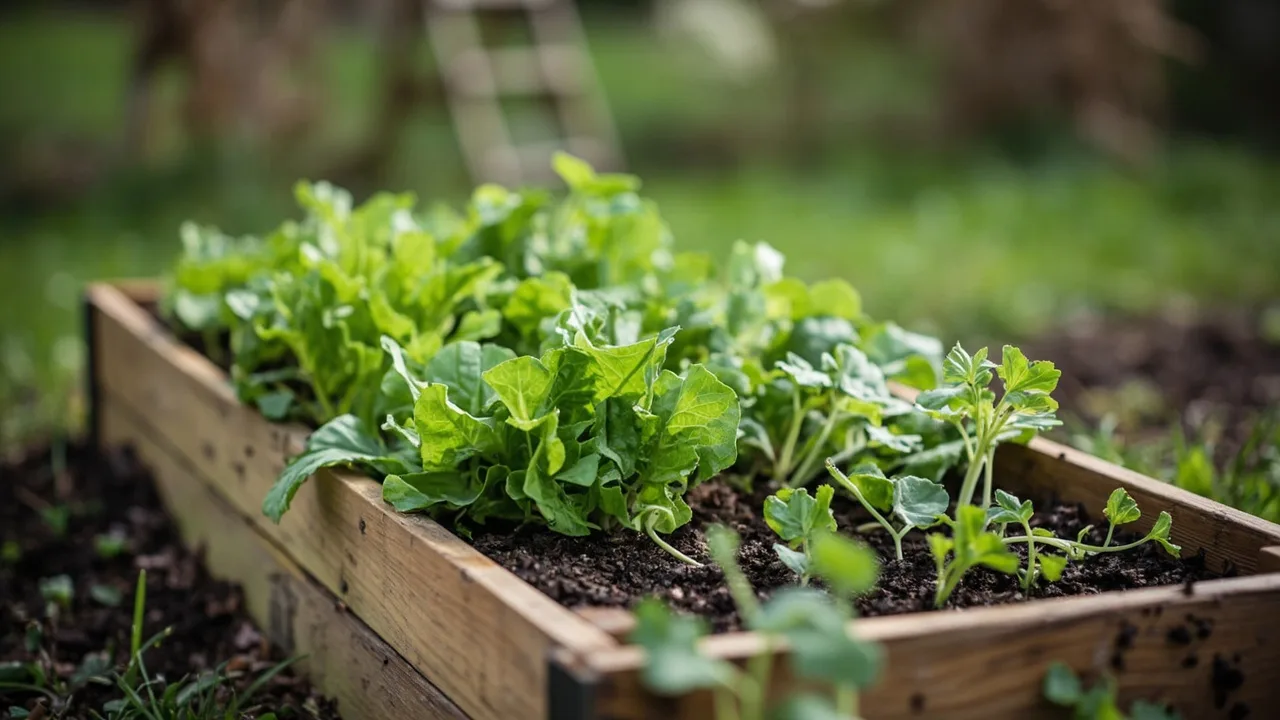
Your First Vegetable Garden: A Beginners Guide
21 July 2026Start your first UK vegetable garden with practical tips on choosing a plot, preparing soil, easy crops, sowing times and caring for your first harvest.
Recommended tools and products
A practical checklist for this guide. Essentials first, with helpful extras below.
Essentials
 Plant pots or containers
Containers appropriate for the planting method.
Checklist suggestion · No verified product listingHelpful suggestion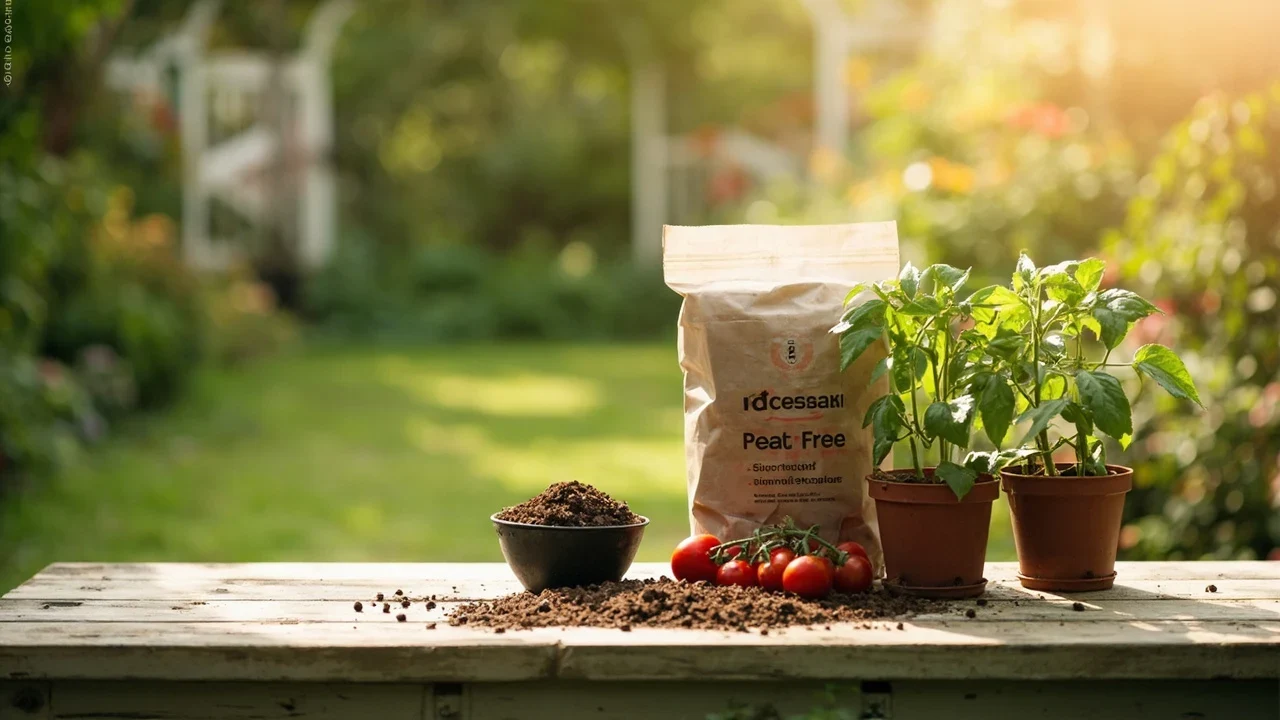 Miracle-Gro Peat-Free All Purpose Compost, 40 L
Suitable planting medium for the task.
Verified listing · Illustrative artwork Watering equipment
Water carefully when needed.
Checklist suggestion · No verified product listingHelpful suggestion
Illustrations show tool categories, not the exact product. No unverified prices or ratings are shown. Read our affiliate disclosure.