Creating a Herb Garden
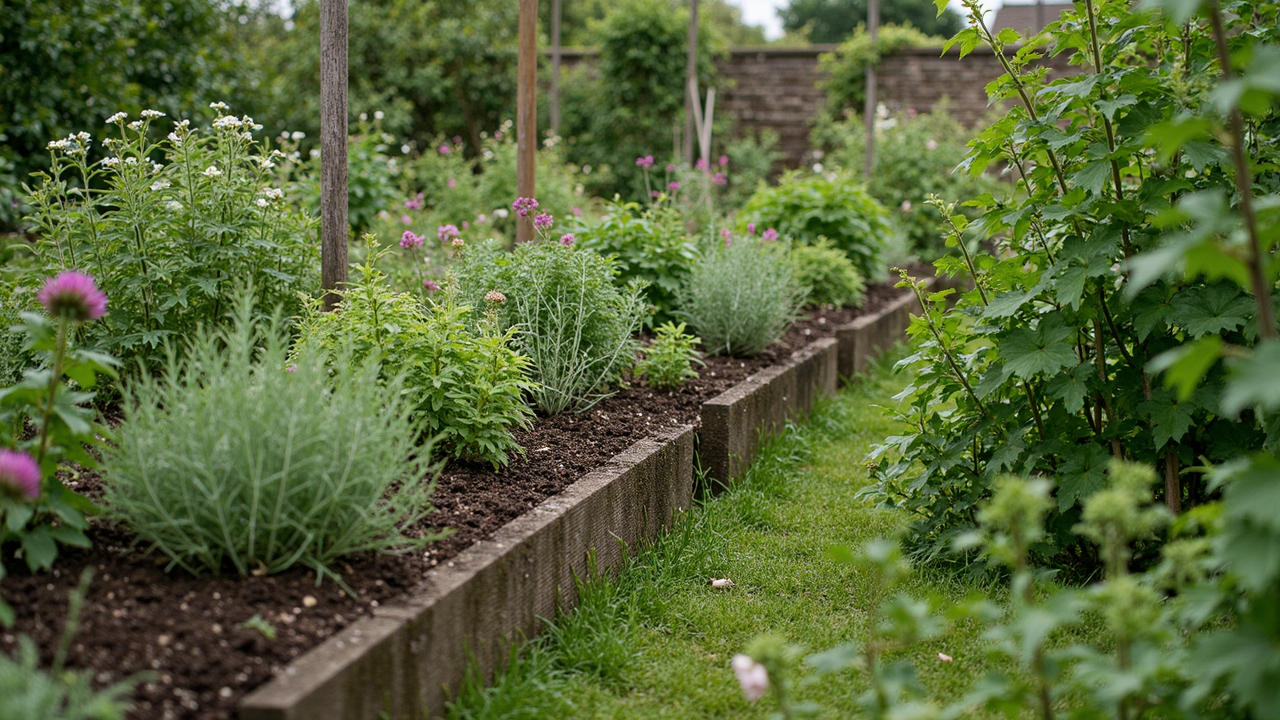
There’s nothing quite like snipping fresh herbs from your own garden to elevate a simple meal – and creating a dedicated herb patch is one of the easiest, most rewarding projects for UK gardeners, needing minimal space and effort. With the right spot and simple care, you’ll enjoy a constant supply of flavour, fragrance, and even wildlife benefits, all year round.
Choosing the Perfect Spot
Sunlight and Shelter
- Aim for 6+ hours of direct sun daily, ideally south or west-facing, to keep herbs robust and aromatic.
- Avoid low-lying, frost-prone areas (like near walls or in valleys) where cold air pools in early spring or late autumn.
- Shield from strong winds with a fence or shrub border; herbs like rosemary and thyme hate being battered.
Preparing the Soil
Drainage is Key
- UK clay soils need improvement: Dig in generous amounts of garden compost or well-rotted manure to break up heavy clay.
- Sandy soils benefit from added organic matter to retain moisture.
- Never plant herbs in waterlogged soil – raised beds or containers are ideal for poorly draining sites.
Planting Your Herbs
Timing and Technique
- Sow hardy herbs (thyme, oregano, chives) directly in late spring (April-May) once soil warms.
- Start tender herbs (basil, mint) indoors in March, then transplant outdoors after the last frost (late May/early June).
- Space plants generously (e.g., 30cm apart for rosemary, 20cm for thyme) to prevent disease and allow airflow.
Ongoing Care
Watering and Pruning
- Water deeply but infrequently – herbs hate soggy roots. Only water if the top 2cm of soil feels dry.
- Prune regularly (snip stems just above a leaf node) to encourage bushy growth and prevent legginess.
- Mulch lightly with garden compost in spring to suppress weeds and retain moisture.
Overwintering
Protecting Your Herbs
- Hardy herbs (sage, rosemary, thyme) survive UK winters in well-drained soil – add a thick mulch of straw in late autumn.
- Tender herbs (basil, parsley) need pots moved indoors or into a cold greenhouse before first frosts.
- Divide overgrown clumps (like mint or chives) every 2-3 years in early spring to keep them vigorous.
#UKGardening #HerbGarden #EasyGardening #BritishGardens #HomegrownFlavour #GardenWizz
Recommended Products
Miracle-Gro Peat-Free All Purpose Compost, 40L
A good peat-free base for herb containers
View on Amazon →
Spear & Jackson Stainless Hand Trowel & Weed Fork Set
For planting out your herb bed
View on Amazon →
As an Amazon Associate, GardenWizz earns from qualifying purchases made through the links above. This does not affect the price you pay. See our disclaimer for details.