Your First Vegetable Garden: A Beginners Guide
Starting your first vegetable garden is one of the most rewarding things you can do in your garden, offering fresh produce, a connection to nature, and a tangible sense of achievement. Forget complex…
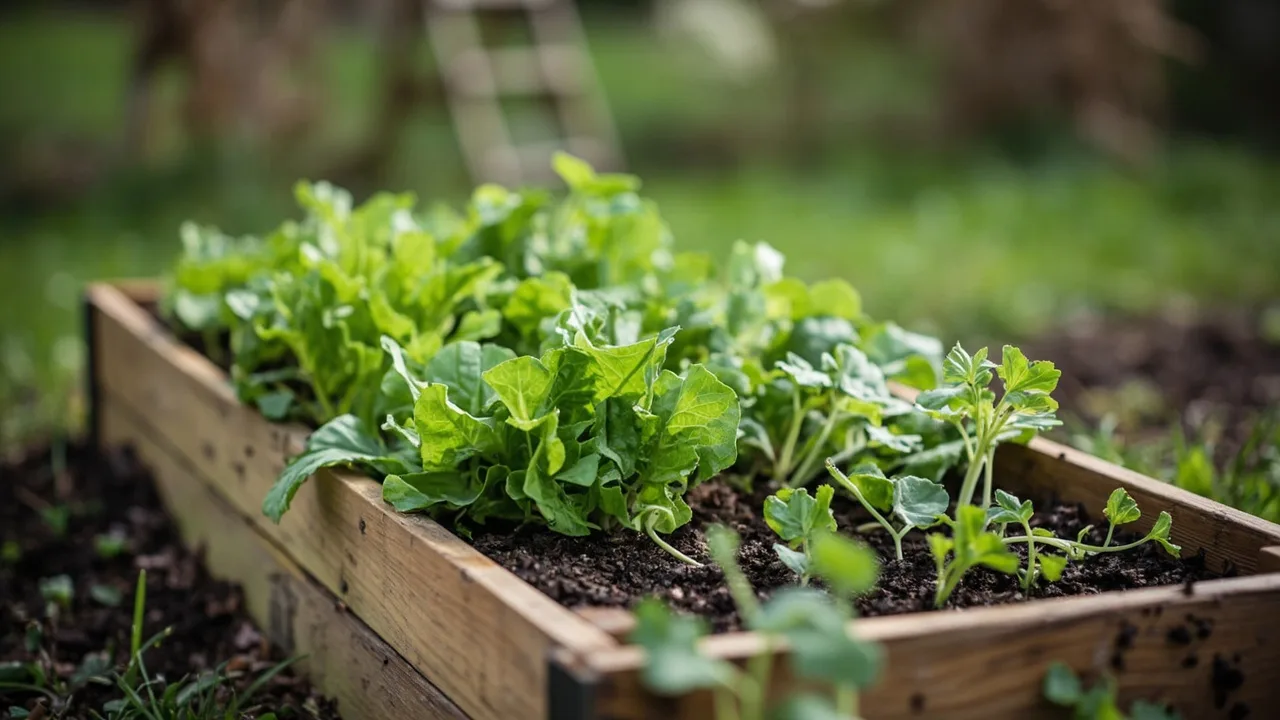
Starting your first vegetable garden is one of the most rewarding things you can do in your garden, offering fresh produce, a connection to nature, and a tangible sense of achievement. Forget complex schemes; focus on simplicity, right timing, and choosing resilient crops that thrive in our UK climate. This guide cuts through the noise, giving you clear, actionable steps to build a successful beginner’s plot from scratch, using proven British gardening wisdom.
Choosing Your Site and Preparing the Ground
Location is everything. Aim for a spot that gets at least six hours of direct sunlight daily, ideally south or west-facing, sheltered from strong prevailing winds (common from the west in the UK). Avoid low-lying areas prone to frost pockets or heavy winter waterlogging – these can kill young seedlings. If your garden is small, a 2m x 1m raised bed is ideal for beginners; it warms up faster in spring than ground-level soil. Clear the area of weeds, stones, and large roots. For soil preparation, dig over the area in late winter (February/March) to a spade’s depth, breaking up clumps. Incorporate well-rotted garden compost or farmyard manure at a rate of 10-15kg per square metre. Crucially, never assume this changes soil pH – it improves structure and fertility. If your soil is very acidic (e.g., feels sticky, mossy), test it (RHS recommends a simple kit) and only add garden lime if the pH is below 6.5 for most vegetables. For very alkaline soil (pH over 7.5), add sulphur following manufacturer instructions, but most UK garden soils are naturally neutral or slightly acidic. Always test soil pH before adding amendments; a pH of 6.0-7.0 is ideal for most vegetables. Avoid using uncomposted manure, as it can burn plants and harbour weeds.
Easy First Crops for UK Beginners
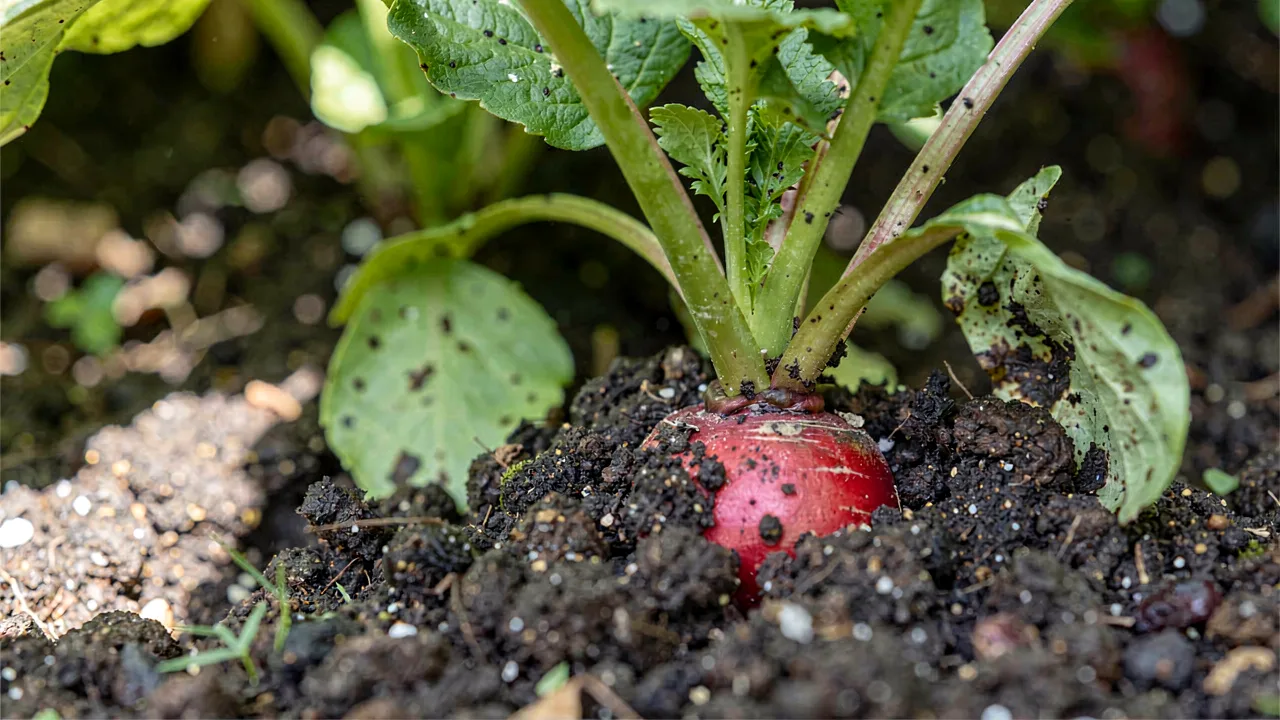
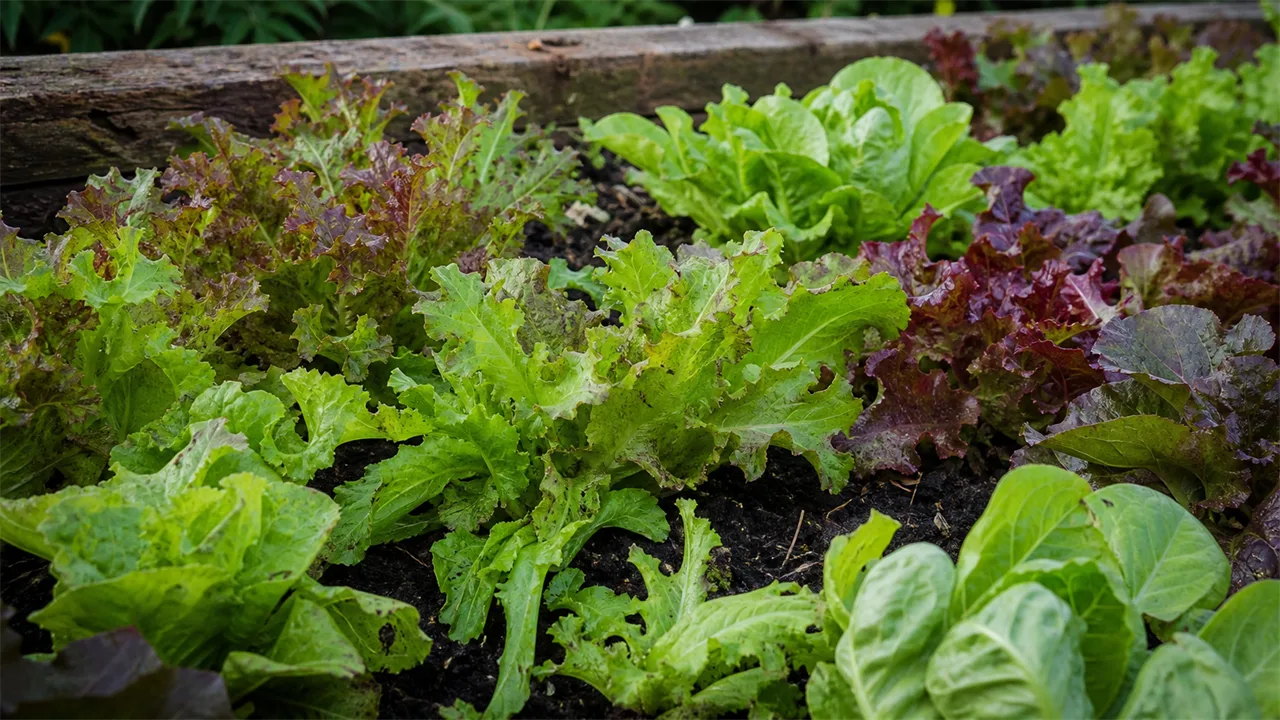
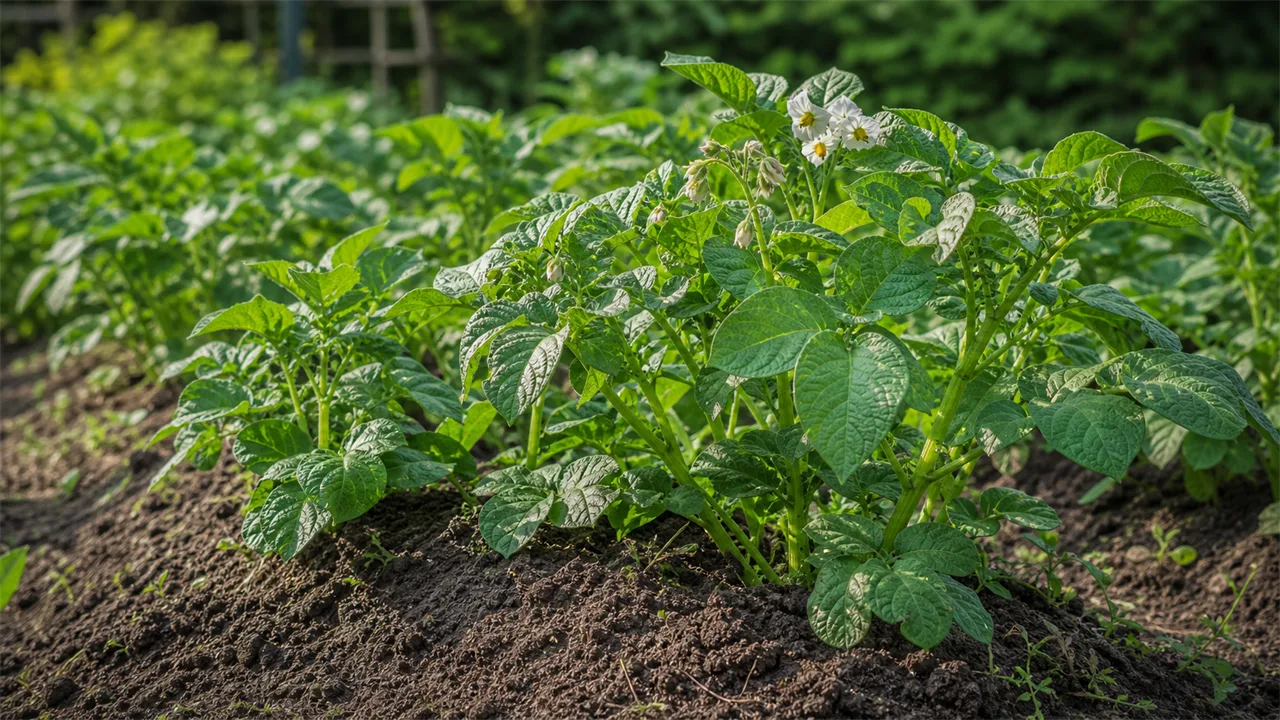
Start with vegetables that are forgiving, fast-growing, and less prone to pests in our climate. These are reliably productive even for novice gardeners. Radishes are your quickest reward: sow 'Cherry Belle' or 'French Breakfast' seeds directly in soil from March to August. Plant in rows 5cm deep, 5cm apart, thinning to 10cm later. They germinate in 5-7 days and are ready to harvest in 3-4 weeks – perfect for impatient beginners. Lettuce is another excellent starter: choose 'Rocket' (a hardy loose-leaf variety) or 'Salad Bowl'. Sow seeds thinly in a seed tray in February/March for early harvests, or directly in the bed from April to July. Keep consistently moist. Harvest outer leaves as needed, leaving the centre to regrow – this ensures a continuous supply. Potatoes are a staple: plant 'Viking' or 'King Edward' seed potatoes (chitted, or sprouted, from late February) in trenches 15cm deep, spaced 30cm apart, in early spring (March/April in the South, April/May in Scotland). Hill soil around stems as plants grow to protect tubers from light (which turns them green and toxic). Never use supermarket potatoes – they’re often treated to prevent sprouting and may carry disease.
Planting Timings: UK Seasonal Reality
Timing is critical in the UK. Always factor in your region: Scotland and Northern England typically need to delay sowings by 2-4 weeks compared to South West England or London. For example, broad beans like 'Aquadulce' can be sown in October/November (South) or November/December (Scotland) for a spring harvest, tolerating light frosts. Peas ('Meteor' for early, 'Kelvedon Wonder' for maincrop) should be sown in late February/March (South) or March/April (Scotland), but only when the soil is workable – avoid heavy, wet ground. Carrots ('Nantes' or 'Chantenay' varieties) need fine, light soil; sow in March/April (South) or April/May (Scotland), raking the seedbed smooth and covering seeds with 1cm of soil. Thin seedlings to 5cm apart when 5cm tall. Spring onions ('White Lisbon' or 'Red Baron') are sown February/March (South) or March/April (Scotland), planting seeds 1cm deep, 5cm apart. Crucially, never plant brassicas (like cabbage) before late April in the South, as late frosts can kill them; wait until the soil has warmed sufficiently. For success, keep a simple diary noting exact sowing dates and weather conditions – this helps refine your timing annually.
Essential Ongoing Care: Water, Weeds, and Protection
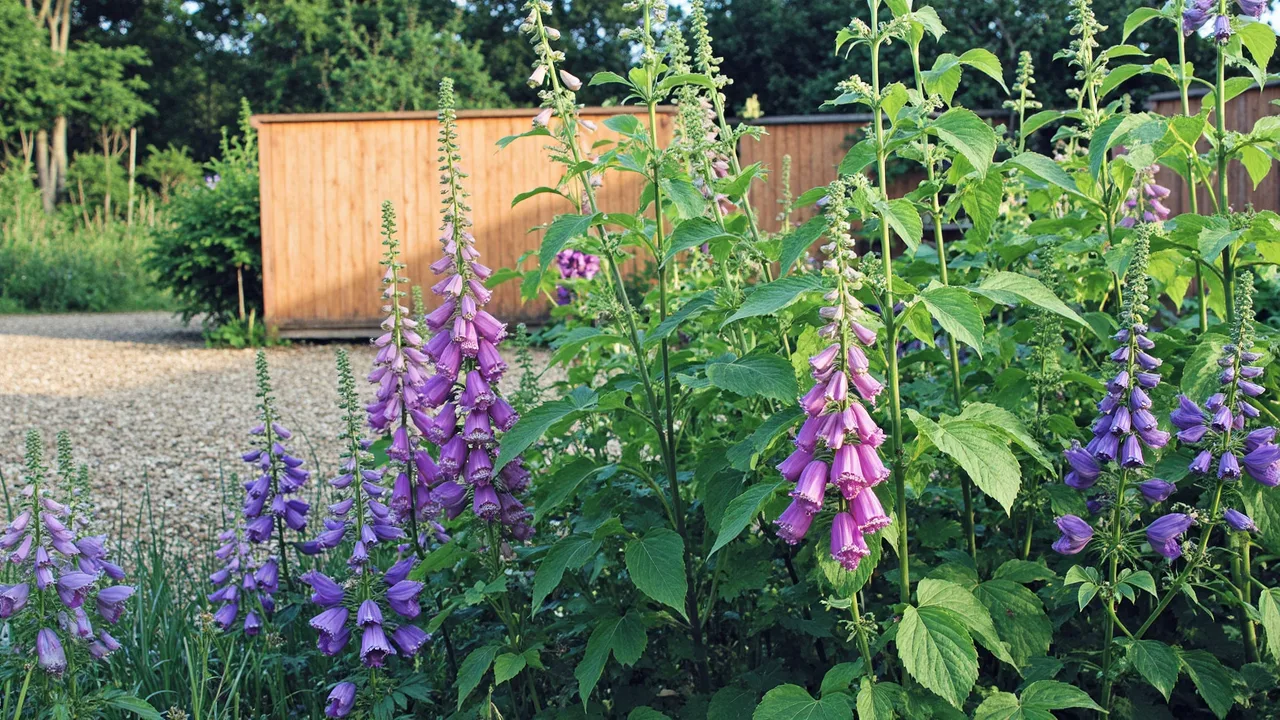
Water deeply but less frequently – aim for 2-3 times per week in dry spells, preferably in the early morning. A 5-litre watering can gives a good measure for a small bed. Never water the leaves of vegetables like lettuce or cabbage, as this encourages fungal diseases like mildew. Mulch around established plants (e.g., with straw or well-rotted compost) to conserve moisture and suppress weeds. Weeds compete for nutrients and water; pull them regularly when they’re small, especially around young seedlings. For pest control, always follow the product label and current UK regulations if using any chemical. For beginners, physical barriers like netting for birds (over peas, beans) or fleece (over early lettuce, radishes) are far more effective and safer. RHS warns that foxglove is highly toxic to pets and humans – avoid planting it near vegetable beds. Never eat wild plants without expert confirmation; many look like edible plants but are poisonous. For example, death cap mushrooms are deadly and resemble edible varieties. Always confirm with a reliable UK source like the RHS or a local foraging group.
Harvesting and Succession Planting
Harvest vegetables at their peak for best flavour and to encourage more growth. Pick radishes before they become woody (usually 3-4 weeks after sowing), lettuce leaves when young and tender (early morning for crispness), and potatoes when the foliage dies back (typically late July/August for early varieties like 'Rocket'). Succession planting is key to a continuous harvest. As soon as you harvest radishes (late April), sow another batch for a summer crop – 'French Breakfast' is ideal for quick regrowth. After harvesting early peas (late May), plant beans or lettuce; 'Tendergreen' beans thrive in the warm soil. For example, after early potatoes in July, sow a quick crop of salad leaves ('Little Gem' or 'Oakleaf') or beetroot ('Bull's Blood') for a late summer harvest. Keep a simple garden journal noting sowing dates and harvest times – this helps you refine your timing year-on-year. Crucially, after harvesting a crop, prepare the soil immediately by raking and adding a light mulch to retain moisture for the next sowing. Avoid leaving bare soil exposed, as this invites weeds and dries out the soil.
Troubleshooting Common Beginner Issues
Don’t panic if seedlings look spindly – it’s often due to insufficient light. Move seed trays to a sunnier spot or use a grow light for 12 hours daily. If plants wilt in the evening, they likely need more water; check soil moisture 5cm deep. For slug damage (common on lettuce and young brassicas), use copper tape around bed edges or scatter crushed eggshells – these create barriers slugs avoid. Never use slug pellets containing metaldehyde; they’re highly toxic to pets and wildlife. Instead, use organic alternatives like 'Slug Gone' (approved for UK use) or hand-pick slugs at dusk. If tomatoes fail to set fruit, it’s often due to cool weather; protect them with cloches or fleece until temperatures rise above 15°C. Remember, most UK gardeners experience crop failures in their first year – it’s part of the learning process. Focus on soil health and timing, and your success rate will improve dramatically.
Recommended Products
GardenWizz earns a commission from qualifying purchases made through affiliate links on this page (including links within the article) — as an Amazon Associate, and from Thompson & Morgan via the Awin network. This does not affect the price you pay. See our disclaimer for details.
Related Articles
More → Growing Guide
How to grow ornamental grasses in pots
5 August 2026Grow ornamental grasses successfully in containers with advice on pot size, compost, watering, feeding, winter care and long-term maintenance.
 Growing Guide
How to plan a perennial border
5 August 2026Plan a balanced perennial border with practical guidance on position, colour, height, spacing, flowering succession and year-round structure.
 Growing Guide
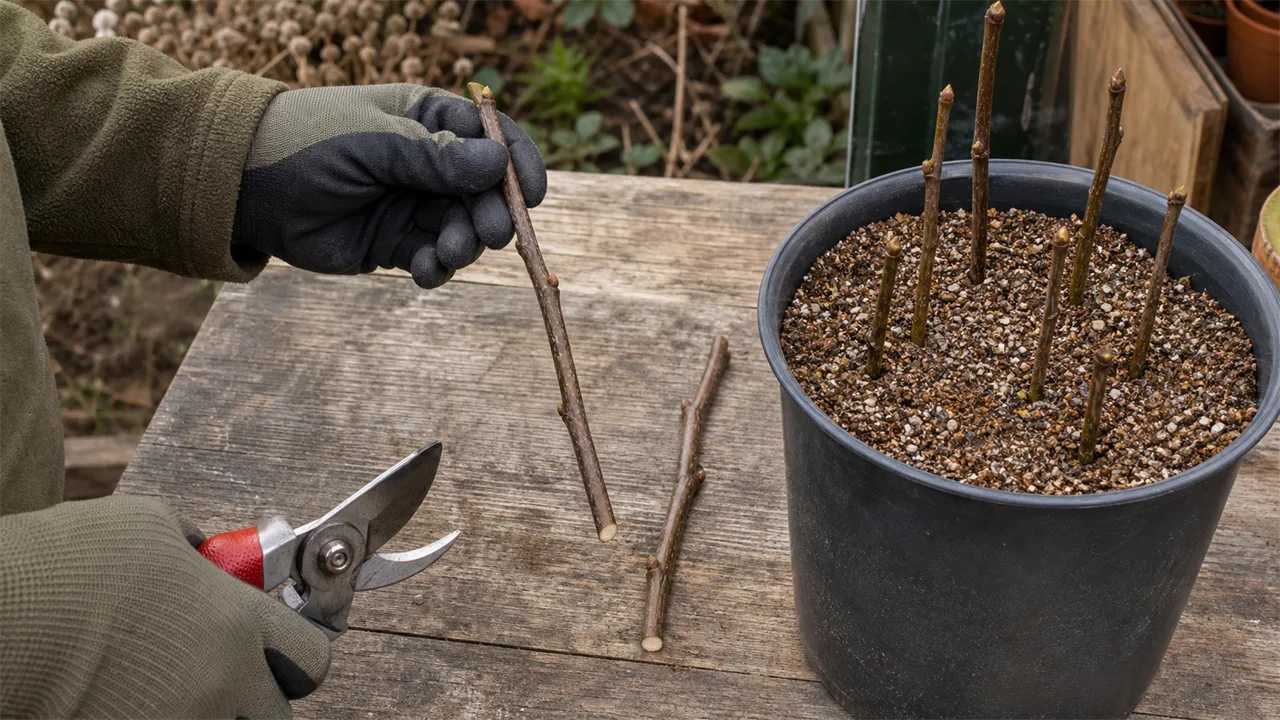
How to take hardwood cuttings
29 July 2026Take hardwood cuttings from suitable dormant shrubs and climbers with this step-by-step guide to timing, preparation, rooting and aftercare.