
Neighbour's tree overhanging your garden: your UK rights
Introduction
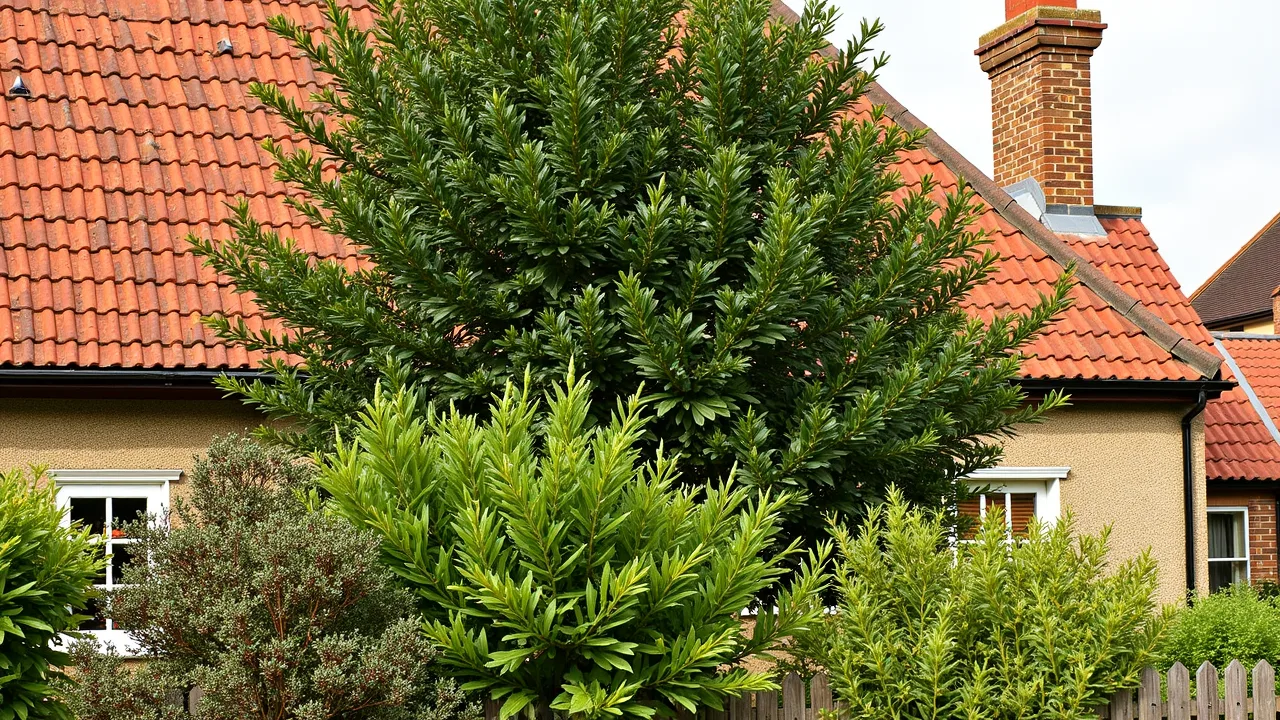
An overgrown leylandii, a sprawling apple tree, ivy pouring over a fence — summer is the season when UK gardeners notice exactly how much of their boundary belongs to their neighbour. A property lawyer has reminded householders that, in England and Wales, the right to deal with overhanging branches is more straightforward than most people think, but the rules on cost, disposal and shared hedges catch many out.
What This Means for UK Gardeners
Property specialists at HCB Widdows Mason say that disputes almost always start with a knock on the door rather than a phone call to a solicitor, and most are resolved the same way. Gardeners trimming back a neighbour's growth should stick to their own side of the fence, never step on the neighbour's land, and avoid damaging the tree itself — heavy work on protected or veteran trees can require the owner's consent or even local authority approval.
A point that surprises many householders is who pays. If branches or roots cross the boundary, the cost of cutting them back falls on the person doing the pruning, not the tree's owner. The severed wood legally still belongs to the neighbour; tossing it back over the fence counts as fly-tipping. Gardeners should offer the cuttings back, then dispose of them themselves through the council's garden waste collection or recycling centre if the offer is refused.
Boundary responsibility also catches people out. Title deeds sometimes show "T" marks pointing at features the owner must maintain, but where the deeds are silent, hedges, fences and walls are usually treated as party boundaries shared equally with the adjoining property. A quick check of the paperwork before wielding the loppers can prevent an argument later in the season.
Key Points
- In England and Wales, gardeners may cut back branches and roots that cross onto their property, but only up to the boundary line.
- The cost of trimming and disposing of the cuttings is the responsibility of the person doing the work, not the tree's owner.
- Cut branches still belong to the neighbour; returning them over the fence is classed as fly-tipping and must be avoided.
- A polite conversation first often prevents the dispute escalating and clarifies who owns the boundary in question.
- Where title plans show "T" marks, those boundaries are usually maintained by the named owner; in their absence, fences, walls and hedges are typically shared.
Further Reading
For more seasonal guidance, browse GardenWizz guides on hedge trimming, dealing with problem neighbours over garden boundaries, and the basics of caring for established garden trees.
IMAGE_SCENE: two neighbouring UK back gardens divided by a wooden fence with a heavily overgrown apple tree on one side casting shade and dropping leaves into a tidy lawn on the other in midsummer.
Source: https://www.devonlive.com/news/uk-world-news/neighbours-tree-overhanging-your-garden-11015533
As an Amazon Associate, GardenWizz earns from qualifying purchases made through the links above. This does not affect the price you pay. See our disclaimer for details.