Clubroot: Managing This Brassica Disease in UK Gardens
Clubroot strikes fear into every brassica grower's heart, turning once-vibrant cabbages into stunted, wilting ghosts in your plot. It’s not just a nuisance—it’s a persistent soil-borne villain that can linger for decades, thriving in our damp UK autumns and acidic soils. But don’t panic: while eradication is near impossible, smart, practical steps can keep your brassicas thriving. This guide cuts through the noise, giving you UK-specific, actionable solutions based on real science and garden experience.
Soil pH: Your First Line of Defence
Clubroot thrives in acidic soil (pH <6.5), so raising your pH is non-negotiable. The pathogen struggles above pH 7.5, making liming the most effective cultural control. Test your soil in March using a £10 kit from your local garden centre—don’t guess. For a typical UK clay or loam soil (common in many gardens), apply 100g of agricultural lime per square metre before planting brassicas. Work it into the top 10cm of soil in late February or early March, allowing time for it to react. For heavy clay, double the dose. Dolomite lime (containing magnesium) is ideal—it’s widely available at garden centres like Dobbies or B&Q. Crucially, maintain this pH every year: re-test in autumn and top up as needed. Avoid using wood ash (unreliable pH) or lime-based composts, which won’t provide sufficient correction.
- Key Timing: Apply lime at least 6 weeks before sowing or planting (e.g., late February for April sowings).
- Avoid: Adding lime to soil already at pH 7.5+—it’s unnecessary and can harm soil microbes.
Choosing Resistant Varieties: The Smart Swap
Breeding resistant varieties is the most effective control, but only if you pick the right ones. Avoid older varieties like 'Copenhagen Market' cabbage—resistance breaks down fast. Instead, opt for UK-tested, resistant cultivars:
- Cabbage: 'Savoy' types (e.g., 'Savoy Cabbage', 'Green Magic' broccoli).
- Broccoli: 'Green Comet' (resistant to common races), 'DeCicco' (tolerant).
- Kale: 'Red Russian' (tolerant, not fully resistant but performs well).
- Turnips: 'Purple Top' (resistant).
- Rutabaga: 'American Purple Top' (resistant).
Plant these only in soil where pH is above 7.5. Resistant varieties won’t eliminate clubroot, but they’ll significantly reduce damage and allow you to grow brassicas for 3-5 years before resistance-breaking strains emerge. Crucially, never buy plants from unknown sources—ask suppliers for resistance certifications. If you spot clubroot, remove all plants immediately (see below) and do not compost them.
Early Detection: Catch It Before It Spreads
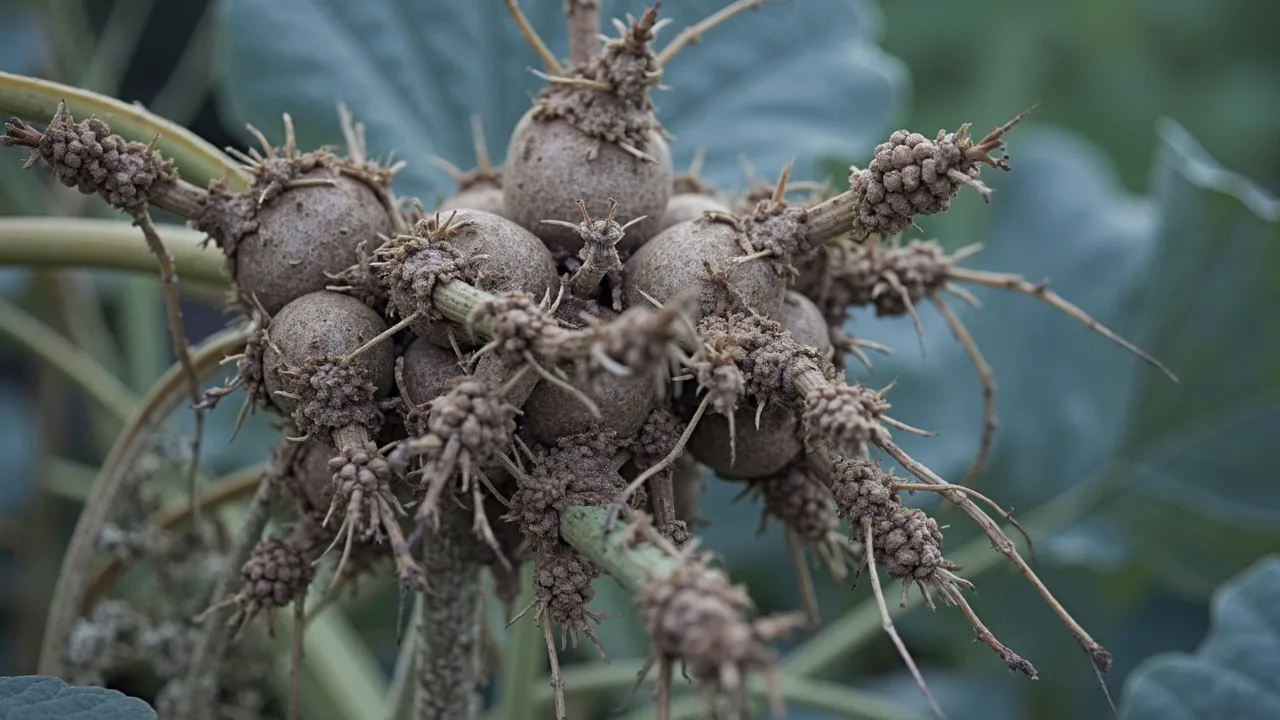
Clubroot symptoms often appear in late summer (August/September) as yellowing, wilting during hot days, or stunted growth. Dig up suspect plants before they die: healthy roots are smooth and white; infected roots show grotesque, club-like galls (often white or yellowish). Check roots of all brassicas, not just those showing symptoms—early detection stops spread. In wet years (like 2023), inspect weekly from July onwards. If you find galls, do not disturb the soil further—this releases spores. Instead, remove the entire plant (including roots) and bag it immediately for household waste (not compost). Clean tools with a 10% bleach solution (1 part bleach to 9 parts water) before moving to another part of the garden.
Managing Infected Soil: What You Can Do
Once clubroot is in your soil, you can’t remove it—but you can manage it. Do not attempt to "fumigate" a home garden; it’s impractical and hazardous. Instead:
- Rotate aggressively: Avoid planting brassicas (cabbage, broccoli, radish, etc.) in the same spot for at least 5 years. Good alternatives for this period include potatoes, carrots, onions, or beans (all non-hosts).
- Boost soil drainage: Clubroot loves wet feet. Amend clay soils with 5cm of well-rotted garden compost or sharp sand before planting. Raised beds (20cm high) are ideal for brassicas in heavy soils.
- Sanitise meticulously: After handling infected plants, wash boots and tools with hot, soapy water. Never move soil or plant debris from infected areas to clean beds—use a dedicated wheelbarrow for infected zones.
- Critical Reminder: Do not use compost made from infected brassica waste—it’s a major spore spreader. Always use bagged, sterilised compost for brassicas.
Long-Term Strategy: Accepting the Reality
Clubroot is a long-term challenge, not a quick fix. The pathogen survives 20+ years in soil, so if your plot had brassicas for decades (common in allotments), you’ll likely deal with it for years. Focus on reducing its impact:
- Prioritise pH: Keep soil pH >7.5 consistently—this is your most powerful tool.
- Plant resistant varieties only in pH-controlled soil.
- Never plant brassicas in a spot where clubroot was ever detected.
- Monitor relentlessly: Check roots annually in August/September.
If you’ve had a severe outbreak, consider growing brassicas only in containers filled with fresh, sterile potting mix (e.g., John Innes No. 3) for 3-5 years. This isolates plants from soil-borne spores entirely. For the main plot, use the 5-year rotation with non-hosts and maintain high pH.
What Not to Do: Common UK Gardener Mistakes
Avoid these pitfalls that worsen clubroot:
- Using untested compost: Never add home-made compost containing brassica waste to your veg patch.
- Planting too early: Wet soil in spring (March/April) encourages spore movement. Wait for drier conditions.
- Ignoring soil pH: Many gardeners skip testing—this is the single biggest error.
- Trying to "cure" infected plants: Once galls form, the plant is doomed. Remove it immediately.
- Rotating with other brassicas: Kale, kohlrabi, or radishes are all hosts—don’t fool yourself.
#UKGardening #ClubrootControl #BrassicaHealth #GardenWizz #SoilHealth #OrganicGardening #AllotmentTips
As an Amazon Associate, GardenWizz earns from qualifying purchases made through links on this page (including links within the article). This does not affect the price you pay. See our disclaimer for details.