
How to Get Rid of Fungus Gnats on Houseplants and in the Garden
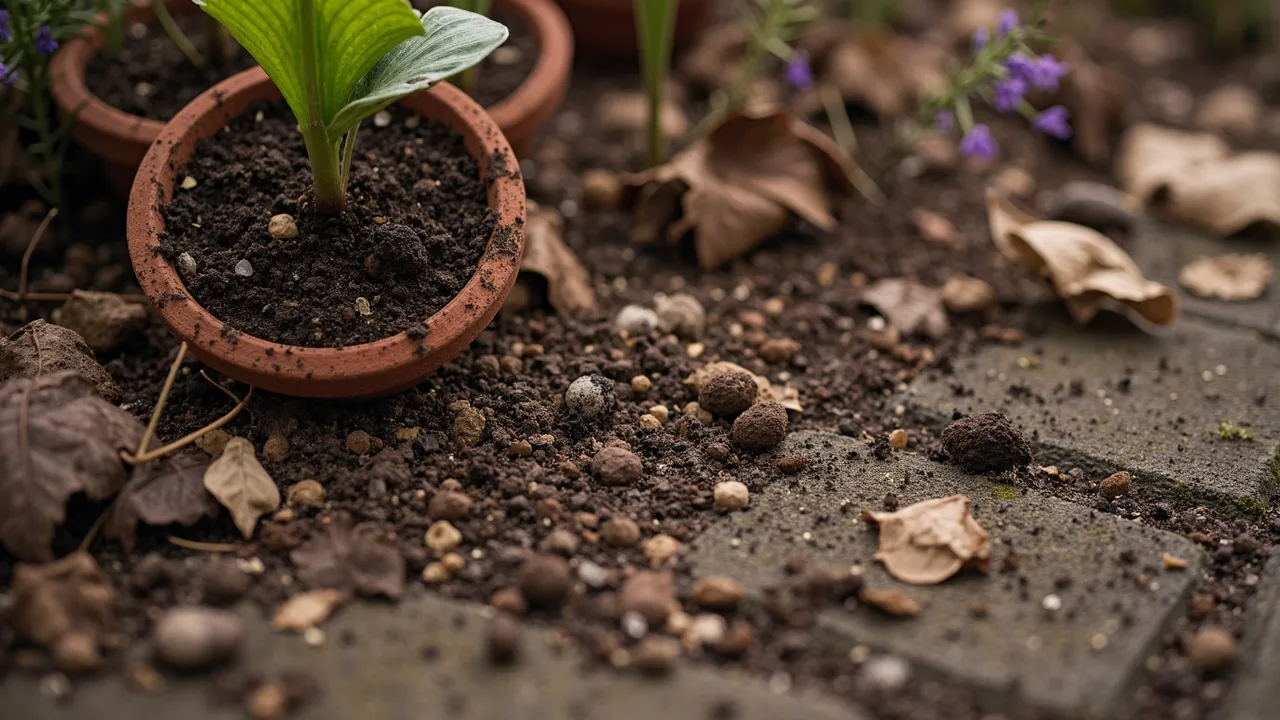
Fungus gnats are that tiny, annoying swarm that seems to materialise out of nowhere around your houseplants or in your seed trays, especially after a damp spell. Don’t panic – they’re rarely harmful to mature plants but are a clear sign you’re overwatering, and they’re easily managed with practical, UK-friendly fixes. This guide cuts through the confusion, giving you exactly what to do, when, and with what you can find in a typical British garden centre.
Why You Have Fungus Gnats (And It’s Not Your Fault)
Fungus gnats thrive in consistently moist soil, where their larvae feast on fungi and decaying organic matter – a direct result of overwatering. In the UK’s cool, often overcast climate, especially during autumn and winter, soil stays wet for longer, creating the perfect breeding ground. Adults (2-8mm long, dark, weak fliers) lay eggs in the top layer of damp soil, which hatch in 4 days. Crucially, their presence always indicates overwatering, not just the gnats themselves. Healthy plants don’t attract them; it’s the waterlogged, rotting roots or fungal growth in saturated soil that’s the real problem. For houseplants like peace lilies or ferns, which are common in UK homes, this is especially true during the dark winter months when light levels are low and plants need less water.
Fix the Root Cause: Watering & Soil Management
The single most effective step is to let the soil dry out. For most UK houseplants, this means waiting until the top 5cm (2 inches) of compost feels dry to the touch before watering again. In winter, this might mean watering only once every 7-10 days, even if the soil looks dry on the surface. For garden seedlings or border plants, ensure good drainage by mixing perlite (20% by volume) into the soil – it’s cheap, available at any garden centre (e.g., Dobbies, B&Q), and improves aeration. As a quick fix for immediate infestations, apply a 1cm layer of fine gravel or horticultural sand on top of the soil. This deters egg-laying and dries the surface faster. Avoid using decorative mulch like bark chippings, as they retain moisture and worsen the problem.
- Immediate Action Checklist:
- Check soil moisture daily with your finger (top 5cm).
- Move water-sensitive plants (e.g., succulents, orchids) to a brighter spot to speed drying.
- Repot severely affected plants using fresh, well-draining compost mixed with 20% perlite.
- For garden beds, rake the top layer to aerate and break up surface moisture.
Biological Controls: Nature’s Solution (UK-Friendly)
Biological controls are safe, effective, and perfect for UK gardeners wanting to avoid chemicals. Bacillus thuringiensis israelensis (BTI) is the gold standard. It’s a naturally occurring bacteria sold as "Mosquito Bits" or "Gnat Control" (e.g., from Dobbies, Amazon UK, or garden centres). Mix 1 teaspoon per 10 litres of water and drench the soil thoroughly. It kills larvae within 24-48 hours and lasts 2-3 weeks. Stratiolaelaps scimitus (sold as "Hypoaspis miles" or "Nemasys Gnat Control") are predatory mites. Apply them to the soil surface in spring (March/April) or autumn (September/October) when soil is moist but not waterlogged. They hunt eggs and larvae for weeks. Steinernema feltiae nematodes (e.g., "Nemasys Gnat Control") work similarly and are ideal for garden soil in early summer.
Chemical & Natural Sprays (Use Sparingly)
If biological controls aren’t enough, pyrethrin-based insecticidal sprays (e.g., "Bug Clear Ultra" or "Westland Bug Killer") can target adults. Spray in the evening (when insects are active) and avoid direct contact with leaves. Hydrogen peroxide is a safe, household fix: mix 1 part 3% hydrogen peroxide (pharmacy strength) with 4 parts water and water the soil until it drains out. It kills larvae on contact but won’t harm plants. Avoid strong cleaning peroxide. Yellow sticky traps (available at garden centres) are excellent for catching flying adults indoors – place them near affected plants. Never use broad-spectrum insecticides like permethrin on houseplants; they harm beneficial insects and are unnecessary.
Preventing Reinfestation: A Seasonal Approach
Prevention is key for UK gardeners. In late spring (April/May), repot houseplants with fresh compost and add a 1cm layer of gravel. In autumn (September/October), reduce watering frequency as light levels drop, and ensure garden beds have good drainage. For seedlings, use seed compost (not potting compost), which drains better, and water only when the surface feels dry. Crucially, avoid letting pots sit in saucers full of water – empty them after watering. For outdoor plants, mulch with gravel or sharp sand (not organic mulch) in spring to deter egg-laying.
Checking for Infestation Severity
Before diving into treatments, confirm the problem. Place a 2cm cube of raw potato on the soil surface of the affected plant. Leave it for 72 hours. If larvae are present, they’ll cluster around the potato. Remove the potato and any larvae-covered bits – this also helps reduce the population. Do this weekly for a month to monitor progress. Never rely on visual sightings of adults alone; the potato test confirms larval activity.
#UKGardening #HouseplantCare #GardenProblemSolving #FungusGnats #UKGardenTips #OrganicGardening #PlantHealth
Plants in this guide
As an Amazon Associate, GardenWizz earns from qualifying purchases made through links on this page (including links within the article). This does not affect the price you pay. See our disclaimer for details.