
How to Grow Carrots in the UK: A Complete Guide
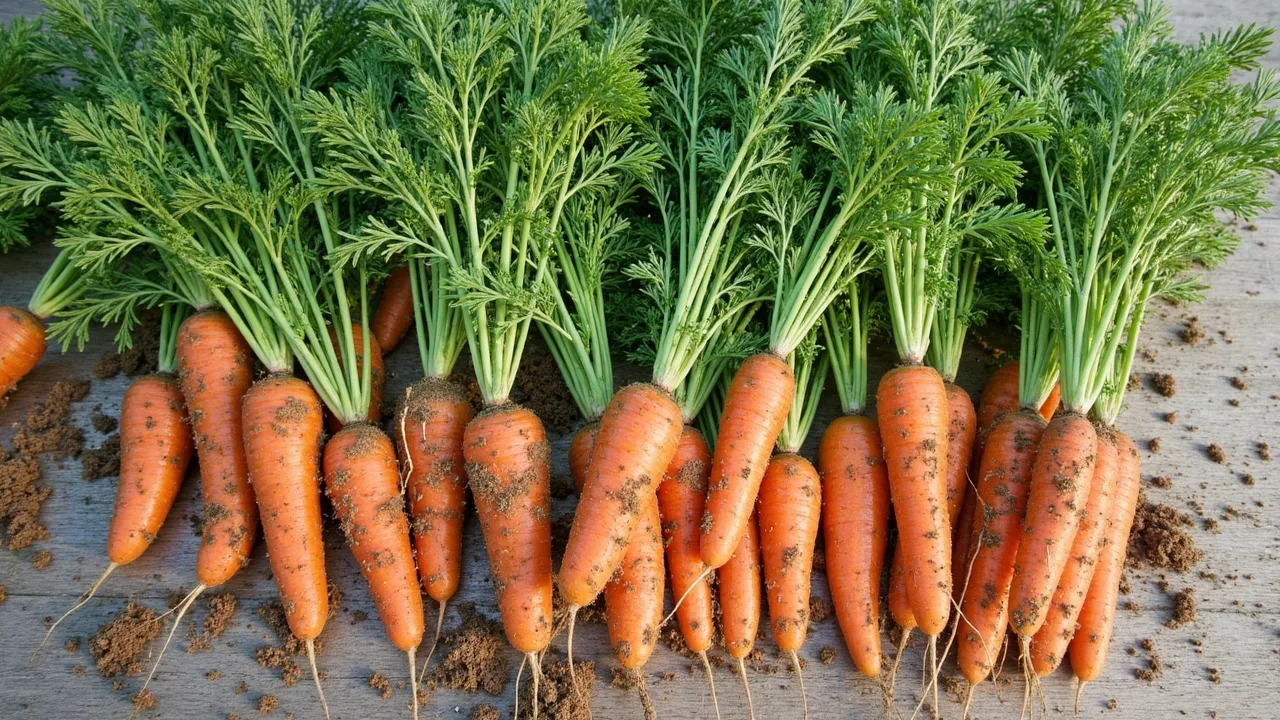
Growing perfect carrots in your UK garden is far more rewarding than store-bought varieties. With the right soil prep, timing, and variety selection, you’ll harvest sweet, crisp roots that outshine supermarket produce. Forget the wartime myth about night vision – these humble roots are pure nutritional gold, packed with beta-carotene and easy to grow in most home plots.
Choosing Your Carrot Variety for UK Conditions
Not all carrots thrive in British soil and climate. Opt for varieties bred for our cooler, often clay-heavy soils and shorter growing seasons. Chantenay types (like 'Nantes' or 'Chantenay Red Core') are ideal for heavier soils, developing shorter, sturdier roots that push through compacted earth. For lighter, sandy soils common in southern England, try 'Flyaway' or 'Paris Market' – their round shape prevents splitting and they mature quickly. Avoid long, thin varieties like 'Imperator' unless you have exceptionally loose, stone-free soil; they’re prone to misshapen roots in UK conditions. Always choose disease-resistant seeds (marked 'D' or 'DR' on packets) to combat common UK issues like carrot fly or root rot.
Planting depth and spacing are critical. Sow seeds 1cm deep in drills 15cm apart, then thin seedlings to 5cm apart once they reach 5cm tall. This prevents overcrowding, which causes stunted, forked roots. For continuous harvests, succession plant every 3 weeks from April to July. In colder regions like Scotland or Northern England, limit planting to April-June; in milder south-west England, extend to August for a late autumn crop.
Soil Preparation: The UK Key to Success
Carrots demand loose, stone-free soil to grow straight. In the UK, heavy clay is the biggest hurdle – it compacts easily, causing roots to fork or split. Start preparing your bed in autumn by digging in generous amounts of well-rotted garden compost or leafmould (3-5cm thick) to improve drainage. Avoid fresh manure, which can cause root splitting. If your soil is particularly clayey, mix in sharp sand (1 part sand to 3 parts soil) before planting.
For optimal growth, aim for a soil pH of 6.0–7.0. Test your soil in early spring using a simple kit from a garden centre. If acidic (below 6.0), add garden lime in autumn; if too alkaline, use compost to gently lower pH. Never plant carrots in soil that’s been recently dug over – wait 2-3 weeks for the soil to settle. In early spring, rake the bed smooth, removing all stones and large clumps. A fine, crumbly seedbed is non-negotiable; uneven soil will force roots to twist and fork.
Planting and Early Care: Timing is Everything
UK spring weather is unpredictable, so plant seeds when the soil has warmed to at least 7°C (45°F), typically from late March to early May. Sow in shallow drills (1cm deep) on a dry, calm day to prevent seeds washing away in spring showers. Cover seeds with fine soil and gently firm the surface. For early crops, use cloches or fleece to protect against late frosts – a 2–3 week head start is worth it.
Water gently but consistently after sowing, keeping the soil moist but not waterlogged. Carrot seeds germinate slowly (10–21 days), so avoid letting the surface dry out. Once seedlings emerge, thin them to 5cm apart – this is crucial for root development. Use scissors to cut excess seedlings at soil level rather than pulling, which disturbs nearby roots. Apply a light mulch of straw or dry grass clippings to conserve moisture and suppress weeds, but avoid thick layers that smother young plants.
Managing Pests and Diseases: UK-Specific Threats
Carrot fly is the UK’s most common pest, attracted to the scent of damaged roots. Prevent infestations by planting early varieties (like 'Flyaway') that mature before peak fly season (June-July), or use physical barriers. Lay horticultural fleece over drills immediately after sowing, securing edges with soil or stones. This blocks flies while allowing light and rain through. If flies appear, spray with a natural pyrethrum-based insecticide (e.g., Bug Clear) at the first sign of damage.
Root rot and leaf blight can occur in wet summers. Avoid overhead watering; use a soaker hose or water at the base. Rotate crops annually – never plant carrots in the same spot more than once every three years – to break disease cycles. If you spot yellowing leaves or soft roots, remove affected plants immediately to prevent spread. For organic control, spray with a diluted garlic or nettle solution (1 part garlic juice to 10 parts water) every two weeks.
Harvesting and Storing: Maximising Your Crop
Harvest carrots when roots reach 1.5–2cm in diameter (about 8–10 weeks after sowing), but leave them in the ground until needed – they sweeten in cool soil. In the UK, lift roots in late September to early November for winter storage. For best results, lift on a dry, sunny morning. Gently loosen soil around roots with a fork (never a spade), then pull upwards to avoid breaking.
Store roots in a cool, dark place (5–10°C) with high humidity. For short-term storage (2–3 months), layer roots in damp sand or sawdust in a wooden crate. For long-term storage (up to 6 months), use a root cellar or unheated shed. Trim leaves before storing (they draw moisture from roots), but leave a 1cm stem to prevent rot. Avoid washing roots before storage – moisture encourages mould.
#UKGardening #CarrotGrowing #HomeGardening #VegetableGardening #SustainableGardening #BritishGardens #GardenWizz
Plants in this guide
As an Amazon Associate, GardenWizz earns from qualifying purchases made through links on this page (including links within the article). This does not affect the price you pay. See our disclaimer for details.