
Whitefly: How to Control This Greenhouse and Garden Pest
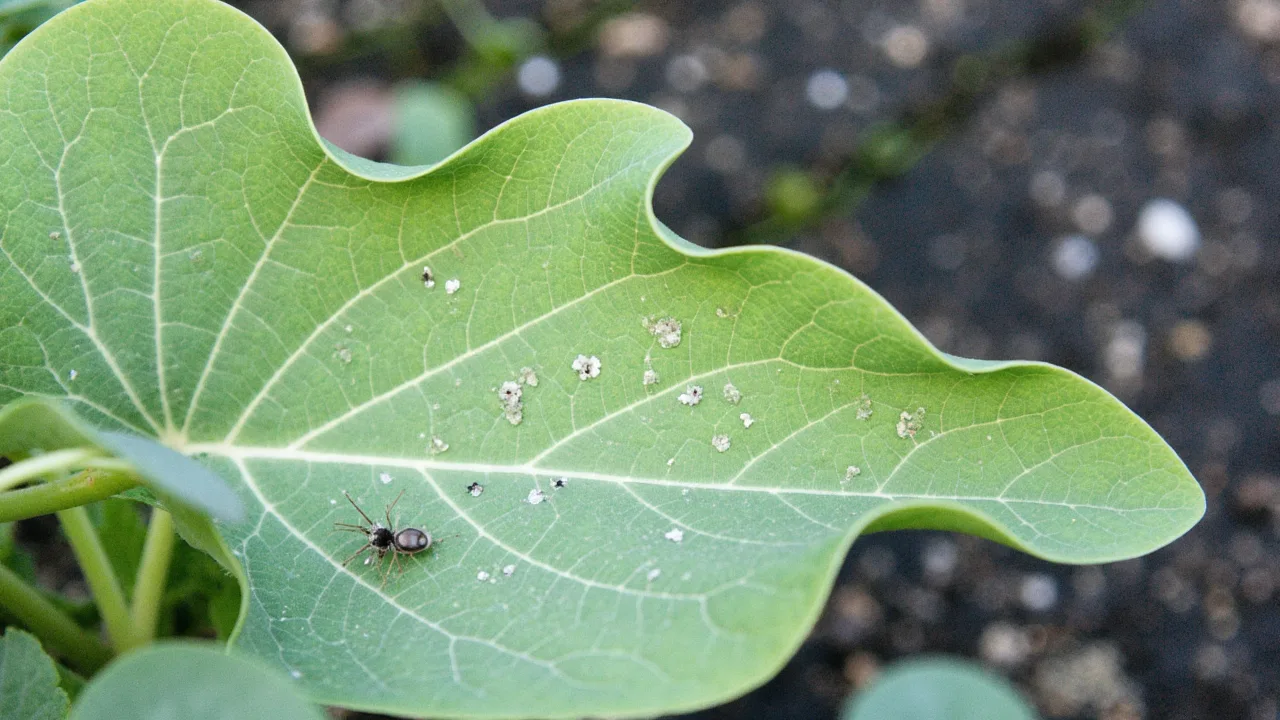
Whiteflies can turn your garden into a sticky, sooty mess overnight, especially when they target tender plants like tomatoes or courgettes. As a UK gardener, you’ll spot them most from April through September, thriving in our mild springs and warm summers. The good news? With timely action, you can keep them at bay without harsh chemicals. Here’s how to tackle them effectively, using proven UK methods and timing.
How to Identify Whitefly Infestations Early
Whiteflies are tiny, moth-like insects (1–2mm) that cluster on leaf undersides, especially on new growth. In UK gardens, they’re most common on greenhouse tomatoes, cucumbers, and outdoor brassicas like cabbage. Look for these telltale signs: a fine, floury dusting on leaves (their wax coating), sticky honeydew that makes leaves glistening, and the unsightly black sooty mould that grows on this residue. Crucially, check plants before you see the mould – a few dozen insects per leaf can trigger rapid spread.
In greenhouses, they’re a year-round risk but peak in late spring and summer when temperatures exceed 15°C. Outdoors, they’re worst in warm, sheltered spots like south-facing borders. For early detection, hold a white card under a leaf and gently shake the plant – if tiny white specks fly up, it’s whiteflies. Don’t wait for visible damage; by then, the plant may already be infected with viruses like tomato yellow leaf curl, which can ruin your crop.
- UK Timing Check: Inspect vulnerable plants every 7–10 days from April to September. Focus on undersides of leaves, not just tops.
- Key Targets: Greenhouse tomatoes (especially 'Cocktail' varieties), outdoor courgettes, and brassicas (cabbage, kale) in late summer.
- Threshold: Act if you see 10–15 whiteflies per leaf – early intervention stops colonies from forming.
Preventing Whitefly Build-Up in Your Garden
Prevention is your strongest weapon against whiteflies. Start in early spring by removing old plant debris from your greenhouse or garden beds – this eliminates overwintering sites. For outdoor plants, choose resistant varieties where possible: for example, 'Solar Set' cucumbers are less prone than standard types, and 'Cavolo Nero' kale handles whiteflies better than some brassicas.
In greenhouses, install fine mesh (1800D or finer) on vents and doors before whiteflies arrive – standard greenhouse netting won’t stop them. This mesh blocks whiteflies but also excludes beneficial insects, so use it only in enclosed spaces. For outdoor beds, plant companion species that repel whiteflies: nasturtiums (which attract them away from crops) and basil (which masks plant scent). Space plants generously to improve airflow, as whiteflies thrive in humid, stagnant conditions.
- UK-Specific Timing: Fit mesh to greenhouses by late March. Plant nasturtiums in early April as a trap crop.
- Natural Barriers: Grow garlic or onions around vulnerable plants – their scent deters whiteflies.
- Avoid: Over-fertilising with nitrogen, which creates soft, succulent growth they love.
Using Natural Predators for UK Gardens
Encourage UK-native predators to tackle whiteflies without chemicals. Ladybirds (especially Adalia bipunctata) and parasitic wasps like Encarsia formosa are highly effective. Encarsia is sold commercially for greenhouses but also works outdoors in mild weather. Release them when temperatures are above 15°C (typically late April onwards) – they’ll hunt whitefly eggs and nymphs.
To attract natural predators, grow nectar-rich flowers like alyssum, dill, or fennel near your vegetable patch. These provide food for adult wasps and ladybirds, keeping them in your garden. Avoid broad-spectrum insecticides, which kill beneficials alongside pests. For outdoor plants, a simple spray of Mycobacterium (a natural bacteria) can boost predator numbers without harming bees.
- When to Release: Early May for outdoor gardens; April for greenhouses (after last frost).
- UK-Friendly Predators: Encarsia formosa (for greenhouses), Chrysoperla carnea (lacewings, for outdoor).
- Pro Tip: Place predator-friendly plants in sheltered spots – wind can blow them away.
Effective Spraying and Chemical Controls
If infestations are severe, use targeted sprays. Start with horticultural soap (e.g., Doff or Westland), which smashes whiteflies on contact. Mix 5ml per litre of water, and spray thoroughly on leaf undersides – do this early in the morning to avoid leaf burn. Repeat every 5 days for 3 weeks. For outdoor plants, pyrethrum-based sprays (like Ryder) are UK-approved and break down quickly, but avoid spraying in full sun.
Never use systemic insecticides (e.g., neonicotinoids) – they’re banned in the UK for garden use due to bee harm, and they don’t work well on whiteflies anyway. For greenhouse tomatoes, a single application of Bacillus thuringiensis (Bt) only targets caterpillars, not whiteflies, so skip it. If sooty mould has already formed, wash it off with a soft cloth and soapy water before spraying.
- UK-Approved Sprays: Horticultural soap (5ml/L), pyrethrum (e.g., Ryder).
- Application Rules: Spray at dawn/dusk; avoid rain for 24 hours; cover undersides of leaves.
- Avoid: Chemicals containing imidacloprid – banned for garden use in the UK since 2018.
Managing Sooty Mould and Virus Damage
Sooty mould is a nuisance, but it’s not the real problem – the whiteflies themselves are transmitting viruses. To clear mould, gently wipe leaves with a damp cloth dipped in soapy water (1 tsp washing-up liquid per 500ml water), then rinse. For severe cases, apply horticultural oil (e.g., Plant Oil brand) diluted to 2ml per litre – this smothers the mould without harming plants.
Crucially, remove and bin infected plants immediately – don’t compost them. Viruses like tomato yellow leaf curl can’t be treated, so prevention is key. After harvesting, sterilise greenhouse frames with a 10% bleach solution to kill overwintering eggs. For outdoor brassicas, rotate crops yearly; whiteflies overwinter in soil, so avoid planting brassicas in the same spot for 3 years.
- Sooty Mould Removal: Wipe leaves with soapy cloth; follow with horticultural oil spray.
- Post-Infestation Action: Remove and bin infected plants; sterilise greenhouse frames with 10% bleach.
- UK Rotation Tip: Plant brassicas in a different bed each year – e.g., move cabbages from the west to east border.
Long-Term Strategies for UK Gardens
Build resilience by focusing on plant health. Whiteflies target stressed plants, so water deeply but infrequently (avoiding wet leaves) and mulch with well-rotted garden compost to retain moisture. In autumn, plant cover crops like clover or mustard to suppress pests over winter – they also improve soil for next year. For greenhouses, use reflective mulch (silver plastic) around plants; it confuses whiteflies and deters them from landing.
Finally, monitor consistently. Keep a garden journal noting when whiteflies appear each year – UK weather patterns shift, so peak times may vary. If you spot them in early May, you’ll know to intensify checks in late May. Remember, a few whiteflies aren’t a crisis – it’s the unchecked colonies that cause damage. Stay vigilant, act early, and your garden will stay vibrant.
#UKGardening #WhiteflyControl #GardenWizz #OrganicGardening #GreenhouseTips #PlantHealth #UKGardenTips
As an Amazon Associate, GardenWizz earns from qualifying purchases made through links on this page (including links within the article). This does not affect the price you pay. See our disclaimer for details.