Fennel
Foeniculum vulgare · Florence fennel · finocchio
At a Glance
| Botanical name | Foeniculum vulgare |
|---|---|
| Common name(s) | Florence fennel, finocchio |
| Family | Apiaceae |
| Plant type | perennial |
| Height × Spread | 60–210 cm × — |
| Hardiness | — |
| Position | Full sun, Partial shade |
| Soil | dry |
| Flowering | May–August |
| Toxicity | — |
| Native range | Mediterranean shores |
Overview
Foeniculum vulgare is a hardy, perennial herb in the carrot family (Apiaceae). It is indigenous to the shores of the Mediterranean but has become widely naturalized in many parts of the world, particularly on dry soils near sea coasts and riverbanks. The plant is valued for its highly flavorful leaves and fruits, used extensively in culinary applications. Florence fennel (Foeniculum vulgare Azoricum Group) is a cultivated selection with a swollen bulb-like stem base, used as a vegetable.
Botanical Description
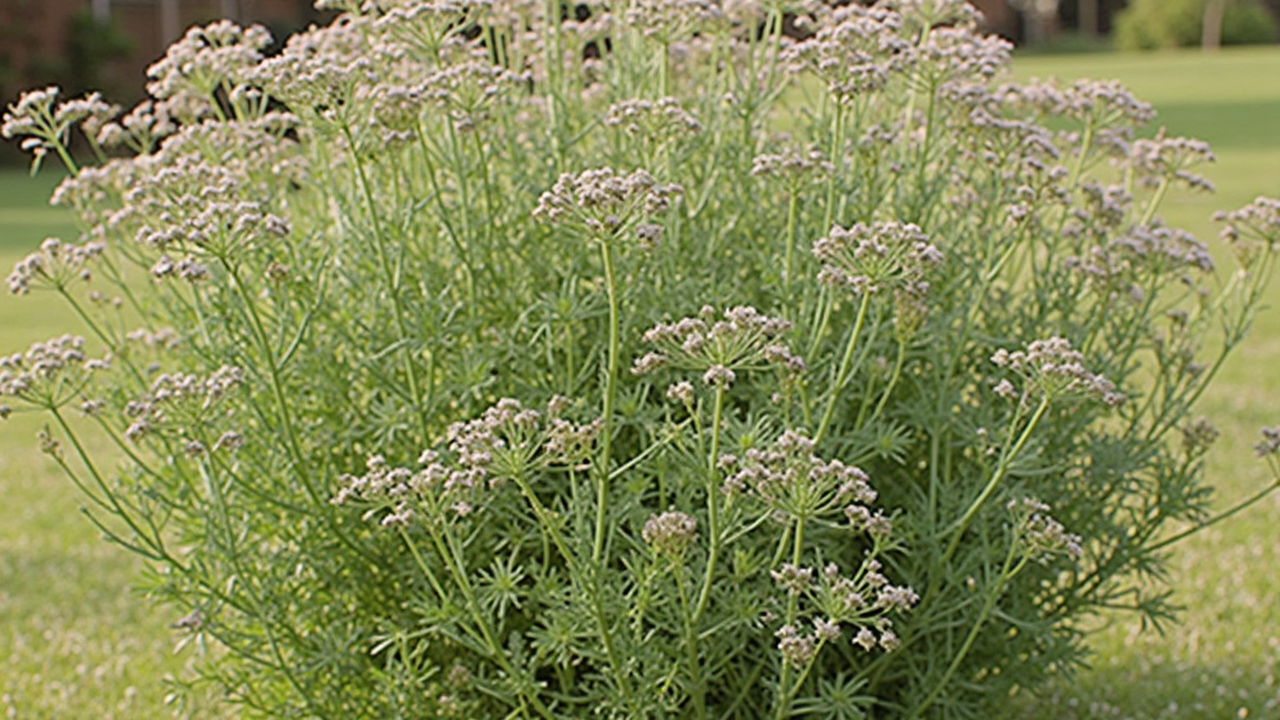
Foeniculum vulgare is a perennial herb with a hollow, erect, glaucous green stem reaching up to 2.1 metres (7 feet) in height. Its leaves grow up to 40 centimetres (16 inches) long, finely dissected with threadlike ultimate segments approximately 0.5 millimetres (1⁄64 inch) wide. The flowers form terminal compound umbels 5–17.5 centimetres (2–7 inches) wide, each bearing 20–50 tiny yellow flowers on short pedicels. The fruit is a dry schizocarp measuring 4–10 millimetres (3⁄16–3⁄8 inch) long, grooved, and half as wide or less.
Origin and Habitat
Native to the Mediterranean shores, Foeniculum vulgare has become naturalized globally, especially on dry soils near sea coasts and riverbanks. It thrives in open habitats such as roadsides, pastures, and disturbed sites, where it can become invasive in regions including northern Europe, the United States, southern Canada, Australia, and parts of Asia.
Cultivation
Foeniculum vulgare is cultivated widely in its native range and beyond for its edible leaves and fruits. Florence fennel (Azoricum Group) is a common cultivar group with an inflated bulb-like stem base, often sold as 'finocchio' in Italy. The bronze-leaved cultivar 'Purpureum' or 'Nigra' is grown ornamentally. The plant propagates readily via root crown and seed, contributing to its invasive status in non-native regions.
Care and Maintenance
Position: Full sun or partial shade. Soil: Dry. Prune after flowering to maintain shape and prevent excessive self-seeding. Note: In regions where it is invasive, regular removal of seed heads is recommended to limit spread.
Uses
Culinary: The bulb, foliage, and fruits are used globally. Florence fennel bulb is eaten raw or cooked; leaves are used in salads and as garnish; fruits (dried) are a spice with aniseed flavour, used in dishes, breads, and desserts. Fennel fruits are a primary ingredient in absinthe and Italian sausage. Medicinal: Historically used by Greeks and Romans as medicine; fennel tea was believed to strengthen eyesight and provide courage. Other: Fennel fruit is used in traditional toothpastes and as an insect repellent. Its essential oil has demonstrated insecticidal properties.
#UKGardening #FoeniculumVulgare #HerbGardening #MediterraneanPlants #EdibleGardening #FlowerGardens #PerennialPlants #GardenCare
Cultivars and Varieties
| Cultivar | Height | Flower | Notes | AGM |
|---|---|---|---|---|
| 'Bronze-leaved fennel (Foeniculum vulgare 'Purpureum' or 'Nig' | — | — | Decorative garden plant with bronze-colored leaves | |
| 'Florence fennel (Foeniculum vulgare Azoricum Group)' | 60 cm | — | Inflated leaf bases forming a bulb-like structure; mild anise-like flavor, sweeter and more aromatic than wild type |
Pests and Diseases
| Problem | Symptoms | Management |
|---|---|---|
| Invasive species and weed | Can drastically alter the composition and structure of many plant communities by outcompeting native species for light, nutrients, and water | — |
Quick Care Summary
| Sunlight | Full sun, Partial shade |
|---|---|
| Soil | dry |
| Hardiness | — |
| Sow | September–November |
| Plant | March–May |
| Prune | — |
Facts sourced from Wikipedia / Foeniculum vulgare (https://en.wikipedia.org/wiki/Foeniculum_vulgare)