
Peach Leaf Curl: How to Treat and Prevent It
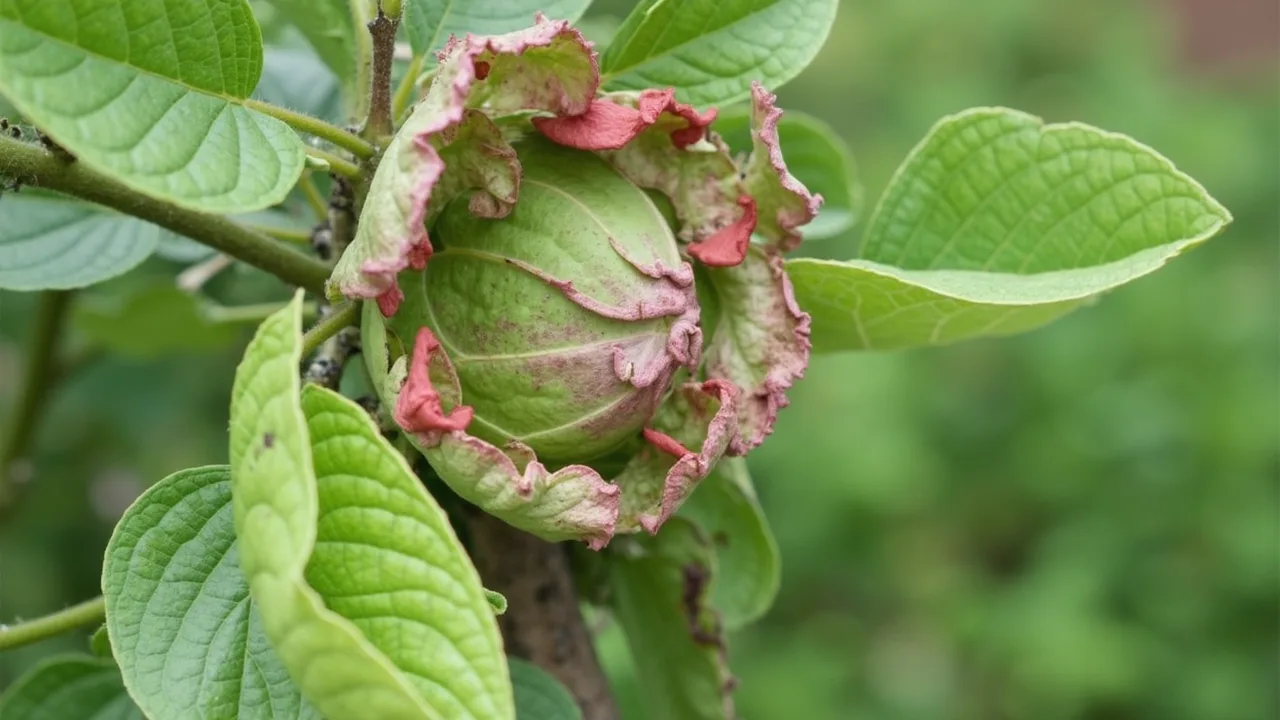
Peach leaf curl is a frustrating but manageable issue for UK gardeners growing peaches, nectarines, or almonds. That tell-tale curling, puckering, and purple-tinged foliage in early spring isn’t just unsightly—it weakens your tree and can slash your fruit yield. The good news? With the right timing and approach, you can stop it cold. Forget guessing; this guide gives you precise, UK-seasoned steps to treat and prevent it, based on how the fungus actually behaves here.
Understanding the UK Threat
Peach leaf curl (caused by Taphrina deformans) thrives in our cool, damp British springs. The fungus needs at least 3mm of rain followed by 12 days of damp, cool weather (below 19°C) to infect new growth—exactly the conditions we get in March and April. You’ll spot it as leaves curl downwards, turn pale green or yellow, then develop a red/purple hue, often with a whitish bloom. Severely affected trees lose leaves early, weakening them for the season. Crucially, it only infects new growth as buds open, so timing your defence is everything. Don’t panic if you see symptoms in May—by then, it’s too late to stop the current season’s infection.
The Critical Timing: When to Spray (UK-Specific)
This is non-negotiable. Spraying after leaves fall or when they’re 90% senesced (late autumn) is the single most effective step. For UK gardens, target late November to early December after leaves have dropped, and late February to early March before buds swell. Avoid spraying during frost or heavy rain—aim for dry, mild days. If your winter is unusually warm (like 2022/23), the fungus might infect buds early, so a late winter spray (late February) is vital. Never spray once leaves are out; it’s useless and wastes product. For wetter UK regions (e.g., West Country, Scotland), plan for a second spray in late February if conditions stay damp.
Key UK Spray Timing Checklist
- Late autumn spray: Apply after leaf fall (typically Nov 15–Dec 15), ensuring full coverage of bark and buds.
- Late winter spray: Apply before bud swell (Feb 15–Mar 10), when buds are tight but not showing green.
- Avoid: Spraying during frost, rain, or when temperatures exceed 19°C.
- Weather check: If March is wet and cool (common!), prioritise the late winter spray.
Choosing and Using Fungicides Correctly
Not all fungicides work for peach leaf curl in the UK. Copper-based sprays (like Bordeaux mixture or copper oxychloride) are the most reliable organic option and widely available at UK garden centres (e.g., Scotts® Copper Fungicide). For non-organic, chlorothalonil (e.g., Dithane®) is effective but less eco-friendly. Avoid general "fruit tree" sprays—they lack the right active ingredient for this specific fungus. Mix according to label instructions (usually 10g per litre for copper), and spray all parts of the tree: branches, trunk, and buds. Coverage is critical—miss a branch, and the fungus spreads. For a 3m-tall tree, you’ll need 5–7 litres of spray mix.
UK Fungicide Application Tips
- Copper options: Use copper oxychloride (e.g., Dolomitic Copper) for best UK results—less likely to cause leaf burn than copper sulfate.
- Mixing: Always add powder to water before adding water to avoid clumping.
- Safety: Wear gloves and eye protection; spray on calm days to avoid drift.
- Frequency: One late autumn spray plus one late winter spray is sufficient for most UK gardens.
Resistant Varieties: A Long-Term Fix
While most UK-grown peaches (like 'Crimson Glory' or 'Peregrine') are susceptible, some resistant varieties exist. 'Harcourt' and 'Crimson' (nectarines) are known for better tolerance in UK trials. If you’re planting new trees, choose these—resistance comes from natural biochemical defences (like higher chlorogenic acid), meaning they fight the fungus without chemicals. Do not rely on resistance alone; combine it with proper spraying for best results. For established trees, this is a future-proofing strategy, not a cure.
Preventing Future Outbreaks
Beyond spraying, focus on tree health and microclimate. Peach leaf curl thrives in poorly drained, sheltered spots—so plant your tree in a sunny, well-drained position (avoid low-lying, damp areas). Prune to improve airflow in late winter (after the late winter spray), removing dead or crossing branches. Never compost infected leaves—bag them and put them in the bin (not the compost heap), as the fungus survives on fallen debris. In wet UK springs, consider a light mulch (like well-rotted garden compost) around the base to reduce splash from rain, but avoid piling it against the trunk.
What If You Missed the Spray Window?
If you’ve already seen symptoms (leaves curling in April/May), no fungicide will help this year. Focus on next year: prune out severely affected branches (disinfect secateurs with 70% alcohol between cuts), and apply copper spray immediately after leaf fall this autumn. For fruit, thin heavily infected ones early to reduce fungal spread, but this is a short-term tactic only. Severe cases may need a full-season fungicide plan next year—don’t skip the late winter spray.
#UKGardening #PeachLeafCurl #OrganicGardening #PeachTrees #GardenWizz #UKFruitTrees #GardenProblemSolved
As an Amazon Associate, GardenWizz earns from qualifying purchases made through links on this page (including links within the article). This does not affect the price you pay. See our disclaimer for details.