
Codling Moth: How to Protect Apples and Pears
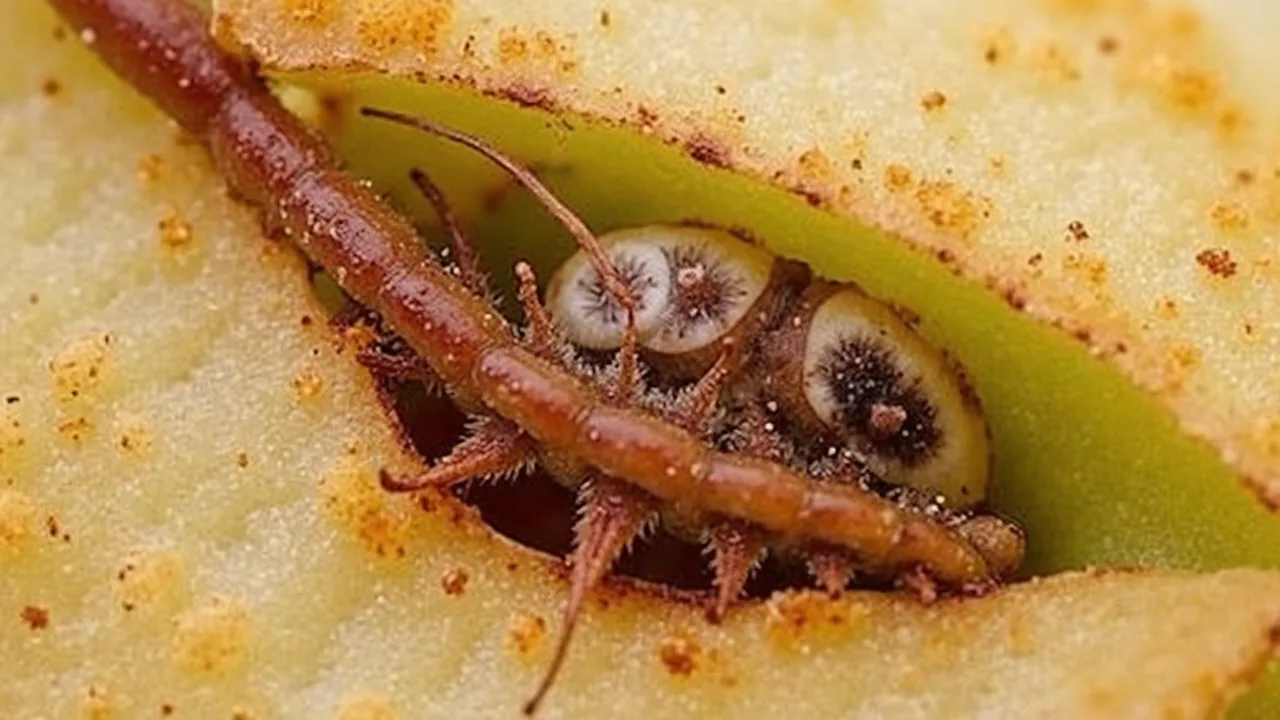
Protecting your apple and pear harvest from codling moth is a common UK gardening challenge, especially in warmer regions like the South and South West. This pest can ruin fruit within days of infestation, leaving you with brown frass (larval droppings) and premature drop. The good news is that with timely, targeted action based on the moth’s life cycle, you can significantly reduce damage without resorting to heavy chemicals. This guide cuts through the confusion, giving you clear, UK-seasoned steps to safeguard your trees.
Monitoring for Early Detection
Timing your monitoring correctly is crucial. Codling moth adults emerge in two main waves in most UK gardens: the first generation flies from late July to August, and the second generation appears in May and June. Check your trees weekly during these periods, focusing on fruit near the top of the tree where moths prefer to lay eggs. Look for tiny, pale green eggs (about the size of a pinhead) on the fruit’s skin, often near the calyx (the blossom end). You’ll also spot the telltale sign of infestation: a small, brownish hole with frass (fine, sawdust-like droppings) around it. If you find frass, the larva has already bored in – but catching it early means you can prevent further damage to other fruit.
- Key monitoring times:
- First generation: Check apples and pears from mid-July to late August (focus on fruit set in late spring).
- Second generation: Inspect trees from late April to early June (targeting fruit developing after blossom).
- Spotting the damage: Lift fallen fruit – if it’s soft, has a hole with frass, or feels squishy, it’s likely infested. Discard it immediately to prevent larvae from pupating in the soil.
Physical Barriers and Bagging
The most effective, chemical-free method for UK gardeners is physical protection. Bagging fruit before eggs hatch is essential. Wait until fruit is about the size of a marble (typically late June to early July for the first generation, and late April to early May for the second). Use small, breathable paper bags (like those sold for fruit protection) or purpose-made fruit bags. Secure them tightly around the fruit stem, leaving the bag open at the bottom to allow rain drainage. This prevents moths from laying eggs on the fruit and stops larvae from entering. For best results, bag all fruit on the tree, not just the largest ones. This works especially well for pears, which often have natural resistance due to stone cells in the flesh (varieties like Conference or Comice are less attractive to larvae).
- Bagging step-by-step:
- Select fruit about 2-3 cm wide (size of a marble).
- Gently place the fruit inside a bag, ensuring no leaves or stems are trapped.
- Fold the top of the bag over the stem and secure with a twist tie or paper clip.
- Repeat for all fruit on the tree, focusing on the outer canopy where moths are most active.
- Timing note: Bagging must happen before eggs hatch (within 24 hours of egg-laying), so monitor closely during flight periods.
Biological Control Options
For organic gardeners, introducing natural predators is a safe, effective strategy. Trichogramma wasps are tiny parasitic wasps that attack codling moth eggs. Release them in late June to early July (for the first generation) or late April to early May (for the second), following the product instructions for your garden size. These wasps are harmless to humans, pets, and beneficial insects like bees. They’re most effective when released before eggs hatch, so pair this with your monitoring schedule. Avoid broad-spectrum insecticides (like pyrethroids) during wasp release, as they’ll kill the beneficials you’re trying to introduce.
- Why it works: Trichogramma wasps lay eggs inside codling moth eggs, preventing the larvae from hatching. They’re active in UK temperatures (15-25°C) and work well in most garden conditions.
- Where to get them: Purchase from UK garden suppliers (e.g., Organic Pest Control or specialist biocontrol firms) – look for Trichogramma evanescens or T. pretiosum.
Targeted Chemical Use (When Necessary)
If infestation is severe and non-chemical methods aren’t enough, use insecticides only when necessary and with precision. The UK’s approved options include spinosad (e.g., Bug Clear Gun) or codling moth granulovirus (e.g., Cyd-X). Apply spinosad after petal fall (usually late May to early June for the second generation, and mid-July to August for the first), when eggs are hatching but before larvae bore in. Spray thoroughly, covering the fruit and foliage, but avoid flowering periods to protect pollinators. Never use pyrethroid sprays – they’re ineffective against codling moth and harm bees. Always read the label for UK-approved uses and application rates.
- Critical timing for sprays:
- First generation: Spray mid-July to early August (after eggs hatch but before larvae bore in).
- Second generation: Spray late May to early June (targeting eggs laid in spring).
- Avoid: Spraying during blossom (April/May) or when bees are active (midday on warm days).
Cultural Practices to Reduce Overwintering
The larvae overwinter as pupae in the soil, under bark, or in fallen fruit. Removing this habitat is vital for long-term control. Clear fallen fruit from the ground every week during harvest (August to October) and prune out dead or damaged branches in late winter (February/March), as these provide shelter for pupae. For pears, choose varieties with natural resistance – stone cells in the fruit flesh (like Conference, Comice, or Doyenne du Comice) make it harder for larvae to feed. Also, thin fruit early (in June) to reduce competition and make it easier to spot and bag fruit.
- Overwintering cleanup:
- Collect and dispose of all fallen fruit (do not compost – bag it and put in the bin).
- Scrape loose bark from tree trunks in early spring (March) to remove pupae.
- Apply a 10cm layer of mulch around the base in autumn to deter pupae from emerging.
#UKGardening #ApplePears #OrganicGardening #CodlingMoth #PestControl #GardenWizz #UKGardenTips
Plants in this guide
As an Amazon Associate, GardenWizz earns from qualifying purchases made through links on this page (including links within the article). This does not affect the price you pay. See our disclaimer for details.