
How to Grow Cucumbers in a UK Greenhouse or Garden
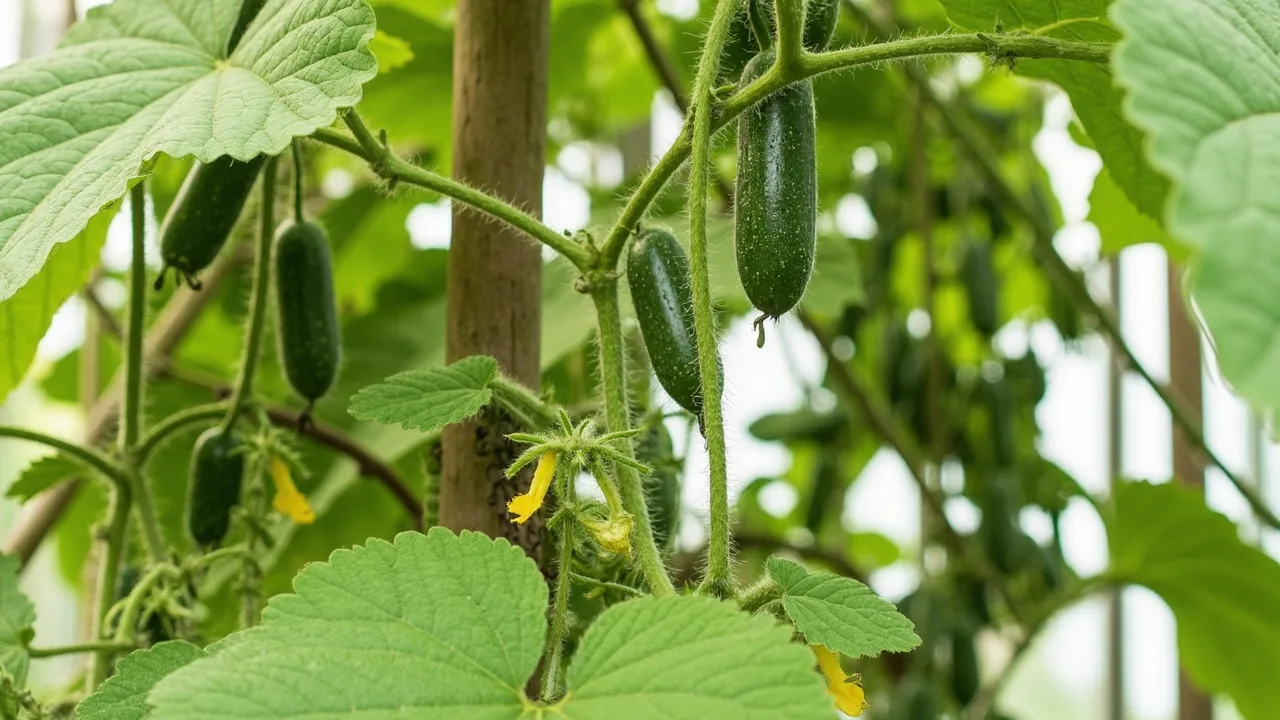
Cucumbers thrive in the UK when given the right conditions, whether in a greenhouse or your garden. With careful timing and variety selection, you can enjoy crisp, home-grown cucumbers from midsummer onwards, avoiding the bitter, seedy types often found in supermarkets. This guide cuts through the confusion, focusing on what actually works in our climate.
Choosing Your Cucumber Variety
Selecting the right variety is crucial for UK success. For greenhouse growing, opt for parthenocarpic (seedless) types like 'Gherkin' or 'Burpless' (often sold as 'Sultan' or 'Diva'). These set fruit without pollination, which is ideal as UK bees are scarce in cool, cloudy weather. They also produce consistently in lower light levels common in UK greenhouses. For outdoor gardens, choose disease-resistant slicing varieties such as 'Marketmore 76' or 'Laxton's Superb' – they tolerate cooler, damper conditions better than standard types. Avoid large, thick-skinned 'English' varieties for garden planting; they need greenhouse warmth to develop properly. Remember: 'Gherkin' refers to small pickling cucumbers (perfect for jars), not the seedless greenhouse types.
- Greenhouse (ideal): 'Gherkin' (for pickling), 'Sultan' (seedless, long fruit), 'Diva' (disease-resistant, parthenocarpic).
- Outdoor Garden (sunny, sheltered spot): 'Marketmore 76' (slicing, cold-tolerant), 'Laxton's Superb' (slicing, reliable).
- Avoid: Large, thick-skinned 'English' types (e.g., 'Telegraph') for garden; they’ll be bitter and underperform.
Greenhouse Cucumber Growing
Greenhouses offer the best chance for reliable UK cucumber harvests. Start seeds indoors in late March (for a May harvest) using a seed tray or small pots filled with peat-free seed compost. Sow 2 seeds per 7.5cm pot, 1cm deep, and keep at a consistent 20°C (68°F) – a heated propagator is ideal. Once seedlings have two true leaves, thin to the strongest plant per pot. Transplant into the greenhouse in mid-April, placing pots on a warm, sunny windowsill or bench. Train plants up a sturdy vertical trellis (2m tall) using soft twine, tying stems gently every 15cm. Critical UK greenhouse tip: Ventilate daily on sunny days, even in April, to prevent condensation and powdery mildew – a common UK greenhouse issue. Keep temperatures above 15°C (59°F) at night; use a thermometer to monitor. Water deeply but infrequently once established, avoiding wetting leaves to reduce disease risk. Feed weekly with a balanced liquid tomato feed from mid-May onwards.
Outdoor Cucumber Growing
Growing cucumbers directly in the garden is possible but requires a very warm, sunny, sheltered spot, ideally against a south or west-facing wall or fence. Plant outdoors only after the last frost, typically late May or early June in most UK zones. Sow 2-3 seeds directly into well-drained, fertile soil (enriched with garden compost) in a 30cm diameter hole, 2cm deep. Thin to the strongest plant once seedlings are 5cm tall. Crucially, grow them vertically on a sturdy wigwam of bamboo canes or a dedicated cucumber netting system. This improves air circulation (reducing mildew), maximises sun exposure, and keeps fruit clean. Mulch generously with straw or bark chippings to retain soil warmth and moisture, especially in cooler, wetter UK springs. Protect young plants from slugs with copper tape around the base of the support or organic slug pellets applied before planting. Avoid planting near other cucurbits (like squash) to prevent cross-pollination issues.
Watering, Feeding & Pest Management
Consistent moisture is key for flavour and to prevent bitterness – a common UK problem when plants dry out. Water deeply once or twice weekly (more in prolonged dry spells), focusing at the base. Never let the soil dry out completely, but avoid waterlogging. For feeding, use a high-potash liquid feed (like tomato feed) every 10 days once flowers appear, starting in mid-June for garden plants and mid-May for greenhouse. Pest vigilance is essential: Slugs and snails are a major threat, especially in spring. Check plants at dusk and remove manually or use barriers. Aphids can appear; spray with a strong jet of water or use natural predators like ladybirds. Powdery mildew (white fungal growth on leaves) is a UK summer risk; ensure good airflow (don’t overcrowd plants), avoid overhead watering, and use a fungicidal soap if needed. Remove infected leaves promptly.
Harvesting for Best Flavour
Harvest cucumbers regularly to encourage more fruit. Slicing cucumbers should be picked when 15-20cm long (about 10-12cm for 'Gherkin' pickling types) – larger fruits become seedy and bitter. Seedless greenhouse types can be left slightly longer (up to 25cm) but check daily in peak season. Always cut the stem with a sharp knife or secateurs, not pull, to avoid damaging the plant. Pick in the morning when fruits are firm and cool. Never let cucumbers stay on the vine too long – they’ll quickly become tough and bitter, especially if temperatures rise. For garden plants, harvest every 2-3 days during peak season (July-August). If you notice bitterness, it’s often due to inconsistent watering or high temperatures; ensure consistent moisture and provide shade during extreme heatwaves.
#UKGardening #GreenhouseGardening #CucumberGrowing #Homegrown #BritishGardening #EasyGardening #GardenWizz
Plants in this guide
As an Amazon Associate, GardenWizz earns from qualifying purchases made through links on this page (including links within the article). This does not affect the price you pay. See our disclaimer for details.