How to Grow Onions in the UK: Sets and Seed
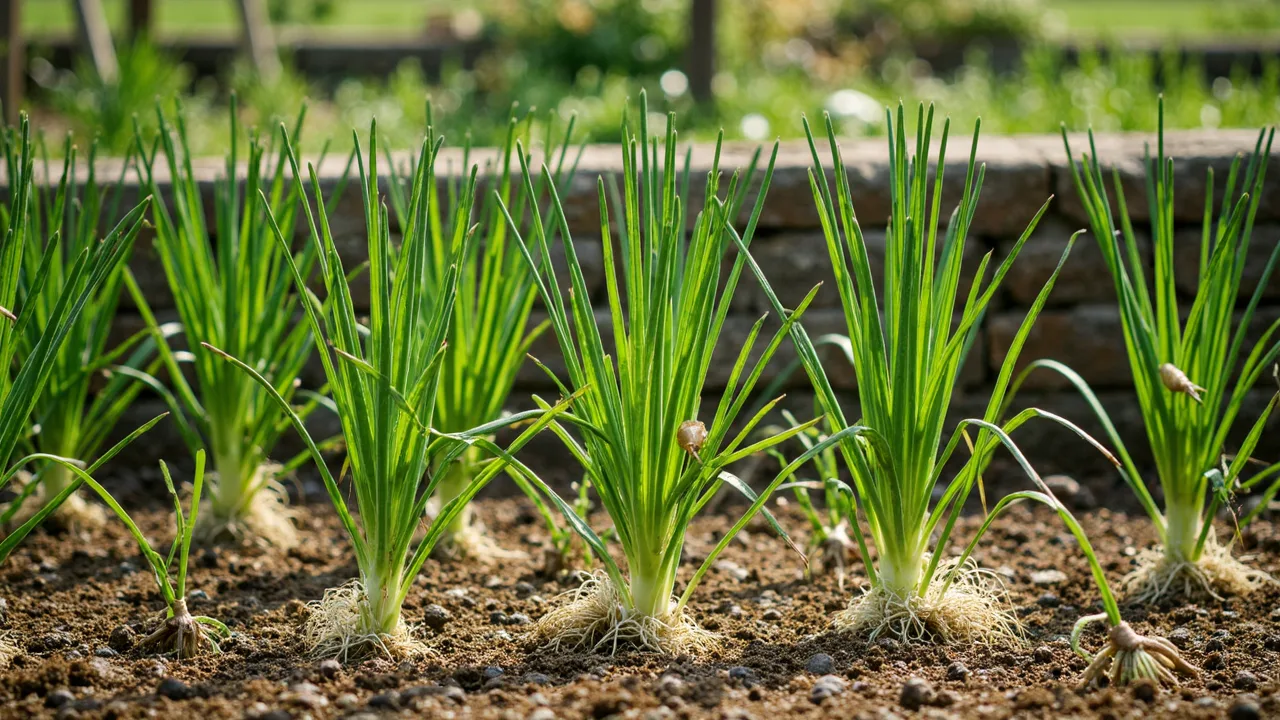
Growing onions in the UK is one of the most satisfying and practical gardening tasks you can undertake. They’re versatile, store well, and with the right approach, you’ll enjoy a reliable crop without needing a greenhouse. Whether you choose easy-to-grow sets or the wider variety of seeds, understanding UK seasons and soil conditions is key. This guide cuts through the confusion, giving you clear, actionable steps for success from sowing to storage.
Choosing Your Onions: Sets vs. Seeds
For most UK gardeners, onion sets offer the simplest, most reliable start, especially if you’re new to growing. These small, pre-formed bulbs are planted directly into the soil in early spring. They’re hardy, quick to establish, and less prone to bolting (going to seed) than seeds. Popular UK varieties include 'Stuttgarter' (yellow, sweet, reliable), 'Red Baron' (red, robust), and 'White Lisbon' (white, mild). Avoid large sets – they’re more likely to bolt. For a wider flavour range and larger yields, seeds are ideal. Plant them in early spring for a summer harvest, or directly sow in late summer for overwintering (e.g., 'Sungold' or 'F1 Red Baron' for autumn planting). Seeds give you access to unique varieties like the sweet 'Walla Walla' or the pungent 'Red Baron', but require more patience and careful thinning.
- Sets are best for: Beginners, small plots, quick harvest (late summer), reliability in cooler springs.
- Seeds are best for: Larger yields, variety selection, cost-effectiveness (cheaper per bulb), overwintering crops.
Soil Preparation: The Foundation for Success
Onions thrive in well-drained, fertile soil with a pH between 6.0 and 7.0. UK clay soils can be challenging, so amend them generously in autumn or early spring with well-rotted garden compost or manure – aim for a 5cm (2in) layer dug in thoroughly. Avoid heavy, waterlogged ground, as onions rot easily. If your soil is particularly heavy, build raised beds (15-20cm high) filled with a mix of garden soil, compost, and a little sharp sand. The soil should be loose and crumbly, not compacted. Test your soil pH with a kit (available from garden centres) – if it’s too acidic (below 6.0), add garden lime in autumn. Work the soil to a fine tilth (crumbly texture) just before planting, ensuring no large clumps remain. This prevents root disturbance and allows bulbs to swell freely.
Planting Sets: Simple and Effective
Plant onion sets in early March as soon as the soil is workable and not waterlogged. UK spring weather can be unpredictable, so wait for a dry spell. Dig small holes about 5cm (2in) deep, spacing sets 10cm (4in) apart in rows 30cm (12in) apart. Place each set pointy-end up (the root end down) and cover with soil, firming gently. Water well after planting. Avoid planting sets too deep – they’ll struggle to push through. For overwintering onions (sown in late summer), plant in late August to early September for harvest the following spring. This method is ideal for varieties like 'Stuttgarter' or 'Red Baron', which develop large, sweet bulbs. Crucially, never plant sets in very wet soil – they’ll rot. If spring is cold and wet, delay planting until conditions improve; onions won’t grow well in cold, waterlogged ground.
Planting Seeds: Starting Strong
Sow onion seeds in early March for a summer harvest, or late August for overwintering. For spring sowing, start seeds indoors in seed trays filled with a fine, moist seed compost. Sow thinly, 1cm (½in) deep, and keep at a cool 10-15°C (50-59°F) until germination (usually 7-14 days). Once seedlings are 5cm (2in) tall, prick them out into individual pots or a cold frame. Harden them off gradually over a week before planting out in mid-April when the soil has warmed. Space seedlings 10cm (4in) apart in rows 30cm (12in) apart – this spacing is crucial for bulb development. For late summer sowing, direct sow seeds 1cm deep in well-prepared soil in late August, spacing seeds 1cm apart. Thin seedlings to 5cm (2in) apart when they’re 5cm tall (around mid-September), leaving the strongest plants. This method produces robust overwintering onions that mature early the next year.
Pest and Disease Management: UK Challenges
The UK’s damp climate makes onions vulnerable to pests and diseases. The onion fly is the biggest threat – its larvae tunnel into bulbs, causing rot. To prevent it: plant sets or seeds late (after mid-April for spring crops, after late August for overwintering), use fine mesh fleece over young plants, and avoid planting onions in the same spot two years running (rotate crops). Onion eelworm causes stunted growth and deformed bulbs – it’s soil-borne, so ensure your soil is well-drained and avoid planting in infested areas. Fungal rot (like neck rot) occurs if bulbs aren’t dried properly; harvest only when foliage dies down naturally, and dry bulbs thoroughly before storage. Never leave bulbs in wet soil. For minor issues, hand-pick pests like aphids. Never use chemical sprays on edible crops unless absolutely necessary – focus on prevention and good cultural practices.
Harvesting and Storing: Getting the Best from Your Crop
Onions are ready to harvest when the foliage turns yellow and begins to fall over – typically late July to August for spring-sown sets, and late May to June for overwintering crops. Do not pull them out while the foliage is still green; they need the full season to mature. Gently lift bulbs with a fork, shaking off excess soil. Crucially, cure them in a dry, airy, shaded place (like a greenhouse or shed) for 2-3 weeks – this toughens the skin and prevents rot. Once cured, trim roots and tops to 2.5cm (1in) and store in mesh bags or trays in a cool, dark, dry place (10-15°C / 50-59°F). Avoid damp conditions or direct sunlight. Properly stored onions will keep until late spring or early summer. If you harvest too early (foliage still green), they’ll store poorly and rot quickly. For the best flavour, use yellow onions like 'Stuttgarter' for cooking, red for salads, and white for mild dishes.
#UKGardening #OnionGrowing #BritishGardening #VegetableGardening #HomeGrown #EasyGardening #GardenWizz
Plants in this guide
As an Amazon Associate, GardenWizz earns from qualifying purchases made through links on this page (including links within the article). This does not affect the price you pay. See our disclaimer for details.