Potato
Solanum tuberosum · spud
At a Glance
| Botanical name | Solanum tuberosum |
|---|---|
| Common name(s) | potato, spud |
| Family | Solanaceae |
| Plant type | perennial |
| Height × Spread | 30–100 cm × — |
| Hardiness | — |
| Position | Full sun, Partial shade |
| Soil | well-drained |
| Flowering | May–July |
| Toxicity | solanine |
| Native range | southern United States to southern Chile |
Overview
The potato (Solanum tuberosum) is a perennial plant in the nightshade family Solanaceae, cultivated for its starchy tuberous vegetable. It is a globally significant staple food crop, integral to the world's food supply. The tubers are underground stem structures, not roots, and the plant produces flowers followed by small green fruits containing seeds.
Botanical Description
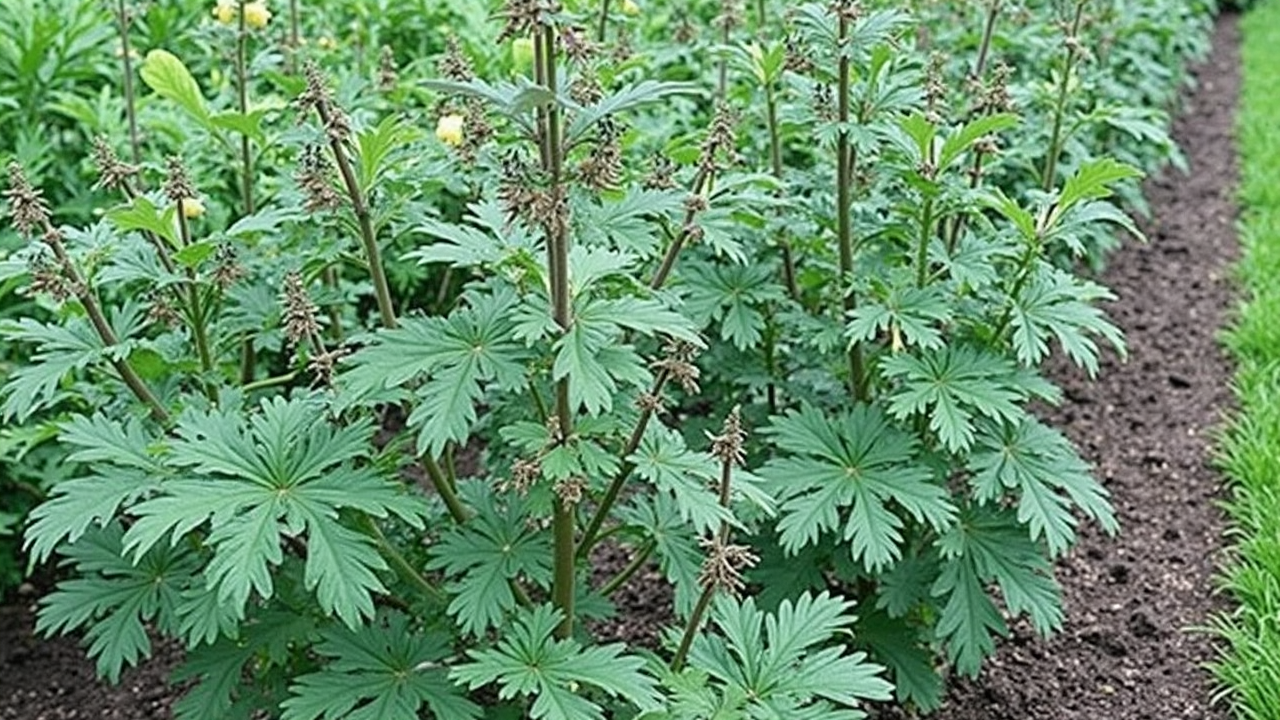
Potato plants are herbaceous perennials reaching up to one metre in height, with hairy stems. Leaves comprise roughly four pairs of leaflets. Flowers range in colour from white or pink to blue or purple, with yellow centres, and are insect-pollinated. Tubers form at the tips of stolons and are not roots; they feature 'eyes' arranged helically, which protect vegetative buds, and lenticels for respiration. Tubers develop in response to decreasing day length, though commercial varieties have minimized this trait. After flowering, small green fruits resembling cherry tomatoes form, each containing approximately 300 seeds.
Origin and Habitat
Native to the Americas, wild potato species occur from the southern United States to southern Chile. The cultivated potato originated in southern Peru and extreme northwestern Bolivia, domesticated approximately 7,000–10,000 years ago from a species in the S. brevicaule complex. It remains indigenous to the Andes region, where numerous varieties are cultivated.
Cultivation
Potatoes prefer full sun but tolerate partial shade. They require well-drained soil for optimal growth. Tubers form in response to environmental cues, with commercial varieties adapted to varying day lengths.
Care and Maintenance
Tubers stored and grown properly contain negligible glycoalkaloids. However, exposure to light causes sprouting and skin greening, increasing toxicity due to solanine production. Avoid storing tubers in direct light to prevent this.
Uses
Potatoes are a staple food globally, forming an essential part of the world's food supply. Over 5,000 varieties are cultivated worldwide, with significant diversity in the Andes region. They serve as a primary carbohydrate source in many diets and are used in a wide range of culinary applications.
#Potato #SolanumTuberosum #StapleFood #UKGardening #VegetableGardening #NightshadeFamily #TuberCrop #FoodSecurity #GardenWizz #PotatoVarieties
Pests and Diseases
| Problem | Symptoms | Management |
|---|---|---|
| late blight | crop failures, plant disease | — |
Quick Care Summary
| Sunlight | Full sun, Partial shade |
|---|---|
| Soil | well-drained |
| Hardiness | — |
| Sow | August–October |
| Plant | April–June |
| Prune | — |
Facts sourced from Wikipedia / Solanum tuberosum (https://en.wikipedia.org/wiki/Solanum_tuberosum)
As an Amazon Associate, GardenWizz earns from qualifying purchases made through the links above. This does not affect the price you pay. See our disclaimer for details.