
Garden waste you can no longer recycle under new rules
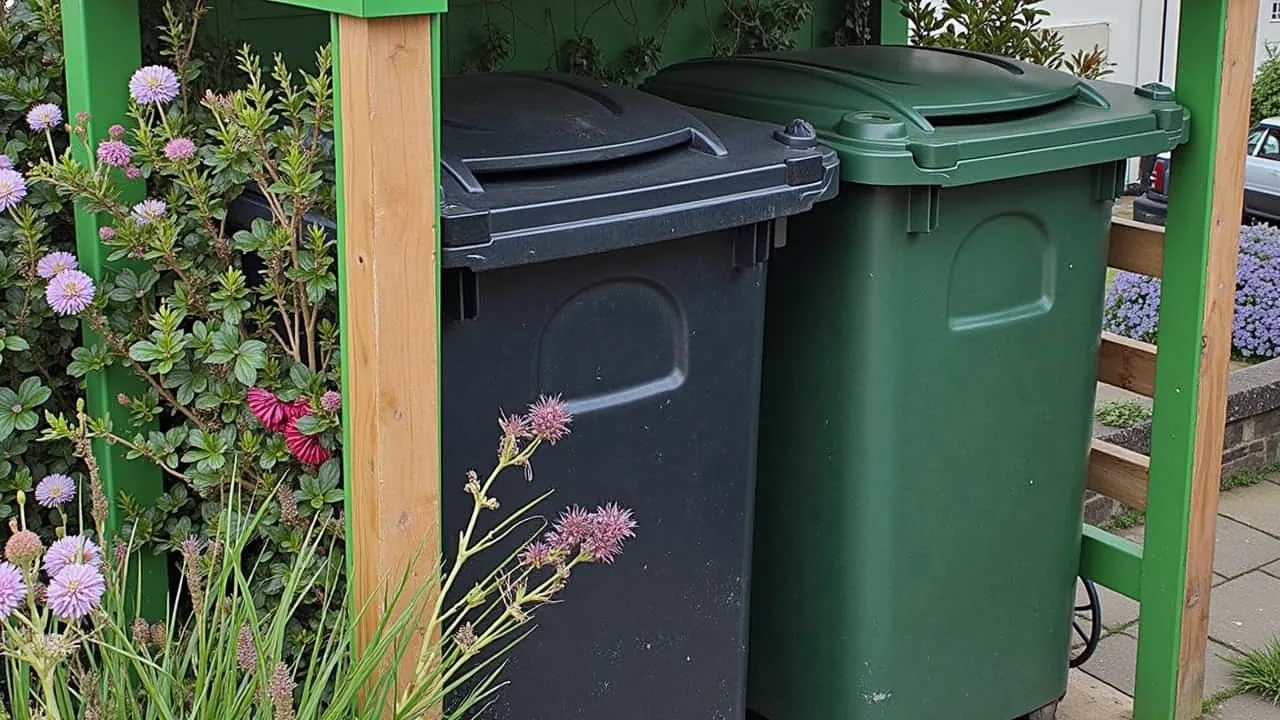
Green-bin collections save hours of tidying, but they aren't a skip. Councils turn the contents into soil improver, so anything that doesn't break down cleanly has to stay out. With more local authorities tightening what they accept — and some moving garden waste out of the kerbside recycling stream altogether — knowing the rules avoids a refused collection and keeps the material on the composting path.
What's happening
Garden waste collections across the UK run on a list set by each council, usually to a shared spec with their composting contractor. Only untreated, plant-based garden material goes in. Grass clippings, leaves, hedge trimmings, prunings, spent flowers, weeds, straw and small twigs are all accepted.
A growing number of councils are now narrowing that list, refusing or charging separately for bulky items that used to be included by default. The items most commonly dropped from the kerbside collection are:
- Cooked food, meat, fish, dairy, oils — these belong in the food caddy or general waste, never the green bin.
- Pet waste and litter tray contents.
- Treated timber, fence panels and sleepers.
- Soil, stones, rubble and turf.
- Weedkiller clippings for the interval stated on the product label.
- Plastic pots, plant labels, string, netting — and most so-called "biodegradable" bags, which rarely break down at composting temperature.
- Persistent weeds in seed or with deep roots (Japanese knotweed, bindweed, marestail).
- Logs and thick branches over the council's stated diameter (often around 10 cm).
Each council sets its own list, so check your local authority website before adding anything unusual. A single wrong item is the usual reason a load is refused, and under tightened rules the crew is increasingly likely to leave the whole bin rather than sort it.
What this means for your garden
On-site handling cuts what you send to the green bin dramatically. A home compost bin takes soft green waste — veg peelings, tea bags, coffee grounds, soft prunings — and turns it into soil improver you don't have to buy. A mesh leaf-mould cage turns autumn leaves, which councils often limit by season or volume, into free mulch in a year or two.
Shred woody prunings before binning — they compact, break down faster and the crew is less likely to refuse a heavy branch. Run the mower over dry leaves on the lawn to chop them in place rather than bagging them wet, which adds weight and slows composting.
For weeds: annual weeds that haven't set seed can go on the heap. Perennial weeds with fleshy roots — dandelion, dock, ground elder, couch grass — and anything in seed go in the green bin or general waste, not the home compost. Persistent invasives go in neither; double-bag them and dispose of through the council's green-waste service or designated collection.
If your council charges for the collection, weigh the fee against how much you actually use it. A home compost bin and a leaf-mould cage handle most of what a normal garden produces in a year, leaving only woody material, bulk grass and perennial weeds for the paid service.
Key points
- Green bins are for untreated plant material only — no food, pet waste, treated timber, soil or plastic.
- Perennial weeds with seed or fleshy roots belong in the green bin or general waste, never the home compost.
- Shred woody prunings first — the load compacts, breaks down faster and is more likely to be accepted.
- A home compost bin plus a leaf-mould cage can replace most of what a paid-for green bin is used for.
- Check your council's specific list before adding anything unusual — refused loads are the most common complaint.
Attribution
Guidance on tightened council lists first reported by the Mirror.
Plants in this guide
As an Amazon Associate, GardenWizz earns from qualifying purchases made through links on this page (including links within the article). This does not affect the price you pay. See our disclaimer for details.