Sussex gardeners urged to join National Garden Scheme
The National Garden Scheme (NGS) has been opening Britain's private gardens to the public since 1927, when King George V threw open the gardens at Sandringham in its very first season. A century on, the charity remains one of the most distinctive ways UK gardeners share their plots — and direct the gate money to health and nursing causes that need it.
What's happening
Founded in 1927 to raise money for district nurses, the NGS has grown into a national movement of thousands of garden owners opening their gates, usually a few afternoons a year, for a modest admission. The proceeds are donated to a roster of beneficiary charities supporting nursing and health. Over the decades the scheme has helped fund palliative care, cancer support, and a long list of community nursing projects.
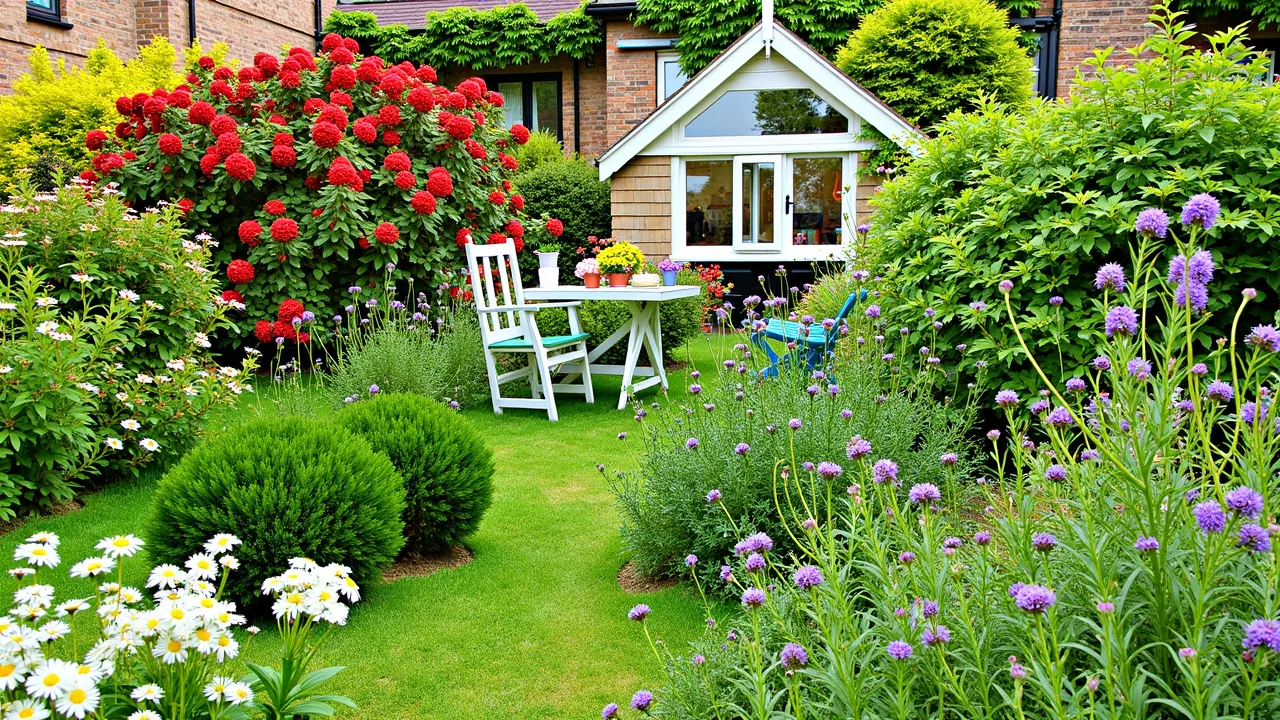
Each garden in the NGS is independently owned — anything from a tiny courtyard in Brighton to a multi-acre country garden in East Sussex. The common thread is a quality, character and interest that visitors come specifically to see. Some are wildlife havens, some are productive kitchen gardens, some are formal designs, and some are rambling cottage plots. The scheme's famous tea-and-cake tradition is what most visitors remember; home baking is almost a prerequisite.
Owners choose their own open days, group, and pricing within the scheme's guidelines. The NGS handles promotion through the annual Yellow Book (and its website), so an owner does not need their own audience or marketing. Volunteers from local NGS county groups help on the day, which is what makes even single-handed owners able to take part.
What this means for your garden
You do not need a show garden to join. The NGS is explicit that quality, character and interest matter far more than size. A well-tended courtyard, a productive allotment, or a garden famous locally for its roses can all qualify.
If you are considering opening, three practical points are worth weighing up:
- Timing and frequency. Most NGS gardens open for a handful of afternoons between April and September, often two or three days a season rather than every weekend. You pick dates that suit your calendar and your garden's peak.
- The visitor experience. Paths need to be safe, dogs managed, and toilets thought about (even a clean compost-loo is usually fine for a small opening). Most new openers underestimate how much visitors value a few labelled plants and somewhere to sit with a cuppa.
- Pest and tidy-up pressure. Opening day is a strong motivator for the weeding and edging you have been putting off. Plan your open dates around your garden's actual peak, not an aspirational one, and you will enjoy it rather than dread it.
If you are not ready to open your own plot, the NGS still has plenty to offer. Visiting open gardens in your county is one of the best ways in the UK to steal planting ideas, see how real gardeners solve difficult corners, and pick up varieties you never see in garden centres. For more on planning your own garden year, see our UK gardening calendar and how to plan a cottage garden border.
Key points
- The National Garden Scheme has been opening private gardens for charity since 1927 and is approaching its centenary.
- Funds raised go to UK nursing and health charities chosen by the scheme.
- Gardens of any size can qualify — quality, character and interest are the criteria.
- Owners choose their open days; the scheme handles promotion via the Yellow Book.
- Even a single afternoon of opening, with tea and cake, is the classic NGS format.
First reported by The Argus.
As an Amazon Associate, GardenWizz earns from qualifying purchases made through links on this page (including links within the article). This does not affect the price you pay. See our disclaimer for details.