
How to Grow Cucumbers in a UK Greenhouse or Garden
You can grow cucumbers successfully in a UK greenhouse, polytunnel or sheltered garden: sow indoors in March-April, then plant out only after frost risk has passed and nights remain reliably above…
At a Glance
| Sow | April (heated propagator at 21°C) |
|---|---|
| Sun | Full sun |
| Soil | Fertile, moisture-retentive, pH 6.0-7.0 |
| Spacing | 60 cm apart |
| Hardiness | H2 — tender, killed by frost |
| Difficulty | Moderate |
| Time to harvest | Crops from June to October |
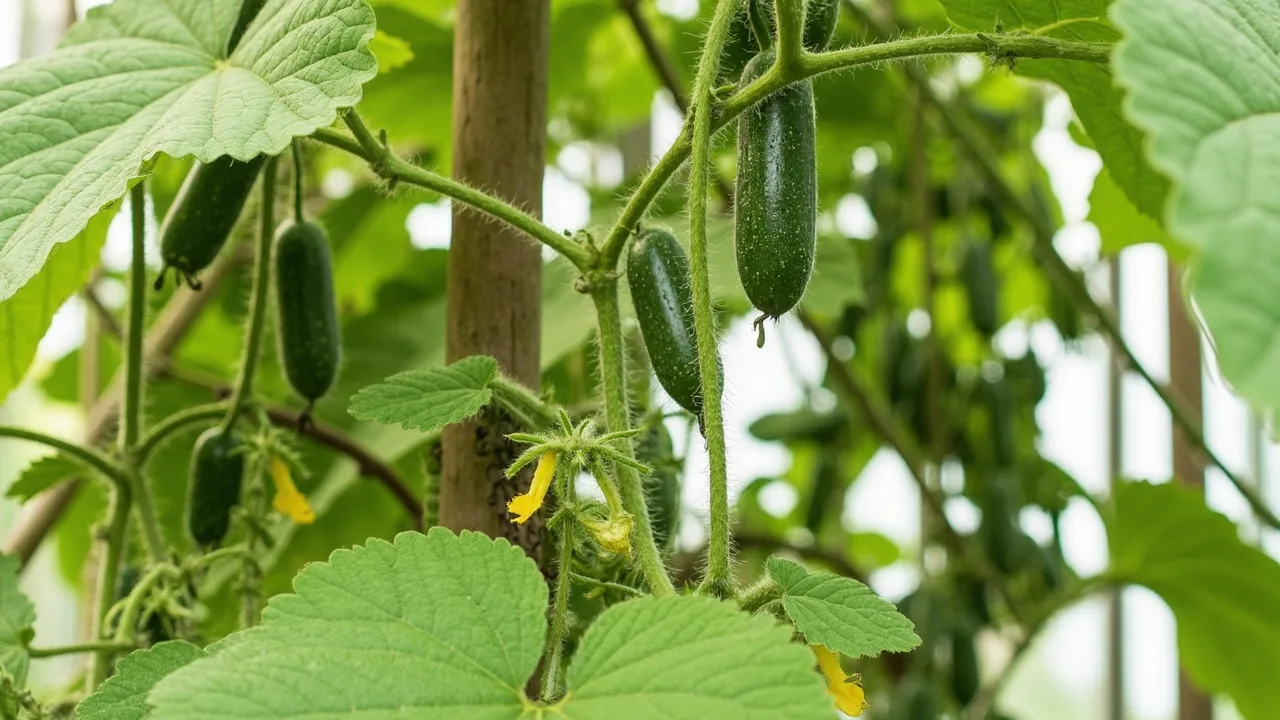
You can grow cucumbers successfully in a UK greenhouse, polytunnel or sheltered garden: sow indoors in March-April, then plant out only after frost risk has passed and nights remain reliably above 10°C. Choose a greenhouse type for crops under cover or a ridge cucumber bred for outdoor conditions.
Overview
A warm greenhouse can turn one well-trained cucumber plant into weeks of crisp summer harvests, while ridge varieties cope better with a sheltered plot outside. This guide explains how to grow cucumbers in a UK greenhouse or garden, from indoor sowing and planting to training, watering and harvesting. The methods suit beds, growbags, large containers and polytunnels across the UK.
When to Start in the UK
Sow greenhouse cucumbers from mid-March to mid-April in southern England, the Midlands and sheltered coastal areas. In Scotland and northern England, late March to late April is safer unless you have a heated propagator and a frost-free greenhouse. Starting too early usually produces stretched plants that outgrow the windowsill before conditions improve.
For outdoor ridge cucumbers, sow from mid-April to early May in the South and from late April to mid-May in the North. Seeds germinate most reliably when the compost is kept at 20-25°C; a heated propagator is useful in a cold spring. Germination commonly takes 3-10 days.
Move greenhouse plants to their final position from late April in a heated greenhouse, but wait until May in an unheated greenhouse or polytunnel. Plant outdoor cucumbers from late May in southern districts and early to mid-June farther north, once frost has passed, nights remain above 10°C and the soil has warmed to at least 15°C. Use May's gardening calendar and your local forecast rather than relying on a fixed date.
If cold weather returns, keep plants under cover or protect outdoor plants overnight with fleece. Cucumbers chilled by a few cold nights may stop growing for weeks even when they do not visibly collapse.
What You'll Need
A useful trick is to prepare every support before planting, because cucumber stems become awkward to untangle once they are 30 cm long.
- Fresh cucumber seed suited to greenhouse or outdoor growing
- 9 cm pots and peat-free seed compost
- A heated propagator or a warm, bright windowsill
- Multipurpose peat-free compost for potting on
- One 30-litre container per plant, a growbag, or a prepared bed
- Well-rotted garden compost or soil improver
- Greenhouse twine, canes or sturdy netting about 1.8-2 m high
- A watering can with a rose and a liquid tomato fertiliser
- Horticultural fleece for outdoor plants
- Secateurs or clean scissors for training and harvesting
- Biological controls or yellow sticky traps if whitefly becomes troublesome
Improve garden soil with well-rotted compost before planting. Cucumbers need fertile, moisture-retentive ground, but roots must not sit in stagnant water. In containers, use fresh peat-free multipurpose compost and leave a small watering well around the stem. Advice on making and using garden compost can help you build moisture retention without compacting the bed.
Step-by-Step Guide
-
Choose the right type. Buy an all-female greenhouse hybrid for growing under glass or polythene, or choose a ridge cucumber such as 'Marketmore 76' for outside. All-female indoor plants set fruit without pollination and are less likely to produce bitter cucumbers.
-
Sow one seed per pot. Fill 9 cm pots with damp seed compost and push each seed about 1-2 cm deep, placing it on its edge to reduce the chance of rot. Cover lightly, label the cultivar and water with a fine rose.
-
Keep the pots warm. Maintain 20-25°C until seedlings emerge, normally within 3-10 days. Move them into strong light immediately after germination and keep the compost just moist rather than saturated.
-
Pot seedlings on once. Transfer each seedling into a 12-15 cm pot when roots fill the first pot, handling it by a leaf rather than the delicate stem. Keep the plant warm and turn the pot regularly so the growth remains upright.
-
Prepare the final position. Mix well-rotted compost into a sunny, sheltered bed, or fill one 30-litre pot per plant with fresh compost. Install vertical strings, 1.8-2 m canes or netting before the roots go in.
-
Harden outdoor plants gradually. Put ridge cucumbers outdoors in shelter for a few hours daily over 7-10 days, bringing them in at night. Many gardeners lose plants by moving them straight from a warm windowsill to a windy May plot.
-
Plant without burying the stem. Set greenhouse cucumbers 45 cm apart and outdoor cucumbers 60 cm apart, keeping the root ball at its previous depth. Water thoroughly and protect outdoor plants with fleece if nights remain cool.
-
Train the main stem upwards. Tie it loosely to a cane or twist it around a taut vertical string as it grows. Remove damaged lower leaves, but never strip healthy foliage simply to make the plant look tidy.
-
Manage flowers according to the seed packet. Leave all flowers on an all-female F1 plant. On older mixed-flowering greenhouse cultivars, remove male flowers before they open; they have a plain stalk, whereas female flowers carry a tiny cucumber behind the bloom. Do not remove males from ordinary outdoor ridge types unless the breeder specifically instructs you to do so, because they may need pollination.
-
Pinch and support growth. In a greenhouse or polytunnel, pinch out the main tip when it reaches the roof. Keep productive side-shoots, then pinch each one two leaves beyond a developing fruit; outdoor plants can trail over straw or climb low netting.
-
Water consistently at the roots. Check containers daily during hot weather and water in the morning whenever the top few centimetres feel dry. A common mistake is alternating drought with heavy soaking, which stresses plants and can make fruit bitter.
-
Feed after flowering begins. Apply a high-potash liquid tomato feed every 7-10 days at the label rate once the first fruits start swelling. Water before feeding if the compost is dry, because concentrated fertiliser can scorch roots.
-
Maintain greenhouse humidity without trapping stale air. Dampen the path on warm mornings and ventilate through roof vents and doors. This balance discourages red spider mite while reducing the stagnant, overly damp conditions that favour disease.
-
Harvest little and often. Cut cucumbers with clean secateurs when they reach the size described on the seed packet, usually from July onwards. Check plants every 2-3 days because leaving one fruit to become oversized diverts energy from the next crop.
Regular harvesting keeps plants productive into September under cover. Outdoor crops often finish earlier as nights cool, so pick remaining usable fruit before the first cold spell and add healthy spent plants to the compost heap.
Common Problems
For unfamiliar damage, compare the symptoms below and use the GardenWizz problem solver before applying any treatment.
Red spider mite
- Symptom: Leaves develop pale speckles, then turn bronzed; fine webbing may appear beneath them.
- Cause: Glasshouse red spider mites multiply rapidly in hot, dry greenhouse conditions, often from June onwards.
- Fix: Raise humidity by damping paths, mist beneath leaves early in the day and remove badly affected foliage. Introduce the predatory mite Phytoseiulus persimilis promptly, before the infestation becomes severe.
Powdery mildew
- Symptom: White, dusty patches spread across leaves, commonly becoming obvious by August.
- Cause: Dry roots, poor airflow and ageing foliage make cucumber plants vulnerable to powdery mildew.
- Fix: Water consistently, space plants properly and remove the worst affected leaves without stripping the plant. Avoid wetting foliage late in the day and keep feeding so healthy new growth continues.
Whitefly
- Symptom: Clouds of tiny white insects rise when the plant is disturbed, while leaves become sticky with honeydew.
- Cause: Greenhouse whitefly breed beneath leaves in warm, protected conditions.
- Fix: Inspect plants weekly from May, squash small colonies and hang yellow sticky traps for monitoring. For established infestations, use a compatible biological control such as Encarsia formosa.
Cold damage
- Symptom: Growth stalls, leaves droop or develop pale patches, and young plants fail after planting out.
- Cause: Temperatures below 10°C chill cucumber plants, especially when combined with cold, wet compost.
- Fix: Delay planting, use fleece outdoors and close greenhouse vents before a cold night. Keep pots off a cold floor and avoid watering heavily during dull, chilly weather.
Bitter or misshapen fruit
- Symptom: Cucumbers taste bitter, taper unevenly or stop swelling.
- Cause: Irregular watering, cold stress, poor pollination in ridge types or accidental pollination of older greenhouse cultivars can affect fruit.
- Fix: Maintain even moisture, harvest promptly and follow the packet's flower-removal instructions. Choose a modern all-female greenhouse cultivar if bitter fruit has been a recurring problem.
Expert Tips
- In a 30-litre container, grow one cucumber plant rather than two; less root competition makes watering much easier in July.
- Leave a 5-8 cm gap between the compost surface and the pot rim to create a useful watering reservoir.
- Dampen the greenhouse path before noon on hot days, but ventilate well and avoid soaking foliage during the evening.
- Harvest mini cultivars at about 10-15 cm and full-sized types at the packet's stated length; regular picking every 2-3 days encourages more fruit.
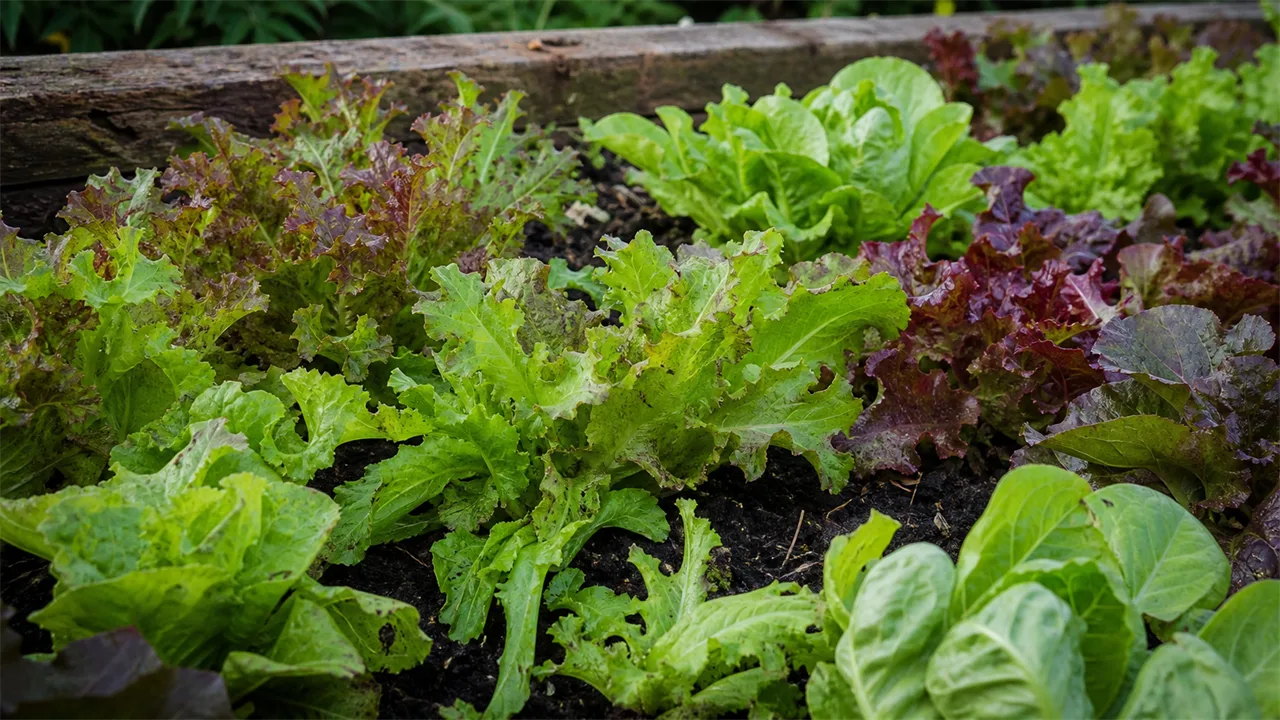
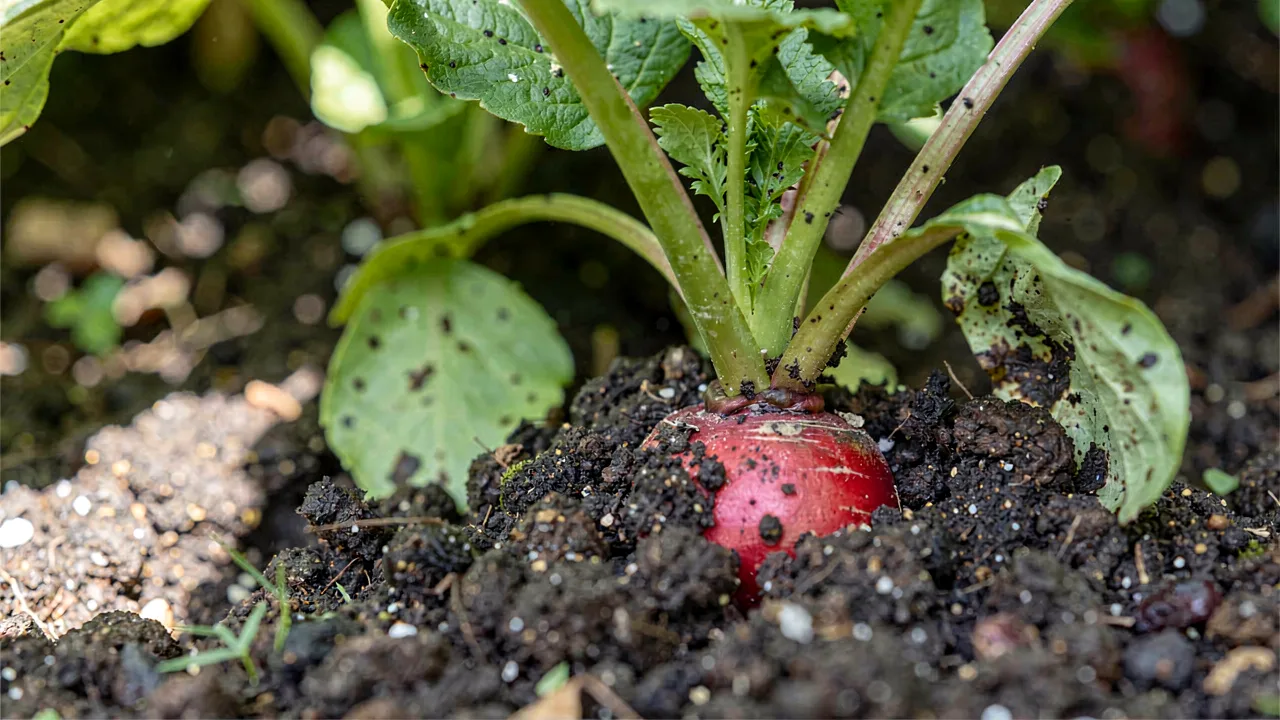
- Plant French beans, lettuce or radishes nearby outdoors, but preserve 60 cm around each cucumber for airflow and root space.
FAQ
When should I sow cucumbers in the UK? Sow greenhouse cucumbers indoors from mid-March to mid-April. Sow outdoor ridge types from mid-April to early May, adjusting later for Scotland and northern England.
Can I grow cucumbers in pots? Yes. Use one plant in a container holding at least 30 litres of compost, add a 1.8-2 m support and expect to water daily during hot summer weather.
Why are my cucumber leaves turning white? White dusty patches are usually powdery mildew, particularly from August. Improve airflow, keep roots evenly moist and remove only the worst affected leaves.
Should I remove male cucumber flowers? Remove them only from older mixed-flowering greenhouse cultivars when the seed packet tells you to. All-female hybrids do not need it, while ordinary outdoor ridge types may require male flowers for pollination.
How long do cucumbers take to grow? Under warm UK conditions, expect the first harvest about 8-12 weeks after sowing. Cold nights, cramped roots or inconsistent watering can delay cropping.
Varieties to Try
Many gardeners get better results by choosing the cultivar for the growing place rather than buying a packet labelled simply 'cucumber'. These established cultivars are sold by UK seed suppliers and garden centres.
- 'Telegraph Improved' - a heritage long greenhouse cucumber and traditional UK standard; widely available from Thompson & Morgan, Suttons and other UK seed merchants.
- 'Burpless Tasty Green' F1 - a long, mild-flavoured cultivar suitable under cover and in a warm sheltered garden; available from major UK seed suppliers.
- 'Flamingo' F1 - a productive mini greenhouse cucumber with sweet, shorter fruits; look for seed from UK specialist vegetable suppliers.
- 'Marketmore 76' - a dependable dark-green outdoor ridge cucumber and established choice for UK plots; stocked by several UK seed merchants.
- 'La Diva' F1 - an all-female mini cucumber suited to sheltered outdoor cropping and noted for non-bitter fruit; available through UK seed catalogues.
- 'Masterpiece' - a reliable outdoor ridge type with crisp fruits; commonly offered by UK vegetable-seed retailers.
- 'Crystal Apple' - a heritage outdoor cucumber producing round, pale-yellow fruits; available from heritage and organic seed suppliers in the UK.
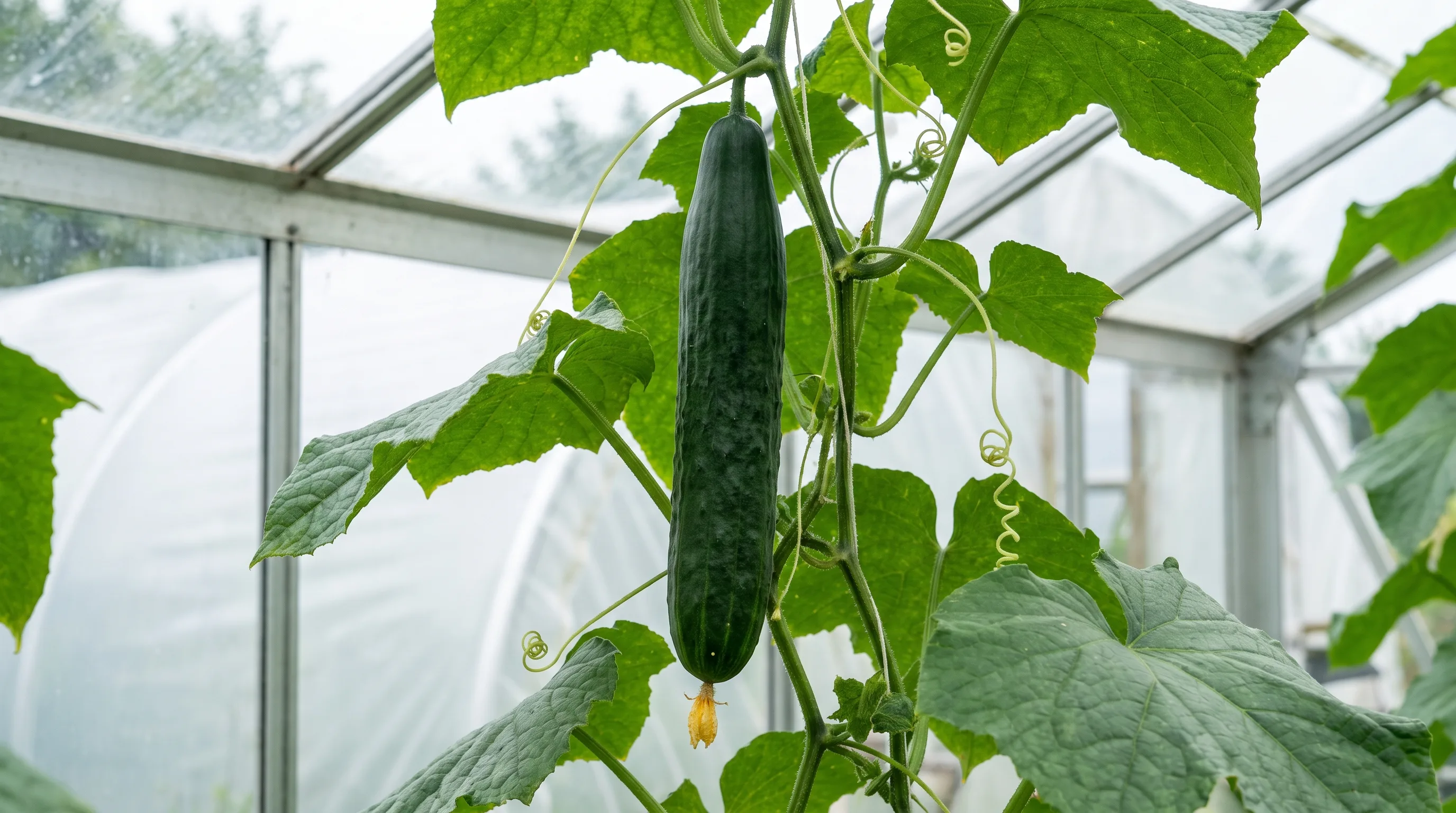
Sources & Further Reading
- Royal Horticultural Society: How to grow cucumbers
- BBC Gardeners' World: How to grow cucumbers
- Garden Organic: Growing advice
- Royal Horticultural Society: Glasshouse red spider mite
- Royal Horticultural Society: Powdery mildews
Plants in this guide
Recommended Products
GardenWizz earns a commission from qualifying purchases made through affiliate links on this page (including links within the article) — as an Amazon Associate, and from Thompson & Morgan via the Awin network. This does not affect the price you pay. See our disclaimer for details.
Related Articles
More → Growing Guide
How to grow ornamental grasses in pots
5 August 2026Grow ornamental grasses successfully in containers with advice on pot size, compost, watering, feeding, winter care and long-term maintenance.
 Growing Guide
How to plan a perennial border
5 August 2026Plan a balanced perennial border with practical guidance on position, colour, height, spacing, flowering succession and year-round structure.
 Growing Guide
How to take hardwood cuttings
29 July 2026Take hardwood cuttings from suitable dormant shrubs and climbers with this step-by-step guide to timing, preparation, rooting and aftercare.