
How to Grow Onions in the UK: Sets and Seed
Want a row of fat, sweet bulbs you can store until next spring? Plant onion sets in March or April and you’ll be lifting your own crop 20 weeks later — or start seed in January under cover for a…
At a Glance
| Sun | Full sun |
|---|---|
| Soil | Fertile, well-drained, pH 6.5-7.5 |
| Plant | February-March (sets) or March-April (seed) |
| Spacing | 10-15 cm apart in 25 cm rows |
| Hardiness | H5 — most UK gardens |
| Difficulty | Easy |
| Time to harvest | 20-40 weeks; harvest July-August |
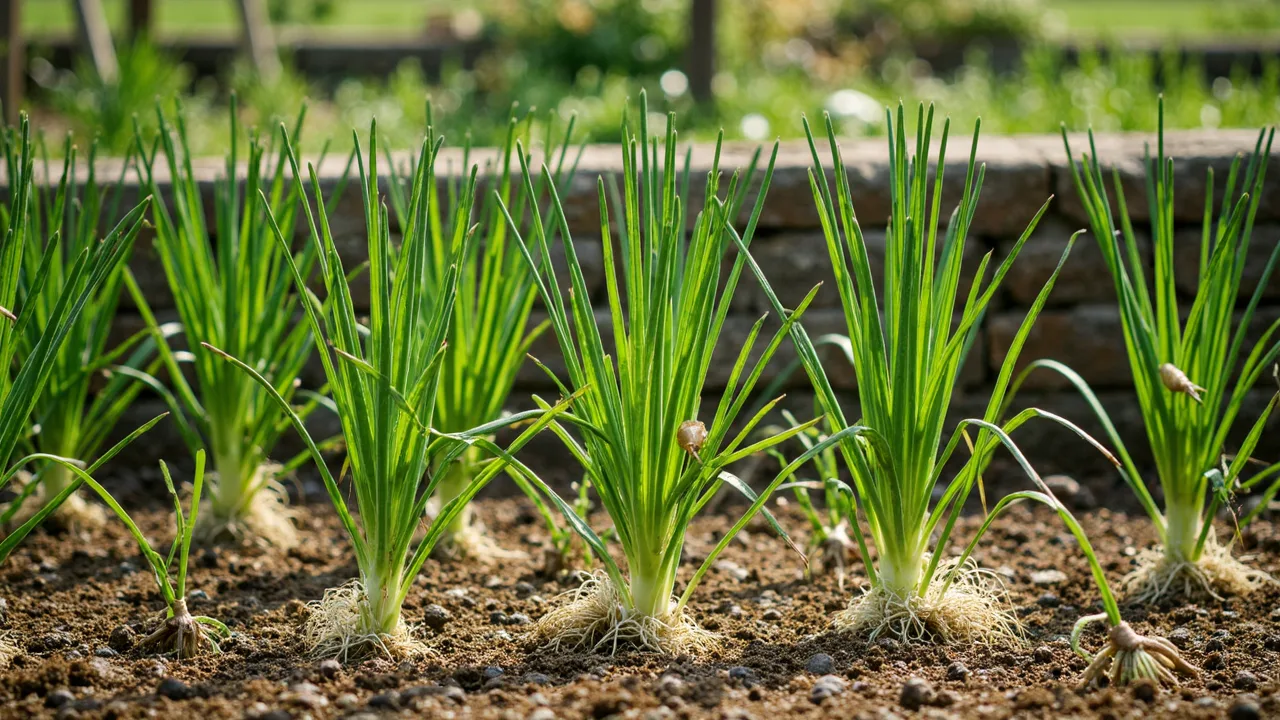
Want a row of fat, sweet bulbs you can store until next spring? Plant onion sets in March or April and you’ll be lifting your own crop 20 weeks later — or start seed in January under cover for a bigger, more varied harvest.
Overview
Onions (Allium cepa) are one of the easiest staple crops for UK vegetable gardens, and the single best vegetable for a first-time grower who wants a satisfying, storeable harvest. The choice is simple: buy sets (small, immature bulbs) for a quick, reliable crop, or sow seed for a wider choice of varieties and bigger bulbs at lower cost. This guide is for UK gardeners growing in open ground or raised beds, in any region from Cornwall to the Highlands, and covers both sets and seed from sowing through to a winter of home-grown onions in the kitchen.
When to Start in the UK
UK onion timing depends on whether you’re growing from sets or seed, and where you are in the country.
Sets (the easy option). Plant from mid-March to mid-April across most of England and Wales. In the North — Yorkshire, the North East, Cumbria, Scotland — wait until the soil has warmed to about 7°C, usually the first or second week of April. Sets will tolerate a touch of frost once planted, but a hard late frost on a freshly planted set can push it out of the ground.
Seed (for the bigger harvest). Sow indoors in modules under cover in January or February at about 15°C, then plant the seedlings out in April. In the South you can also direct-sow seed outdoors from late March once the soil is workable; in the North direct sowing is risky and most gardeners stick to modules. Most UK growers I’ve spoken to start seed in a heated propagator in the second or third week of January.
A soil thermometer is genuinely useful — 7°C is the magic number for sets, 10°C for reliable direct sowing. If you’re on heavy clay, wait an extra two weeks; cold, wet ground is the main reason onion sets rot before they root.
What You’ll Need
For sets: - A 1 kg bag of heat-treated sets (around 50–80 sets, enough for a 6 m row) - A rake and a dibber or old broom handle - Bird netting or fleece (about 2 m wide, 4 m long) - General-purpose organic fertiliser, such as blood, fish and bone - A watering can with a rose
For seed: - A seed tray or module tray (cell size about 3 cm) - Seed compost (sieved multipurpose is fine) - A heated propagator or a warm windowsill at 15–18°C - Labels and a pencil — onion seed looks identical to leek seed - A cold frame or fleece for hardening off
You’ll also want a hoe for weeding, a fork for lifting, and somewhere dry and airy for curing — a greenhouse bench, a shed, or a covered porch.
Step-by-Step Guide
-
Prepare the bed in late winter. Choose the sunniest spot you have. Onions hate competition, so dig out every perennial weed — bindweed and couch grass will swamp a crop faster than any pest. Fork in a bucket of well-rotted manure or garden compost per square metre two weeks before planting. Rake the bed to a fine, level tilth and firm it with the back of the rake so your sets don’t sink.
-
Mark out the rows. Space rows 30 cm apart with a string line. For sets you’re aiming for 10 cm between bulbs in the row for smaller varieties (Sturon, Shakespeare) and 15 cm for the big exhibition types.
-
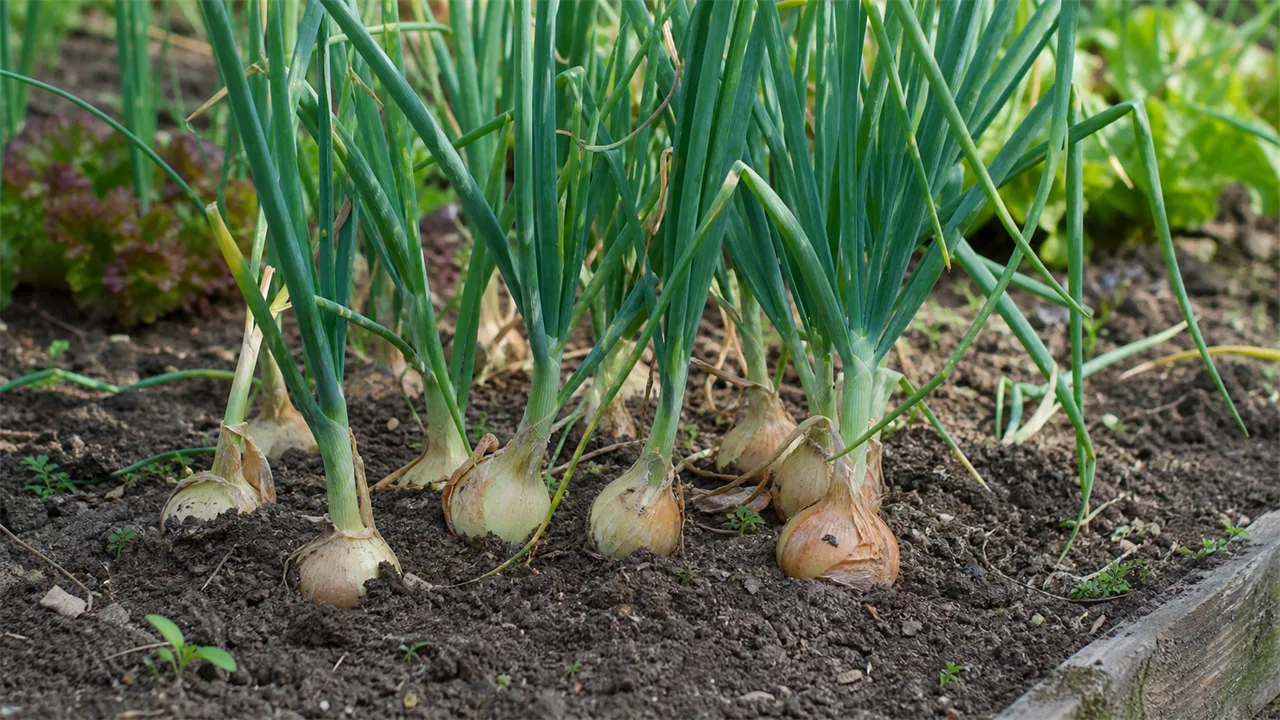
Plant the sets. Push each set into the soil, pointy end up, so the tip sits just below the surface — no more than 2 cm deep. The neck should be level with, or just proud of, the soil. If birds are a problem in your area, cover the bed with bird netting immediately; pigeons and blackbirds will pull fresh-planted sets out within hours.
-
Sow seed indoors (January–February). Fill a module tray with sieved seed compost, drop one seed per cell onto the surface, and cover with 5 mm of compost. Water from below, label clearly, and put the tray in a heated propagator at 15–18°C. Seedlings emerge in 10–14 days.
-
Harden off and plant out seedlings. From early April, move trays outdoors for a few hours longer each day over a week. Plant out when the seedlings are about 15 cm tall and pencil-thick, at the same 10–15 cm spacing.
-
Water and weed. Keep the bed weed-free — onion leaves cast very little shade, so weeds will romp away. Water during dry spells in May and June; stop watering once the bulbs are swelling in July.
-
Watch for bolting. If a plant sends up a thick flower stalk in early summer, snap it off at the base and use that onion first — it won’t store.
-
Stop feeding once bulbing starts. When the bases start to thicken in late June, stop applying any fertiliser. Nitrogen after this point delays maturity and shortens storage life.
-
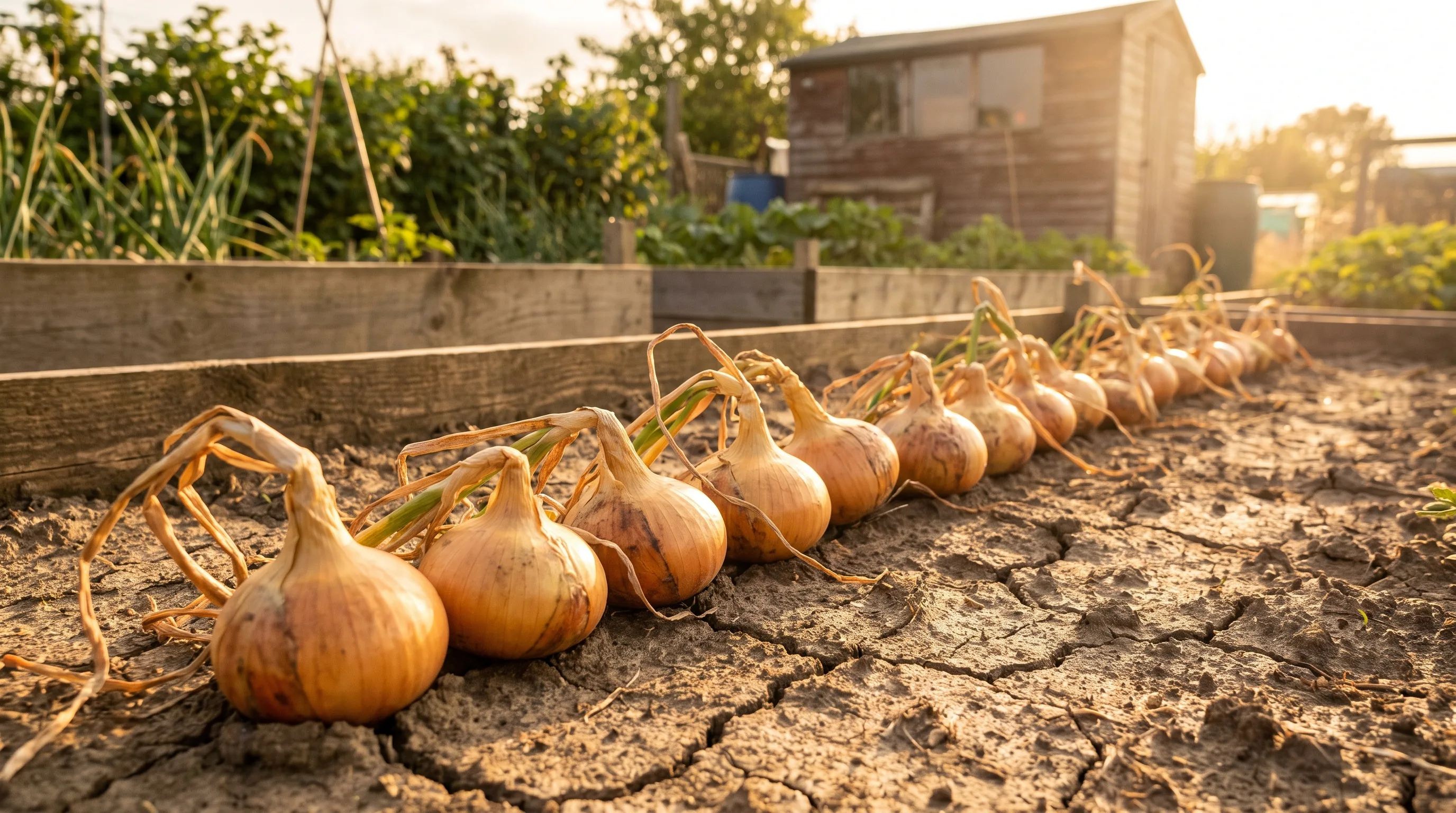
Lift at the right moment. In July, when around 60–70% of the foliage has naturally fallen over and turned yellow at the neck, the crop is ready. Don’t wait for every leaf to topple — late lift shortens storage life.
-
Dry and store. Spread the lifted bulbs on a sunny, dry surface — a greenhouse bench, a raised mesh frame, or a piece of old chicken wire on bricks — for two to three weeks until the necks are papery and the skins fully dry. Then either rope them, store in net bags, or trim the tops to 5 cm and keep somewhere cool, dry, and well-ventilated.
Common Problems
White rot
- Symptom: Yellowing, wilting foliage and a fluffy white mould at the bulb base, dotted with small black specks (sclerotia). Roots rot away.
- Cause: A persistent soil-borne fungus (Sclerotium cepivorum). It can survive in the ground for 8–15 years, and there’s no cure.
- Fix: Don’t plant any alliums — onions, leeks, garlic, shallots — on the infected bed for at least eight years. Buy sets and seed from reputable UK suppliers and check for clean white bases at planting. If your plot is newly infected, lift and burn every affected plant; do not compost.
Onion fly
- Symptom: Seedlings collapse and die in May or June. Older plants yellow, pull easily, and you’ll find small white maggots tunnelling into the bulb.
- Cause: The onion fly lays eggs at the base of plants in May and again in July. Maggots feed inside the bulbs, then pupate in the soil.
- Fix: Cover the whole bed with fine insect mesh from planting through to harvest. Pin the edges down — the fly is small. Rotate the onion bed around the plot each year.
Downy mildew
- Symptom: Pale, oval lesions on the leaves in damp weather, often with a fuzzy grey-purple growth on the underside. Tips of leaves die back.
- Cause: A fungal-like oomycete that thrives in cool, wet UK summers.
- Fix: Improve airflow with wider spacing, water in the morning rather than the evening, and remove badly infected plants. Choose resistant varieties such as ‘Santero’ F1 where downy mildew is a recurring problem.
Bolting
- Symptom: A thick, solid flower stalk shoots up from the centre of an otherwise healthy plant, usually in June.
- Cause: A check in growth — usually a cold snap after planting sets, or a sudden dry spell — tricks the plant into its second-year lifecycle.
- Fix: Snap the stalk off at the base and use that onion first. For next year’s crop, buy heat-treated sets (the hot-water treatment disrupts the flower trigger) and avoid planting into cold, wet ground.
Neck rot
- Symptom: Stored bulbs develop a grey, fuzzy mould at the neck, and the inner scales turn soft and brown.
- Cause: Usually enters through damaged or incompletely dried necks at harvest.
- Fix: Cure the crop thoroughly in the sun for at least two weeks before storage. Store only the firmest, driest bulbs in nets or ropes somewhere cool and well-ventilated.
Expert Tips
- A simple trick: Plant your sets through black plastic or weed-suppressing membrane if you struggle with annual weeds — it cuts hoeing time in half and warms the soil by a degree or two in spring.
- Choose heat-treated sets if you’ve had bolting in previous years. The difference in a cold UK spring can be the entire crop.
- Sow a pinch of seed every fortnight in February and March under cover. Succession sowing evens out the harvest and gives you spare plants to fill gaps left by the birds.
- Aim for a soil pH of 6.5–7.5. A cheap soil pH test kit from any garden centre pays for itself — acidic soil below pH 6 encourages white rot and reduces yield.
- Rotate your onion bed. Don’t grow onions, shallots, leeks, or garlic in the same bed two years running. A three-year rotation is the standard UK allotment advice.
FAQ
Can I grow onions in pots or growbags? Yes. Use a deep container — at least 25 cm — and plant sets 10 cm apart in multi-purpose compost with a handful of grit for drainage. Five or six sets in a 30 cm pot is plenty; water regularly and feed every fortnight with a general liquid fertiliser until bulbing starts.
When should I stop watering my onions? Stop once the bulbs have swollen to roughly golf-ball size in early to mid-July. From that point on, dry conditions encourage ripening and improve storage life.
Why are my onions flowering (bolting)? Usually a check in growth — a cold spell, drought, or planting too early into cold ground. Snap off the flower stalk at the base and use those bulbs first; they won’t store. Heat-treated sets and later planting reduce the risk next year.
How long do home-grown onions keep? Most UK varieties store for 3–6 months in a cool, dry, well-ventilated place. ‘Sturon’ and ‘Red Baron’ are the long-keepers — well-cured bulbs can last six months or more in a net bag in an unheated shed.
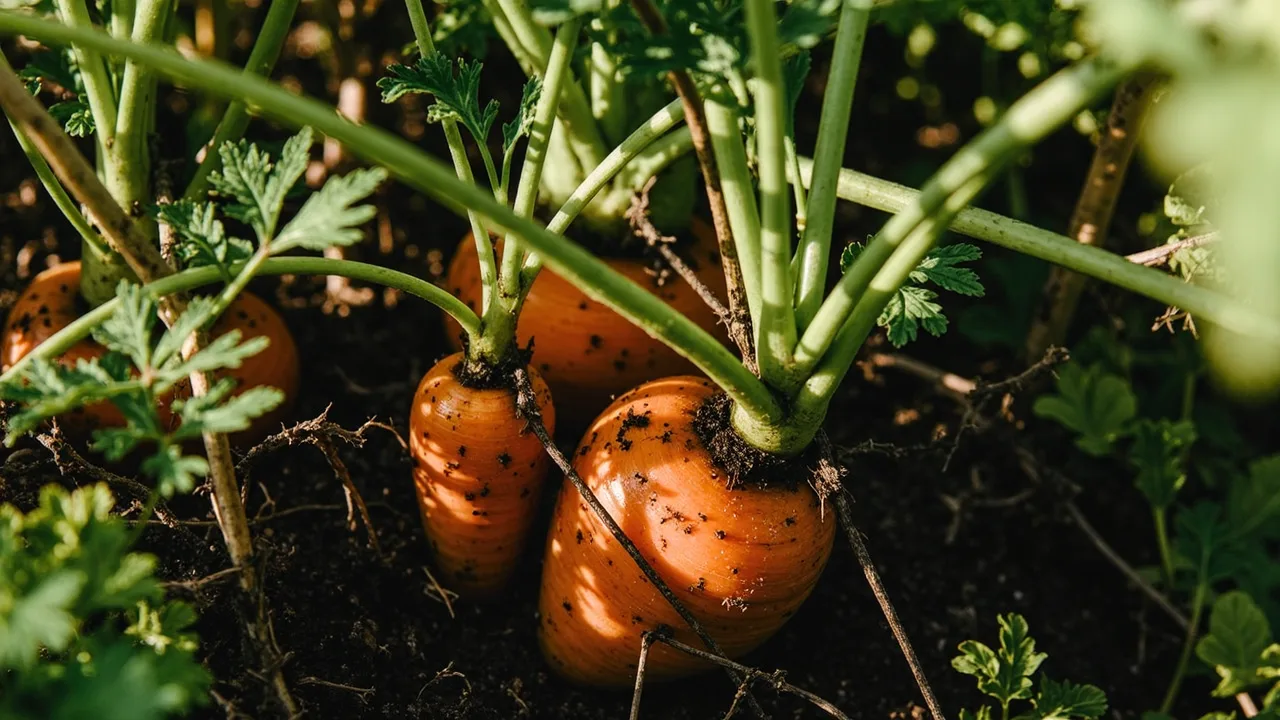
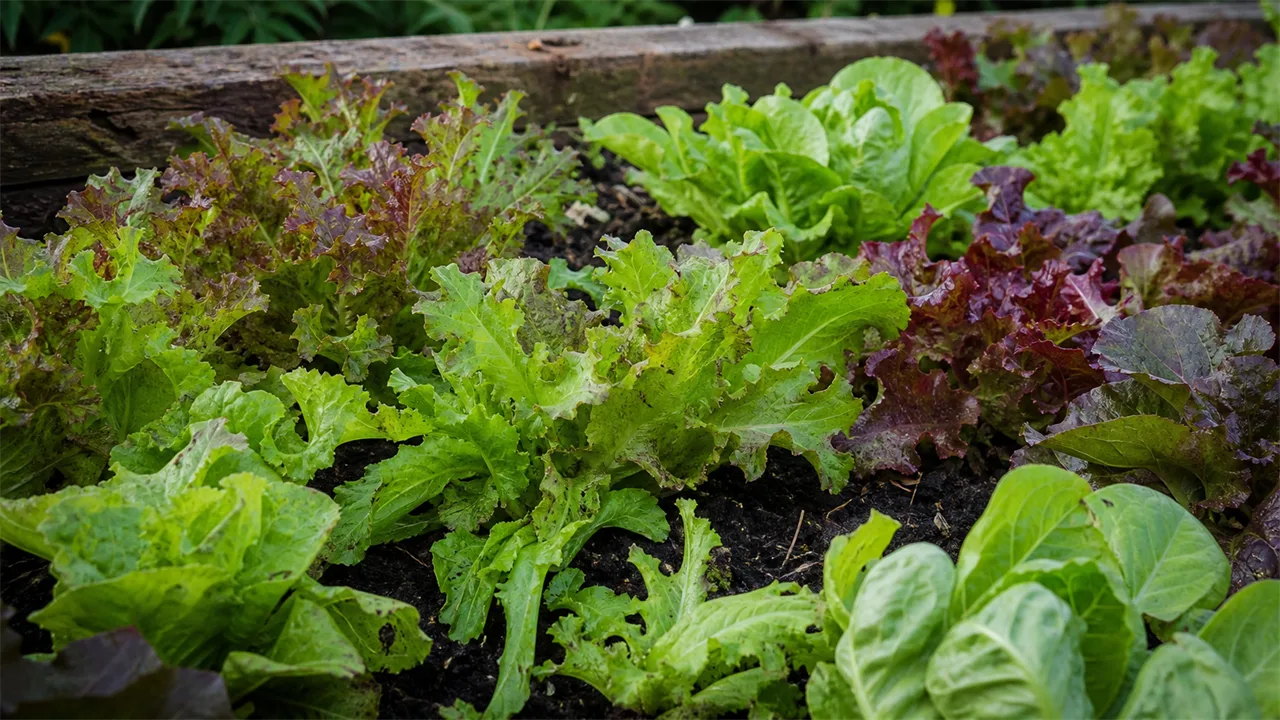
Companion planting — what works with onions? Carrots are the classic pairing, since onion fly and carrot fly confuse each other’s scent. Avoid planting near beans or peas; alliums are said to inhibit their nitrogen-fixing bacteria, though the effect is mild. Lettuce, beetroot, and strawberries all do well next to onions.
Varieties to Try
‘Sturon’ (sets, AGM) — The UK standard, a reliable round brown onion that stores for six months or more. Widely available from garden centres and online seed merchants in 250 g or 1 kg bags. Buy heat-treated sets.
‘Ailsa Craig’ (seed, AGM) — The classic UK exhibition and kitchen onion: large, mild, and sweet. Sow indoors in January, plant out in April. Available from Mr Fothergill’s, Kings Seeds, and Suttons.
‘Red Baron’ (sets, AGM) — The best red onion for UK conditions, with strong flavour and excellent storage. Plant March to April, lift in August. Widely sold as heat-treated sets.
‘Shakespeare’ (sets, AGM) — An early bulbing variety, mild and sweet, ready to lift a fortnight before most maincrops. A good choice for the North and for shorter UK seasons.
‘Bedfordshire Champion’ (seed, AGM) — A heritage variety (1880s) bred in the UK for our climate. Reliable, heavy-cropping, and still widely available from Kings Seeds and the Heritage Seed Library.
Sources & Further Reading
- Royal Horticultural Society — Allium cepa (onion) growing advice: https://www.rhs.org.uk/vegetables/onions/grow-your-own
- Garden Organic — Onion family growing guide: https://www.gardenorganic.org.uk/grow-onions-and-shallots
- Gardeners’ World — How to grow onions: https://www.gardenersworld.com/how-to/grow-plants/growing-onions/
- RHS — White rot of onion: https://www.rhs.org.uk/disease/onion-white-rot
- Garden Organic — Companion planting chart: https://www.gardenorganic.org.uk/companion-planting
- Allotment & Gardens — UK vegetable growing calendar: https://www.allotment-garden.org/vegetable-growing/onions-growing/
Plants in this guide
Recommended Products
GardenWizz earns a commission from qualifying purchases made through affiliate links on this page (including links within the article) — as an Amazon Associate, and from Thompson & Morgan via the Awin network. This does not affect the price you pay. See our disclaimer for details.
Related Articles
More →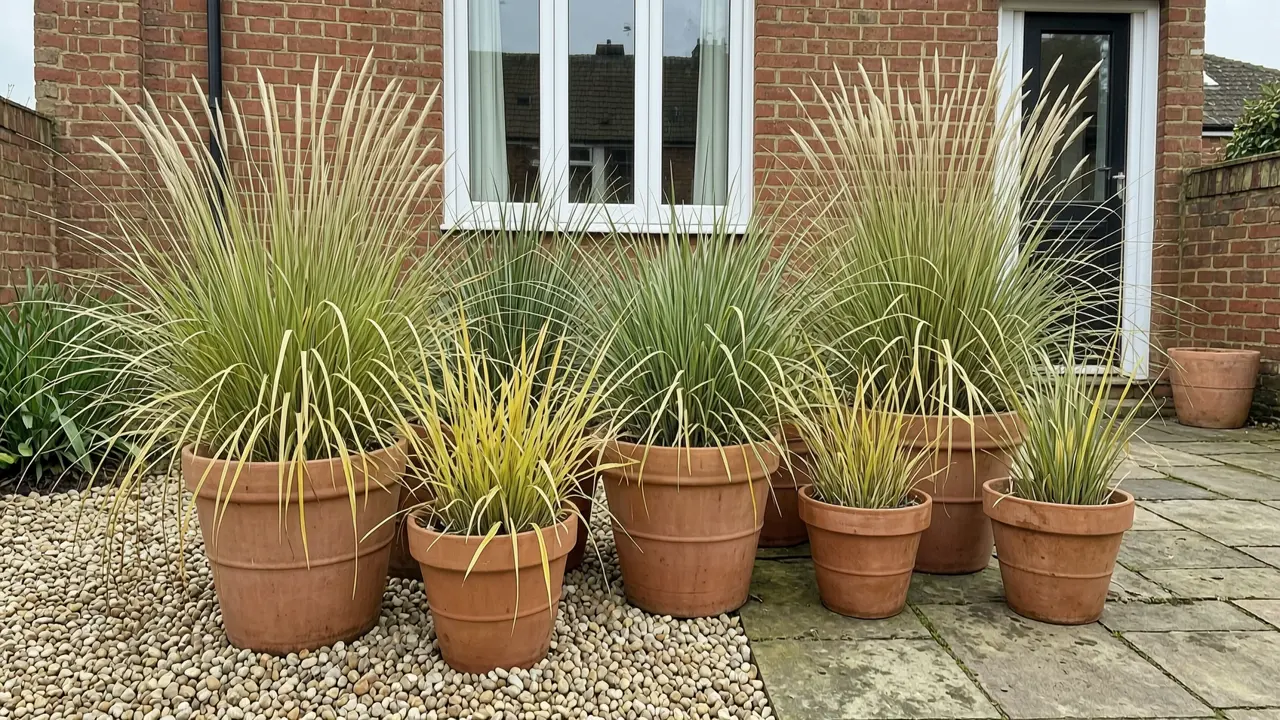 Growing Guide
How to grow ornamental grasses in pots
5 August 2026Grow ornamental grasses successfully in containers with advice on pot size, compost, watering, feeding, winter care and long-term maintenance.
 Growing Guide
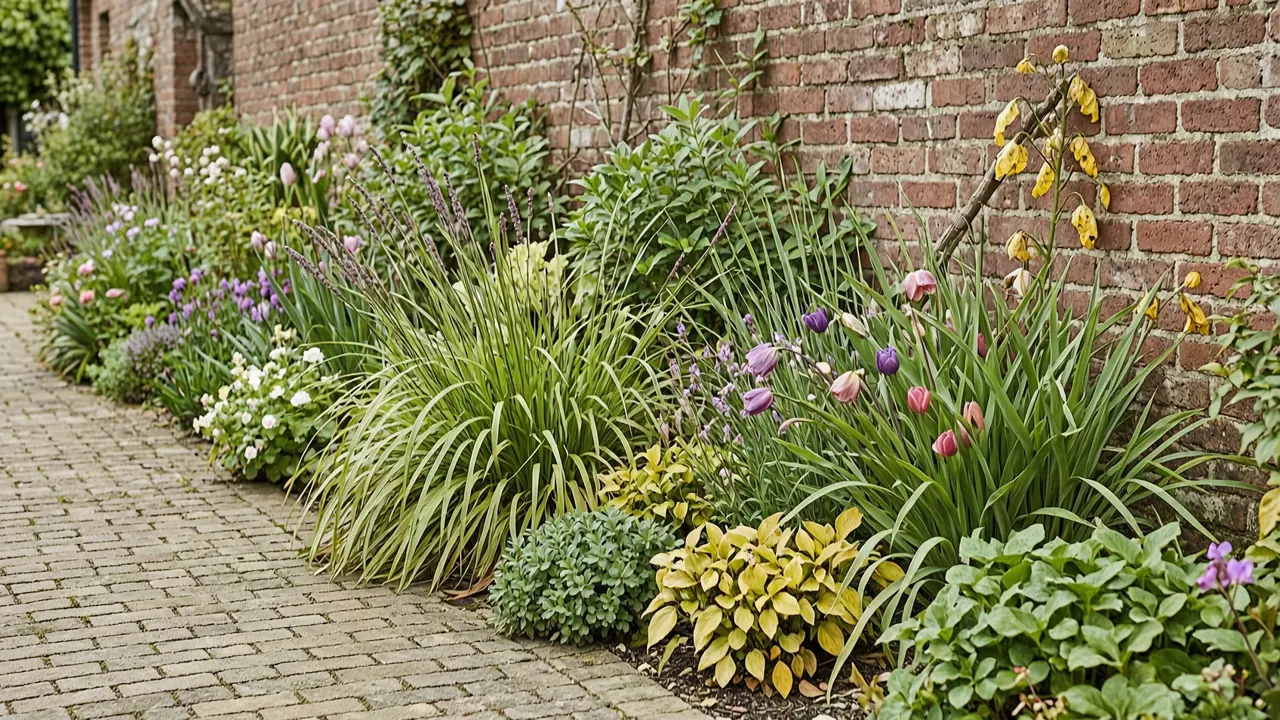
How to plan a perennial border
5 August 2026Plan a balanced perennial border with practical guidance on position, colour, height, spacing, flowering succession and year-round structure.
 Growing Guide
How to take hardwood cuttings
29 July 2026Take hardwood cuttings from suitable dormant shrubs and climbers with this step-by-step guide to timing, preparation, rooting and aftercare.