
How to Grow Dahlias: Tubers, Care and Cutting
Dahlias light up the UK garden from July through to the first frost — long after the roses have given up. If you've walked past a south-facing border in late August and thought "I want some of…
At a Glance
| Sun | Full sun (6+ hours) |
|---|---|
| Soil | Fertile, well-drained, pH 6.5-7.0 |
| Plant | Mid-May after last frost; pot up in March to start early |
| Spacing | 60-90 cm apart |
| Hardiness | H5 — tender perennial, lift tubers in most UK areas |
| Difficulty | Easy |
| Time to harvest | Flowers from July until first frost |
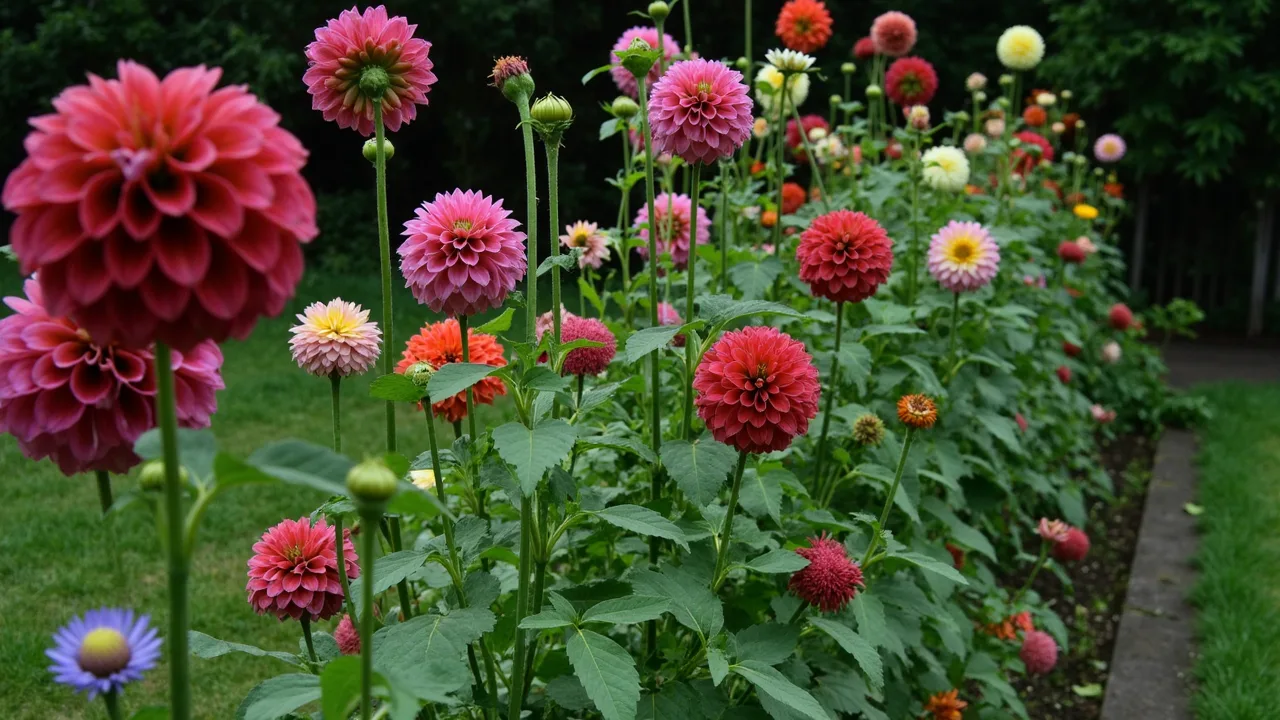
Dahlias light up the UK garden from July through to the first frost — long after the roses have given up. If you've walked past a south-facing border in late August and thought "I want some of those", this is the guide for you. In the UK you can grow them almost anywhere that gets decent sun; the trick is starting the tubers at the right time, feeding them through summer, and either lifting the tubers in autumn or mulching them heavily in mild spots.
Overview
In my experience, dahlias are the UK's late-summer showstopper — they keep flowering when everything else has packed up. They are tender perennials grown from swollen underground tubers. In the UK they flower their hearts out from midsummer until the first hard frost, then either sleep through winter under a thick mulch in mild spots or get lifted and stored dry for replanting the following spring. This guide covers the full UK cycle — starting tubers under cover in March, planting out after the last frost, summer feeding and staking, cutting for the house, and safely overwintering the tubers. It's aimed at UK home gardeners, from first-timers to growers who want to expand a cutting garden or fill a late-summer border.
Dahlias make a natural companion to other sun-loving late performers — see our guides to growing salvias in the UK and cosmos for cutting gardens for planting partners that flower at the same time.
When to Start in the UK
Timing is everything with dahlias. Start too early and the tubers rot in cold, wet compost; start too late and you'll be flowering in September instead of July.
- South UK (London, Home Counties, Midlands, South West, coastal south Wales) — start tubers in pots indoors in late March to early April; plant out in the third or fourth week of May once the risk of hard frost has passed.
- North UK (North England, Scotland, Northern Ireland) — start tubers in pots in mid-April; plant out in the first or second week of June. Most of Scotland waits until after the Glasgow Fair or similar local marker.
- Mild coastal spots (Channel Islands, coastal Cornwall, inner London) — you can plant out a week or two earlier and leave tubers in the ground over winter with a thick mulch.
- Soil temperature trigger — dahlia tubers won't grow in soil below about 10°C. If you're planting out without checking, wait until the third week of May as a safe default. A cheap soil thermometer takes the guesswork out.
I'd say most failures I see are from planting out too early. A late May frost will blacken the foliage and force the plant to regrow from the tuber — costing you three to four weeks of flowers for nothing.
What You'll Need
- Dahlia tubers — buy from a reputable UK supplier (see Sources). Order in January or February for the best choice. Tubers arrive as dried, finger-like swollen roots with a visible crown or eye.
- 2-litre pots — one per tuber, for starting under cover. Plastic or terracotta — both work.
- Multipurpose compost — peat-free if you can; John Innes No. 2 works well too.
- A cold frame, greenhouse, or frost-free porch — somewhere to start the tubers at about 10–15°C.
- Bone meal or slow-release fertiliser — for the planting hole.
- Hardwood stakes — 1.5 m, one per tall plant, plus a mallet.
- Soft garden twine — for tying in new growth every fortnight.
- Tomato feed (high-potash liquid fertiliser) — for weekly feeding from July.
- Bark mulch or garden compost — a 5–8 cm layer around the plants in late June.
- A clean bucket — for collecting cut flowers.
- For overwintering: a garden fork, wooden crate, dry compost or vermiculite, and a frost-free shed at 4–8°C.
Step-by-Step Guide
- Order tubers in January or February. The popular varieties — 'Cafe au Lait', 'Bishop of Llandaff', 'Arabian Night' — sell out fast. UK suppliers start shipping in February for immediate potting.
- Pot up tubers in late March or April. Fill a 2-litre pot with moist multipurpose compost. Lay the tuber on its side with the old stem (if any) or any visible eye pointing up. Cover with about 3 cm of compost. Water sparingly — too much at this stage rots the tuber.
- Keep them warm and lightly watered. A heated greenhouse set to 10–15°C is ideal; a frost-free porch works. Shoots should appear within 2–3 weeks. Once growth shows, water a little more freely.
- Pinch out the growing tip at 30 cm. When the plant has put on about 30 cm of growth and has at least three pairs of leaves, pinch out the central growing tip just above a leaf joint. This sounds brutal but it forces the plant to branch and you'll get many more flowers from a bushy plant than a single-stemmed one.
- Harden off for a week in mid-May. Move the pots outside during the day and back under cover at night for seven days before planting out. This avoids transplant shock.
- Plant out after the last frost. In the South, that's the third or fourth week of May. In the North, wait until early June. Dig a hole about 15 cm deep, add a handful of bone meal, set the tuber horizontally with the stem pointing up, and backfill.
- Stake at planting time. For any variety that will reach over 90 cm, drive a 1.5 m hardwood stake in next to the tuber before you backfill. Putting it in later risks spearing the tuber. Space plants 60–90 cm apart depending on eventual size.
- Mulch in late June. Once the soil has warmed up, lay 5–8 cm of bark or garden compost around each plant. This locks moisture in and keeps the tubers cool.
- Water deeply two to three times a week from July. A mature dahlia in full flower can drink 5 litres a day in a July heatwave. A daily sprinkle wets only the surface and encourages shallow roots — worse than useless.
- Feed weekly with tomato feed from July until early September. High-potash feeds drive flower production. Avoid high-nitrogen lawn feed, which gives leaves at the expense of buds.
- Deadhead regularly. Cut spent blooms back to the next leaf joint, not just the head. A well-deadheaded dahlia will keep flowering for twelve weeks or more.
- Lift tubers after the first frost, or mulch in mild gardens. See the overwintering section below for the full method.
Common Problems
I run a busy cutting garden and over the years I've dealt with all of these. The five below are the ones that trip UK growers up most often — in roughly the order you'll meet them through the season.
Earwigs
- Symptom: Ragged holes in the petals of open flowers; you may also see earwigs sheltering in the same flowers during the day.
- Cause: Earwigs are nocturnal and love the dense petals of dahlia blooms. Populations peak in late summer.
- Fix: Trap them with upturned 9 cm pots stuffed with dry straw, balanced on top of the canes among the foliage. Empty the pots every few days into a bucket of soapy water or release well away from the dahlias.
Slugs on new growth
- Symptom: Young shoots in May are chewed off at the base or stripped of leaves overnight.
- Cause: Slugs and snails find new dahlia growth irresistible, especially in damp spring weather.
- Fix: Apply your preferred control from the moment shoots emerge — nematodes (biological, applied in moist soil), ferric phosphate pellets, or hand-picking at night with a torch. Many gardeners I've spoken to swear by a 5 cm ring of coarse bark around each plant as a physical barrier.
Capsid bug
- Symptom: Distorted, tattered leaves with small holes and reddish-brown patches in May and June.
- Cause: Capsid bugs feed on young foliage, leaving the characteristic misshapen growth.
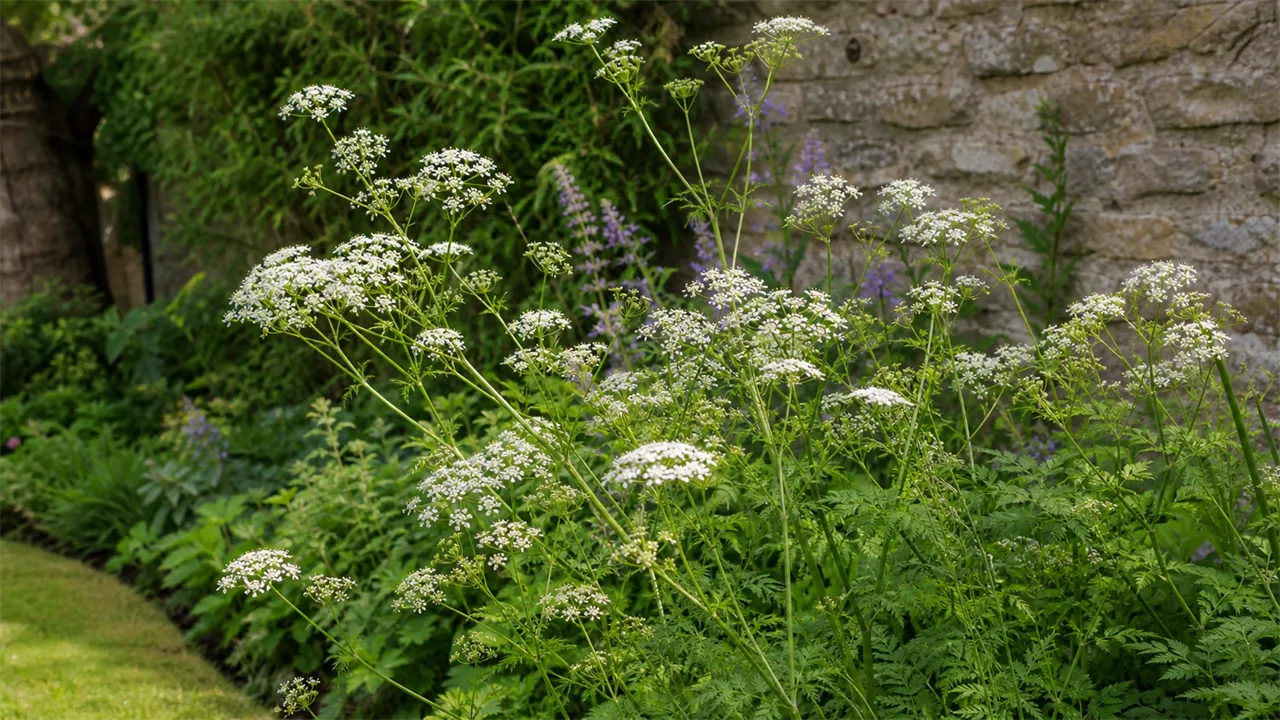
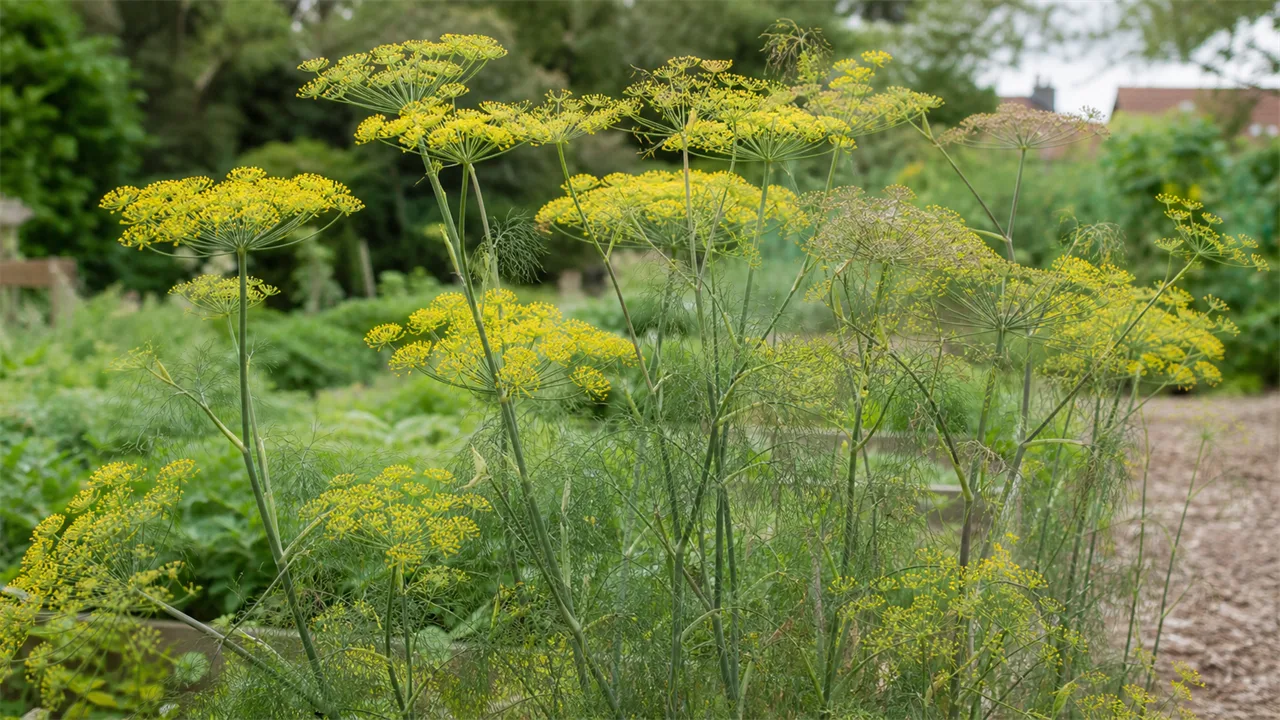
- Fix: I'd spray with a suitable insecticide in late May or early June at the first sign of damage; encourage birds and predatory insects by leaving some umbellifers like cow parsley and fennel flowering nearby. Many gardeners find that the damage is cosmetic and a second flush of leaves in July quickly covers it.
Powdery mildew
- Symptom: White powdery coating on leaves in late summer, usually starting on the lower leaves.
- Cause: Hot, dry days followed by cool, damp nights — the classic late-summer UK weather pattern.
- Fix: Improve air circulation by spacing plants properly, water at the base rather than over the foliage, and remove the worst affected leaves. A sulphur-based fungicide or a milk-and-water spray (1:9) helps in bad outbreaks.
No flowers by August
- Symptom: Lush green plant with plenty of leaves but few or no buds by mid-August.
- Cause: Usually under-watering, under-feeding, or too little sun. A dahlia in less than six hours of direct sun will produce leaves but few flowers.
- Fix: If you've struggled with a flowerless dahlia in late summer, move to a sunnier spot next year if possible; for this season, increase watering and start the weekly tomato feed immediately. Cut the plant back by a third to shock it into flowering.
Expert Tips
- A useful trick for cuttings: plunge the bottom 3 cm of the cut stems into just-boiled water for 30 seconds, then transfer to a cool vase. The brief heat seals the hollow stem and extends vase life by 2–3 days. Most dahlias last 4–5 days in a vase with this method.
- Cut deep, not just the outer stems. When cutting for the house, reach right into the plant and take long stems from low down. This encourages the plant to send up new flowering shoots from the base — you'll get a second flush of blooms within three weeks.
- Most gardeners don't stake early enough. Put the stake in at planting time, every time. A stake driven through a tuber is heartbreaking, but a flopping dahlia in August is worse.
- Leave one head per plant unpicked. If you want to save seed for breeding (most named dahlias won't come true, but you might get something interesting), leave the last flowers of the season on the plant until they go brown.
- In mild gardens, mulch in situ. In London, coastal south-west, and the Channel Islands, a 15 cm mulch of bark or compost over the dormant tubers in late November will get most varieties through most winters — saving you the lifting and storing work entirely.
FAQ
Can I grow dahlias in pots? Yes. Use a 30–40 cm diameter container per tuber, multipurpose compost with added John Innes for weight, and stake from planting. Water daily in summer; feed weekly. Patio dahlias like the Gallery and Impression series stay compact and need no staking.
When should I plant dahlia tubers in the UK? Plant out after the last frost — mid-May in the South, early June in the North. For earlier flowers, start the tubers in pots indoors from late March. Check our UK frost dates by region for your local timing.
Do dahlias come back every year? They are perennial, but the tubers will not reliably survive a UK winter in the ground in most areas. Either lift and store the tubers indoors, or mulch heavily (15 cm of bark or compost) in mild gardens. Our overwintering tender perennials guide covers the full technique.
Why are my dahlia leaves yellowing in July? Usually under-watering, under-feeding, or waterlogged soil. Check the soil 10 cm down — if it's dry, water more; if it's soggy, improve drainage or lift and replant in a better spot. Yellowing can also indicate spider mite in hot, dry summers.
How long do cut dahlias last in a vase? With the hot-water sealing trick, expect 4–5 days for most varieties; pompon and ball types last a day or two longer. Change the vase water every two days — dahlias are very sensitive to bacteria. See our cut flower care guide for more on conditioning.
What can I plant with dahlias? Try late-flowering partners like salvias, cosmos, rudbeckia and penstemon. All like the same sun, moisture and feeding regime, and flower at the same time as dahlias.
Varieties to Try
- 'Bishop of Llandaff' — Peony-flowered, dark bronze foliage, bright red semi-double flowers. The classic UK dahlia; holds an RHS Award of Garden Merit. Easy to find at Crocus, Sarah Raven, and most garden centres. Reaches about 1 m.
- 'Cafe au Lait' — Decorative dinner-plate dahlia in cream flushed with dusty pink. The Instagram favourite and a showstopper in arrangements. Needs strong staking. Widely available from rosebie-tomato, Hare Spring Cottage Plants, and most dahlia specialists.
- 'Arabian Night' — Decorative type with deep burgundy-red blooms that look almost black in shade. About 1.2 m tall; strong stems good for cutting. Available from all major UK dahlia suppliers.
- 'David Howard' — Decorative dahlia in glowing orange with bronze foliage. AGM winner. About 1 m tall; very reliable. Stocked by most garden centres and widely available online.
- 'Totally Tangerine' — Anemone-flowered with a ruffled orange centre surrounded by a single ring of coral petals. Brilliant for pollinators. About 80 cm tall. Available from Rose Cottage Plants, Pheasant Acre Plants, and similar specialists.
- 'Roxy' — Single magenta flowers above dark bronze foliage. Compact, about 60 cm; excellent in containers. Available from Sarah Raven and most patio-plant ranges.
- 'Happy Single Date' — Single orange-red flowers, dark foliage, compact habit. About 60 cm. The Happy Single series is widely sold in UK garden centres.
Sources & Further Reading
Most of what I know about dahlias I learned from the Royal Horticultural Society and the National Dahlia Society — between them they cover every UK angle, from planting technique to the formal classification system. The links below are the ones I check most often.
- Royal Horticultural Society — Dahlia growing guide
- Gardeners' World — How to grow dahlias
- Garden Organic — for organic pest and disease control in the UK
- BBC Gardeners' World Magazine — Dahlia care
- Sarah Raven — Dahlia growing tips
- The National Dahlia Society (UK) — Classification guide
Plants in this guide
Recommended Products
GardenWizz earns a commission from qualifying purchases made through affiliate links on this page (including links within the article) — as an Amazon Associate, and from Thompson & Morgan via the Awin network. This does not affect the price you pay. See our disclaimer for details.
Related Articles
More →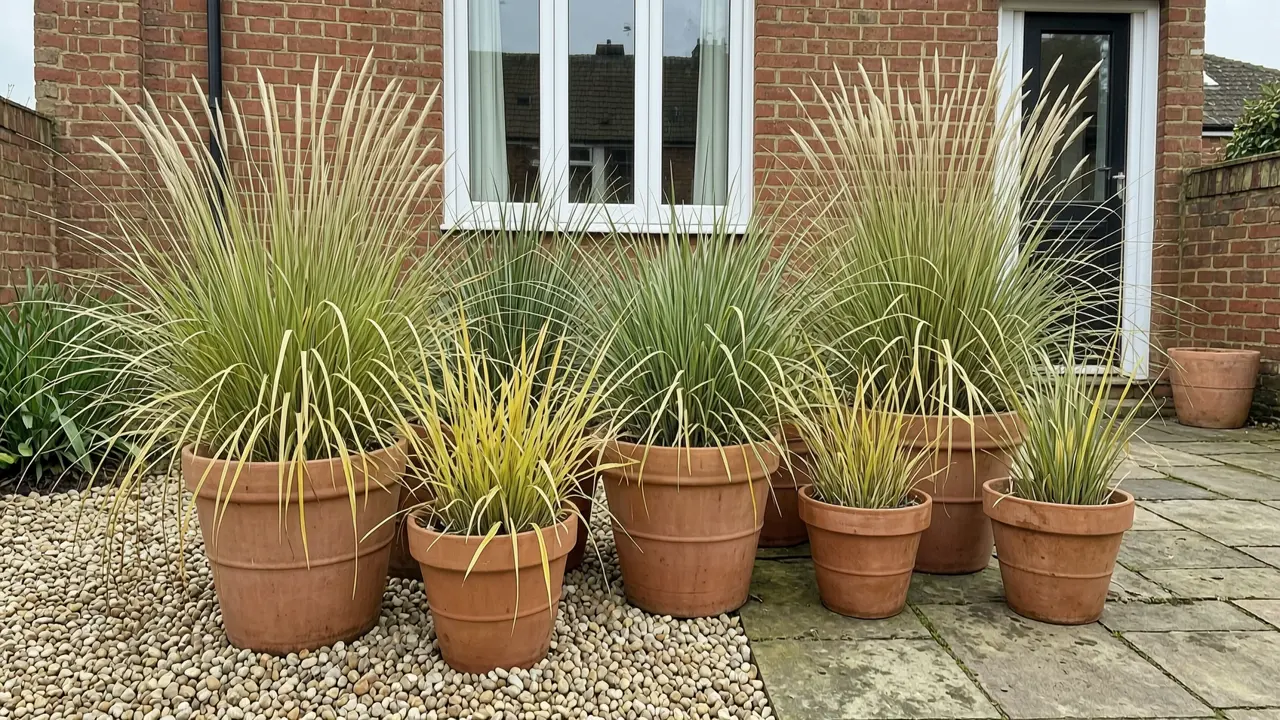 Growing Guide
How to grow ornamental grasses in pots
5 August 2026Grow ornamental grasses successfully in containers with advice on pot size, compost, watering, feeding, winter care and long-term maintenance.
 Growing Guide
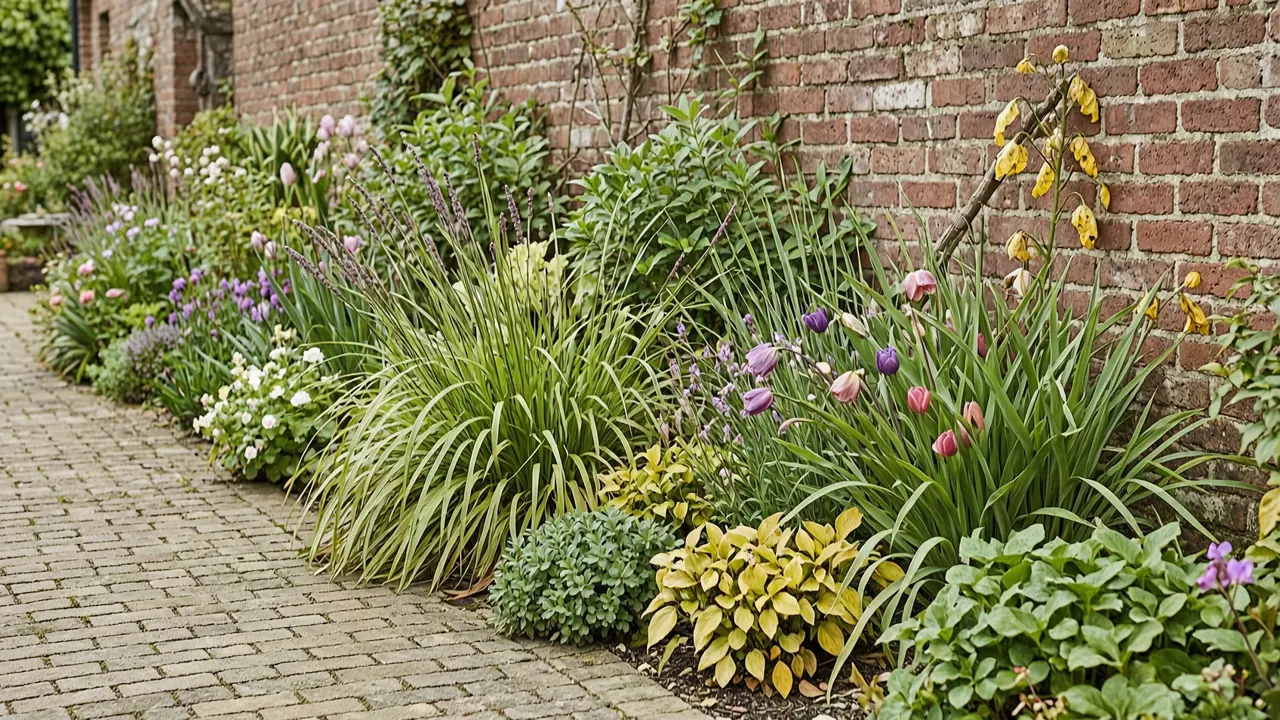
How to plan a perennial border
5 August 2026Plan a balanced perennial border with practical guidance on position, colour, height, spacing, flowering succession and year-round structure.
 Growing Guide
How to take hardwood cuttings
29 July 2026Take hardwood cuttings from suitable dormant shrubs and climbers with this step-by-step guide to timing, preparation, rooting and aftercare.