
Winter Garden Preparation
A bit of work between late October and early December saves a lot of heartache come February. Plants that arrive at spring in good condition are the ones that were protected, fed and tidied the right…
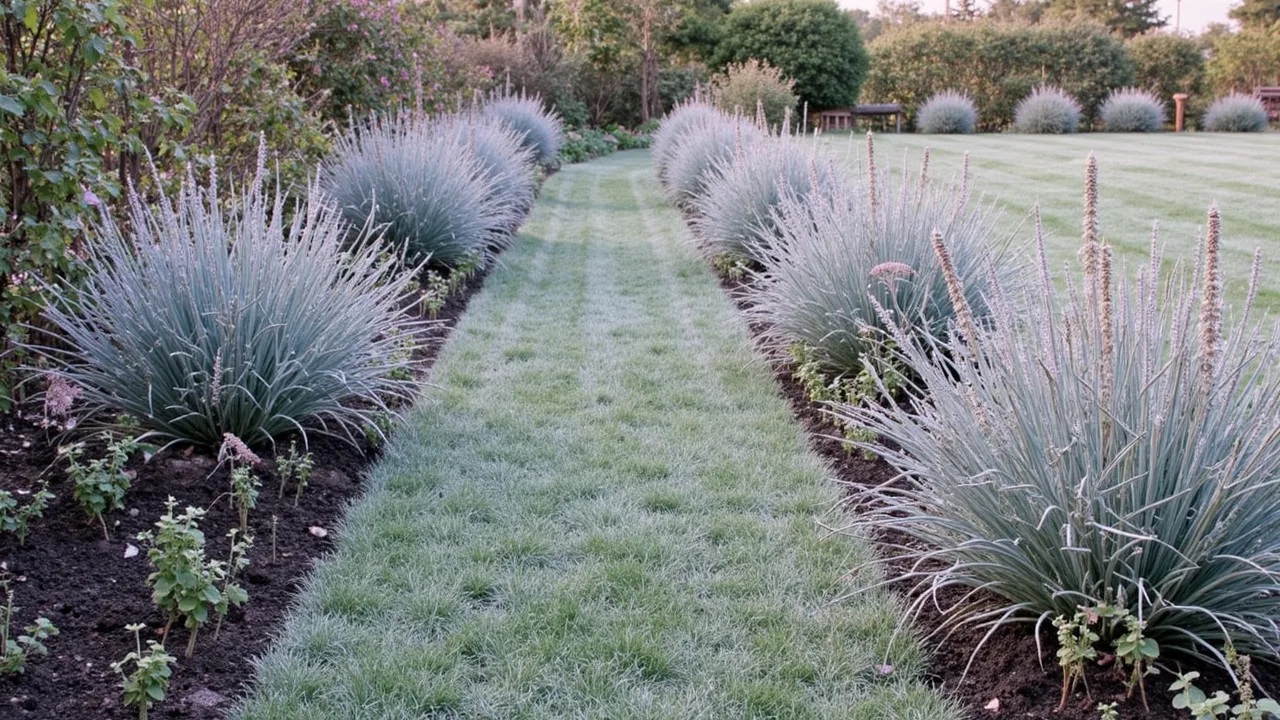
A bit of work between late October and early December saves a lot of heartache come February. Plants that arrive at spring in good condition are the ones that were protected, fed and tidied the right way the previous autumn — not the ones that were left to "tough it out". This guide walks through what to do, in what order, and on which weeks across a typical UK autumn and early winter.
Why it matters — and when to do it
Winter in the UK is rarely catastrophic, but it is a long, wet, dark stretch. Soil stays cold, growth slows to a crawl, and evergreens lose water through their leaves whenever the ground is not frozen. Plants that go into that period water-stressed, hungry, crowded or sitting in waterlogged soil are the ones that fail — borderline hardy shrubs die back, roses sulk, herbaceous crowns rot, and containers crack.
The window for getting ahead of it is roughly mid-October through to early December, with the busiest two weeks being late October to mid-November. In the south you can stretch this; in the north, in Scotland, and on exposed sites in Wales and the Pennines, knock two to three weeks off the back end and aim to be finished by the end of November.
Two triggers tell you it is time to start:
- Air temperatures regularly dropping below 7–10 °C at night.
- The first sustained ground frost (anything below −2 °C for more than a couple of hours).
Once either happens, leave it another week and you are reacting rather than preparing.
What you'll need
- A pair of clean, sharp secateurs and loppers (wipe blades with methylated spirit between plants to avoid spreading disease).
- A border fork and a spade.
- A soil sieve or coarse garden riddle.
- Garden twine and a roll of horticultural fleece (around 30 gsm is the standard weight — thick enough to lift the temperature under the cover by 2–3 °C).
- A bag of loam-based compost such as John Innes No. 3, or well-rotted farmyard manure (at least 6 months old).
- Slow-release fertiliser, e.g. blood, fish and bone, or a granular rose-and-shrub feed.
- For containers: bubble wrap, hessian, or purpose-made pot jackets.
- A watering can with a rose, plus a few 10-litre buckets of water in the shed (you will want unfrozen water in a hard frost).
- Bonemeal for autumn planting, and a bag of grit for drainage.
Step-by-step: the order that works
1. Tidy, but do not over-tidy
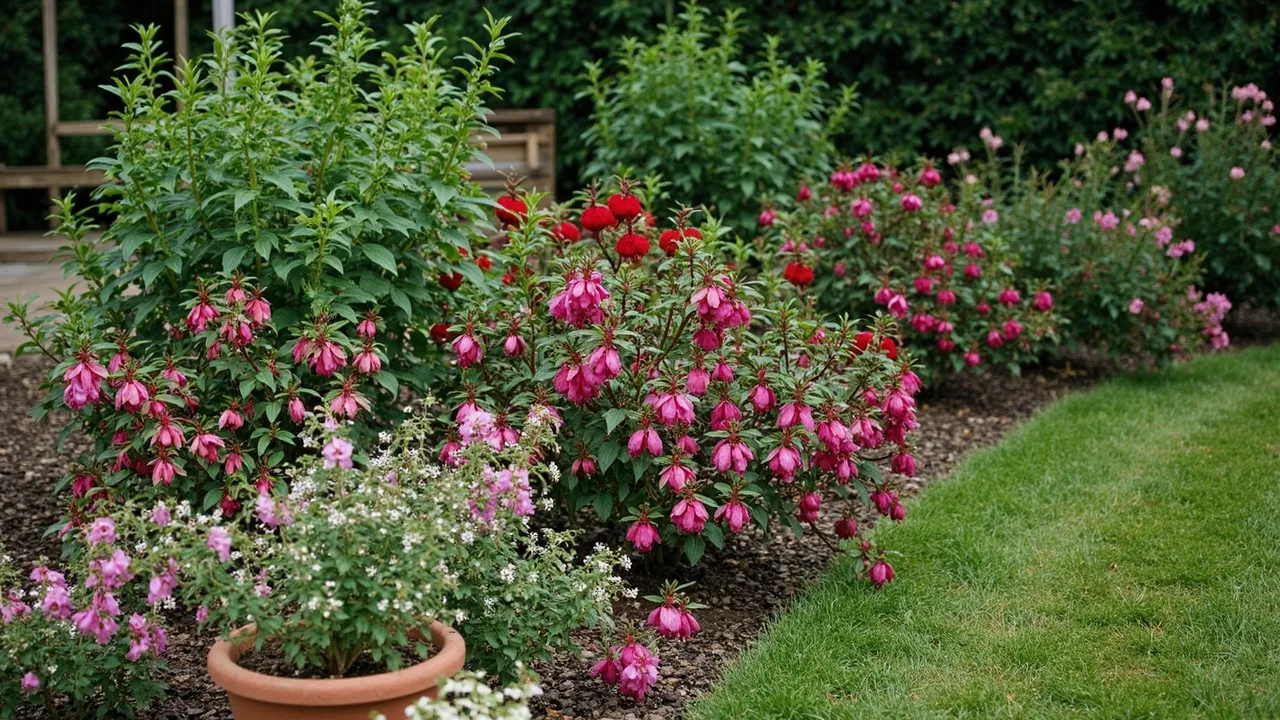
Cut back herbaceous perennials that have collapsed or gone black — hostas, peonies, geraniums, delphiniums. Leave upright seed heads: astilbes, echinacea, sedums, teasels and ornamental grasses look good through frost and feed goldfinches. Do not cut penstemons, hardy fuchsias or salvias hard until spring; take them down to 10–15 cm of old stem and mulch over the crown.
Rake up fallen leaves from lawns, borders and paths every couple of weeks. Black spot spores overwinter on infected rose leaves, so rose leaves go in the bin, not the compost.
2. Sort out the soil
Autumn is the moment to dig heavy clay borders. A single fork-throw over to roughly one spade's depth, leaving the clods rough, lets frost break them down over winter — a much better job than the back-breaking fine tilth you would otherwise need in spring.
Work a 5–7 cm layer of well-rotted manure or garden compost into the top 15–20 cm of empty vegetable beds. For mulching established borders, a thinner 3–5 cm layer is enough; anything thicker smothers the soil and stays wet.
3. Plant with time to root
Bare-root roses, fruit bushes, hedging and trees establish far better planted in autumn than in spring, as long as you get them in six weeks before the ground is likely to freeze solid. In most of England that means the end of November is your real cutoff; in Scotland, mid-November.
Soak the roots in a bucket of water for an hour before planting. Dig the hole wider than the root spread, tease out congested roots, backfill with the original soil plus a handful of bonemeal, water in well, and firm with your heel.
4. Lift, divide and store tender plants
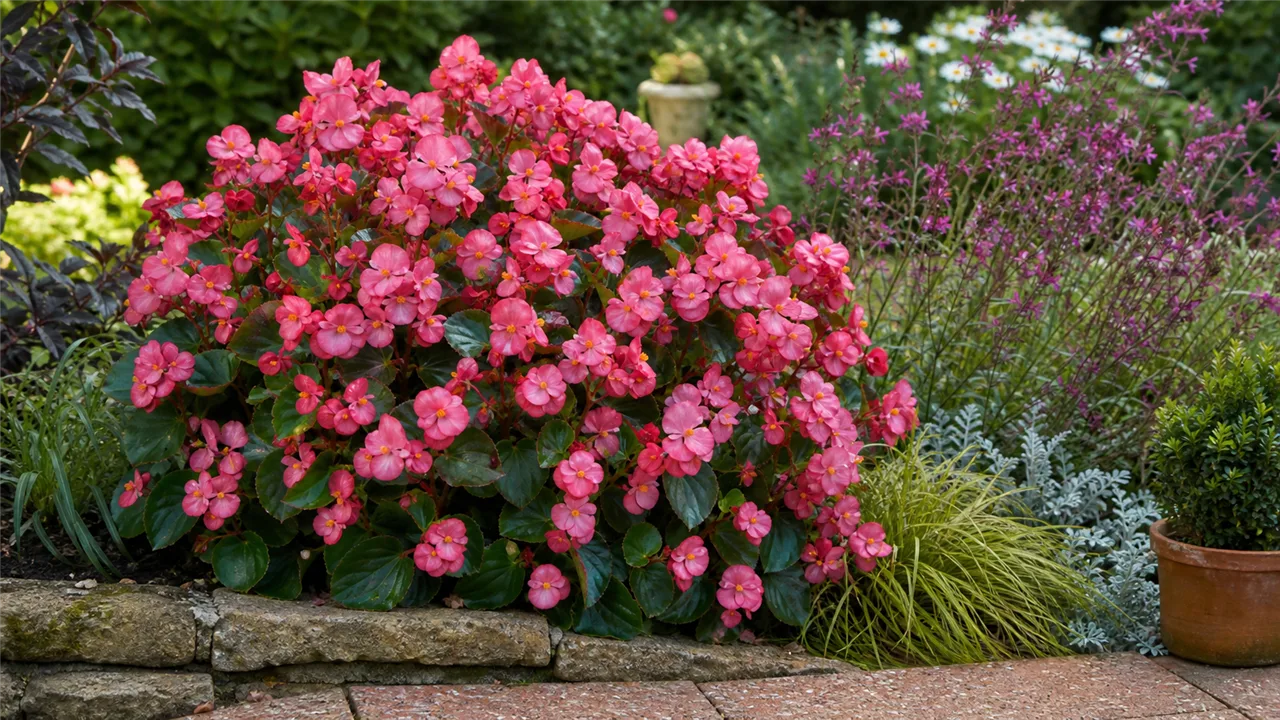
Dahlias: cut stems to 10 cm after the first blackening frost, lift the tubers, shake off loose soil, and store upside down for a week in a frost-free shed to dry. Then pack in dry compost in a cardboard box, labelled, somewhere cool but frost-free.
Gladioli, cannas and begonias follow the same pattern. Pelargoniums from pots can be cut back by a third and brought into a light, cool room at 5–10 °C for the winter, watering only once a month.
5. Protect borderline-hardy plants
- Tree ferns and bananas: bundle the fronds upright with twine, stuff the crown with straw, and drape fleece over the top.
- Cordyline and Phormium: tie the leaves in a loose cone so rain runs off the crown, then wrap the body in fleece.
- Olive, bay and other Mediterranean evergreens in pots: move them against a south- or west-facing wall, raise pots on pot feet, and wrap the pot in bubble wrap — not the foliage, just the container, to stop the roots freezing solid.
- Salvias and penstemons: mulch the crown with 5–10 cm of bark or straw after cutting back.
6. Containers, tap and tools
Terracotta and glazed ceramic pots crack when wet compost freezes and expands. Either move them to a sheltered spot against the house, or wrap the pot itself in hessian or bubble wrap. Lift pots off the ground with pot feet or bricks so the drainage holes do not stand in water.
Drain taps and standpipes, lag outdoor pipes, and put a ball in the water butt to keep a hole in any ice.
Clean, sharpen and oil tools. Rub linseed oil into wooden handles. Run the mower dry before storing — old fuel varnish is the main cause of spring breakdowns.
7. Feed the soil, not the plant
Stop using high-nitrogen feeds on roses, shrubs and perennials from late August onwards; the soft growth they push will be cut to ribbons by the first frost. Switch to a high-potash feed (rose and shrub, or tomato feed) until mid-October, then stop entirely. Lawns get an autumn feed high in potassium and iron in October; this greens them up without forcing soft growth.
Common mistakes
- Mulching too early. Putting a thick blanket on warm, wet soil traps moisture and can rot crowns. Wait until after the first real cold snap.
- Fleece touching foliage. Fleece only insulates if it does not touch the leaf. Build a simple frame of canes or a wire hoop so the cover sits 5–10 cm clear of the plant.
- Leaving evergreens unwatered. An evergreen in a pot in October can dry out in a week of wind, even with cold nights. Check pots and the dripline of newly planted evergreens every 7–10 days.
- Pruning too hard, too late. A heavy October prune on roses, wisteria or fruit trees stimulates growth that the frost will blacken. Save those cuts for January to March.
- Bark vs compost confusion. Bark is for weed suppression and looks tidy; compost feeds the soil. If a border is hungry, manure or compost first, then a thin bark layer on top.
Troubleshooting
- Yellowing leaves on camellias and rhododendrons in February–March. Usually winter drought, not disease. Soak the rootball with a slow-dripping hose for an hour or two during a dry, frost-free spell.
- Box hedging going bronze. Normal in cold weather; it greens up in spring. Only worry if whole branches die back — that is box blight and needs cutting out below the infection.
- Lawn full of worm casts in November. Don't roll them. Knock them flat with a besom once they are dry and they will disappear.
- Container that has frozen solid. Don't try to thaw it with hot water. Move it to an unheated shed or garage for 24 hours and let it defrost on its own.
A simple two-week plan
If you only have limited time, the highest-impact jobs in order are: clear fallen leaves from lawns and roses; lift dahlias and tender bulbs; mulch established borders thinly after the first frost; wrap borderline-hardy plants; and, finally, plant bare-root stock while the soil is still workable.
Plants in this guide


Recommended Products
GardenWizz earns a commission from qualifying purchases made through affiliate links on this page (including links within the article) — as an Amazon Associate, and from Thompson & Morgan via the Awin network. This does not affect the price you pay. See our disclaimer for details.
Related Articles
More → Seasonal Care
Gardening Jobs for September
21 July 2026This month demands focused action to ensure your garden thrives through the seasons, capitalising on the UK’s lingering autumnal conditions.
 Seasonal Care
Gardening Jobs for August
21 July 2026This guide gives you the precise tasks to keep your garden thriving through the dog days, grounded in established RHS and UK horticultural practice.
 Seasonal Care
Gardening Jobs for December in the UK
19 June 2026December in the UK brings shorter days, crisp air, and the quiet rhythm of the dormant season. While the garden may seem asleep, there’s vital work to do to protect your plants, prepare for spring,…