
Improving Heavy Clay Soil
Heavy clay soil frustrates most UK gardeners at some point. It drains slowly, bakes hard in summer, turns to a sticky mess in winter, and resists digging when you most need to. Left alone, it caps…
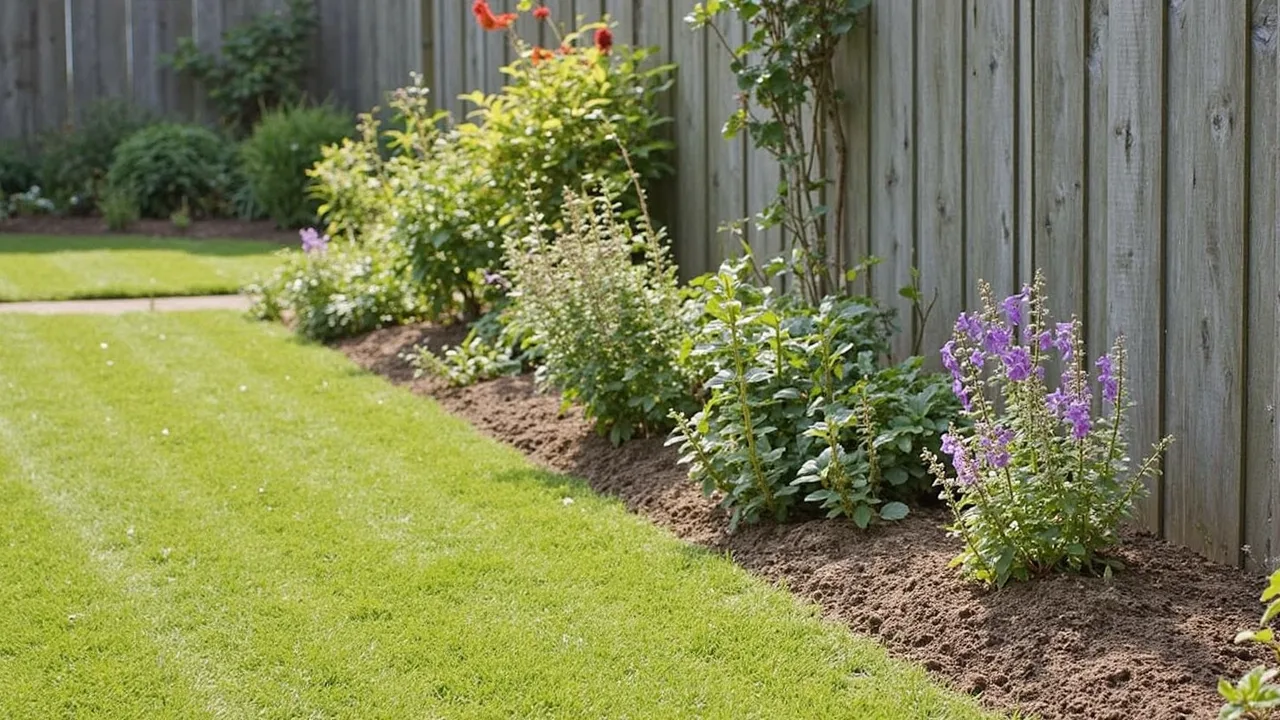
Improving Heavy Clay Soil: A Practical UK Guide
Heavy clay soil frustrates most UK gardeners at some point. It drains slowly, bakes hard in summer, turns to a sticky mess in winter, and resists digging when you most need to. Left alone, it caps growth of everything from veg to roses. The good news: clay is also the richest, most nutrient-holding soil type in Britain, and with the right treatment you can turn it into a productive, workable loam in two to three seasons without replacing it.
This guide covers what to do, in what order, with what materials, and in which months — for the climate of most of England and Wales, with notes for Scotland and the north at the end.
Why clay is worth fixing, and when to start
Clay soils are made of very fine particles that pack tightly together. Water has nowhere to go, roots struggle to penetrate, and air is excluded — so soil organisms struggle too. The upside is that clay holds nutrients far better than sandy soil, and once structured it is genuinely fertile.
The right time to start improving clay is autumn (September to November). Winter frost then does some of the work for you: water trapped in the clay expands as it freezes, cracking clods apart in a process called frost-heave. By spring the surface will be visibly more crumbly. A second working window is early spring (March, once the soil is no longer waterlogged), but try to avoid walking on or digging wet clay — it compacts and ruins the structure you are trying to build.
A realistic timeline: expect noticeable improvement after one autumn treatment, real change after two, and a transformed soil after three years of consistent organic matter addition.
What you'll need
For a border or veg bed of roughly 10 m² (a manageable starter area), gather:
- 2–3 wheelbarrows of well-rotted organic matter — garden compost, leafmould, well-rotted manure, or mushroom compost. Aim for 5–10 cm laid over the surface (about 50–100 litres per m²). Avoid fresh manure, which burns roots and locks up nitrogen.
- A border fork or digging fork — not a spade, which slices and smears clay. A fork lets you lever clods apart.
- A rake for levelling.
- Horticultural grit (optional) — 4–6 mm washed grit at roughly one bucket per m² helps on very stiff clay, especially around long-lived shrubs and fruit trees.
- Mulch — bark, Strulch, or more compost, for the top 5 cm once planted.
- A soil pH test kit (cheap and useful): clay can be acidic or alkaline depending on region, and this changes what you plant.
If you are starting a new bed on undisturbed lawn, also budget for cardboard sheets (plain, no glossy print) to smother turf before adding organic matter.
Step-by-step: improving heavy clay soil
1. Test and clear (early autumn). Do a simple pH test. Anything between 5.5 and 7.5 is workable; outside that range, you may need to lime (to raise pH) or use ericaceous plants (to lower it). Remove perennial weeds — especially bindweed, couch grass, and ground elder — by digging out roots rather than strimming.
2. If converting lawn: mow close, lay cardboard, soak it. Overlap cardboard edges by 15 cm. Wet it thoroughly so it stays put and starts breaking down. Skip this step on existing beds.
3. Add organic matter in a thick layer. Spread 5–10 cm of compost or rotted manure over the whole area. Do not dig it in deeply — that buries the organic matter where soil life cannot reach it and creates a hostile, airless layer. Instead, let worms and weathering pull it down over the following months.
4. Fork over lightly — do not turn. Push a border fork in to its full depth (about 25–30 cm) and gently rock it back to relieve compaction. Leave the clods broken but on the surface. Resist the urge to produce a fine tilth; lumps are fine and will weather down.
5. For very stiff clay, add grit. Sprinkle a thin layer of horticultural grit (around 5 mm deep) over the surface and lightly fork it into the top 10 cm. This is most worthwhile around long-term plantings — fruit trees, roses, asparagus — rather than across a whole veg patch.
6. Mulch and leave it over winter. Cover with another 5 cm of compost, leafmould, or bark. Worms will work the material down; frost will shatter the clods. By March the surface should look noticeably more crumbly.
7. Spring: rake, do not dig. Rake the surface to a fine tilth for sowing. Avoid re-digging — the structure is building underground and you do not want to invert it.
8. Repeat annually. Add a 3–5 cm top-up of organic matter each autumn. Within three years you will have a deep, dark, crumbly topsoil that drains within an hour after heavy rain rather than sitting in puddles for days.
Common mistakes UK gardeners make
- Digging wet clay. If a handful squeezed in your fist stays in a shiny ball and you can squeeze water out, it is too wet. Wait. Digging wet clay destroys structure and creates concrete-like lumps that take years to recover.
- Burying organic matter deep in a single trench. A popular YouTube method is to fill a trench with kitchen scraps and backfill. In clay, this fills an excavation with material that decomposes slowly in an airless environment, sometimes producing sour, anaerobic conditions. Surface application works far better on clay.
- Adding sand to "lighten" clay. Almost never enough sand is added — you'd need roughly 50% by volume to make a real difference, which is uneconomic. A little sand can actually make clay worse, behaving like brick mortar. Stick with organic matter, or use grit in small, targeted doses.
- Walking on beds in winter. Set boards or planks if you must cross a wet bed, or wait until the surface is drier. One winter of compaction undoes a lot of work.
- Lime and manure at the same time. Applying lime within a few weeks of fresh manure causes nitrogen loss as ammonia. If you need to lime, do it in summer or autumn, and apply manure in spring — or alternate years.
Troubleshooting and tips
Water still sits on the surface after rain. Likely cause: a compacted layer 5–10 cm down (a "pan"), often caused by previous rotavating or repeated shallow cultivation. Fix: push a fork in and rock it to break the pan, then add organic matter to the surface as above.
Plants yellowing in spring despite added compost. Possible nitrogen lock-up as soil organisms break down high-carbon material (straw, bark, sawdust). Use a nitrogen-rich feed such as blood, fish and bone, or grow a green manure like field beans or Phacelia the season before.
Surface crusts to a hard cap in summer. Classic clay behaviour. Mulch 5–8 cm deep in late spring to keep moisture in and protect structure. Watering little and often makes the crust worse; soak deeply once a week instead.
Worried about slugs under thick mulch. Use wool-based or bark mulches rather than straw, which hides slugs. Or set beer traps and accept that clay gardens host more wildlife.
Sandy topsoil over clay subsoil (common on new-build estates). The "soil" is only 10–20 cm of builder's fill over compacted clay. Treat the whole area as a clay-improvement project from the start — the same method works, just give it a third year.
UK-specific notes
- Scotland, north England, and high ground: work a month later in spring and finish a month earlier in autumn — aim for October rather than November as your last dig. Clay in cold regions holds water longer.
- South-east and East Anglia: clay bakes hardest in summer. Mulch is non-negotiable; so is deep, infrequent watering for any new plantings through July and August.
- RHS-endorsed approach: the Royal Horticultural Society recommends annual mulching with organic matter as the primary intervention for clay, and cautions against deep cultivation that inverts the soil — this guide follows that advice.
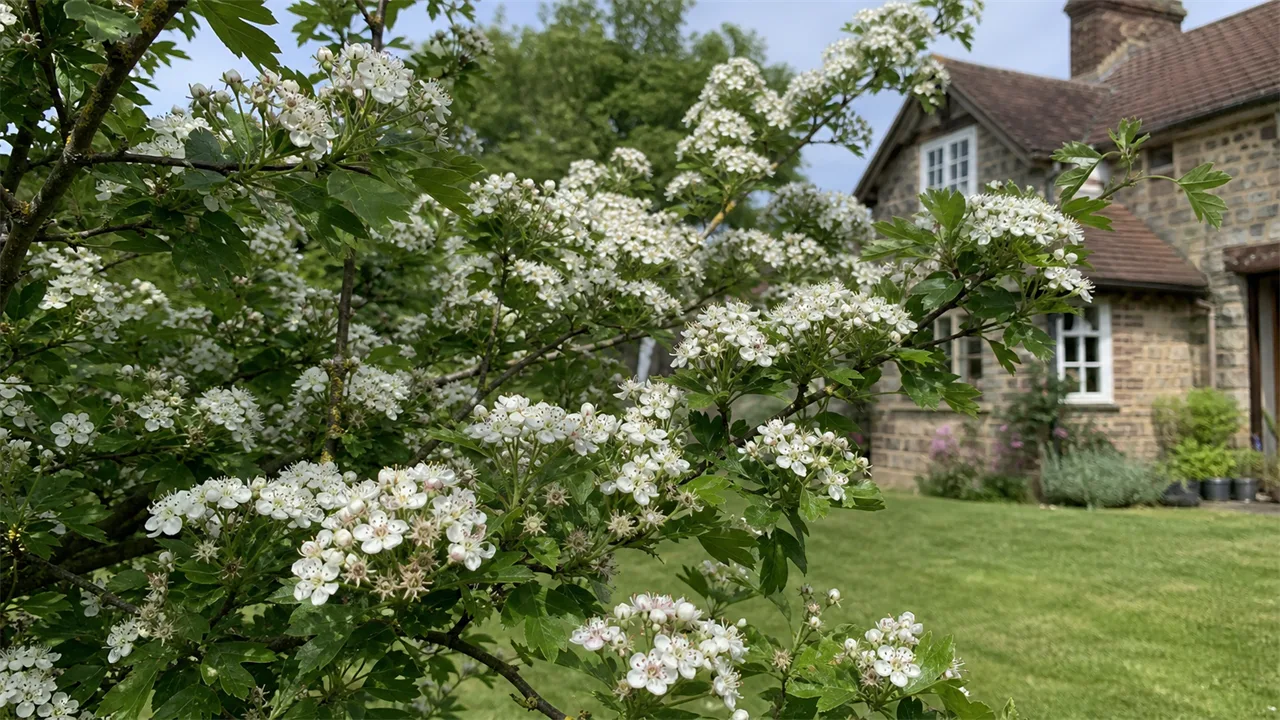
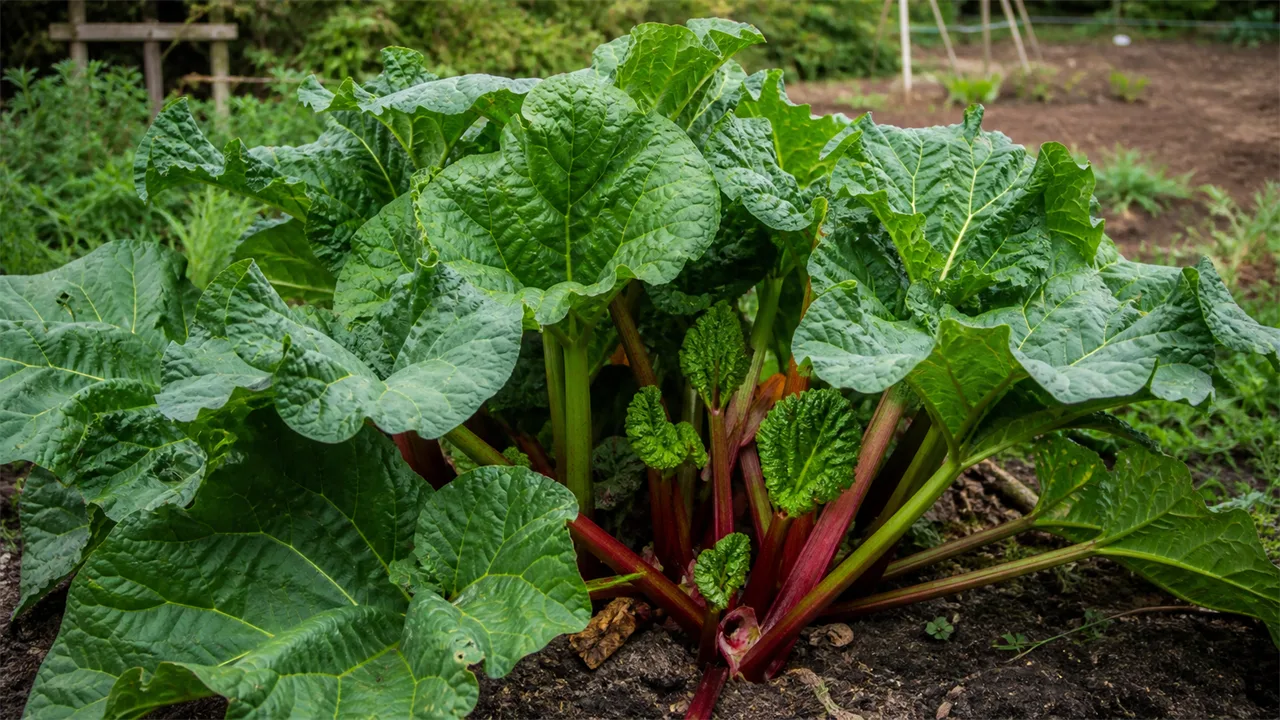
- What to plant while you wait: in year one, stick to tough, deep-rooted or clay-tolerant plants — Crocus, Aster, hardy geraniums, hawthorn, blackcurrant, rhubarb, brassicas, beans. In year three you can grow almost anything reasonable for your region.
Improving heavy clay soil is mostly patience and organic matter applied at the right time of year. Two autumns of mulch, a light forking, and an annual top-up will convert most UK clay into soil that drains, crumbles, and grows almost anything.

Recommended Products
GardenWizz earns a commission from qualifying purchases made through affiliate links on this page (including links within the article) — as an Amazon Associate, and from Thompson & Morgan via the Awin network. This does not affect the price you pay. See our disclaimer for details.
Related Articles
More →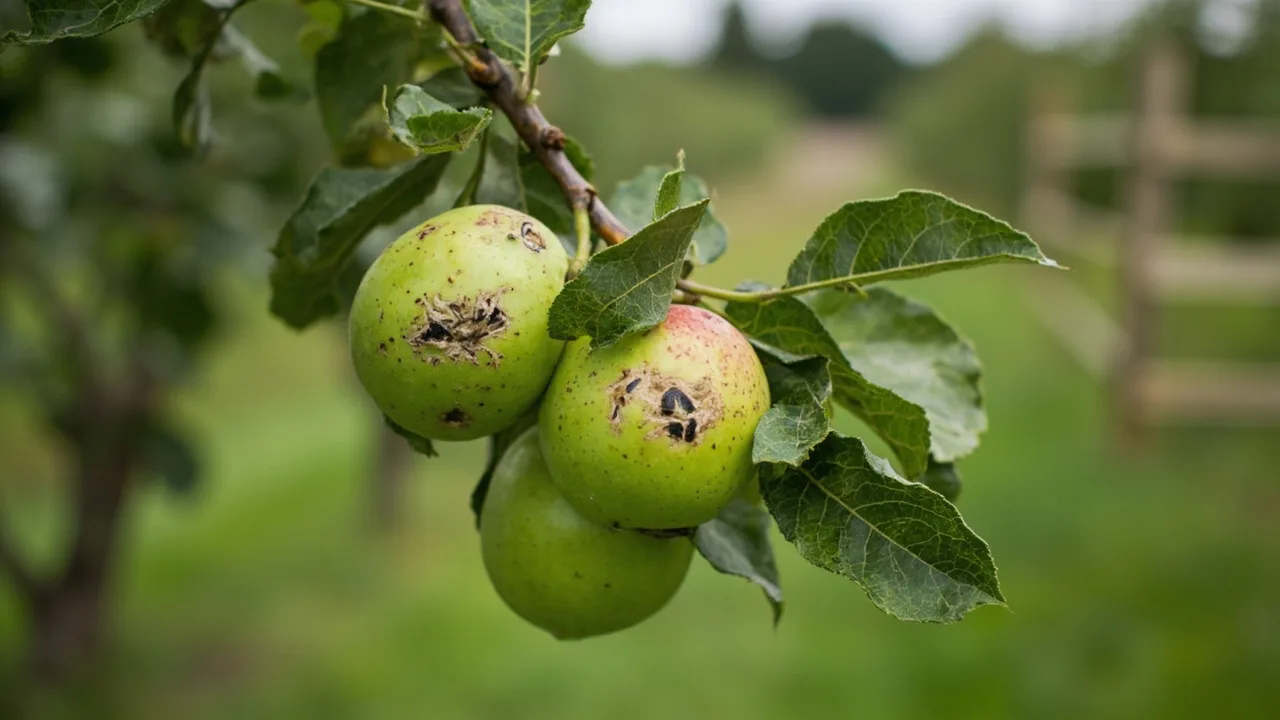 Problem Solver
Apple Scab: How to Identify and Treat It
22 July 2026Apple trees in your garden can be a source of joy, but apple scab can turn your harvest into a disappointing mess of distorted, blackened fruit. This common fungal disease, caused by Venturia…
 Problem Solver
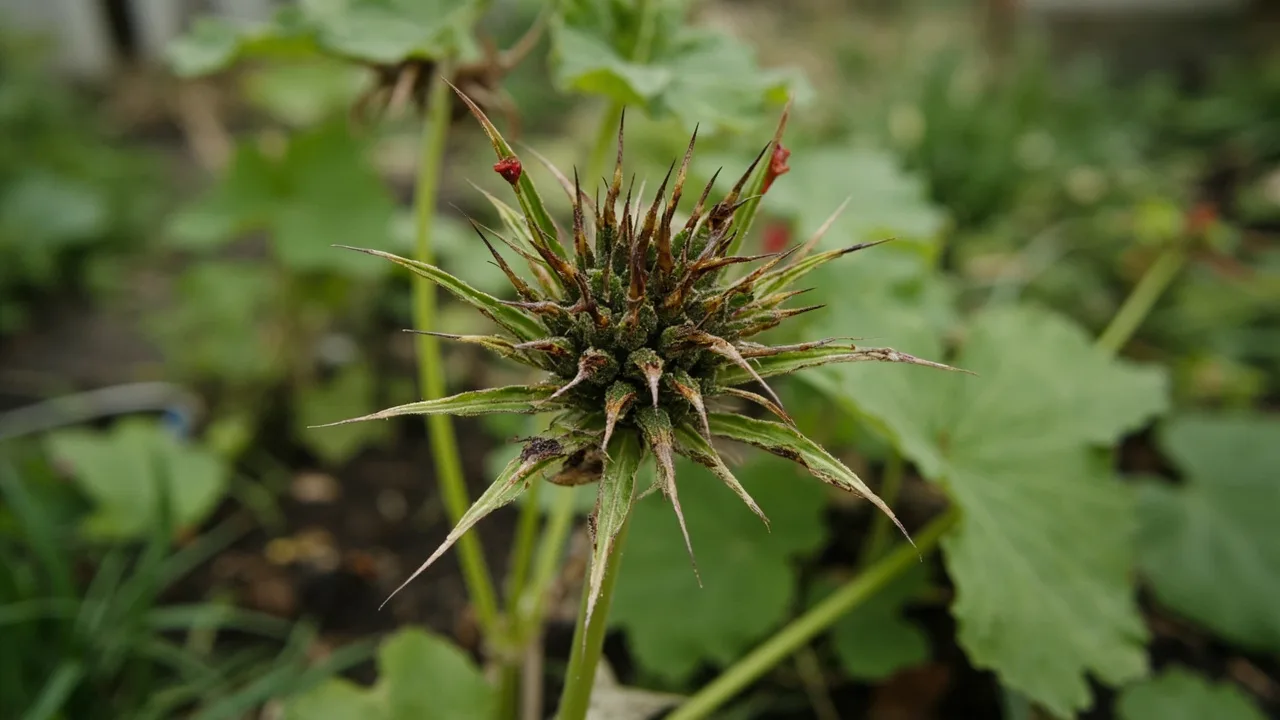
How to Get Rid of Burdock
21 June 2026Lesser burdock (Arctium minus) is a large biennial weed of UK hedgerows, waste ground and the neglected corners of gardens. In its first year it builds a broad rosette and a deep taproot; in its…
 Problem Solver
How to Get Rid of White Bryony
21 June 2026White bryony (Bryonia dioica) is a fast-growing perennial climber found scrambling through UK hedges, fences and shrubs, mainly in England. It is Britain's only native member of the cucumber family,…