
How to Grow Garlic in the UK: Planting to Harvest
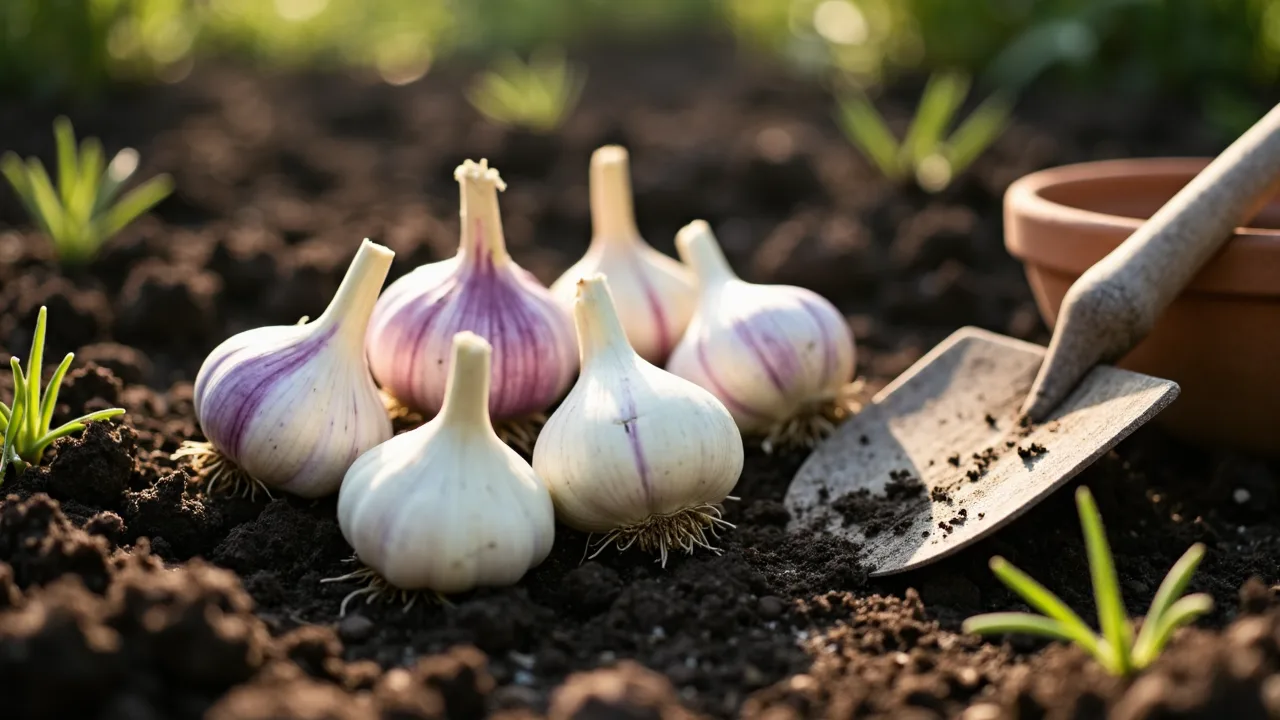
There’s nothing quite like the sharp, earthy punch of homegrown garlic in your kitchen. In the UK, it’s one of the easiest vegetables to grow, requiring minimal fuss but delivering huge rewards. This guide covers everything from choosing the right cloves to harvesting perfect bulbs, tailored to our climate and soil. You’ll learn exactly when to plant, how to prep your soil, and avoid common pitfalls—so you can enjoy plump, flavourful bulbs straight from your plot.
Choosing Your Garlic Cloves
Selecting the right cloves is crucial for a successful crop. Avoid supermarket garlic, as it’s often treated to prevent sprouting and may carry diseases. Instead, source organic or specialist garlic from UK seed suppliers like Thompson & Morgan or Derry’s Seeds. Opt for hardneck varieties (e.g., 'Purple Glazer', 'Chesnok Red', or 'Purple Stripe') as they thrive in our cooler climate and produce larger cloves. Hardnecks also develop scapes (flower stalks), which you’ll remove for bigger bulbs. For milder UK regions like Cornwall, softneck types (e.g., 'Silverskin') are acceptable but less ideal for most gardens. Always choose large, firm cloves from mature bulbs—small cloves yield smaller bulbs. Plant one clove per hole, with the pointed end up.
- Why hardneck? They tolerate UK winters better, develop stronger flavour, and require vernalisation (cold exposure) that our autumn/winter provides naturally.
- Avoid these: "Elephant garlic" (actually a leek) and supermarket garlic—both lack true garlic flavour and may not set well.
Soil Preparation: UK-Specific Tips
Garlic needs loose, well-drained soil rich in organic matter. UK clay soils are common, so amend them with grit or sharp sand (1 part grit to 2 parts soil) to improve drainage—waterlogged soil causes rot. Dig in 5–7cm of well-rotted garden compost or manure in autumn, avoiding fresh manure (it can burn roots). Aim for a pH of 6.0–7.0; if your soil is acidic (below 6.0), add garden lime in early spring. Avoid heavy clay in low-lying areas prone to frost pockets. Plant in raised beds if drainage is poor, or choose a south-facing slope for better sun exposure. Space rows 20cm apart to allow airflow and prevent fungal issues like botrytis.
- UK soil challenge: Our damp climate increases rot risk. Gritting soil is non-negotiable for success.
- Do not: Plant in heavy, wet soil without amendments—this is the #1 cause of failed garlic crops in UK gardens.
Planting Time and Depth: Timing is Everything
Plant late September to early November—this gives cloves 6–8 weeks to develop roots before winter dormancy. In the UK, this means after the first hard frosts but before the ground freezes solid (typically late Sept to mid-Oct in most regions). For Scotland or northern England, aim for early October; in southern England, late September is ideal. Dig trenches 10cm deep (about 3–4 clove lengths), place cloves pointy-end up, and cover with soil. Space cloves 15cm apart within rows and 30cm between rows. Water gently after planting, but avoid soaking the soil—UK autumn rains usually provide enough moisture. Never plant in December; the ground will be frozen, and cloves won’t establish roots.
- Key UK timing: Plant when soil is cool but not frozen. Use a soil thermometer: aim for 7–10°C (45–50°F) at planting depth.
- Avoid: Planting too early (cloves may sprout and get damaged by winter cold) or too late (no time for root growth).
Winter Care: Protecting Your Crop
UK winters can be harsh, but garlic is hardy. After planting, mulch with 5cm of straw or leaf mould to insulate roots, prevent heaving from freeze-thaw cycles, and suppress weeds. Avoid plastic mulch—it traps moisture and encourages rot. In late winter (February), gently remove excess mulch from around the base of plants to allow new growth to emerge. Watch for leek moth larvae in spring (they mine leaves)—hand-pick affected leaves if spotted. Garlic naturally repels pests like rabbits and moles, so no extra deterrents are needed. Do not fertilise in winter—wait until spring growth begins.
- UK-specific tip: In coastal areas with strong winds, use a light windbreak (e.g., a bamboo screen) to protect young shoots.
- Monitor: If snow covers plants, don’t remove it—garlic tolerates light snow cover.
Harvesting: Know When to Dig
Harvest when about 50% of the leaves turn yellow or brown (usually late June to early July in the UK). Gently lift bulbs with a fork, working from the sides to avoid damaging them. Never pull—this can split bulbs. Shake off loose soil, but do not wash (moisture causes rot). Cure bulbs in a dry, airy, shaded spot (e.g., a shed or garage) for 2–3 weeks—spread them in a single layer on a mesh tray. Once the outer skin feels papery and the roots are dry, trim roots to 1cm and tops to 2cm. Do not harvest too early (small bulbs) or too late (cloves separate and skin splits).
- UK harvest cues: Check leaves weekly in June; yellowing tips mean harvest is near.
- Avoid: Leaving bulbs in the ground after leaves die back—this causes rot in our humid summers.
Storing for Longevity: UK Humidity Matters
Proper storage is vital in our damp climate. After curing, store bulbs in a cool, dark, dry place (e.g., a ventilated basket in a shed or cupboard) at 10–15°C (50–59°F). Avoid plastic bags—use mesh or paper bags to allow airflow. In the UK, never store in the fridge (too moist); a cool pantry works best. Softneck varieties store longer (up to 9 months), while hardnecks last 4–6 months. Discard any bulbs showing soft spots or mould immediately. For immediate use, trim tops and store in a cool, dry place for 2–3 weeks.
- UK storage tip: Add a silica gel packet to storage containers to absorb excess humidity.
- Do not: Store near apples or potatoes—ethylene gas speeds up sprouting.
#UKGardening #GarlicGrowing #HomeGrown #EasyGardening #UKGardenTips #OrganicGardening #GardenWizz
As an Amazon Associate, GardenWizz earns from qualifying purchases made through links on this page (including links within the article). This does not affect the price you pay. See our disclaimer for details.