
How to Grow Runner Beans in the UK
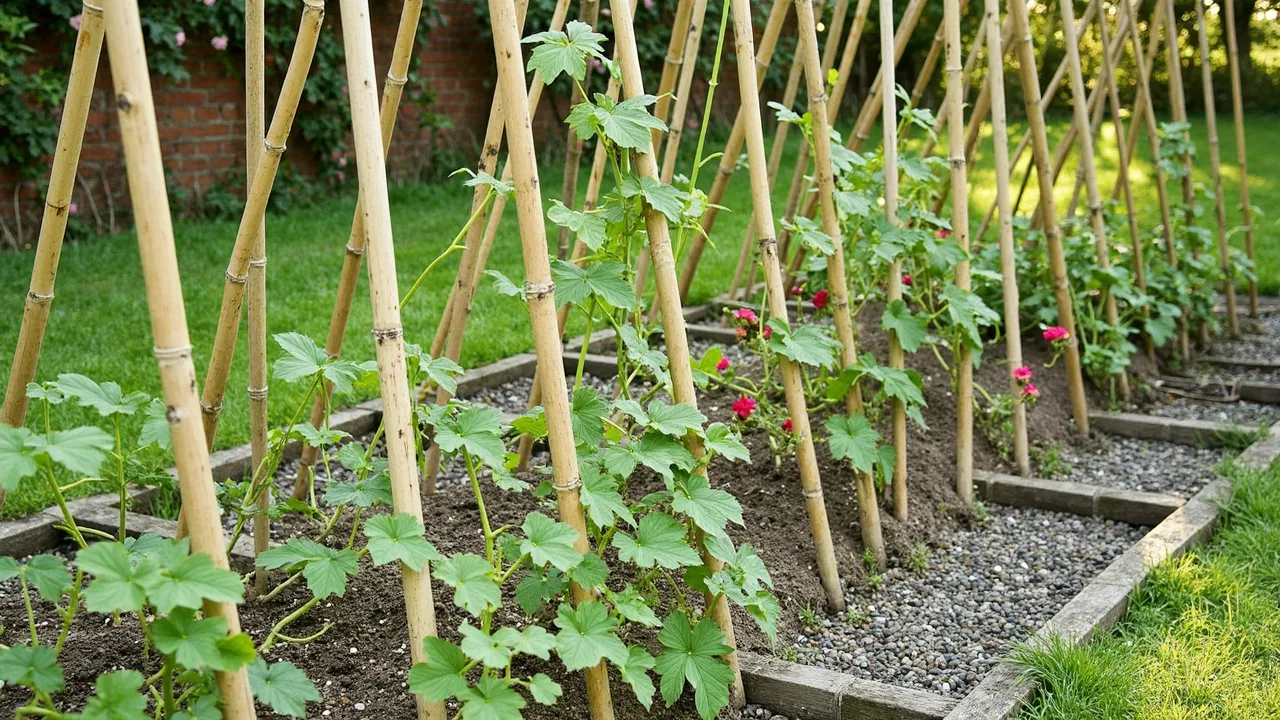
Runner beans are a beloved staple of UK kitchen gardens, offering lush greenery, vibrant flowers, and abundant harvests when grown correctly. Their vigorous climbing habit makes them ideal for screening fences or creating a tropical feel, while their pods provide a delicious, versatile vegetable perfect for British summer meals. With the right timing and care, you’ll enjoy a bountiful crop of tender, flavourful beans from late June through to autumn.
Choosing the Right Varieties for UK Gardens
Selecting the right variety is key to success in our cooler, damper climate. While 'Scarlet Runner' remains the classic choice for its hardiness and prolific yield, consider these UK-tested options: 'White Dutch Runner' for milder, sweeter pods ideal for freezing, and 'Butler' for its excellent disease resistance and reliable cropping. Avoid 'Fasolia gigantes' (Greek giant beans) unless you’re growing them as a novelty, as they’re less suited to UK conditions and harder to source. For a striking ornamental touch, 'Painted Lady' offers red and white flowers, though it’s less productive for pods. Never use 'Aeron Purple Star' – it’s not commercially available. Stick to the proven varieties: they’ll thrive in your soil and withstand typical UK spring frosts better than exotic types.
Timing Your Planting for UK Weather
Runner beans are tender and demand warm soil, so timing is critical. In most UK regions, start seeds indoors in pots or modules from late March to early April. This gives seedlings a head start before the last frost (usually mid-May in southern England, late May in Scotland and northern England). Sow 2-3 seeds per 9cm pot, covering them with 1cm of compost. Keep them in a warm, bright spot (18-21°C) until they sprout. Once the danger of frost has passed – typically late April to early May – transplant them outdoors. Plant them in a sheltered, sunny spot (they need at least 6 hours of sun daily), spacing them 30cm apart at the base of your support structure. For direct sowing (less reliable in cooler areas), wait until late April when soil temperatures reach 10°C, but only if you’ve had a warm spring.
Preparing the Soil and Planting
Runner beans thrive in fertile, well-drained soil with a pH of 6.0–7.0. Before planting, dig in generous amounts of well-rotted garden compost or manure – about 5kg per square metre – to boost nutrients and drainage. Avoid fresh manure, which can cause excessive leaf growth at the expense of pods. If your soil is heavy clay, mix in sharp sand or grit to improve drainage, as waterlogged roots will rot. When planting, dig a hole large enough to accommodate the root ball, position the seedling so the soil level matches the compost in the pot, and firm gently. Water thoroughly after planting. Crucially, never plant beans where other legumes (like peas) grew recently to prevent soil-borne disease buildup. For a continuous harvest, sow a second batch of seeds in early June.
Building Effective Support Structures
Runner beans need strong, tall supports to climb – they’re not climbers but vigorous scramblers reaching 2–3m. The most practical UK garden solution is a wigwam made from 2.4m bamboo canes. Bundle 6–8 canes together at the top with twine, then spread the base into a circle 45–60cm wide. Insert the canes 20cm deep into the soil, ensuring they’re stable. Alternatively, use a sturdy trellis or netting attached to a fence. Space supports 60–90cm apart to avoid overcrowding. As the beans grow, gently guide the main stems towards the support, and tie them loosely with soft twine if needed. Avoid using wire or string that could damage stems. A well-built support system prevents pods from touching damp soil (reducing disease risk) and maximises sun exposure for better yields.
Key support maintenance tips:
- Start early: Position supports before planting to avoid disturbing roots later.
- Tall enough: Ensure structures reach at least 2.5m to accommodate full growth.
- Sturdy base: Anchor supports firmly in the ground to withstand UK winds.
Managing Pests and Diseases
Slugs and snails are the biggest threats to young seedlings. Place slug pellets around the base of plants (use organic pellets like iron phosphate if you prefer eco-friendly options), or create beer traps by burying shallow dishes filled with beer. For aphids, spray plants with a mild soapy water solution (1 tsp washing-up liquid per litre of water) on a dry morning. Rust (a fungal disease causing orange spots on leaves) can occur in damp summers; remove infected leaves immediately and improve air circulation by thinning dense foliage. If rust appears, apply a copper-based fungicide as a preventative measure. Avoid overhead watering – water at the base instead – to keep leaves dry and reduce fungal spread.
Harvesting and Storing Your Crop
Harvest pods when they’re 10–15cm long and still tender and crisp, before they become tough or fibrous. This usually begins in late June for early sowings, peaking in July and August. Pick daily or every other day to encourage more flowering and pods. Never let pods mature on the plant – they’ll become stringy and reduce future yields. For storage, blanch pods for 2 minutes in boiling water, then plunge into cold water. Freeze them in airtight bags for winter use. For fresh eating, enjoy them steamed or stir-fried within 2 days of picking. Always cook beans thoroughly (they contain phytohaemagglutinin) – simmer for at least 10 minutes after boiling to remove toxins.
#UKGardening #RunnerBeans #KitchenGarden #AllotmentTips #BritishGardening #EasyVegetables #GardenWizz
As an Amazon Associate, GardenWizz earns from qualifying purchases made through links on this page (including links within the article). This does not affect the price you pay. See our disclaimer for details.