How to Build a Simple Compost Bin
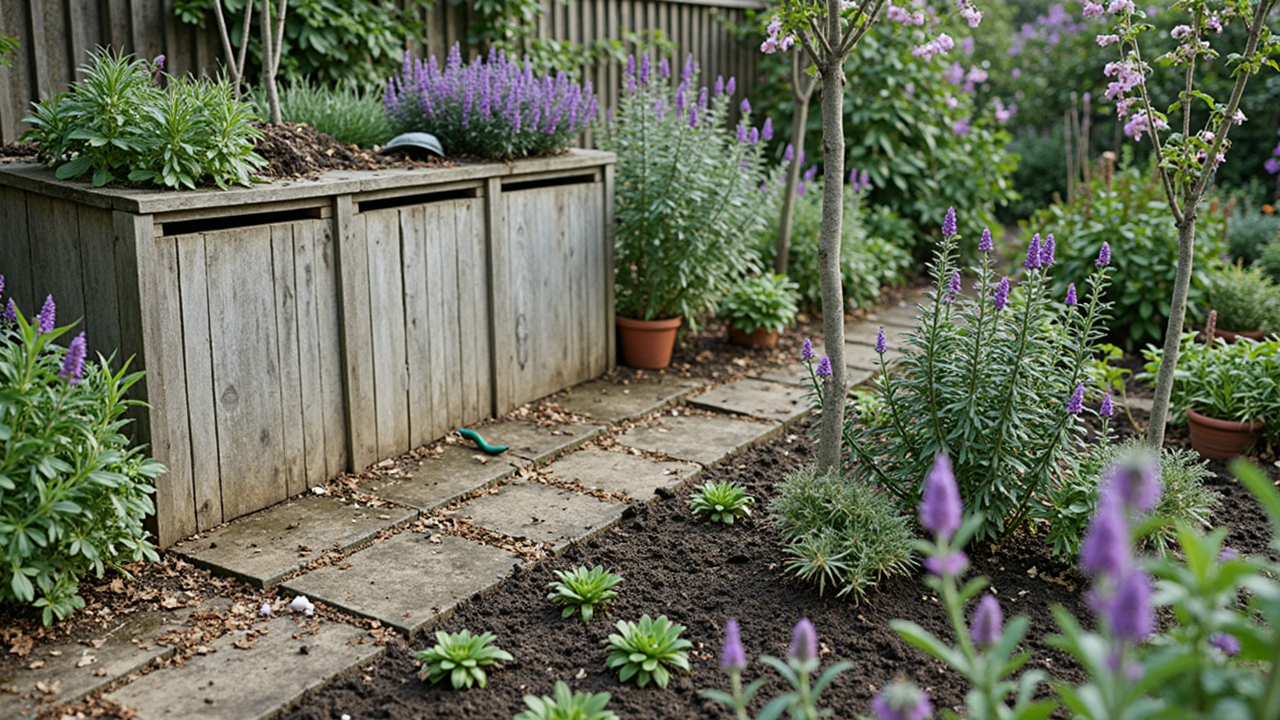
Composting transforms kitchen scraps and garden waste into free, nutrient-rich soil conditioner – the easiest way to boost your garden's health while cutting landfill waste. You don’t need fancy equipment; a simple bin built from common materials will work perfectly in UK gardens, year after year.
Choose Your Spot
Position your bin in a sheltered, well-drained corner of your garden, ideally with partial shade. Avoid direct afternoon sun in summer (it dries out the pile) and harsh winter winds. A spot near your kitchen door makes adding scraps convenient, but ensure it’s not too close to neighbours' boundaries.
Key considerations
- Drainage: Place on bare soil, not concrete, to allow worms and microbes to enter.
- Size: Aim for a 1m x 1m base – large enough for a good pile but small enough to manage.
- Season: Start building in early spring (March/April) for best results, but any time is fine.
Build Your Bin
Use three sturdy wooden pallets (reclaimed from local businesses is ideal) to create a simple open-sided box. Stack them to form a square, securing corners with nails or heavy-duty wire. Leave the front open for easy access and turning.
Simple steps
- Grab: Three pallets (approx. 1m high each), hammer, nails or wire.
- Assemble: Stand two pallets vertically side-by-side, then place the third pallet horizontally across the back to form a square base.
- Secure: Nail the top corners of the vertical pallets to the base pallet. No need for a lid – rain is fine, but cover with a tarp if heavy downpours are forecast.
What to Compost
Focus on 'greens' (nitrogen-rich) and 'browns' (carbon-rich) for a balanced pile. UK gardeners often overlook that most kitchen scraps and garden waste are compostable.
Do include
- Greens: Vegetable peelings, coffee grounds, tea bags (no staples), fresh grass clippings.
- Browns: Dry leaves, shredded cardboard (non-glossy), straw, spent flower heads.
- Avoid: Meat, dairy, oily foods, pet waste, or weeds with seeds (they won’t break down properly).
Maintain Your Pile
A well-maintained UK compost pile should heat up and smell earthy, not rotten. Turn it every 2-4 weeks with a garden fork to aerate, especially in damp weather.
Seasonal tips
- Spring/Summer: Keep moist like a damp sponge; add more browns if too wet.
- Autumn/Winter: Reduce turning frequency; pile may slow but will still work. Cover with a tarp if heavy rain threatens.
- Check: If smelly, add browns; if dry, sprinkle with water.
Troubleshooting
Common issues are easily fixed with UK weather in mind.
Quick fixes
- Smells bad? Add dry leaves or shredded cardboard and turn immediately.
- Too wet? Stop adding greens, mix in browns, and cover with a tarp.
- Not heating? Ensure it’s at least 30cm wide, add fresh greens, and turn to mix.
- Pests? Avoid meat/dairy, and bury food scraps under 10cm of browns.
You’ll have rich compost ready to use in your borders by late spring – and it’s the most satisfying way to close the loop in your garden. #UKGardening #Composting #GardenWizz #EasyComposting #GardenTips #SustainableGardening