
How to Deadhead Flowers for More Blooms All Summer
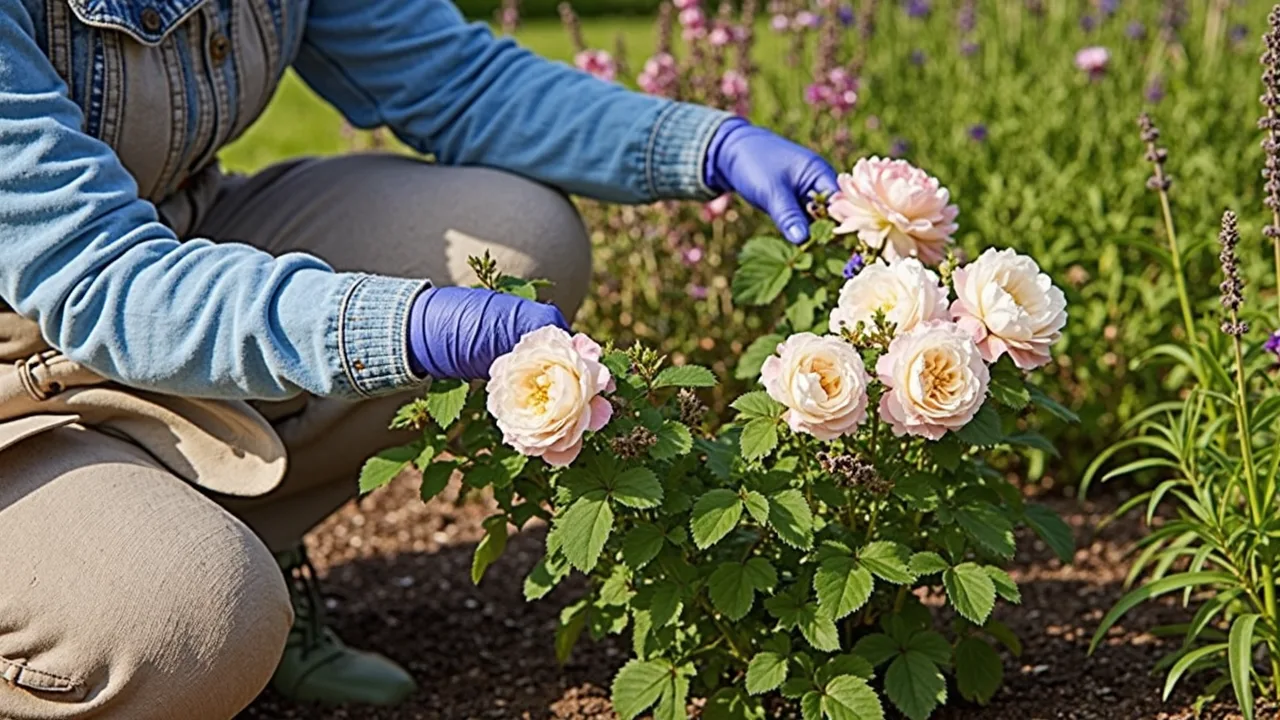
Deadheading – the simple act of removing spent flowers – is one of the most effective ways to extend your summer bloom time in a UK garden. It redirects a plant’s energy from seed production back into creating new flowers, transforming a patchy display into a vibrant, continuous show. Done correctly, it’s a quick, rewarding task that makes a real difference without needing special tools or complex techniques. Forget expensive fertilisers; this is nature’s own way of keeping your garden looking its best.
Why Deadheading Works: The UK Garden Science
Understanding the 'why' helps you appreciate the 'how'. In the UK's variable climate, plants naturally prioritise seed production when flowers fade, a survival instinct triggered by shorter days and cooler temperatures. However, for gardeners, this means the plant stops investing in new blooms. Deadheading tricks the plant into thinking it needs to produce more flowers to set seeds, essentially resetting its flowering cycle. This is especially crucial for our short, often cool summers, where maximising bloom time is key. Crucially, it also prevents self-seeding, which can lead to unwanted seedlings crowding your borders or creating messy, untidy areas – a common issue with plants like hollyhocks or poppies that can self-sow aggressively in damp UK soils.
The most significant benefit is the extension of the flowering period. For example, a single deadhead on a rose bush in late May can lead to a second flush of blooms by mid-June, rather than the plant going dormant. Similarly, hardy geraniums like 'Geranium 'Rozanne'' will flower continuously from late spring through to autumn if deadheaded regularly, whereas a neglected plant might only flower once. It’s not just about more flowers; it’s about maintaining a neat, healthy appearance and preventing disease – spent flowers left on the plant can harbour pests or fungal spores, particularly in our often damp British weather.
Which Flowers Demand Your Deadheading Attention
Not all flowers need deadheading, but the majority of popular UK garden performers do. Focus your efforts on these high-impact plants:
- Roses (All types): Essential for continuous bloom. Deadhead regularly from late spring (May) through to early autumn (August). Remove the entire spent flower head, cutting back to the first leaf with five leaflets (a '5-leaflet node') above the cut.
- Hardy Geraniums (e.g., 'Rozanne', 'Johnsonii'): These are prolific bloomers. Deadhead spent flowers to encourage a second wave. Cut back the entire flower stem to just above a leaf node, usually around 5-10cm above the main foliage.
- Clematis (Large-flowered varieties): Deadhead after the first flush (late May/June) to encourage a second bloom. Cut just below the spent flower head, typically to the first pair of healthy leaves below. Avoid deadheading spring-flowering Clematis (like 'Jackmanii') until late summer.
- Hollyhocks: Deadhead promptly after the first flush (June/July) to prevent the plant from going to seed and to encourage a second, smaller bloom later. Cut the entire stem down to the base of the plant after flowering is complete.
- Pansies & Violas: Deadhead regularly throughout their season (late winter to early autumn) to prevent them from setting seed and to keep the display looking fresh and compact. Remove the entire flower, including the stem.
- Sweet Williams & Pinks: Deadhead after the first bloom (late spring) to encourage a second, often more abundant, bloom in early summer. Cut back to a leaf node.
The Correct Technique: Precision Over Power
Deadheading isn't just about snipping off the flower; it's about making the right cut to encourage healthy regrowth. The key is to cut just above a leaf node (where a leaf joins the stem) or a side shoot, not just anywhere on the stem. This ensures the plant has a healthy point to regrow from. For roses, aim for the '5-leaflet node' – the first set of leaves with five leaflets emerging from the main stem below the flower. For geraniums, cut just above a leaf node, typically 2-5cm above the main foliage.
Use clean, sharp tools to prevent crushing stems and introducing disease. Your fingers can work for very soft-stemmed flowers like pansies, but for tougher stems (roses, hollyhocks), use sharp secateurs or garden shears. A quick dip in a weak bleach solution (1 part bleach to 9 parts water) before starting is a good practice in the UK to prevent spreading fungal spores between plants. Always cut at a slight angle, away from the plant's centre, to allow rainwater to run off the cut surface.
- Step-by-Step:
- Identify the spent flower head and the stem below it.
- Locate the nearest healthy leaf node (a small bump where a leaf attaches) or a side shoot.
- Position your secateurs just above this node, angling the cut slightly away from the plant.
- Make a clean, sharp cut. Remove the entire flower head and the stem below it.
- For roses, ensure you cut back to the first leaf with five leaflets.
Timing: When to Deadhead for Maximum Effect
Timing is everything in the UK. Deadhead as soon as the flower fades and starts to look tired – don't wait for it to turn brown or drop off. For early summer bloomers like tulips or daffodils, deadheading is less critical (they're done flowering), but for continuous bloomers, start in late spring (May) and continue through the summer. The most critical period is late spring to early summer (May-June), when the first flush of flowers on many plants is finishing.
Avoid deadheading in extreme weather. Don't tackle it during a heatwave (when plants are stressed) or when the soil is waterlogged from heavy rain – wait for drier, milder conditions. In the UK, late summer (August) is a good time to give roses a final deadhead to encourage them to harden off before winter, but stop deadheading by mid-September to allow plants to set buds for next year. Remember, some plants like hollyhocks are best deadheaded after their main bloom, usually in July, to allow for a second flush before autumn.
Common Mistakes to Avoid
Many gardeners make simple errors that reduce the effectiveness of deadheading. The most common is cutting too low, removing healthy foliage or new buds. Cutting just above a leaf node is vital; cutting too far down leaves a bare stem and can damage the plant. Another mistake is leaving the 'seed head' (the dry, papery structure left after the flower) intact, which the plant will try to develop, wasting energy. Always remove the entire spent flower and stem.
Don't be tempted to use garden shears for everything – they can crush stems and cause damage, especially on delicate plants like pansies. Also, avoid deadheading plants that are naturally self-seeding for ornamental effect, like some poppies or foxgloves, if you want to enjoy the seed heads for their beauty or to encourage natural spread (though this is usually for specific garden styles, not for maximum bloom). Finally, don't neglect deadheading simply because it's a 'small' task – consistency is key for the best results.
Seasonal Deadheading Checklist
- Late Spring (May): Roses (first flush), Geraniums, Pansies/Violas (start), Sweet Williams (after first bloom).
- Early Summer (June): Roses (continuously), Geraniums, Clematis (large-flowered, after first bloom), Pansies/Violas (throughout), Hollyhocks (after main bloom).
- Mid-Late Summer (July-August): Roses (final deadhead), Geraniums (continuously), Clematis (if needed), Pansies/Violas (if still flowering), Hollyhocks (if second bloom occurs).
- Early Autumn (September): Roses (stop deadheading by mid-Sept for winter preparation), Geraniums (stop as plants begin to slow).
#UKGardening #Deadheading #GardenTips #FlowerCare #Roses #Geraniums #GardenWizz
Plants in this guide
As an Amazon Associate, GardenWizz earns from qualifying purchases made through links on this page (including links within the article). This does not affect the price you pay. See our disclaimer for details.