
How to Grow Raspberries: Planting, Pruning and Picking
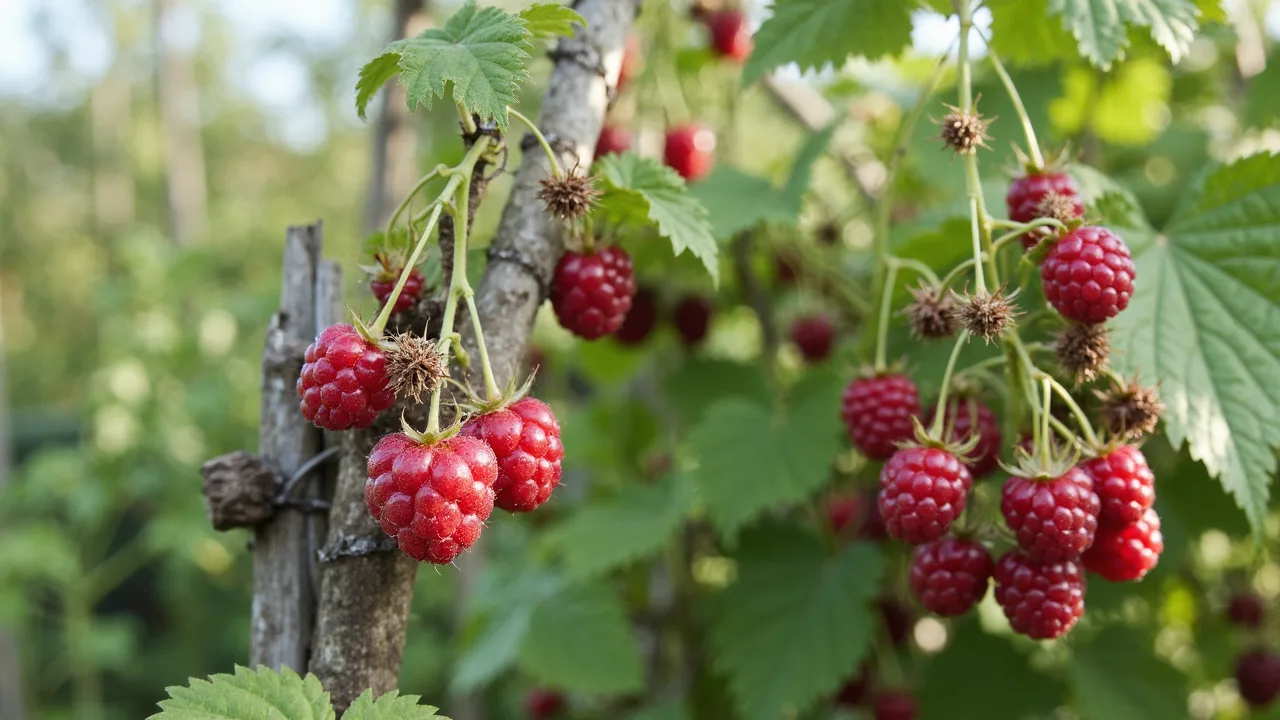
Raspberries are a joy to grow in UK gardens, offering sweet, summery rewards from a relatively low-maintenance plant. With the right variety, soil, and care, you’ll harvest baskets of juicy fruit from late June through August, often with a second flush on everbearing types. This guide cuts through the confusion, giving you clear, UK-specific steps for planting, pruning, and picking.
Choosing Your Raspberry Variety
Selecting the right cultivar is key for UK success. Opt for hardy, disease-resistant varieties bred for our climate. For reliable summer fruiting (the most common type), choose 'Glen Clova' (AGM) or 'Malling Jewel' – both produce large, sweet red berries on strong canes, needing minimal staking. If you want a second crop, 'Autumn Bliss' (everbearing) gives a smaller summer harvest plus abundant late-summer/early-autumn fruit, though it’s slightly less hardy than summer-bearing types. Avoid tender varieties like 'Golden Anne' unless you have a sheltered, sunny spot. Crucially, never plant black or purple raspberries near reds – cross-pollination can cause poor fruit set. Stick to reds for simplicity and reliability in UK gardens.
Preparing the Perfect Site and Soil
Raspberries thrive in well-drained, fertile soil with a pH of 6.0–7.0. UK clay soils are common, so amend them with 5cm of well-rotted garden compost or manure in autumn to improve drainage and structure. Avoid low-lying areas where water pools – Phytophthora root rot (a fungal disease) thrives in wet conditions and will kill your plants. Choose a sunny, sheltered spot with at least 6 hours of direct sun daily; a south or west-facing border is ideal. If your soil is heavy, plant raspberries on a raised bed 15–20cm high (built with soil and compost) to prevent waterlogging. Space rows 50–75cm apart and individual plants 30–45cm apart within rows – too close and they’ll compete for moisture and light.
Planting: Timing and Technique
Plant bare-root canes in late autumn (October–November) or early spring (February–March) when the ground is frost-free but cool. Potted plants can be planted from April to June. Dig a trench 30cm deep and wide. Mix the excavated soil with 20% well-rotted compost. Place canes 20–30cm deep, spreading roots gently. Backfill, firming the soil around the base, and water thoroughly. For support, install 1.8m-tall bamboo canes or metal posts 1m apart along the row, with galvanised wire or string strung between them at 30cm and 60cm heights. Never plant raspberries where potatoes, tomatoes, or strawberries grew recently – they share soil-borne diseases. If planting on a slope, build terraces to prevent erosion.
Pruning: The Key to Productive Plants
Raspberries grow on biennial canes – they produce leaves and stems in year one (primocanes), then fruit in year two (floricanes). Pruning removes old fruiting wood to encourage new growth. Summer-bearing varieties need the most careful pruning:
- Late winter (February): Cut down all fruited canes (floricanes) to ground level – they’ll be brown and dead.
- Late winter: Thin remaining primocanes to 3–4 strong canes per square foot (remove weak or crowded shoots).
- Summer: Once new canes reach 1.5m, pinch out the tips to encourage side shoots (more fruit).
For everbearing types like 'Autumn Bliss', prune only the canes that fruited last year in late winter. Leave the new canes to fruit in late summer/fall. Never prune in spring – it delays fruiting and risks winter damage.
Harvesting at Peak Sweetness
Pick raspberries when they lift easily from the core (torus) and are deep in colour – reds should be vibrant, blacks glossy. Timing is critical:
- Summer-bearing: Harvest mid-June to mid-August (peak in July). Pick every 2–3 days once ripening starts.
- Everbearing: First crop (summer) harvests late July–August; second crop (fall) late August–October.
Never pick wet berries – they’ll split and rot. Use a small basket to avoid crushing, and pick early morning when dew has dried. For maximum flavour, let berries ripen fully on the plant – they’ll be sweeter than picking them early. Store unwashed berries in a single layer in the fridge for up to 3 days.
Containing the Spread
Raspberries spread aggressively via suckers (underground shoots). To prevent them from overtaking your garden:
- Install a physical barrier at planting: Dig a trench 30cm deep around the planting area, line it with heavy-duty landscape fabric (not plastic, which traps moisture), and bury the edges.
- Weed regularly – pull new suckers as soon as they appear, especially in spring and early summer.
- Mulch annually with 5cm of well-rotted compost in early spring (March) to suppress weeds and retain moisture.
Never leave fallen fruit on the ground – it encourages pests and disease. If a plant spreads beyond its barrier, dig up the suckers and replant them elsewhere (they’ll root easily).
#UKGardening #RaspberryGrowing #GardenWizz #BritishGardening #HomeCrops #EasyGardening #GardenTips
As an Amazon Associate, GardenWizz earns from qualifying purchases made through links on this page (including links within the article). This does not affect the price you pay. See our disclaimer for details.