
How to Grow Strawberries in the UK: A Complete Guide
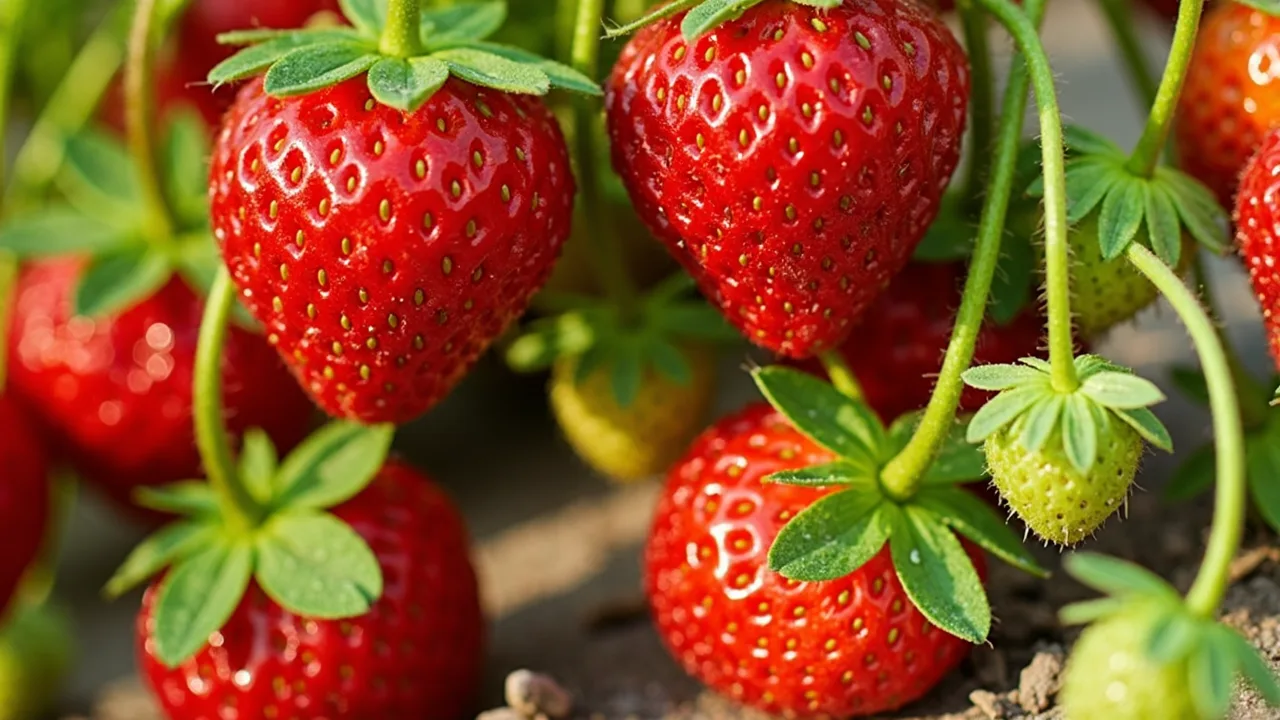
There’s nothing quite like the burst of flavour from a sun-ripened strawberry straight from your own plot. In the UK, with our cool summers and damp springs, growing strawberries successfully is about choosing the right varieties and timing your care to the seasons. This guide will walk you through every step, from planting to harvesting, with practical tips honed for British gardens.
Choosing Your Strawberry Variety
Selecting the right cultivar is crucial for UK success. Avoid traditional June-bearing types that produce one big crop in early summer, as they’re less suited to our variable climate. Instead, opt for day-neutral or everbearing varieties that fruit continuously from late spring through autumn. For reliable UK performance, choose cultivars bred for cooler conditions: 'Tristar' (a day-neutral with excellent flavour and disease resistance), 'Mara des Bois' (a June-bearing with intense aroma, perfect for UK summers), and 'Albion' (a modern everbearer with high yields and good mildew tolerance). Avoid 'Honeoye'—it’s popular but prone to splitting in UK spring rains. Plant 8–10 plants per square metre for a productive patch; space them 30–40cm apart in rows.
Planting Time & Site Selection
Plant bare-root runners or young plants in early March to mid-April, after the last frost risk (typically late April in most UK regions). Choose a sunny, sheltered spot with well-drained soil—strawberries hate waterlogged roots, especially in our cool, wet springs. Avoid low-lying areas where frost settles. Prepare the site by digging in 5cm of well-rotted garden compost or homemade compost to improve drainage and fertility. For heavy clay soils (common in the UK), create raised beds 15–20cm high to prevent waterlogging. If planting in containers, use a 45cm diameter pot filled with multi-purpose compost mixed with 20% perlite for drainage. Never plant strawberries where potatoes, tomatoes, or other nightshades grew in the past two years to prevent soil-borne diseases.
Key planting steps
- Soil test: Aim for pH 6.0–6.8 (most UK soils are slightly acidic). Add garden lime if below 6.0.
- Plant depth: Set crown (the crown where roots meet stems) level with the soil surface—too deep causes rot, too shallow dries out.
- Watering: Soak plants thoroughly after planting, then water deeply once a week until established.
Soil Care & Feeding
Strawberries thrive in nutrient-rich, moisture-retentive soil. Mulch generously with straw or black plastic immediately after planting to suppress weeds, retain moisture, and keep fruit clean (critical in UK spring rains). Apply a 5cm layer of well-rotted manure or organic fertiliser (e.g., blood, fish, bone) in early spring, just as growth begins. For container-grown plants, use a slow-release organic feed like sheep’s wool pellets every six weeks from March to August. Avoid high-nitrogen feeds after June, as they promote leafy growth at the expense of fruit. In autumn, top-dress with compost to protect roots through winter—UK frosts can damage exposed crowns.
Watering & Climate Management
Strawberries need consistent moisture but hate soggy roots. Water deeply (5–7cm) twice a week during dry spells in June and July, but reduce frequency in autumn as rainfall increases. Use a soaker hose or drip system to avoid wetting leaves (which encourages mildew), especially in our damp UK summers. During prolonged dry periods, apply a 2cm layer of straw mulch to retain soil moisture. For frost protection in late winter, cover plants with horticultural fleece if temperatures drop below -5°C—this is essential for UK gardeners in northern regions. In hot, dry spells (rare but possible), mist leaves lightly in the evening to prevent scorching.
Pest & Disease Control
UK strawberries face slugs, birds, and mildew. Prevent slugs by placing beer traps (shallow dishes filled with beer) near plants or using copper tape around raised beds. For birds, drape fine netting (1cm mesh) over plants as fruit begins to colour—secure it with garden pegs to avoid trapping birds. Mildew (a fungal disease) is common in humid UK summers; prevent it by ensuring good air circulation (space plants 30cm apart) and removing old leaves in autumn. If mildew appears, spray with a fungicidal soap (e.g., potassium bicarbonate) at the first sign. Avoid chemical sprays if you have bees—UK gardens rely on pollinators for fruit set.
Harvesting & Storage
Pick strawberries when fully red, slightly soft, and fragrant—typically late June to August for June-bearers and July to September for everbearers. Harvest in the morning after dew has dried, using scissors to cut stems (never pull, which damages plants). For maximum sweetness, leave fruit on the plant until it’s fully ripe—UK summer heat can speed up ripening, but avoid leaving berries too long as they attract birds and rot. Store unwashed berries in a single layer in a ventilated container in the fridge for up to 5 days. For longer storage, freeze whole berries on a baking sheet, then transfer to a freezer bag—this preserves flavour for winter desserts.
#UKGardening #StrawberryGrowing #GardenWizz #BritishGardening #StrawberrySeason #EasyGardening #Homegrown
Plants in this guide
As an Amazon Associate, GardenWizz earns from qualifying purchases made through links on this page (including links within the article). This does not affect the price you pay. See our disclaimer for details.