No-Dig Gardening Explained
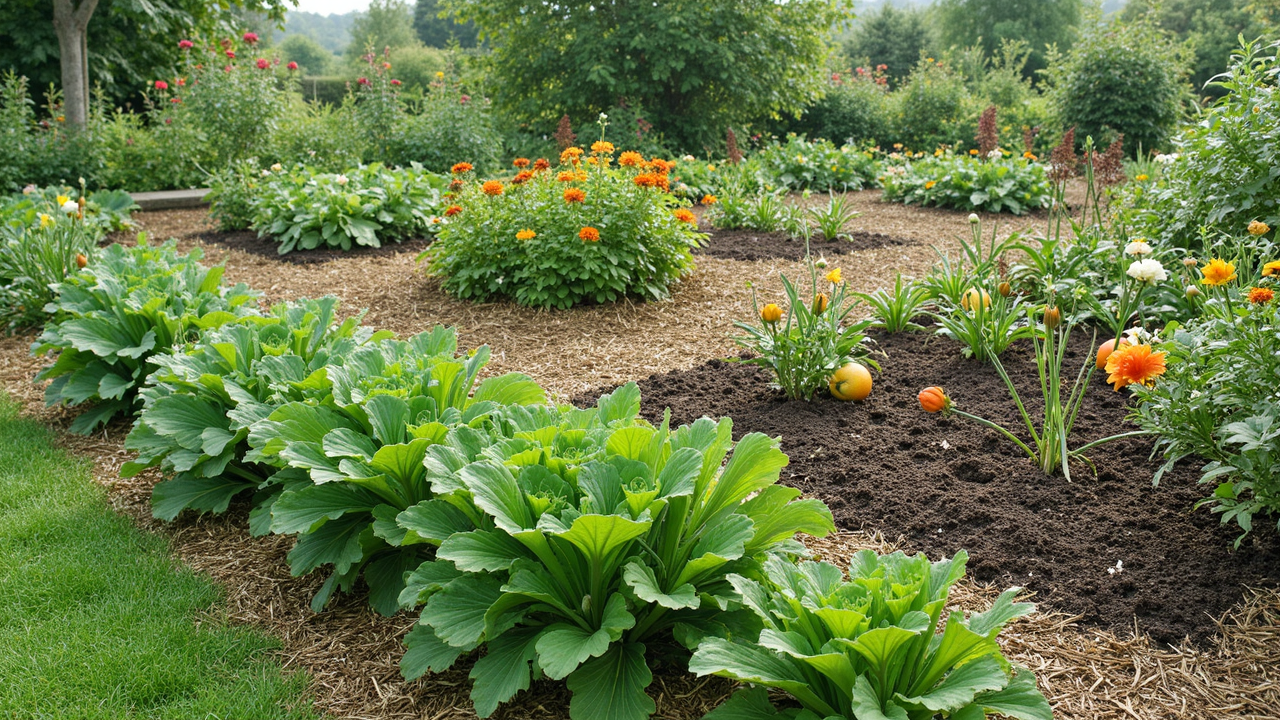
No-dig gardening works with your soil’s natural ecosystem, not against it. Forget digging up your plot – this method preserves the vital soil life that keeps your plants thriving, while saving you back-breaking effort. It’s perfect for UK gardens where damp conditions can make traditional digging messy and damaging.
Why ditch the spade?
- Soil life is everything: Digging disrupts the delicate food web of microbes, worms, and fungi that cycle nutrients naturally.
- Weeds become easier: Digging brings dormant weed seeds to the surface, while no-dig keeps them buried under mulch.
- Soil structure improves: Worms and microbes create natural aeration through their tunnels, preventing compaction.
- Less work, more reward: You avoid the labour of digging and replanting, while retaining moisture and nutrients better than bare soil.
Getting started this spring
- Clear perennial weeds first: Remove stubborn roots (like docks or bindweed) before mulching.
- Choose your mulch: Use well-rotted compost, leaf mould, or spent mushroom compost (not fresh manure – it attracts slugs in our damp climate).
- Apply thickly: Lay mulch 5-15cm (2-6 inches) deep over the soil surface.
- Weed suppression: For tough areas, lay damp cardboard or newspaper first (weighted down with mulch) to block light and smother weeds.
- Timing: Apply mulch in early spring (March/April) or autumn (September/October) when soil is moist but not waterlogged.
Maintaining your no-dig plot
- Feed as you go: Top up mulch annually with fresh compost in autumn or spring.
- Plant directly into mulch: Sow seeds or place seedlings through the mulch layer – no need to dig holes.
- Water wisely: Mulch reduces evaporation, so water less frequently but deeply.
- Rotate crops: Move plant families each year within your no-dig beds to prevent nutrient depletion.
- Avoid compaction: Step on paths, not beds – keep soil loose for worms to work.
Troubleshooting common UK issues
- Slugs? Use well-rotted mulch (not fresh manure) and add slug-repelling plants like rosemary or lavender nearby.
- Slow to warm up? In early spring, use a dark mulch (like compost) to absorb heat.
- Weeds persisting? Add a thicker layer of cardboard under new mulch next time.
- Nutrient needs? Feed with liquid seaweed or comfrey tea – no digging needed to incorporate.
Charles Dowding, the UK’s leading no-dig advocate, proves it works: his salad crops thrive in undisturbed soil, and you’ll find his methods perfect for our British seasons. Start small, be patient, and let nature do the work.
#NoDigGardening #UKGardening #OrganicGardening #CharlesDowding #SoilHealth #GardenWizz #SustainableGardening
As an Amazon Associate, GardenWizz earns from qualifying purchases made through the links above. This does not affect the price you pay. See our disclaimer for details.