
Lavender 'Munstead'
Lavandula angustifolia 'Munstead'
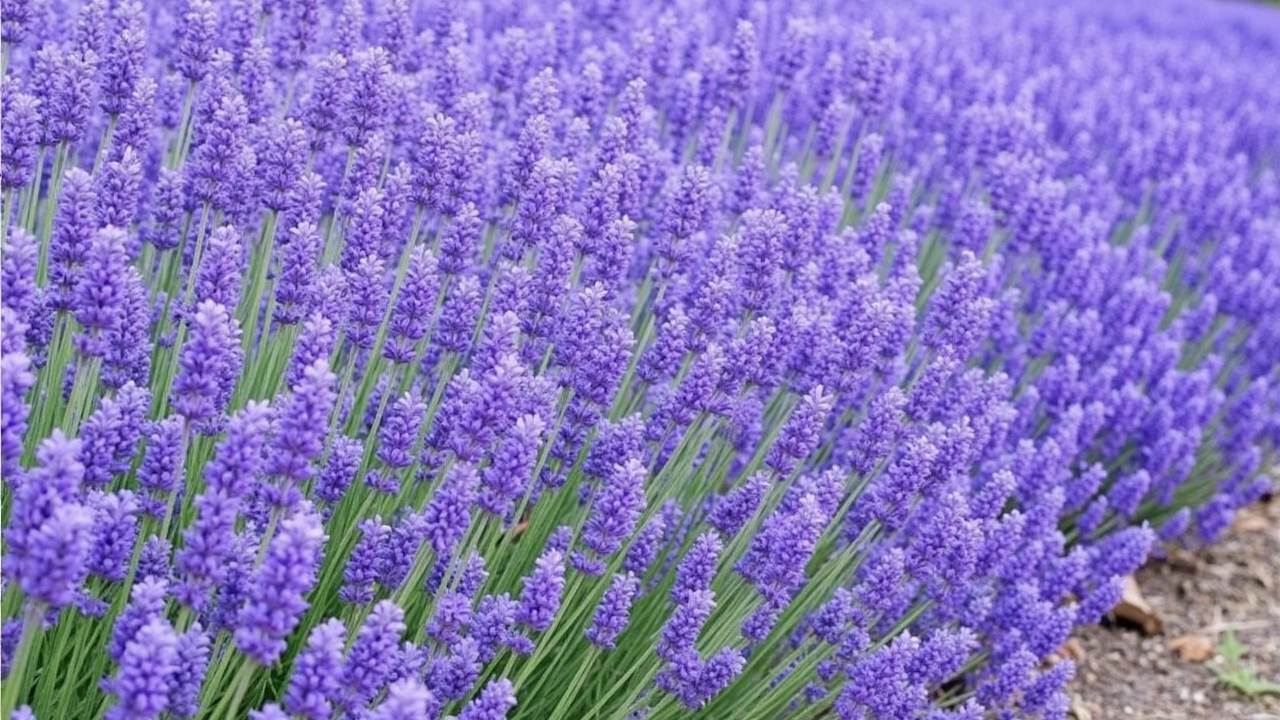
At a Glance
| Botanical name | Lavandula angustifolia 'Munstead' |
|---|---|
| Common name(s) | — |
| Family | Lamiaceae |
| Plant type | shrub (evergreen shrub) |
| Height × Spread | 45 cm × 60–90 cm |
| Hardiness | H5 (to -10.0 °C) · RHS AGM |
| Position | Full sun |
| Soil | Well-drained chalk, loam or sand; neutral to alkaline pH; low to moderate fertility |
| Flowering | July–August |
| Toxicity | Mildly toxic to dogs and cats if ingested |
| Native range | Mediterranean basin (Spain, France, Italy) |
Where not stated for this variety, details follow the species Lavandula angustifolia.
Lavandula angustifolia 'Munstead' is a highly regarded dwarf cultivar celebrated for its suitability in smaller garden spaces and reliable performance. Awarded the Royal Horticultural Society's Award of Garden Merit, it offers a compact, early-flowering alternative to standard lavender varieties.
Overview
This cultivar is distinguished by its very compact habit and early flowering period, making it ideal for borders, edging, or container planting. It holds the RHS AGM, confirming its garden merit and reliability.
Appearance
' M unstead' produces lavender-blue flowers on a very compact plant, reaching a height of 45 cm. Its dense, low-growing form contrasts with the taller species.
Growing and Care
As a cultivar of Lavandula angustifolia, it requires well-drained soil and full sun, avoiding waterlogged conditions. It shares the species' preference for neutral to alkaline soils and Mediterranean climate conditions, though it is hardy to RHS H6.
In the Garden
Its early bloom, compact size, and RHS AGM status make 'Munstead' an excellent choice for low-maintenance borders, rock gardens, or as a fragrant edging plant where space is limited.
#LavenderMunstead #RHSAGM #DwarfLavender #EnglishLavender #GardenLavender #CompactGarden #EarlyFlowering #AGMPlant
Pests and Diseases
| Problem | Symptoms | Management |
|---|---|---|
| Rosemary beetle | Metallic green-and-purple striped beetles; notched leaves from late summer | Hand-pick adults and larvae; encourage birds and ground beetles; tolerate light damage |
| Froghopper (cuckoo spit) | Frothy white foam on stems in early summer | Harmless to established plants; dislodge with a jet of water if unsightly |
| Grey mould (Botrytis) | Fuzzy grey growth and dieback in wet, crowded conditions | Improve drainage and air flow; cut out affected growth; avoid overhead watering |
Quick Care Summary
| Sunlight | Full sun |
|---|---|
| Soil | Well-drained chalk, loam or sand; neutral to alkaline pH; low to moderate fertility |
| Hardiness | H5 (-10.0 °C) |
| Sow | February–March |
| Plant | April, May, September |
| Prune | August–September |
Facts sourced from https://en.wikipedia.org/wiki/Lavandula_angustifolia (cultivar row of lavandula-angustifolia; unstated details inherited from the species)
As an Amazon Associate, GardenWizz earns from qualifying purchases made through the links above. This does not affect the price you pay. See our disclaimer for details.